
La mer (The sea) — History & Facts
In the depths of shadow lies the truth of our existence, where every stroke speaks volumes unaddressed by the noise of life. Focus first on the deep, swirling blues and greens that dominate the canvas, bringing the sea to life. Notice how the artist captures the tumultuous waves, each brushstroke layered to evoke movement and depth, drawing the eye toward the horizon. The contrast between the lighter foam cresting above and the darker depths below invites contemplation, highlighting the eternal dance of light and shadow on water that signifies both tranquility and turmoil. The play between shadow and light carries deeper emotional weight — it embodies the dichotomy of human experience, the calm hiding beneath the chaos, and the unknown lurking beneath the surface.
Each undulating wave reflects a different emotion, with shadows suggesting hidden depths of sorrow or mystery. Bracquemond’s choice of a subdued palette also evokes a nostalgic longing, making us reflect on our own relationship with nature, beauty, and the ephemeral moments we often overlook. Created in 1884, this piece emerged during a transformative period for the artist, who was deeply influenced by the Impressionist movement. Bracquemond, a noted printmaker and painter, was exploring new techniques that emphasized the spontaneity of natural scenes.
At this time, the art world was shifting towards capturing fleeting moments, and La mer stands as a testament to that evolution, echoing the tensions of its era while revealing an intimate connection to both sea and soul.
More Artworks by Félix Bracquemond
Browse all →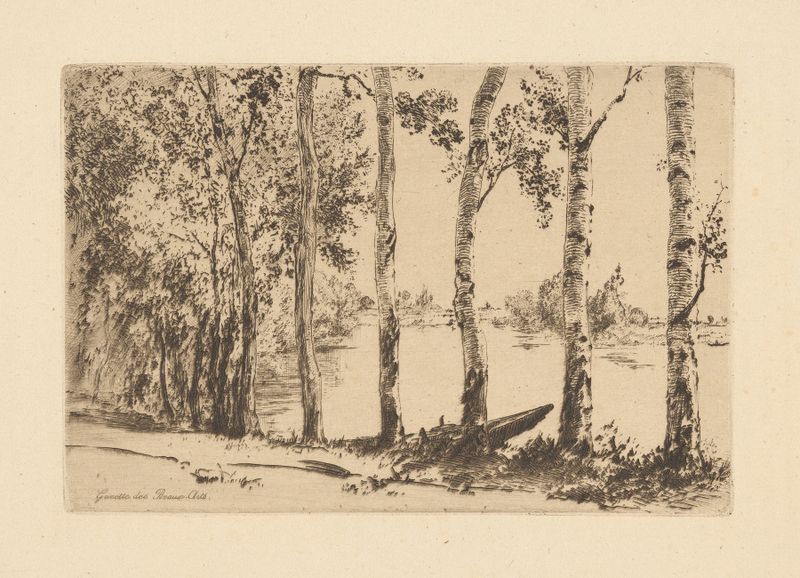
Gazette des Beaux Arts.
Félix Bracquemond
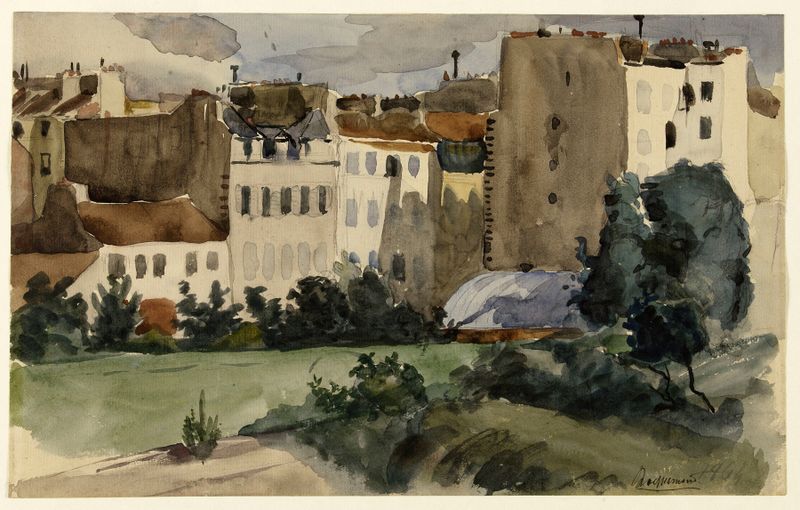
La rue Rousselet
Félix Bracquemond
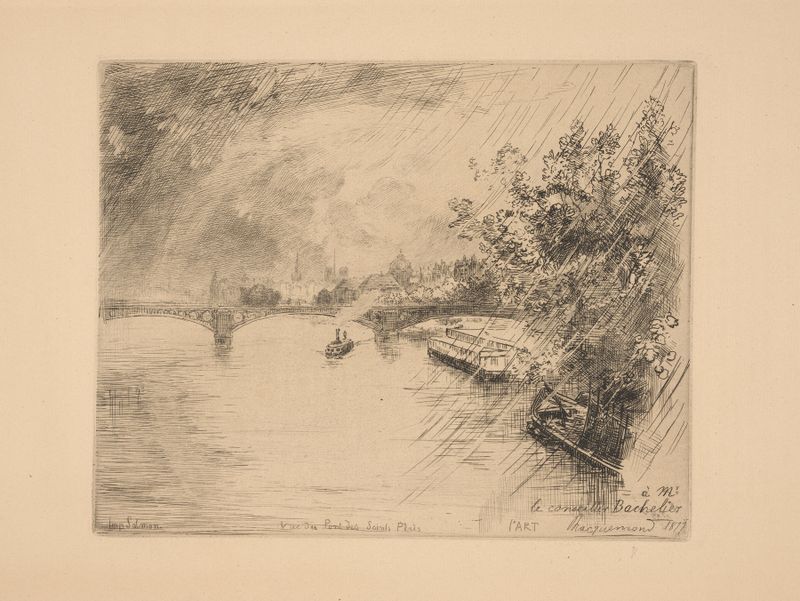
Vue du pont des Saints-Peres (View of the bridge of the Holy Fathers)
Félix Bracquemond
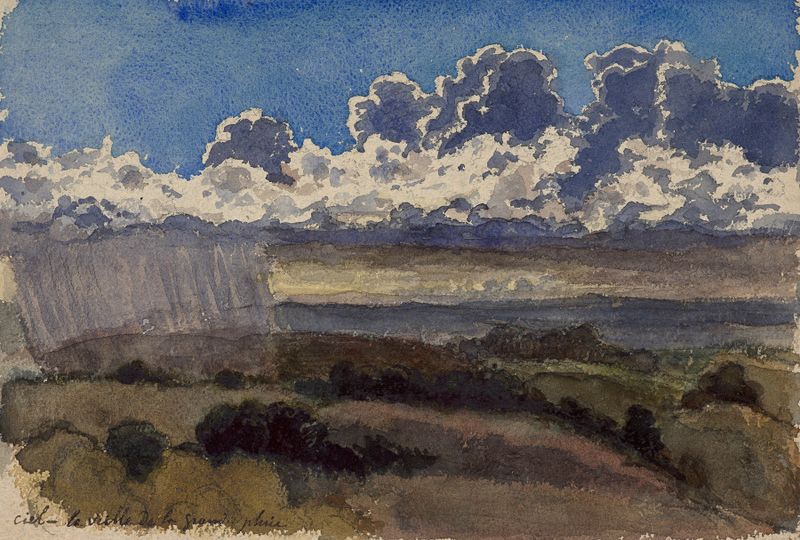
Rain arriving on the coast
Félix Bracquemond
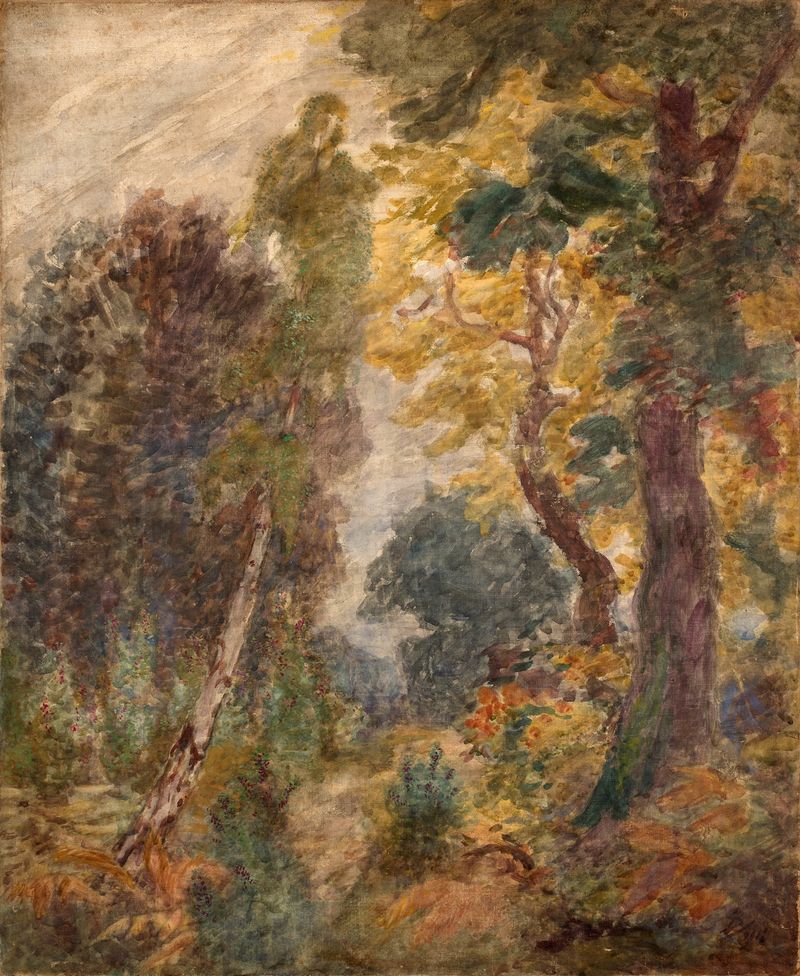
Landscape
Félix Bracquemond
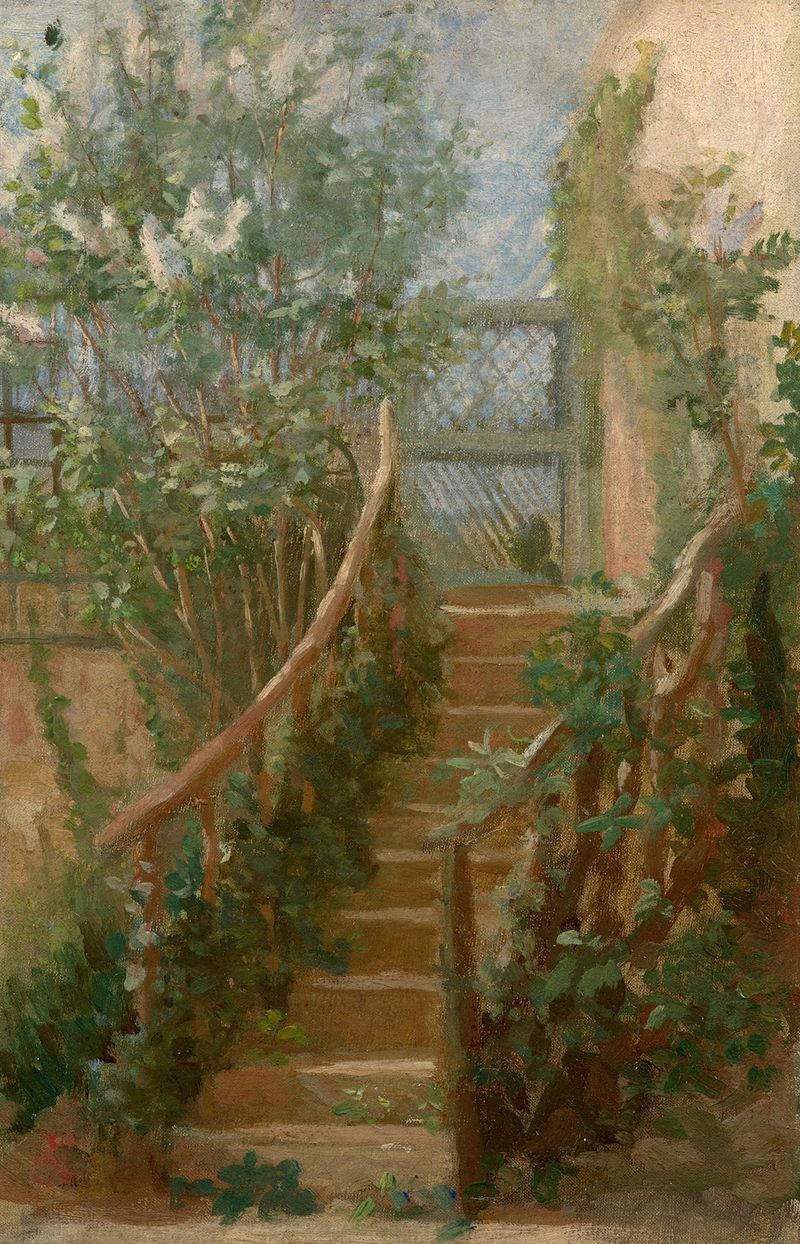
The stairs
Félix Bracquemond
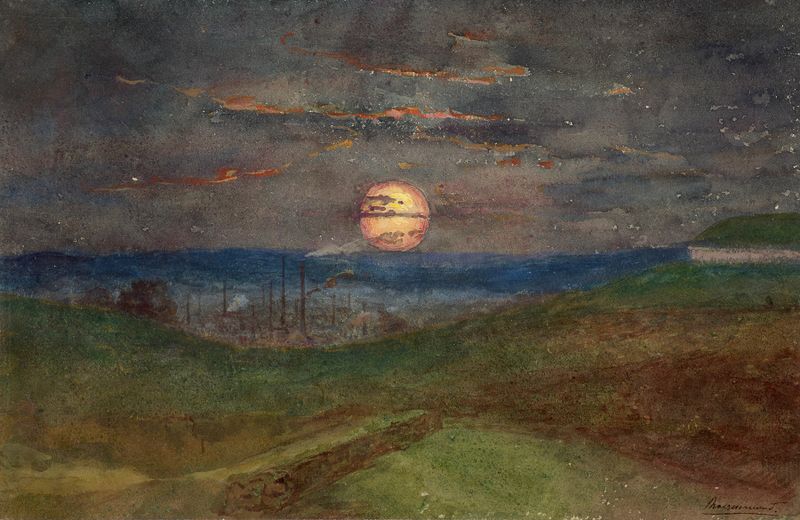
Sunset over the factory chimneys
Félix Bracquemond
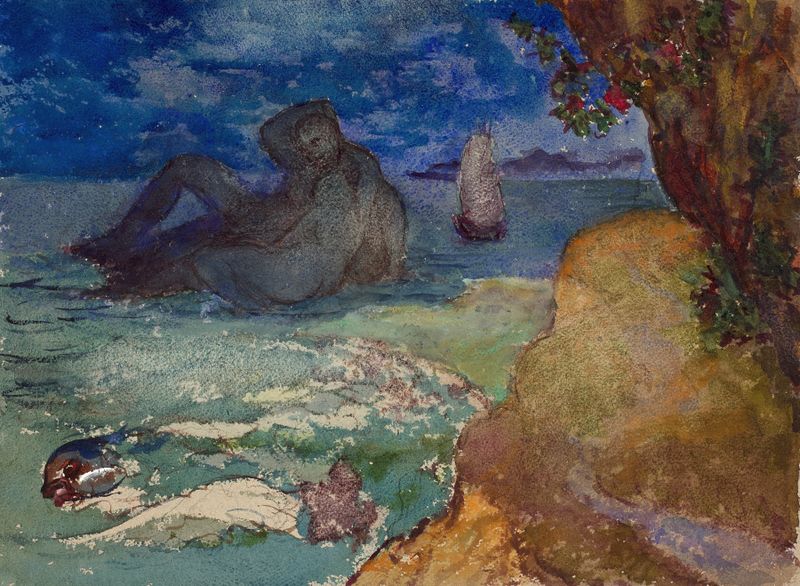
Embracing couple in a seascape
Félix Bracquemond





