
La rue Rousselet — History & Facts
What if silence could speak through light? In La rue Rousselet, a quiet street is transformed into an echo of solitude, inviting introspection amid its muted tones. Look to the left at the dimly lit alleyway, where a solitary figure retreats into shadow. The artist employs a soft palette of grays and browns, creating a sense of stillness that envelops the viewer like a soft cloak. Notice how the light filters through the trees overhead, casting delicate patterns on the cobblestones, accentuating both the warmth of the day and the chill of isolation.
Every brushstroke contributes to the painterly rhythm that mirrors the rhythm of life itself, a gentle cadence of mundane existence. Within this tranquil facade, deeper currents of loss and yearning ebb and flow. The empty street reflects the absence of vibrancy, hinting at stories untold and lives unfulfilled. The juxtaposition of light and shadow evokes a sense of longing for connection, yet the solitary figure lingers in isolation, suggesting that even the most picturesque surroundings can create a profound sense of loneliness.
Each detail whispers of what was once vibrant but now feels faded and distant. In 1864, Félix Bracquemond painted La rue Rousselet during a transformative period in Paris, amidst the rise of Impressionism. This work reflects his exploration of urban life and light, drawing on personal experiences of loss and the fleeting nature of moments. The burgeoning art movement was reshaping traditional views, and Bracquemond was at the forefront, grappling with the emotional landscape of a city in flux.
More Artworks by Félix Bracquemond
Browse all →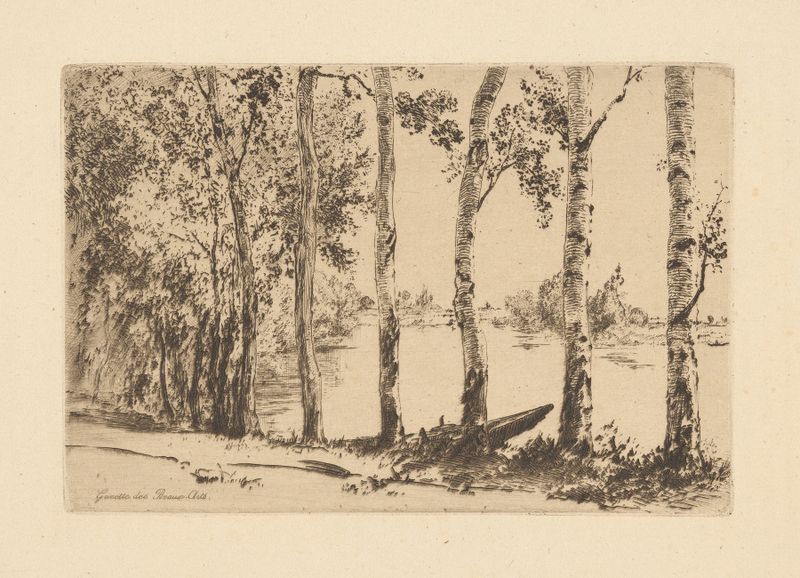
Gazette des Beaux Arts.
Félix Bracquemond
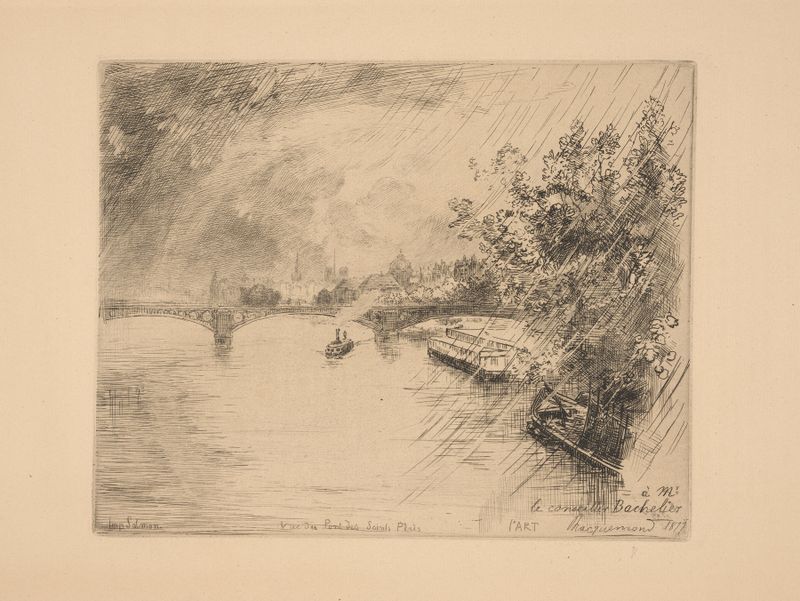
Vue du pont des Saints-Peres (View of the bridge of the Holy Fathers)
Félix Bracquemond
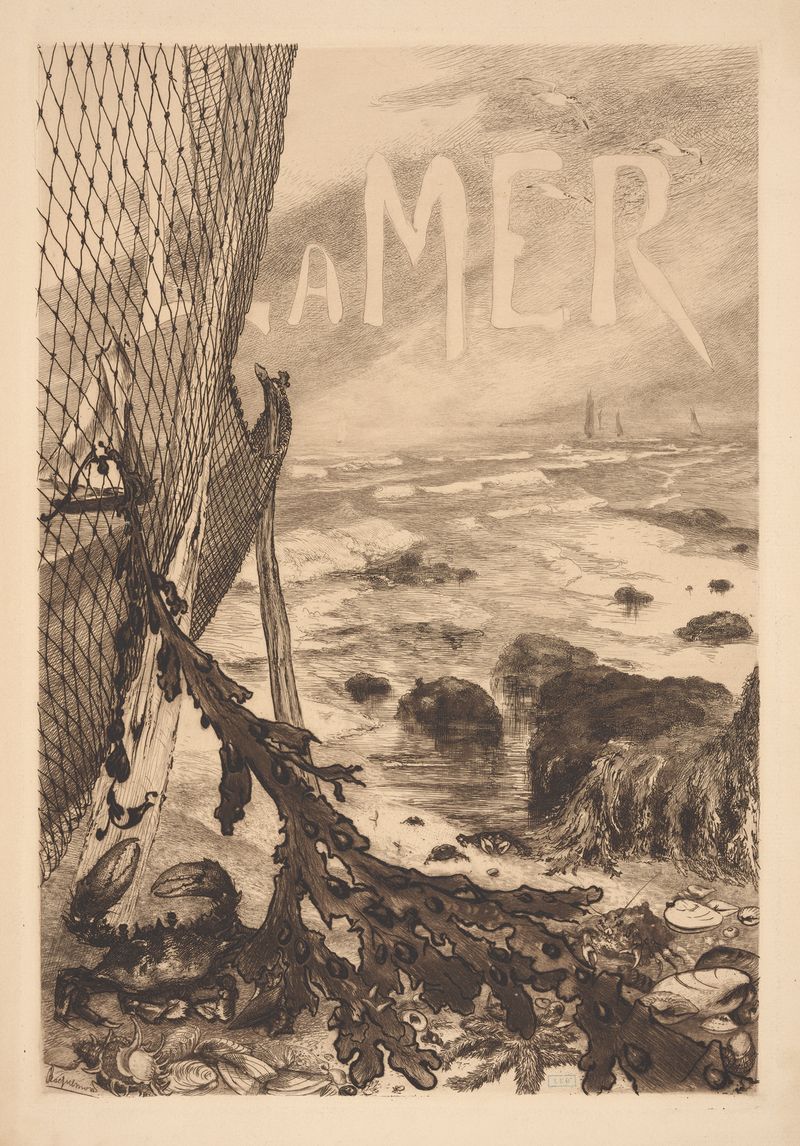
La mer (The sea)
Félix Bracquemond
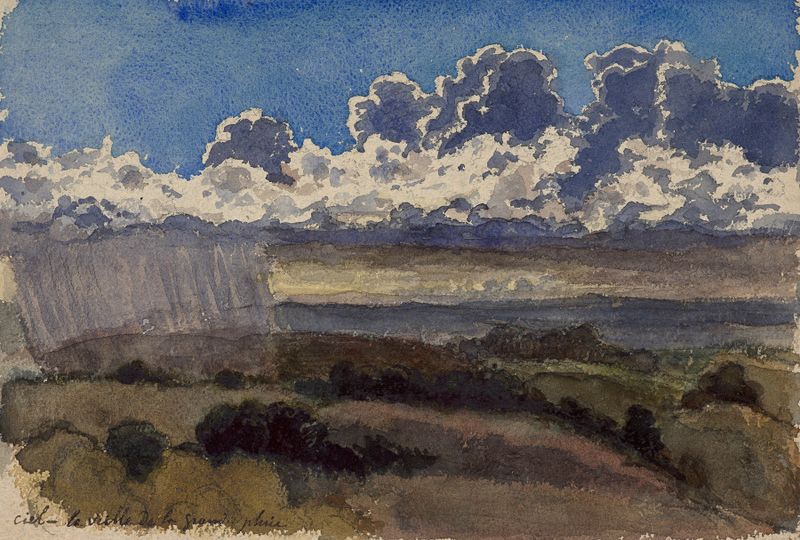
Rain arriving on the coast
Félix Bracquemond
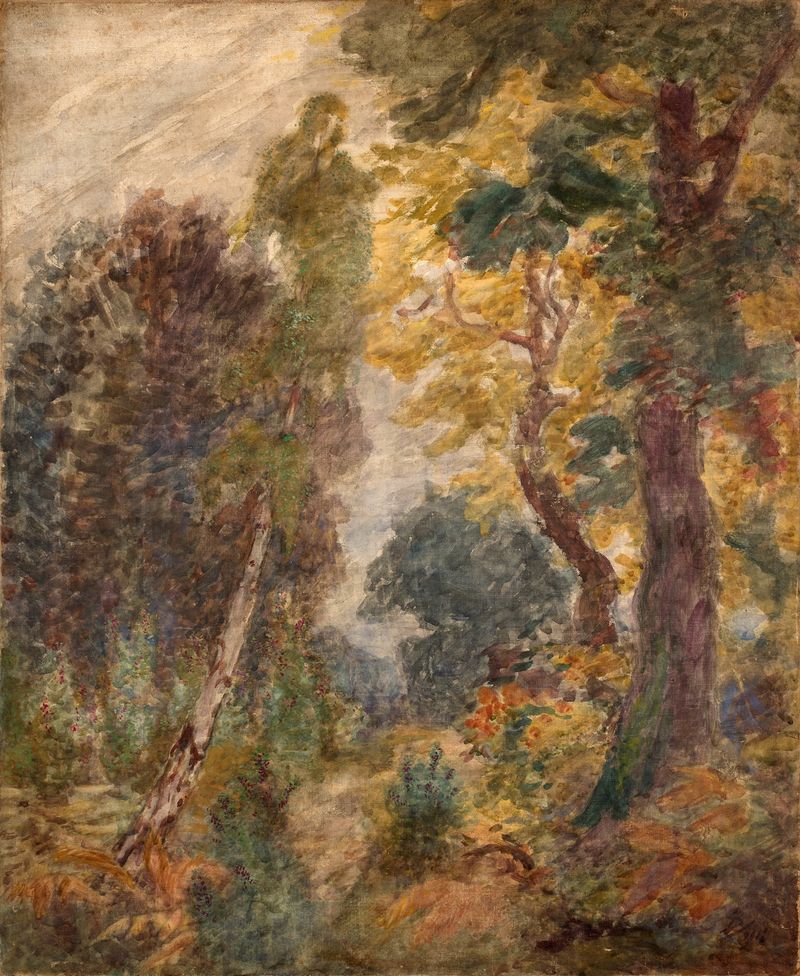
Landscape
Félix Bracquemond
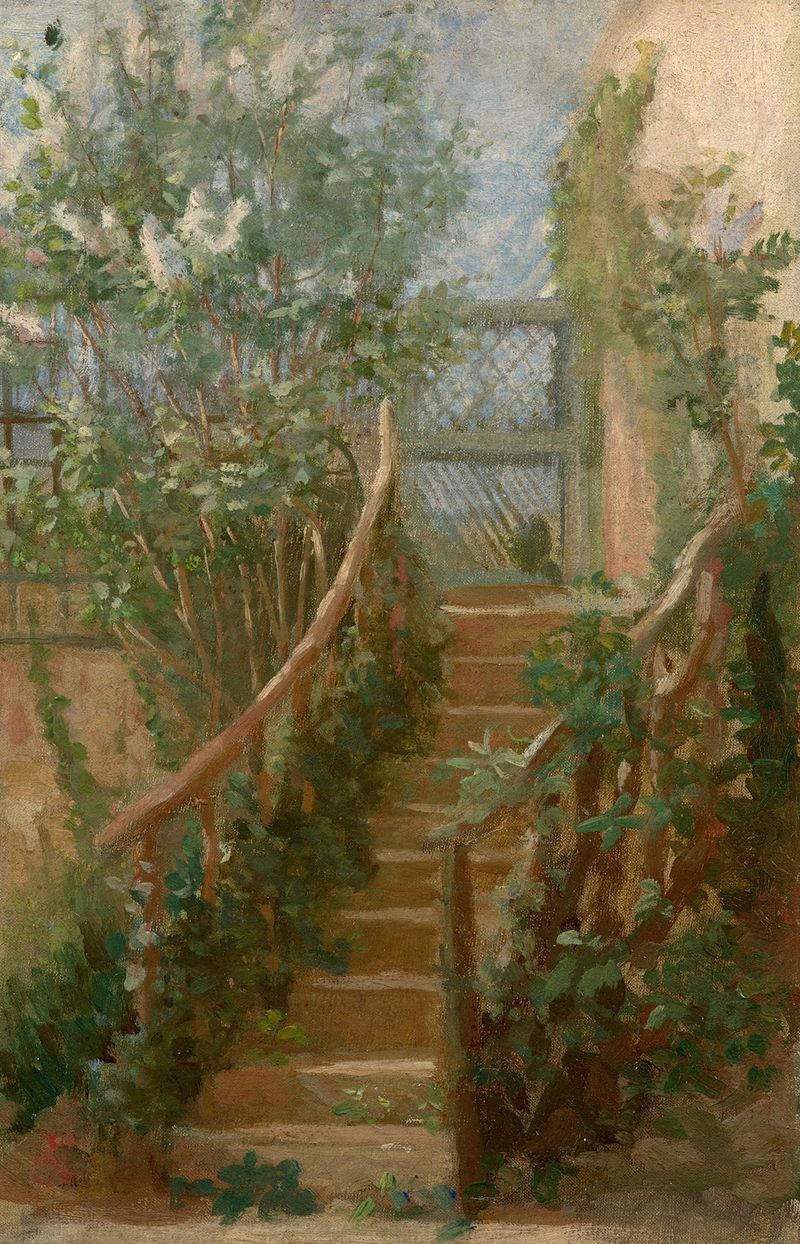
The stairs
Félix Bracquemond
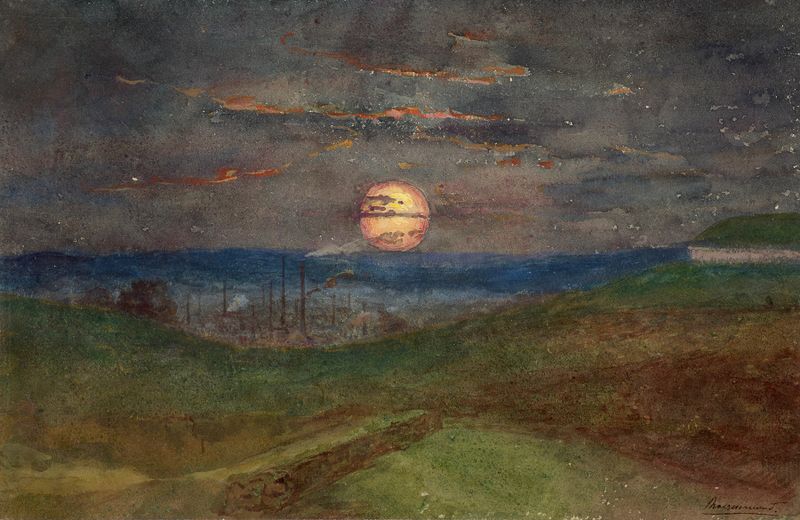
Sunset over the factory chimneys
Félix Bracquemond
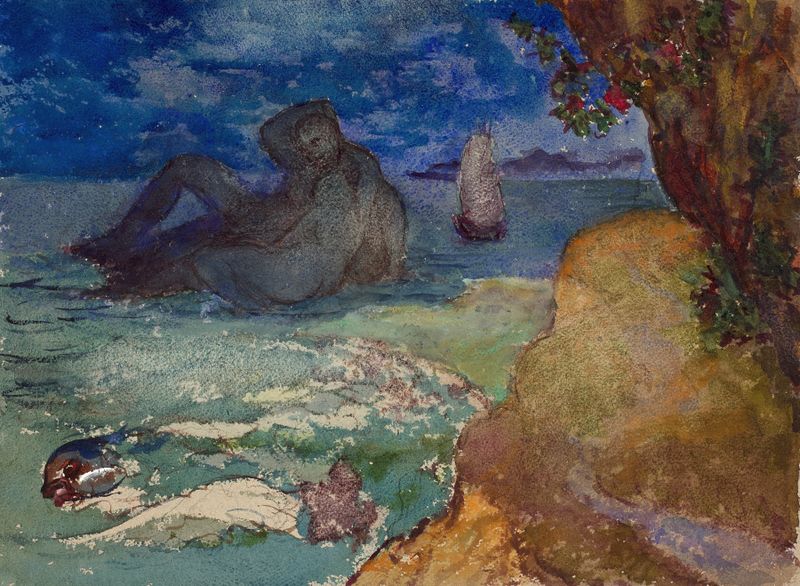
Embracing couple in a seascape
Félix Bracquemond





