
La Monnaie, le Pont Royal et le Louvre, vus du terre-plein du Pont-Neuf — History & Facts
What if silence could speak through light? In Jean-Baptiste Lallemand's La Monnaie, le Pont Royal et le Louvre, vus du terre-plein du Pont-Neuf, the void is filled with a tranquil beauty, inviting contemplation and a sense of timelessness. Look to the left where the soft, muted tones of the buildings stand proud against a luminous sky, gently fading into the horizon. Notice how the delicate brushwork captures the shimmering water, reflecting the architecture and the fleeting clouds above. The composition leads your eye across the scene, from the intricate details of the Monnaie, through the inviting arch of the Pont Royal, and finally to the majestic Louvre, each structure carefully positioned to create a harmonious balance.
Lallemand's use of light infuses the painting with an ethereal quality, transforming an ordinary moment into a serene vista. Beneath this calm façade lies a palpable tension between the solidity of the structures and the ephemeral nature of the water. The contrast between the rigid architecture and the fluid reflections speaks to the transience of time and the passage of history. The scene, devoid of human presence, amplifies the sense of solitude, evoking a contemplative atmosphere that resonates deeply.
Each detail serves as a whisper of the world passing by, inviting viewers to reflect on what remains and what fades. In 1775, while creating this piece, Lallemand was entrenched in the artistic milieu of Enlightenment France, a period marked by a burgeoning appreciation for landscape painting. He developed his craft in Paris, where the city itself became a canvas of transformation, just as the art world was experiencing a shift towards more personal, emotive expressions. This work captures both the essence of a changing Paris and the introspective nature of an artist grappling with his place within it.
More Artworks by Jean-Baptiste Lallemand
Browse all →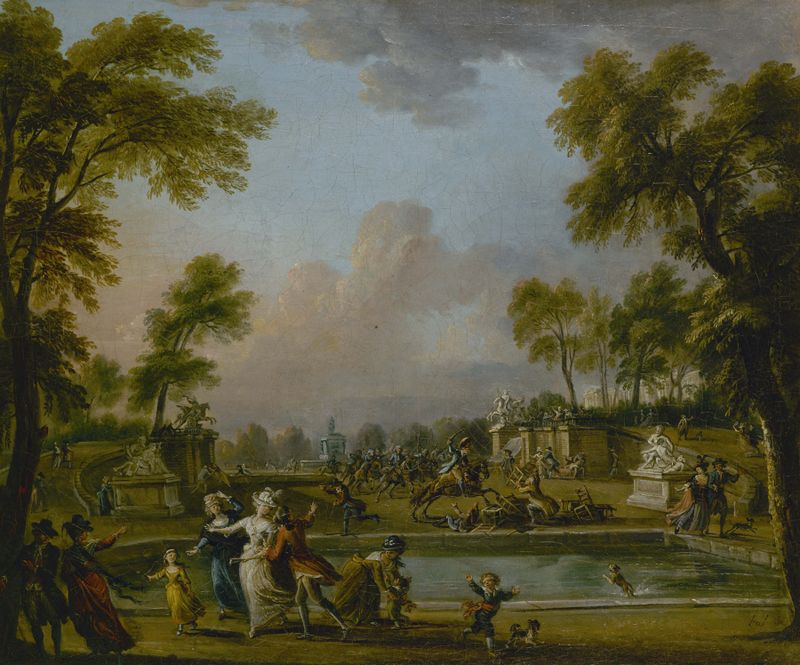
La charge du prince de Lambesc dans le jardin des Tuileries, le 12 juillet 1789
Jean-Baptiste Lallemand
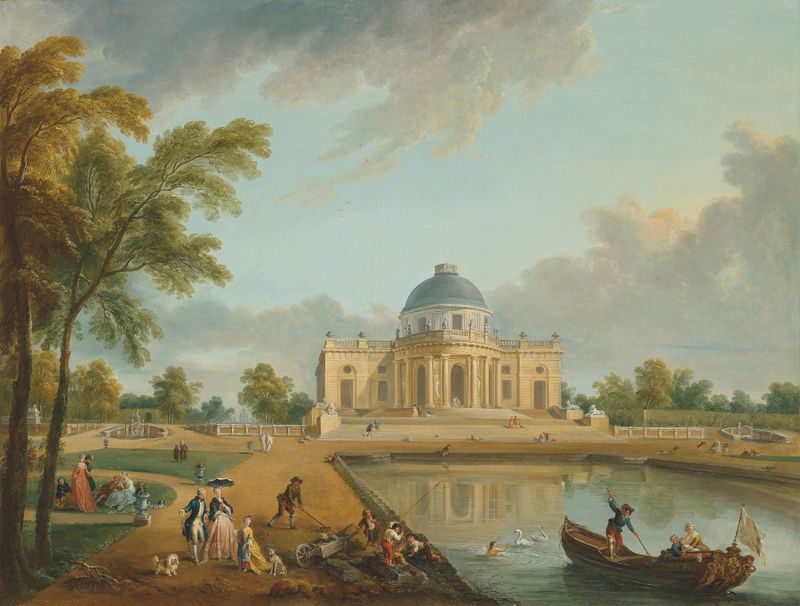
The east side of the Château de Montmusard, Dijon, seen from the gardens
Jean-Baptiste Lallemand
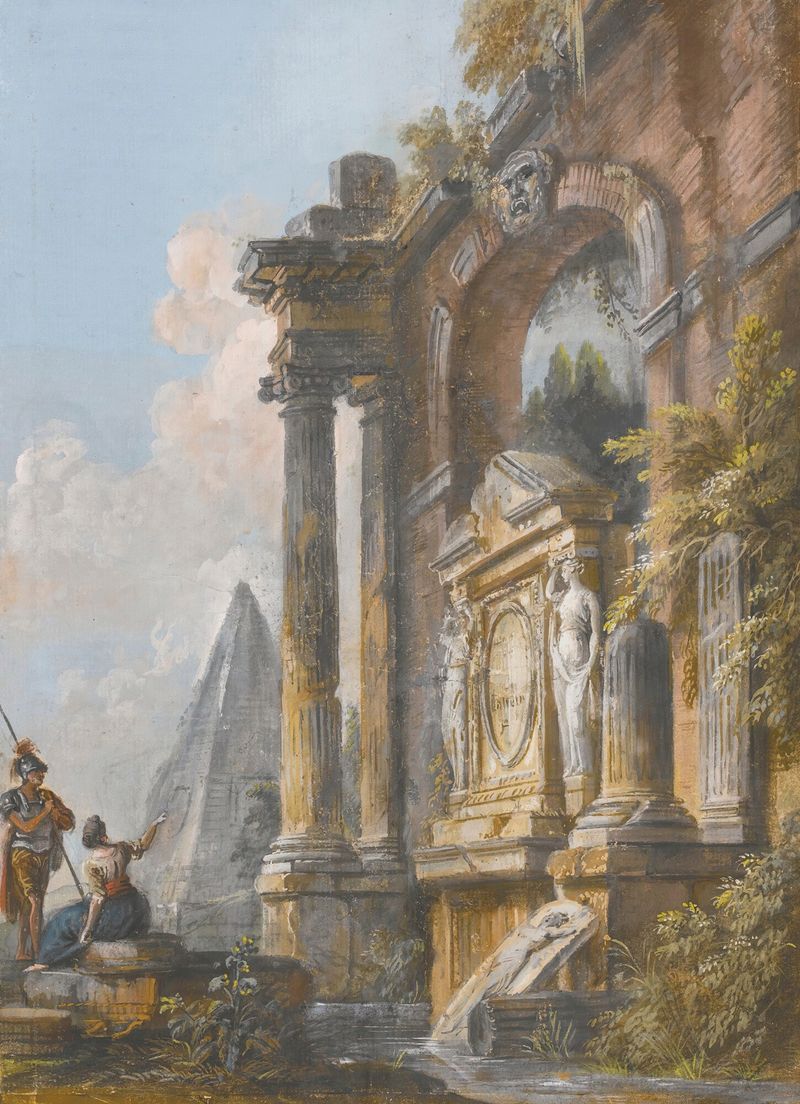
A View Of The Pyramid Of Caius Cestius And Ancient Ruins With A Soldier And Young Lady In The Foreground
Jean-Baptiste Lallemand
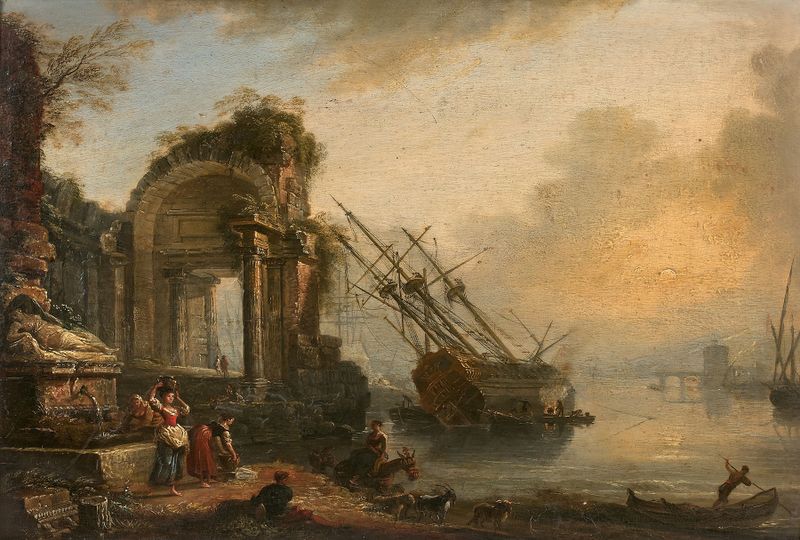
Littoral animé de personnages au Levant et Littoral animé de personnages au couchant
Jean-Baptiste Lallemand
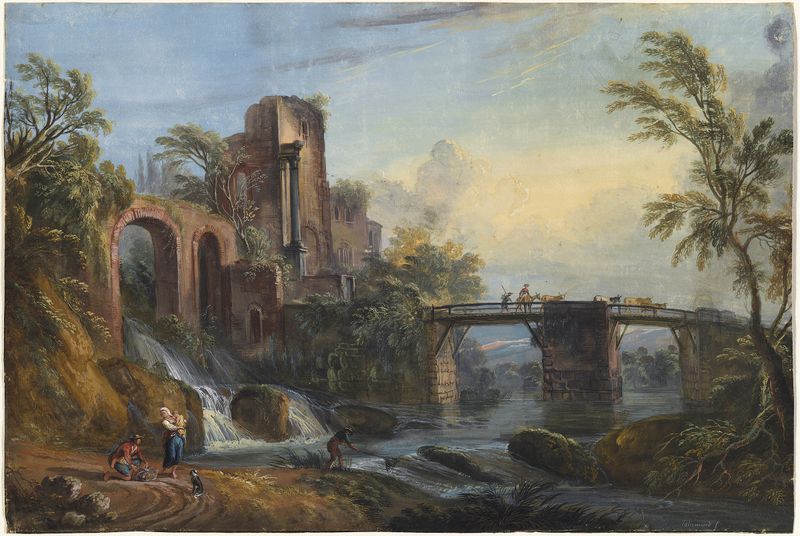
Dawn Landscape with Classical Ruins
Jean-Baptiste Lallemand
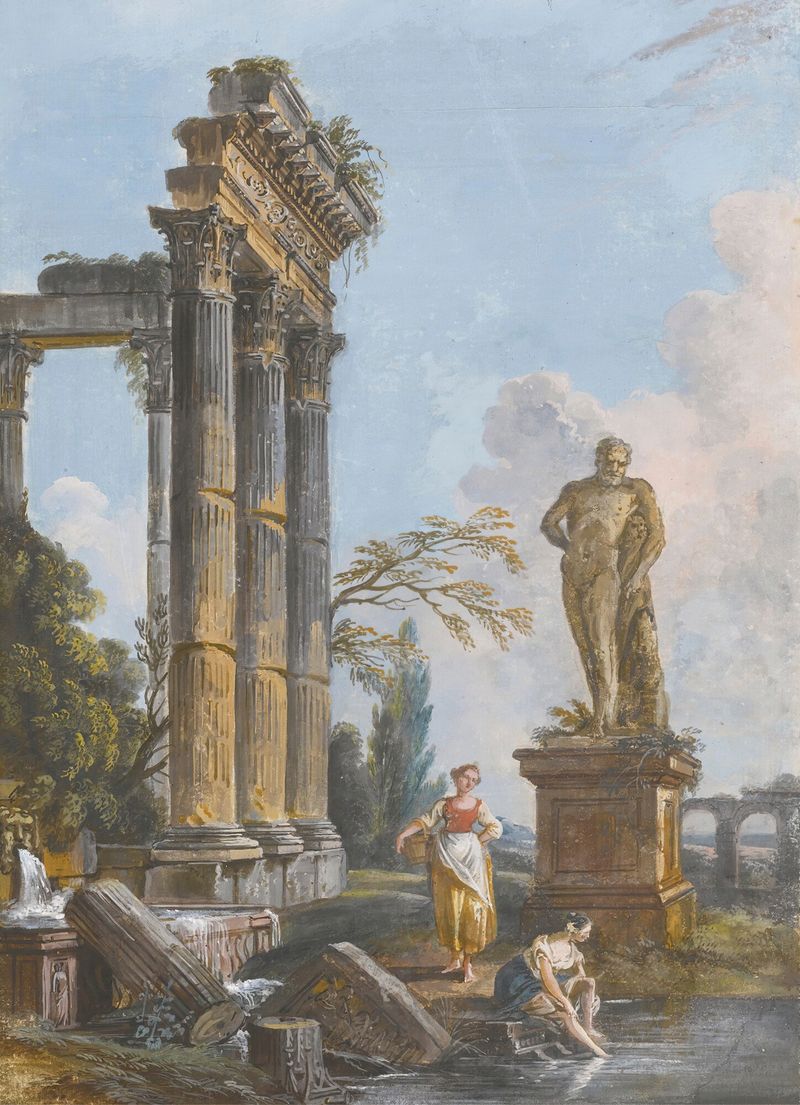
A View Of A Ruined Temple With Washerwomen
Jean-Baptiste Lallemand
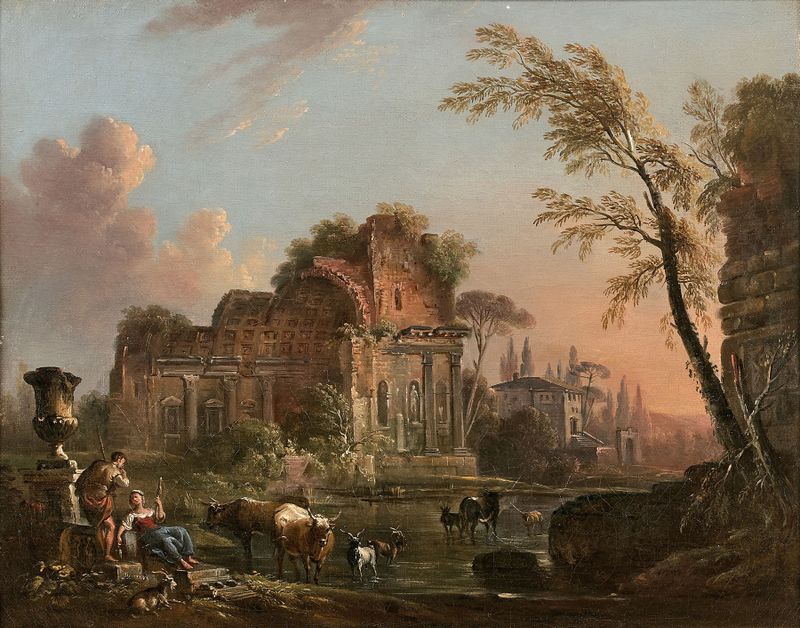
Bergers près de ruines antiques dans un paysage
Jean-Baptiste Lallemand





