La Petite Cascade — History & Facts
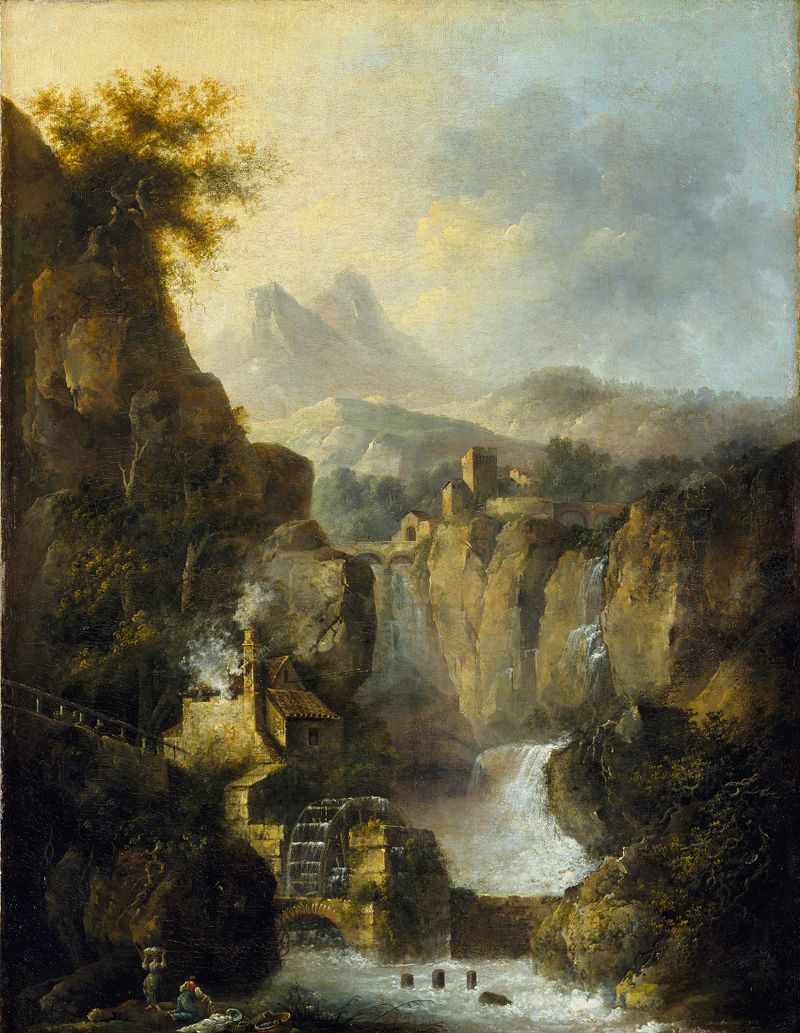
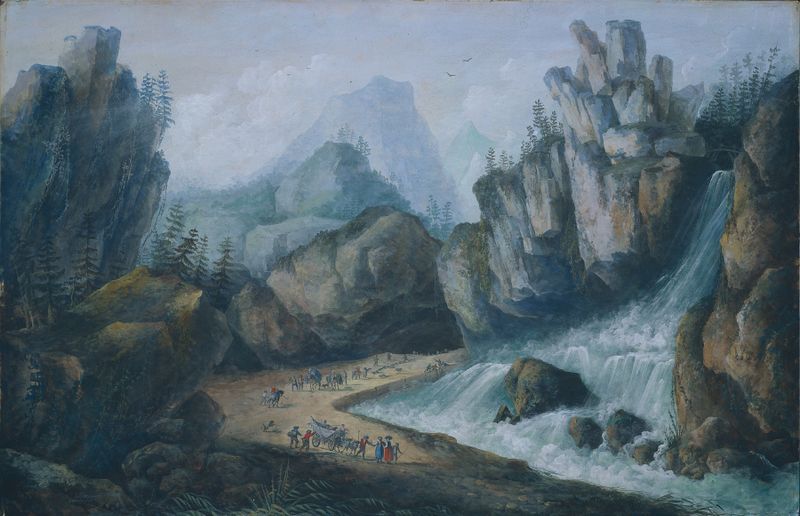
Is this a mirror — or a memory? In La Petite Cascade, a delicate interplay of water and light invites viewers to contemplate the transient nature of existence and the inevitable pull of destiny. Look to the left at the tranquil waterfall cascading over jagged rocks, the rushing water captured in a moment of serene motion. The soft, verdant greens of the foliage contrast beautifully with the crystalline blues of the water, evoking a sense of harmony. Notice how the sunlight filters through the leaves, illuminating the scene with a gentle glow, highlighting the textures of the rocks and the shimmering surface of the water.
Each brushstroke reveals Belanger’s mastery in depicting nature's beauty, almost as if inviting the viewer into this idyllic paradise. The painting suggests an emotional tension between the permanence of nature and the fleeting moments of life. The waterfall symbolizes the unstoppable passage of time, while the stillness of the surrounding landscape evokes a yearning for stability and reflection. Small details, like a lone bird perched on a branch, represent a fleeting moment frozen in time, contrasting the eternal quality of the water’s flow.
Together, they create a dialogue about destiny and the choices that shape our paths. Created in 1780, this work emerged from a period of artistic exploration in France, where the Rococo style was gradually giving way to Neoclassicism. Belanger, influenced by this shift, sought to capture the sublime beauty of nature with a clarity that reflected both personal introspection and broader cultural changes. This was a time when artists like him were redefining landscapes, merging emotion with the natural world, in a quest for authenticity and connection.