
La Place De La Basse, Vielle Tour Et Le Marché De La Place, Rue De L’épicerie — History & Facts
When did color learn to lie? In La Place De La Basse, Vielle Tour Et Le Marché De La Place, Rue De L’épicerie, vibrant pigments clash and converse, creating a vivid illusion of a world on the brink of chaos. Look to the left and observe the interplay of lush greens and soft yellows in the verdant trees that frame the bustling square. Notice how the gentle strokes form a swirl of energy, directing your gaze toward the charming market below, where figures, almost dreamlike in their simplicity, engage in trade. The dappled sunlight pierces through the foliage, casting playful shadows that lend an air of whimsy, yet also a slight unease to the scene. Deeper within the canvas, hidden tensions reveal themselves—each brushstroke suggesting the unseen bustle of life, a narrative of human connection amidst the everyday chaos.
The looming tower stands resolute against the fluidity of the market scene, a symbol of permanence contrasting with the transience of human activity. The vivid colors evoke not only the vibrancy of a lively day but also an underlying sense of disarray, as if the very essence of life is a beautiful, harmonious disorder. Created in 1929, during a transformative period in French art, the work reflects Gustave Loiseau's exploration of color and light. He painted this piece while living in a time when Impressionism was evolving, capturing the essence of life through a lens that celebrated nature and the human experience.
This was a time of experimentation, and Loiseau sought to transcend traditional representation, creating a world where color could dance, clash, and ultimately, tell stories.
More Artworks by Gustave Loiseau
Browse all →
Rue de village en Normandie
Gustave Loiseau
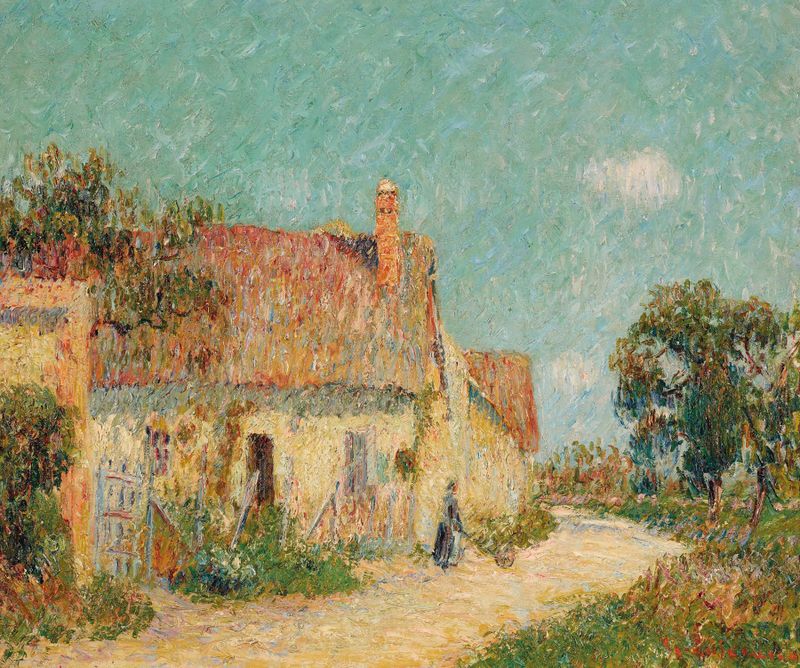
Chaumière en Normandie
Gustave Loiseau

Paysage d’Hiver à Chaponval
Gustave Loiseau
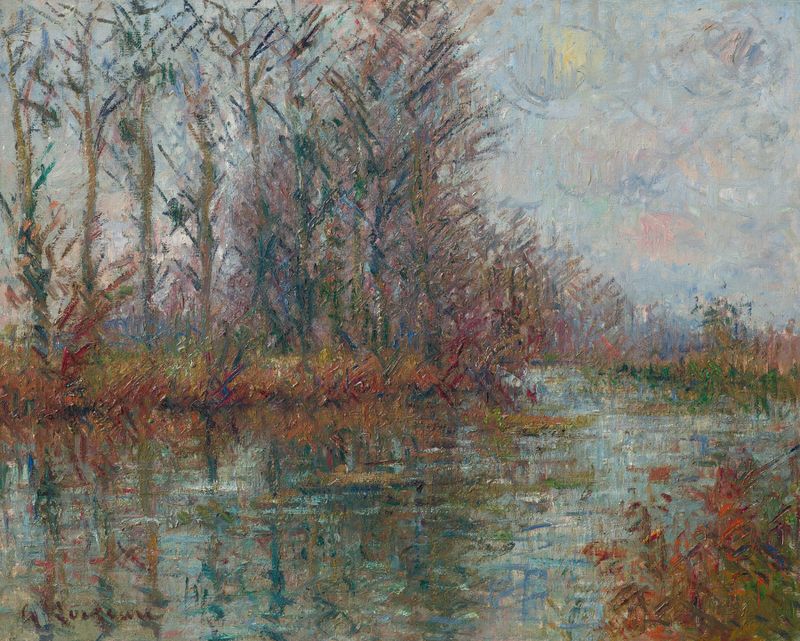
Tournant de rivière, L’Eure
Gustave Loiseau

Pont Marie, Paris
Gustave Loiseau

Le Bras De Mer
Gustave Loiseau

Le Pont Suspendu À Triel
Gustave Loiseau

Bord de la rivière
Gustave Loiseau
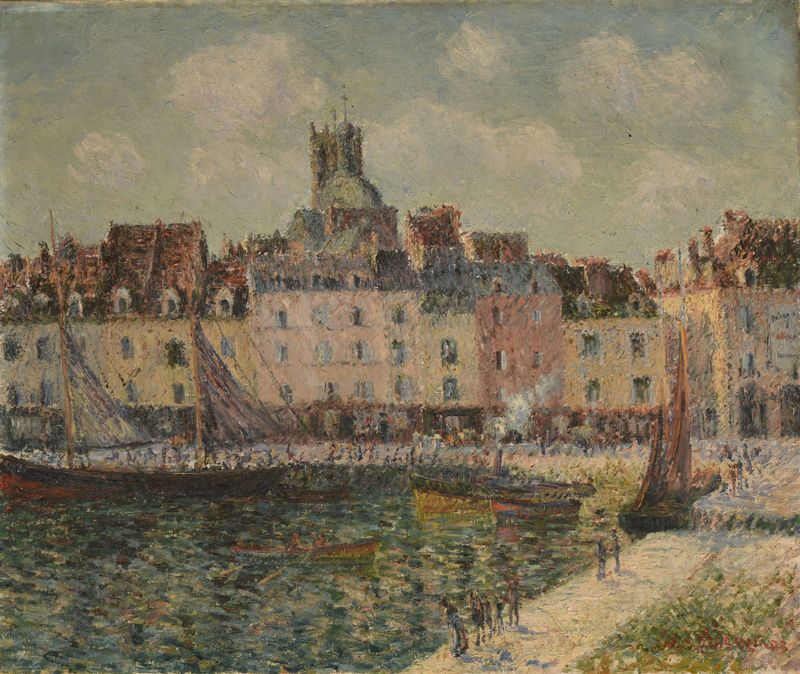
Le Quai Duquesne à Dieppe
Gustave Loiseau

Rocher la Teignouse, Cap Fréhel
Gustave Loiseau





