
La Porte Dauphine — History & Facts
Could beauty survive in a century of chaos? In La Porte Dauphine, the artist explores the fragility of tranquility amidst the tumult that surrounds us. Look to the left at the intersecting lines that create a vivid gateway, drawing the viewer into this urban landscape. The cool tones of blue and gray dominate, juxtaposed with sharp, angular shadows that suggest a moment frozen in time. Notice how the figures, rendered with bold strokes and simplified forms, seem to meld into the architecture, as if the city itself is alive yet indifferent to their presence.
The light, filtered and muted, envelops the scene, amplifying the sense of isolation felt by each passerby. Yet, beneath the surface, there is a subtle tension. The rigid geometry of the buildings contrasts with the fluidity of the figures, hinting at an underlying madness just beyond this serene facade. The quietness of the scene belies a deeper emotional unrest, suggesting the potential for chaos lurking in the corners of this seemingly peaceful moment.
This duality speaks to the existential struggle of humanity in an era rife with uncertainty and change. Painted in 1922, Vallotton's work emerged during a period of significant upheaval in Europe post-World War I. Living in Paris at the time, the artist was grappling with the shifting tides of modernism and the impact of war on society. In La Porte Dauphine, he captures not just the physical landscape, but the collective emotional state of a world transitioning from the horrors of conflict to the quest for beauty and meaning amidst the madness.
More Artworks by Félix Vallotton
Browse all →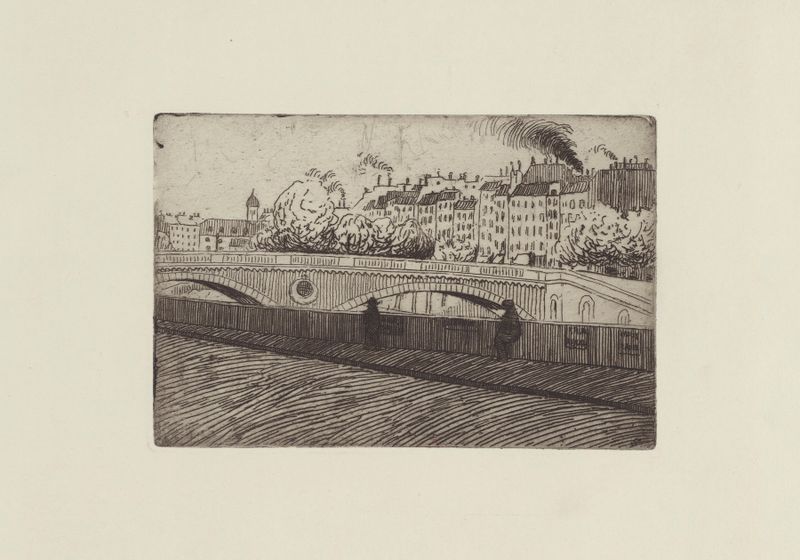
Le pont St Michel
Félix Vallotton
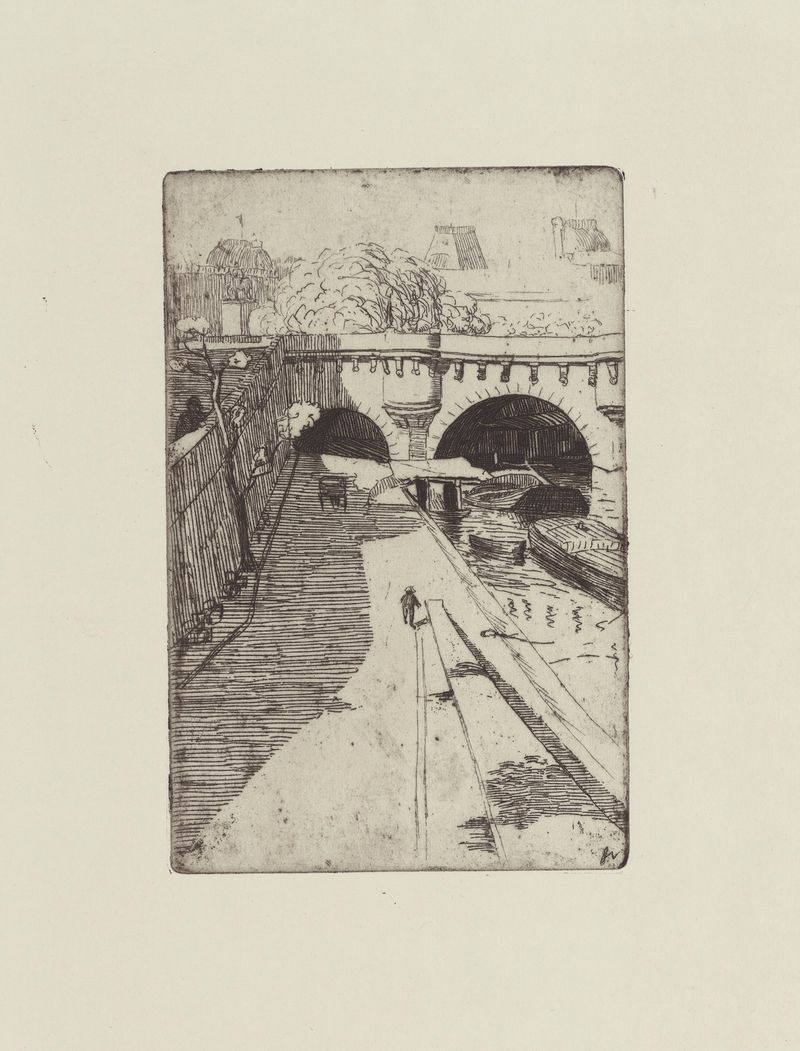
Le Vert-Galant
Félix Vallotton
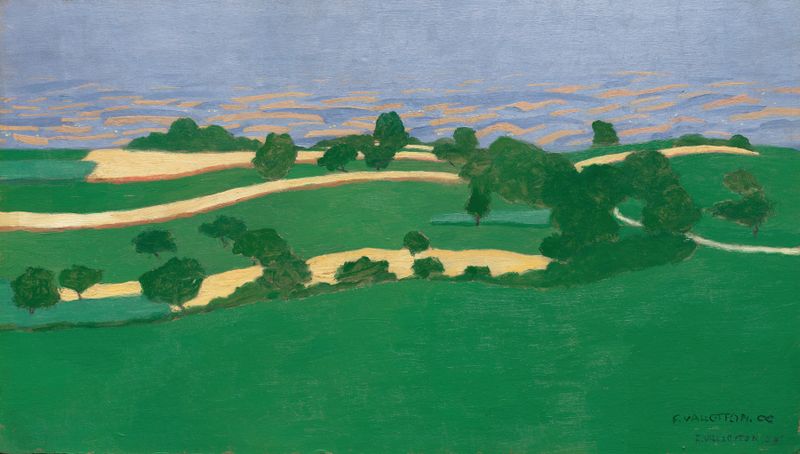
Corn Fields
Félix Vallotton
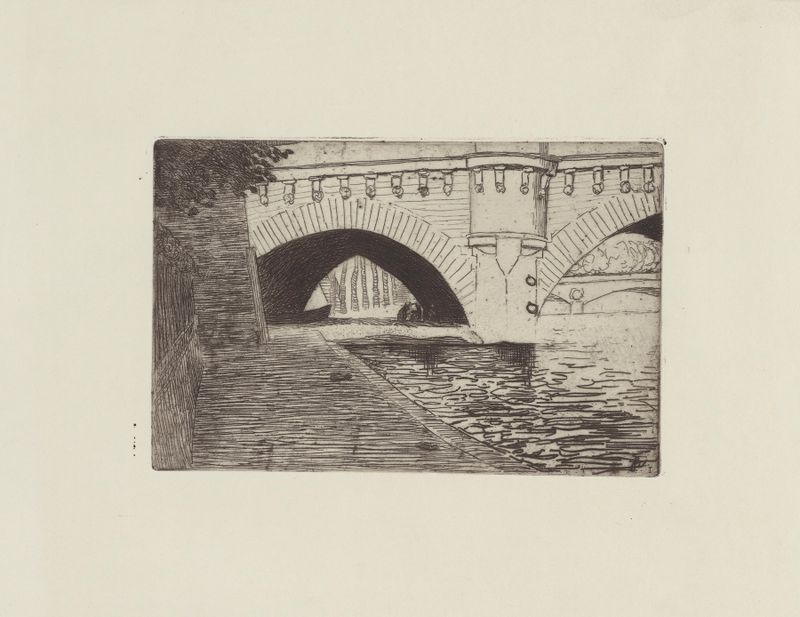
Le Pont-Neuf et le pont St Michel
Félix Vallotton
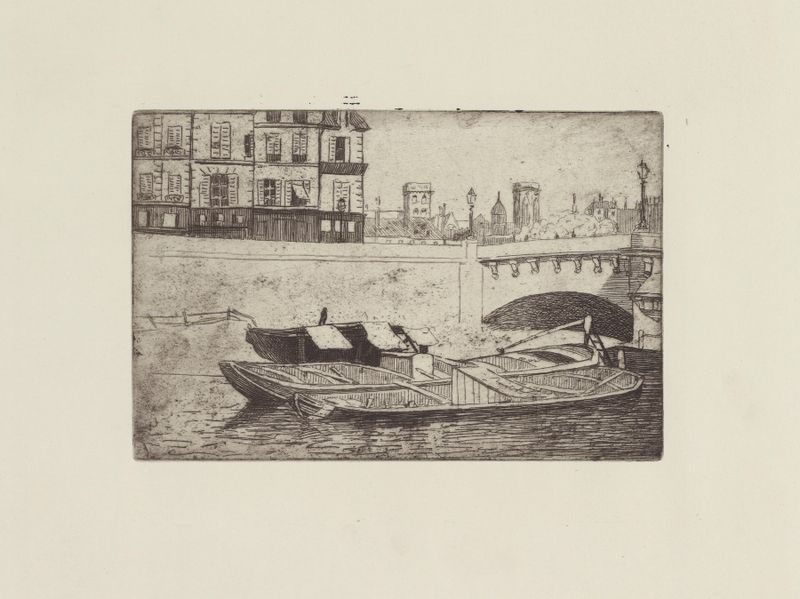
Péniches au Pont-Neuf
Félix Vallotton
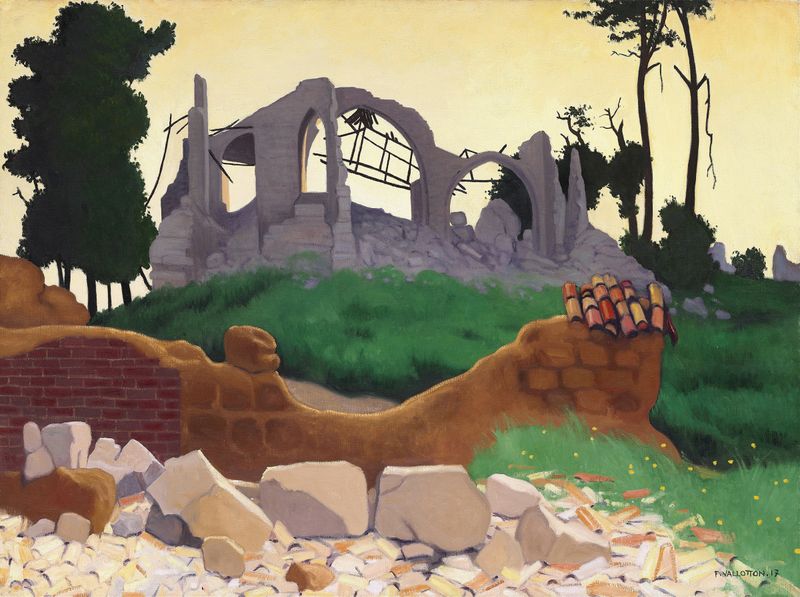
The Church of Souain
Félix Vallotton
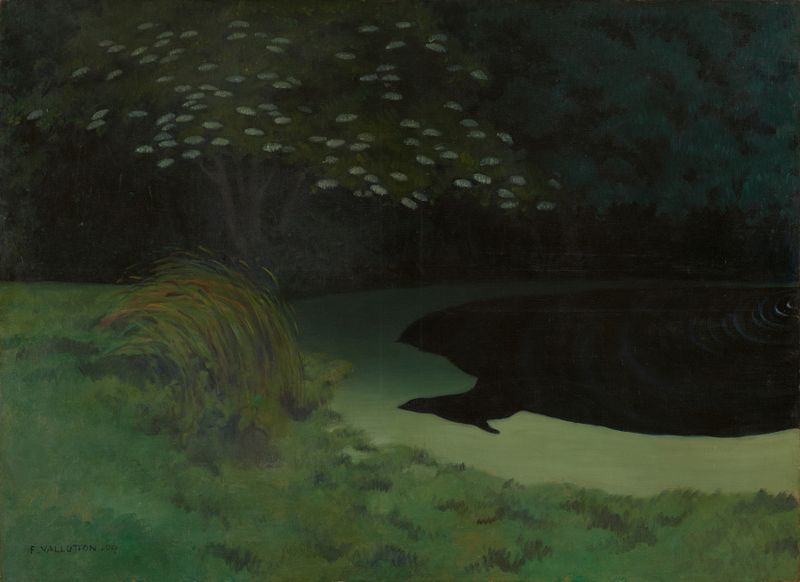
The Pond (Honfleur)
Félix Vallotton
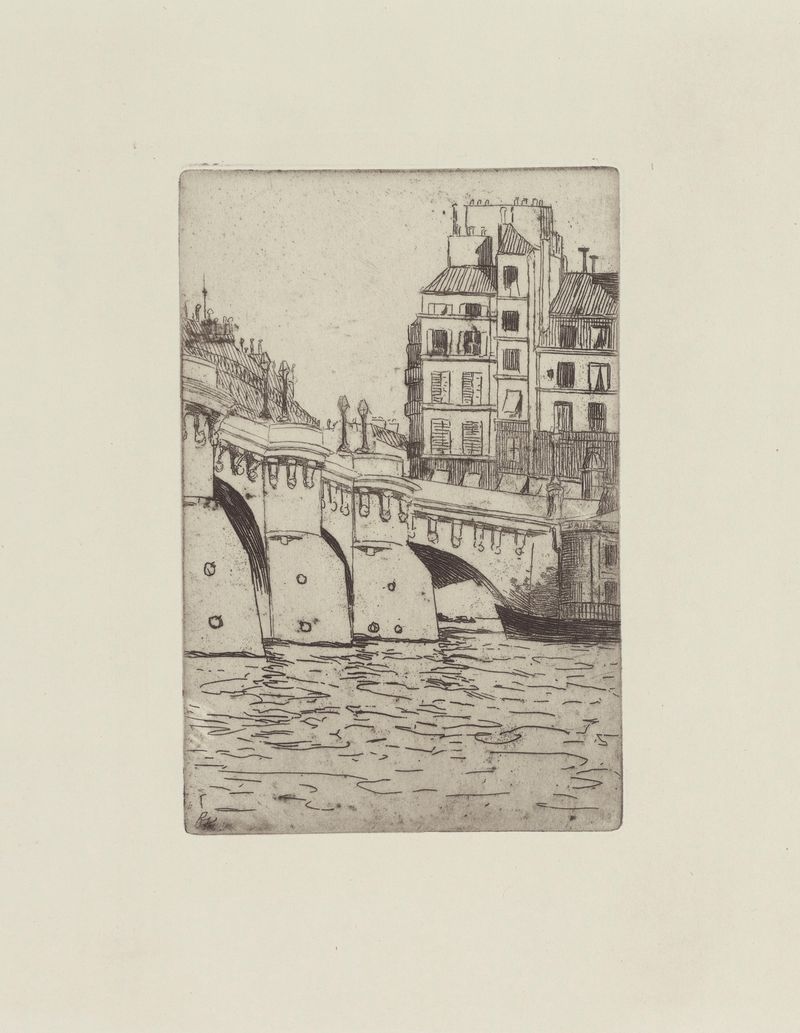
Les bains du Pont-Neuf
Félix Vallotton
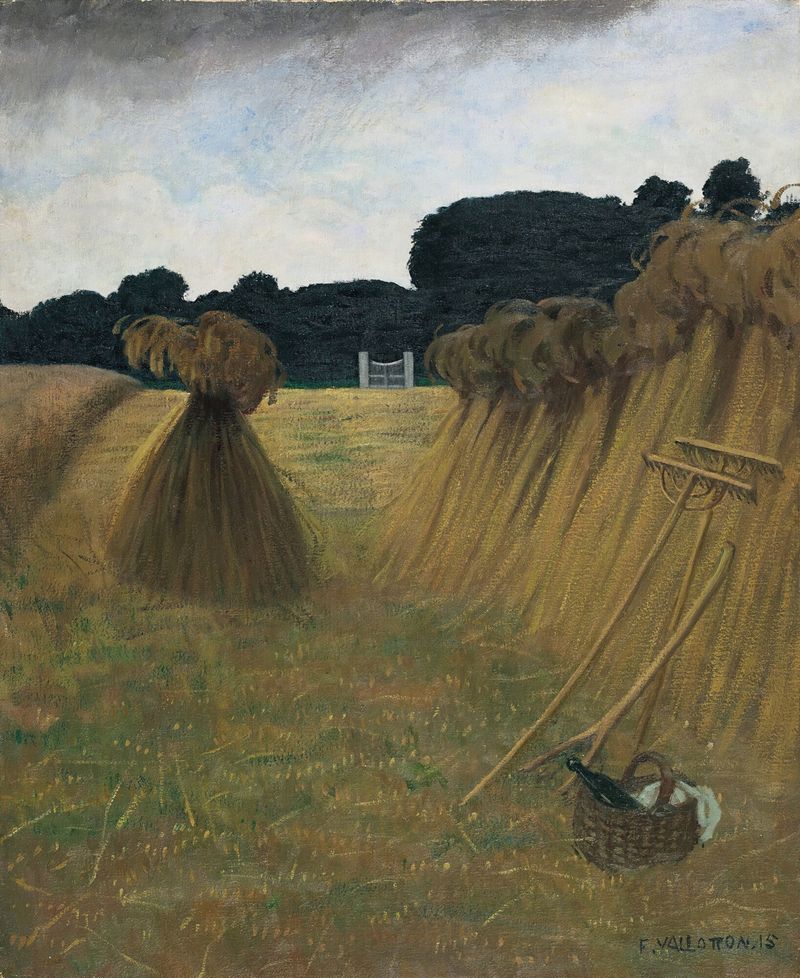
The Sheaves
Félix Vallotton
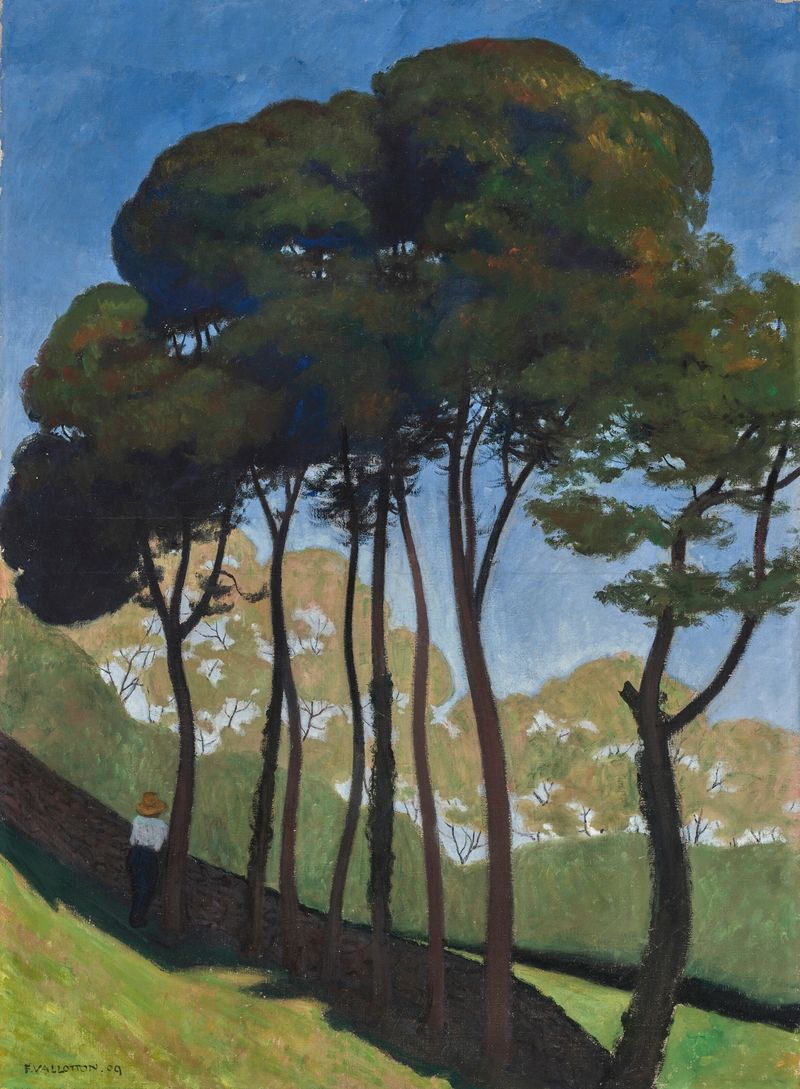
Les Grands Arbres, environs d’Honfleur
Félix Vallotton





