Discover insights about this artwork
La Route tournante en sous-bois — History & Facts
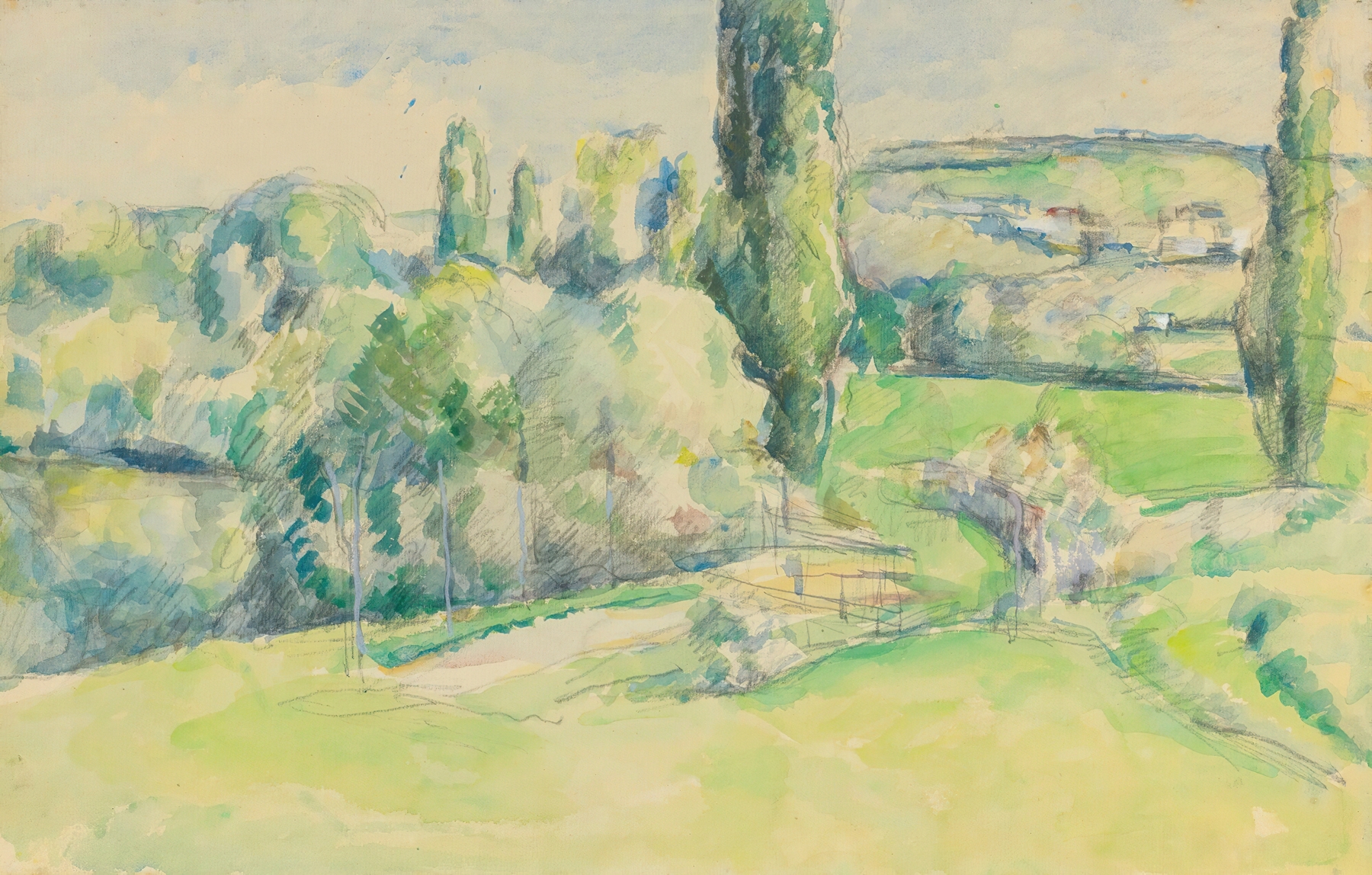
In La Route tournante en sous-bois, Paul Cézanne captures a winding road nestled among dense trees. The painting features a rich palette of greens, browns, and hints of blue sky peeking through the foliage. The road, curving gently, invites the viewer into the serene woodland setting.
The brushwork is expressive, conveying the texture of the leaves and the earth beneath. The painting is executed in oil on canvas, showcasing Cézanne's signature brushstroke technique. The composition is carefully structured, with the road leading the eye through the scene. The use of color is both vibrant and harmonious, reflecting Cézanne's innovative approach to landscape painting.
The dimensions are approximately 65 x 81 cm, making it a medium-sized work that draws attention. Paul Cézanne, a pivotal figure in the transition from Impressionism to Post-Impressionism, created this work during the late 19th century. La Route tournante en sous-bois exemplifies his exploration of form and color, emphasizing the underlying structure of nature. An interesting fact about this painting is that it reflects Cézanne's desire to depict the essence of the landscape rather than a mere representation.
His works have had a lasting influence on modern art, paving the way for future movements.
More Artworks by Paul Cézanne
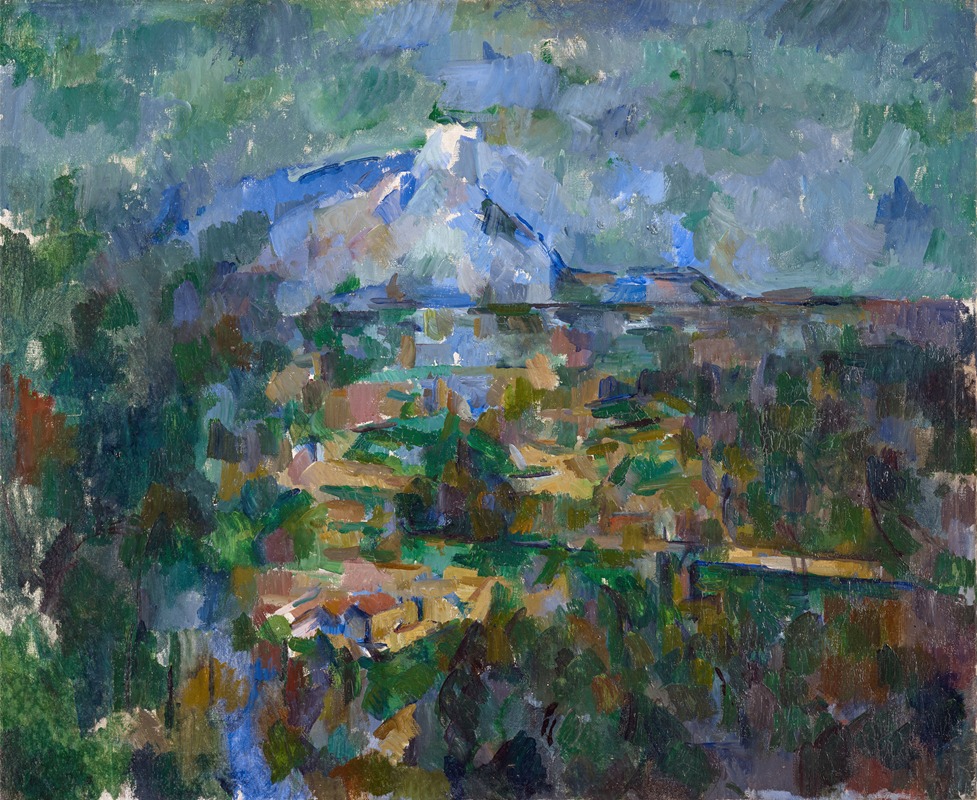
The Mont Sainte-Victoire Seen From Les Lauves
Paul Cézanne
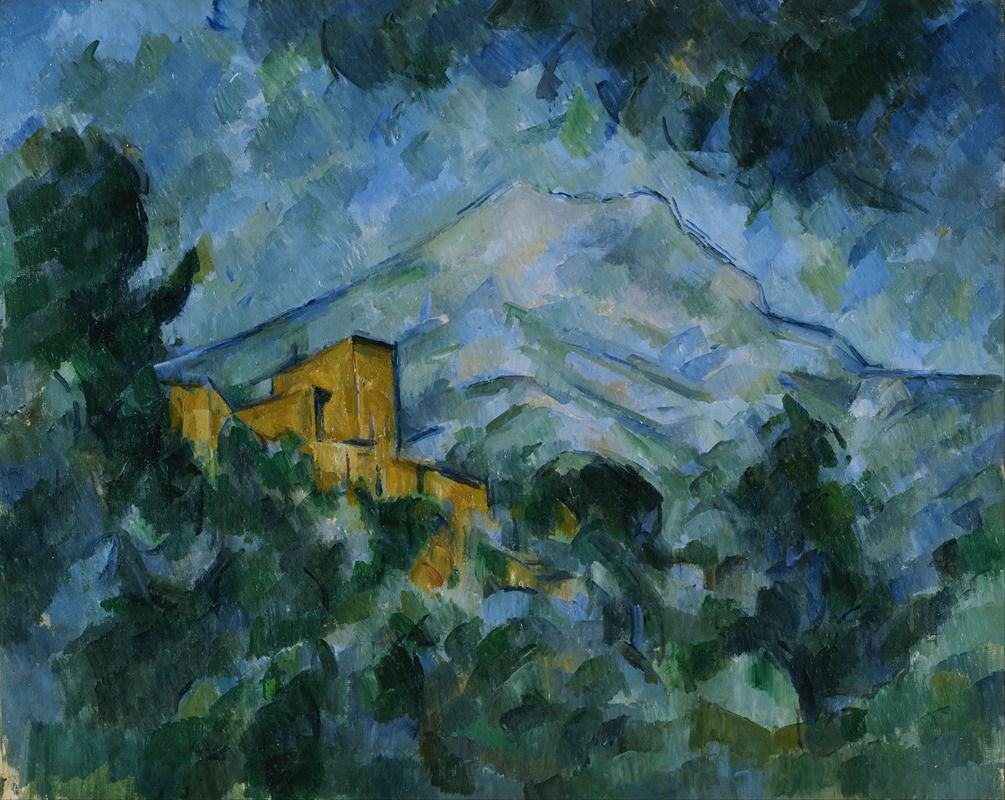
Mont Sainte-Victoire and Château Noir
Paul Cézanne
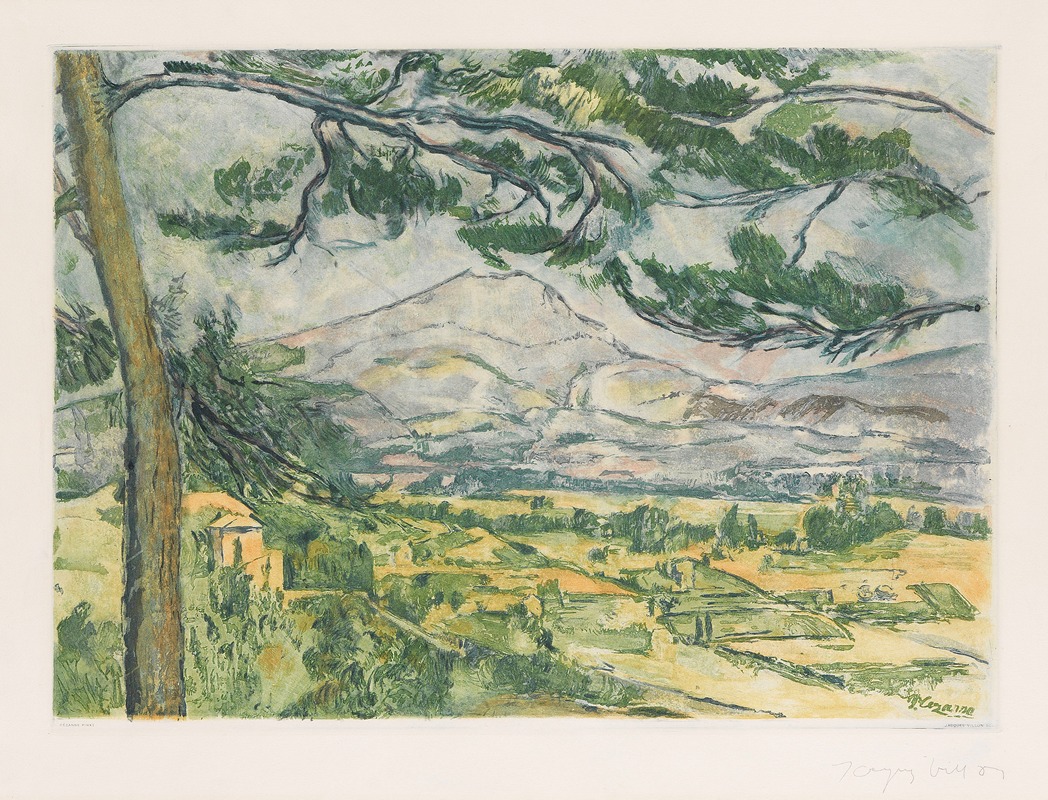
La Montagne Sainte-Victoire
Paul Cézanne
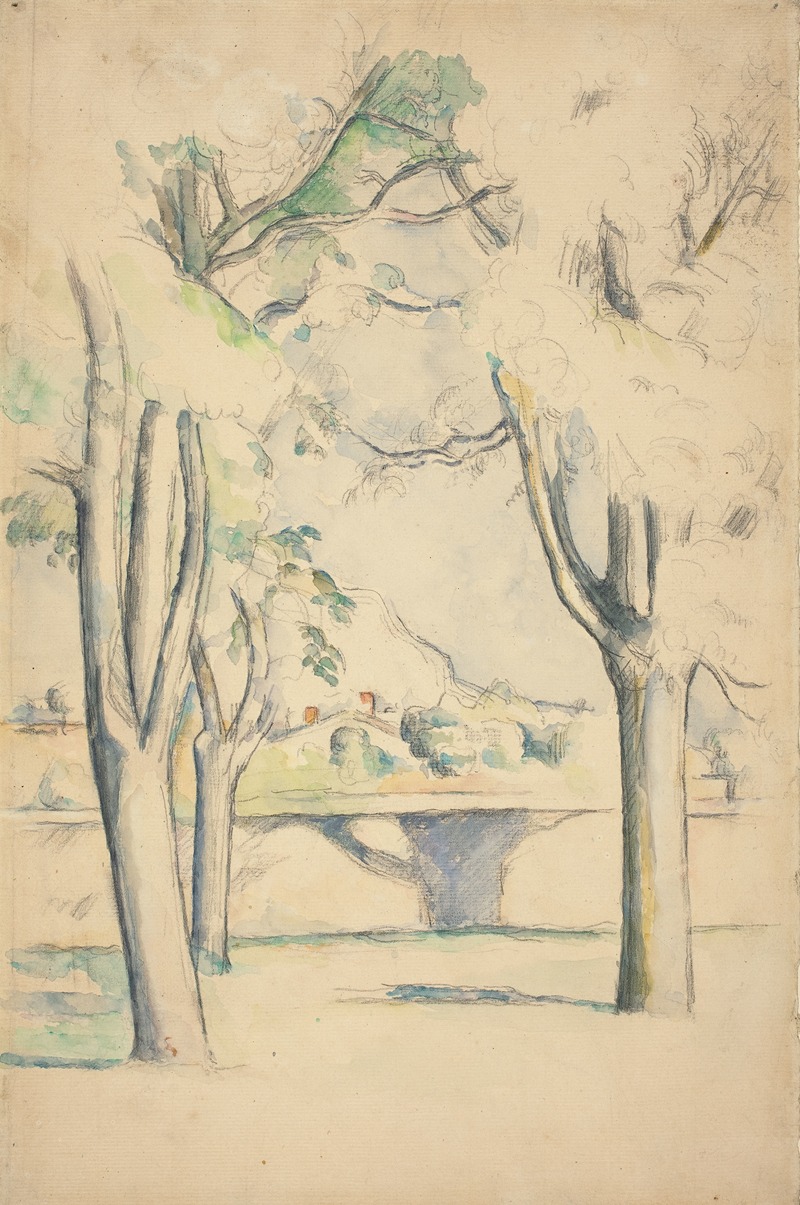
Mont Sainte-Victoire Seen beyond the Wall of the Jas de Bouffan
Paul Cézanne
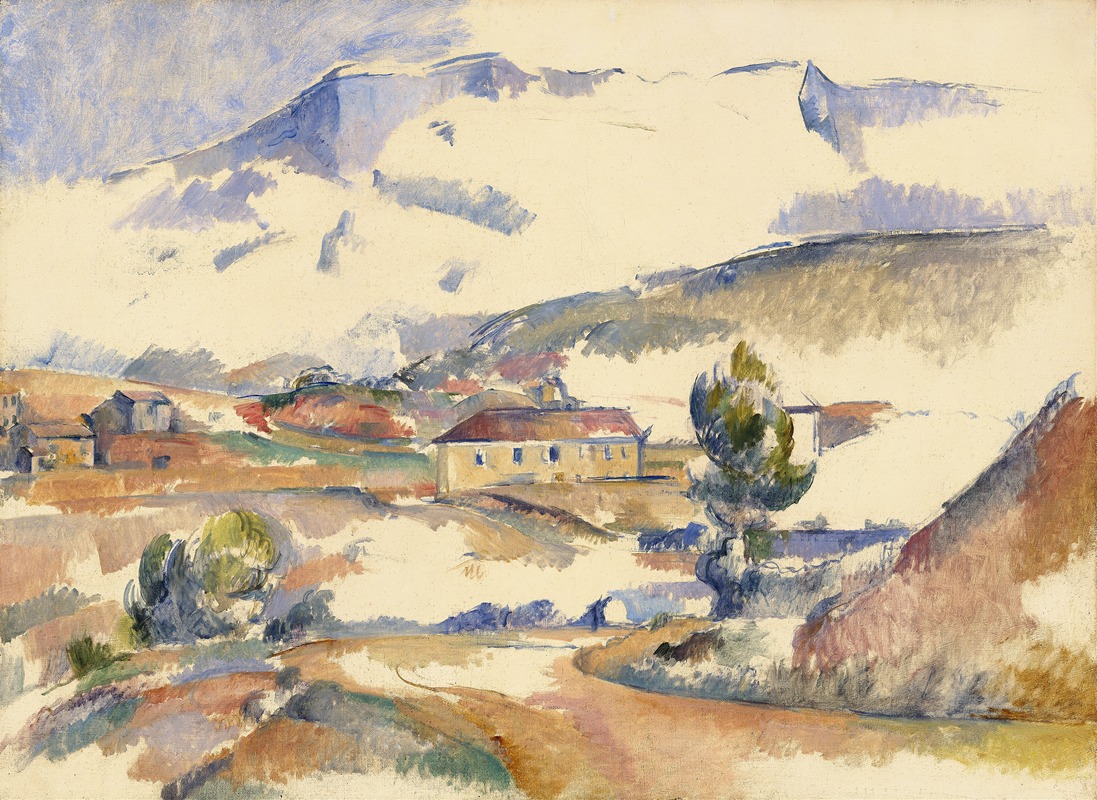
Montagne Sainte-Victoire,from near Gardanne
Paul Cézanne
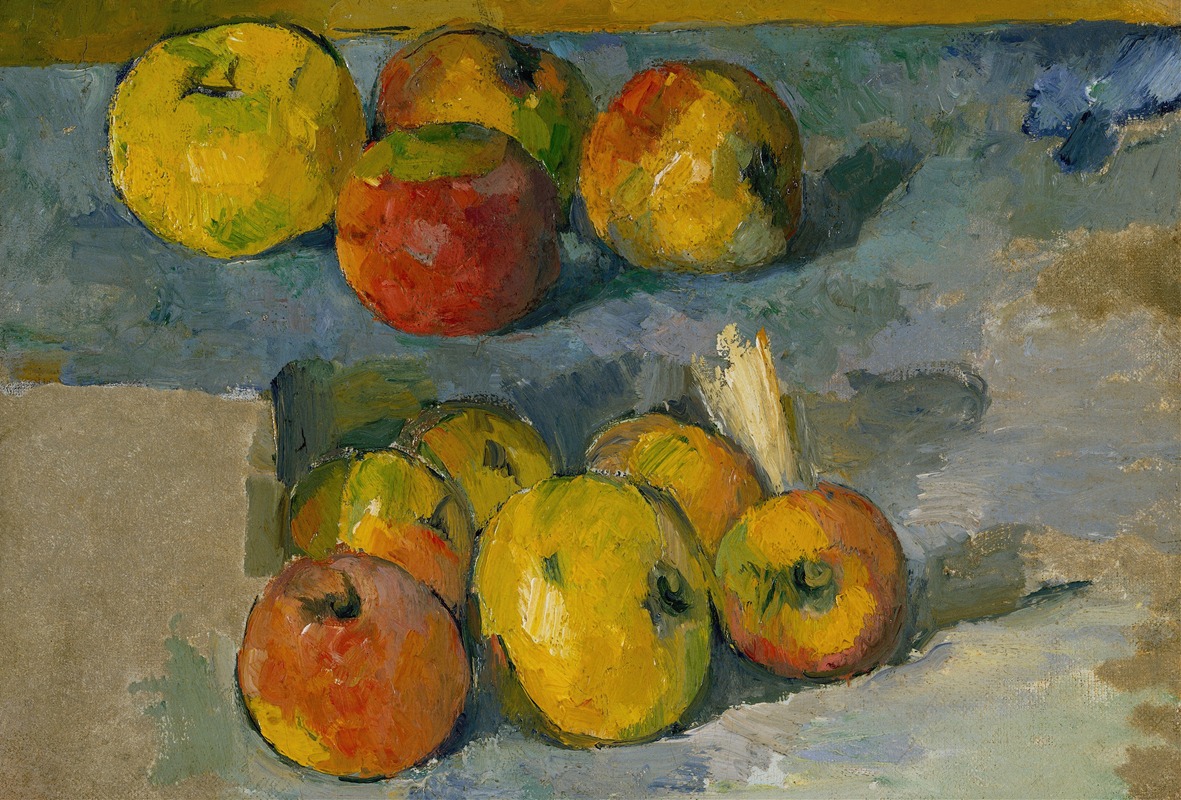
Apples
Paul Cézanne
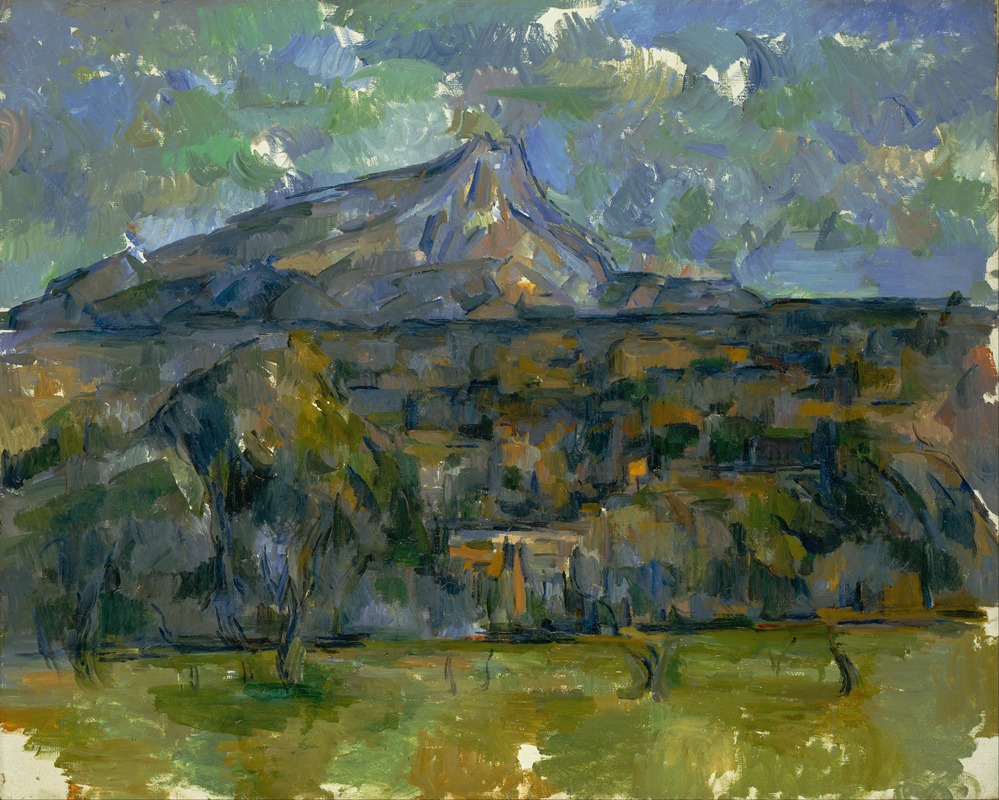
Mont Sainte-Victoire
Paul Cézanne
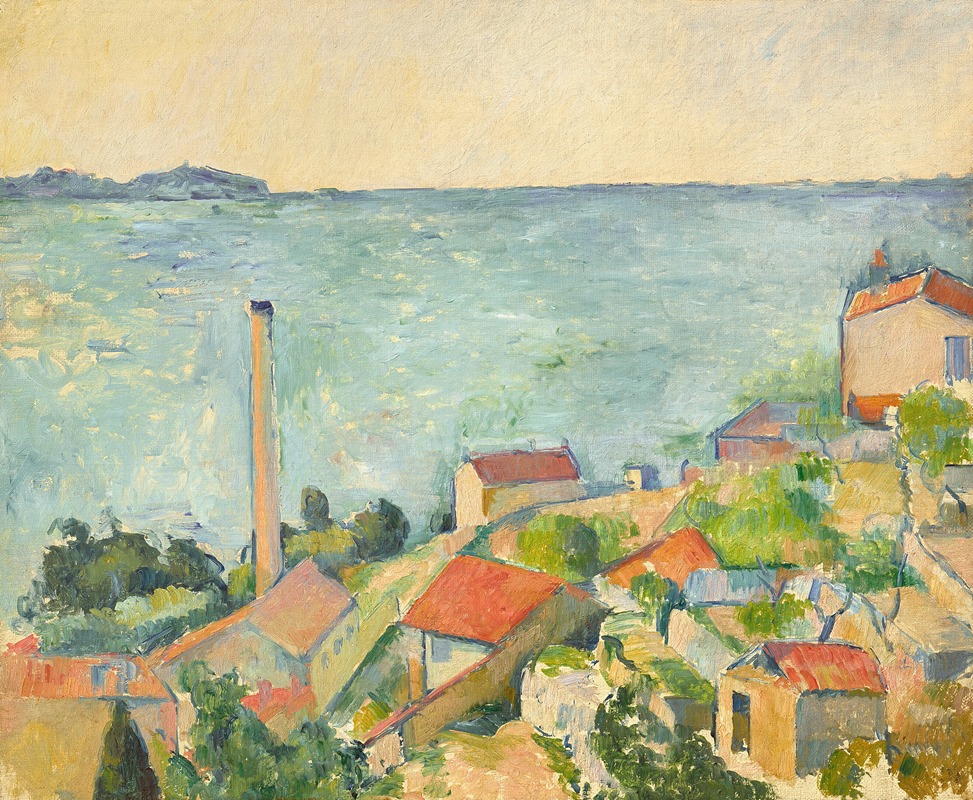
La mer à l’Estaque
Paul Cézanne
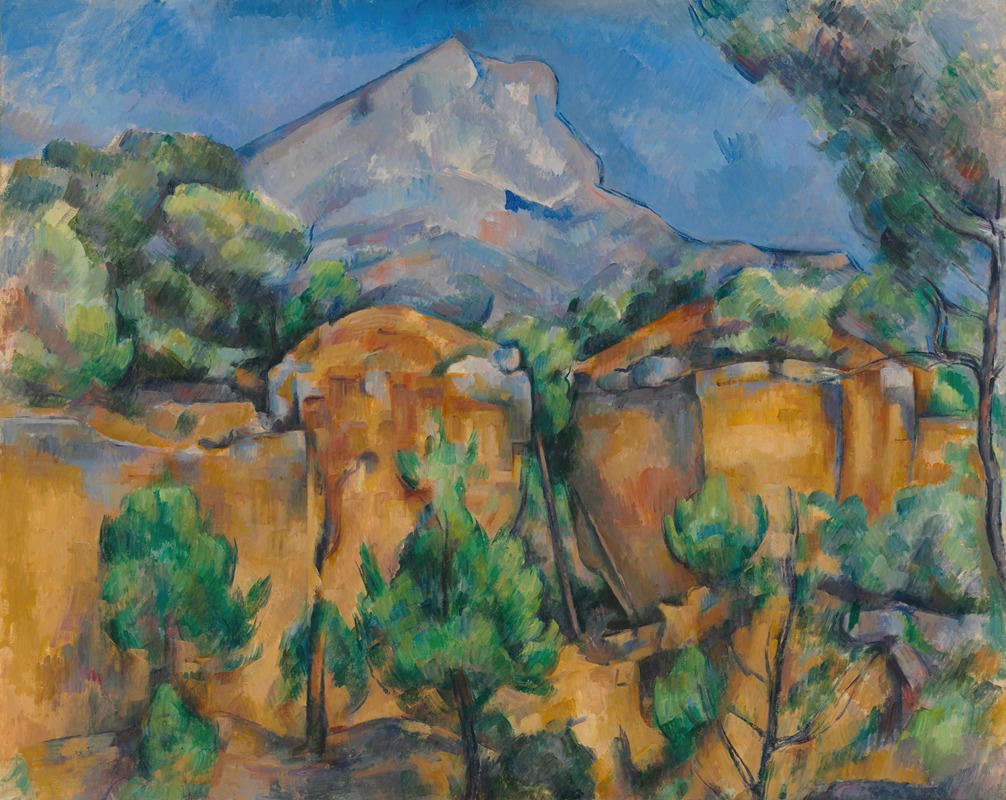
La Montagne Sainte-Victoire vue de la carrière Bibémus
Paul Cézanne
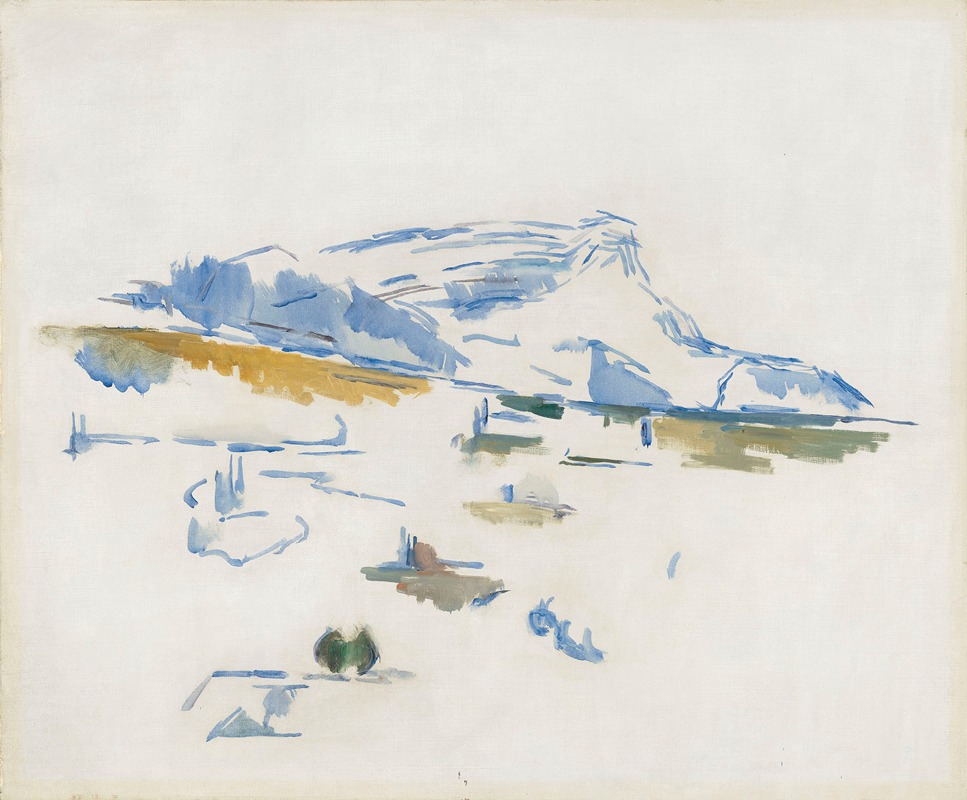
La Montagne Sainte-Victoire vue des Lauves
Paul Cézanne