
La rue de Castiglione — History & Facts
In the stillness of a moment, art becomes a mirror reflecting our most profound truths, and within this stillness lies the undeniable specter of mortality. Giuseppe Canella captures the essence of life, framed between the vibrancy of the streets and the quiet inevitability of time. Look to the left at the soft glow illuminating the cobblestone pathway, where golden light dances across the textured surface. The figures within the scene are almost ethereal, their outlines softened by the atmospheric perspective that draws the eye deeper into the street.
Notice the muted palette, dominated by warm ochres and cool blues, which evokes a sense of nostalgia and impermanence, while the gentle play of shadows adds layers of depth, suggesting the fleeting nature of each moment. Embedded within the scene are emotional tensions that speak of isolation amidst the bustle—a lone figure leans against a wall, seemingly lost in thought, while others drift by, oblivious. This contrast between engagement and solitude mirrors our own lives, caught in the constant dance of connection and separation. The meticulous details, like the crumbling architecture and fleeting gestures of the passersby, serve as a poignant reminder of the passage of time and the transient nature of existence. In 1829, Canella painted this evocative scene in Paris, during a time when the city was a hub of artistic innovation and social change.
The Romantic movement was in full swing, as artists began to explore themes of individual experience and emotional depth. Canella, influenced by the vibrant life around him and his own reflections on mortality, masterfully integrated these elements, creating a piece that resonates with the echoes of time, urging us to consider our place within it.
More Artworks by Giuseppe Canella
Browse all →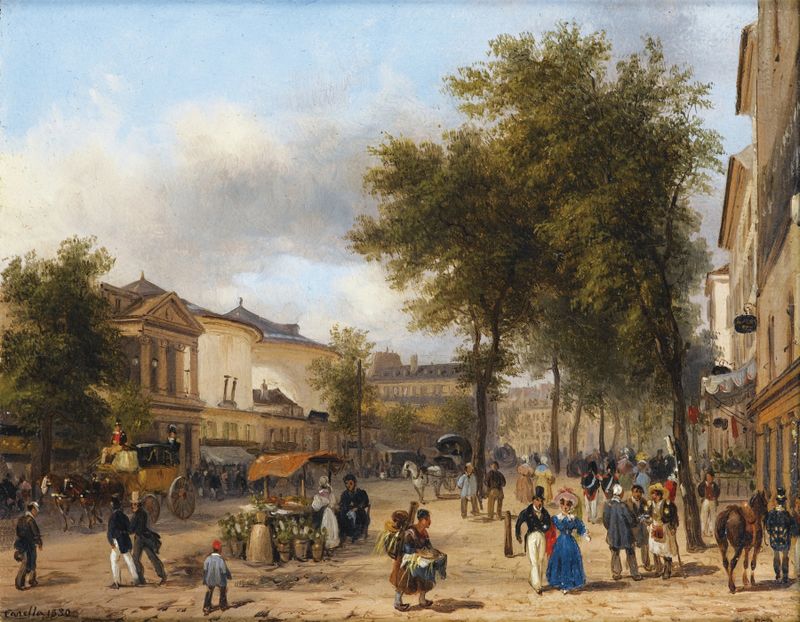
Paris, Vue du Théâtre des Variétés sur le Boulevard Montmartre
Giuseppe Canella

L’Hôtel de Ville et la place de Grève, vus de l’Ile de la Cité
Giuseppe Canella
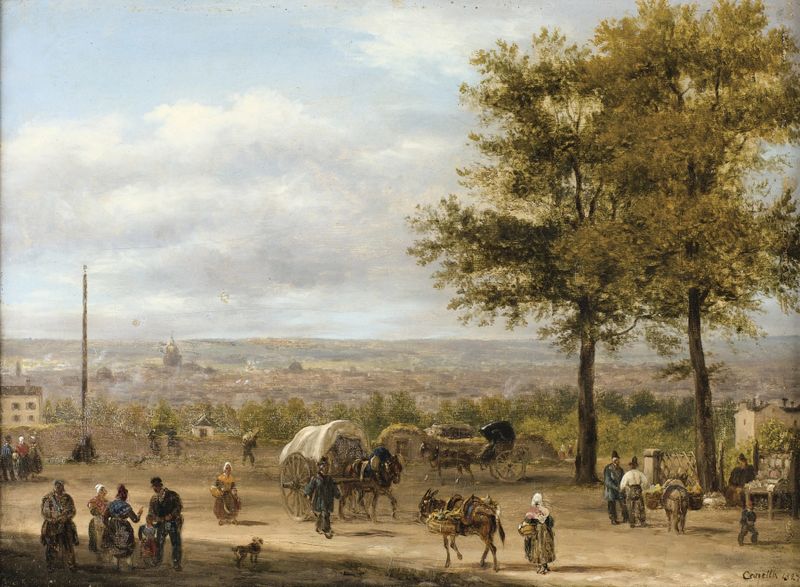
Vue des hauteurs de Paris
Giuseppe Canella
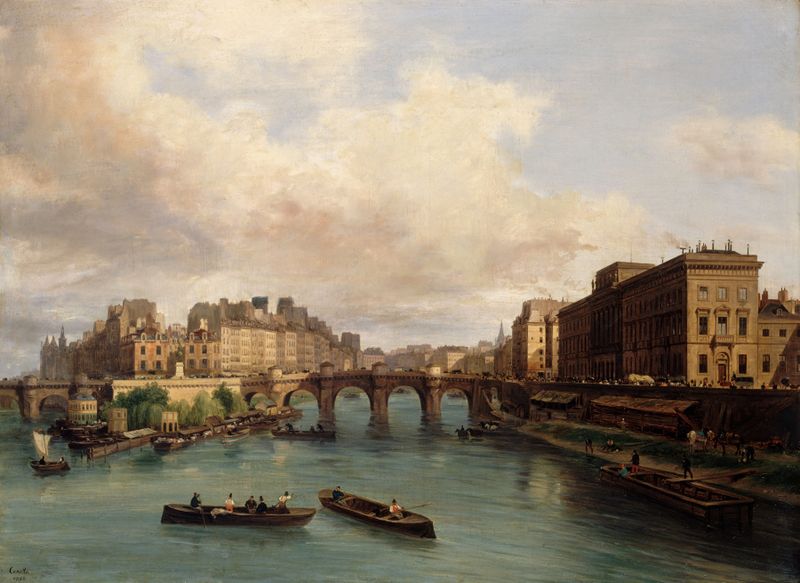
L’Ile de la Cité et le quai Conti, vus de la passerelle des Arts
Giuseppe Canella

Amsterdam, A View of the Royal Palace
Giuseppe Canella

Les Halles et la rue de la Tonnellerie
Giuseppe Canella
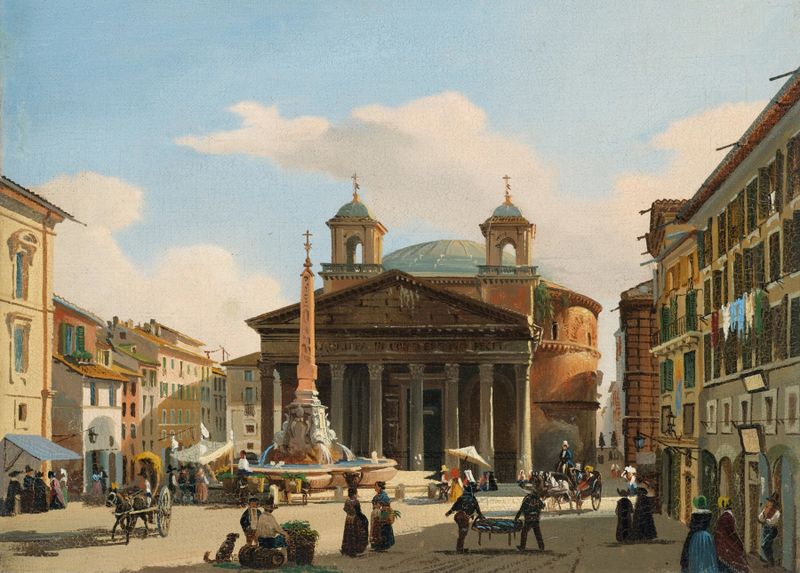
Vue du Panthéon à Rome
Giuseppe Canella
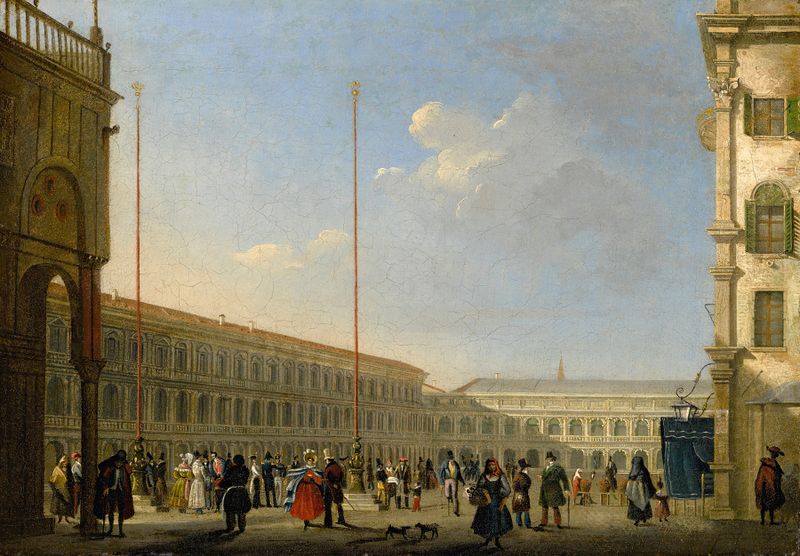
Venice, A View Of Piazza San Marco From Piazzetta Dei Leoncini
Giuseppe Canella
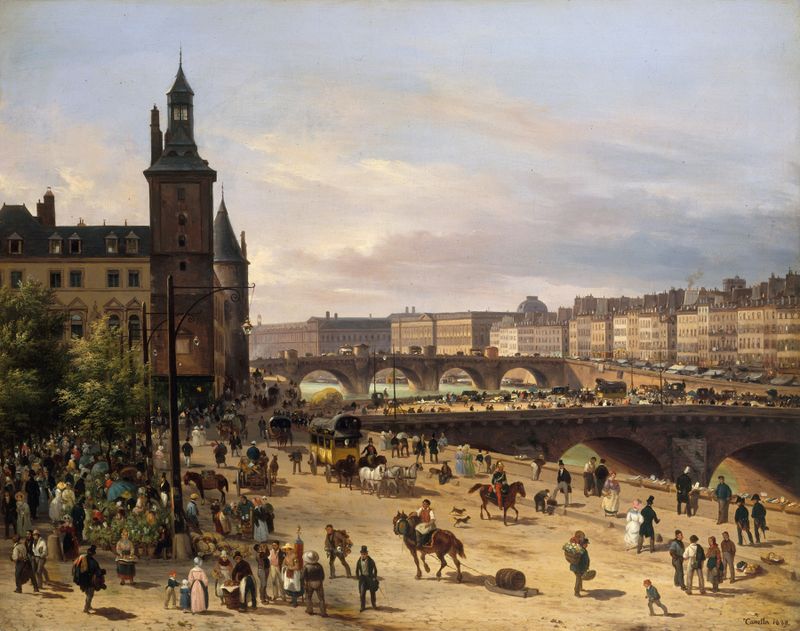
Le marché aux fleurs, la Tour de l’Horloge, le Pont au Change et le Pont-Neuf
Giuseppe Canella
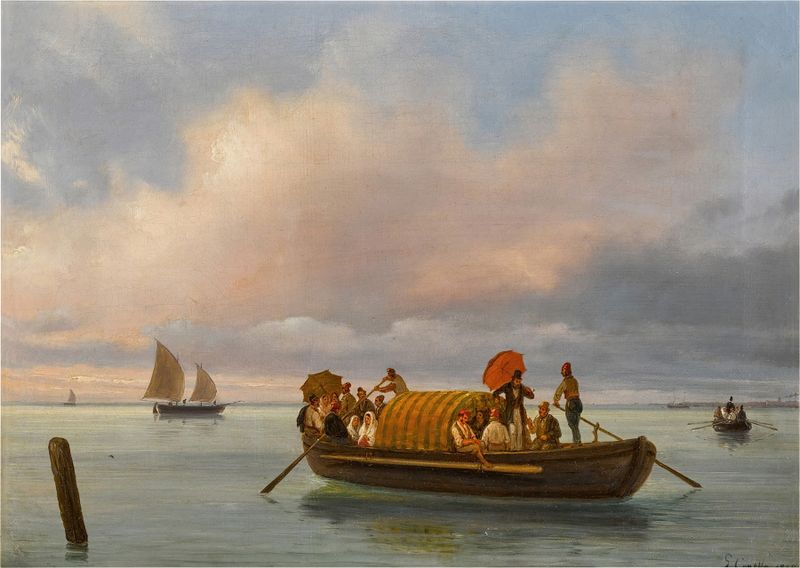
A Venetian scene with a gondola on a lagoon
Giuseppe Canella





