
La Seine Au Bas-Meudon — History & Facts
Can paint confess what words never could? In La Seine Au Bas-Meudon, the delicate strokes and muted palette evoke a sense of decay that whispers stories of time slipping away. Look to the left, where soft greens blend into the quiet blues of the river, inviting your gaze to drift along the gentle current. Notice how Sisley masterfully captures the play of light on the water's surface, the shimmering reflections echoing the fleeting moments of nature. The composition is anchored by a cluster of trees that frame the scene, their leaves hinting at the slow passage of the seasons, while the hazy horizon lingers, blurring the boundary between earth and sky. Within this serene landscape lies a tension between tranquility and transience.
The subtle decay of the vibrant hues suggests a world in transition, where the vibrancy of life is gently yielding to the inevitable march of time. The almost dreamlike quality of the painting invites contemplation, urging us to ponder not just the beauty of the scene but the impermanence that underlies it, a reminder that even the most picturesque moments are tinged with the inevitability of change. Created between 1878 and 1879, this work emerged during a transformative period for the artist, who was navigating both personal trials and the broader Impressionist movement. Living in the suburbs of Paris, Sisley was deeply influenced by the evolving artistic landscape, capturing the essence of his surroundings while grappling with the challenges of his own life.
The painting reflects not only a dedication to capturing light and atmosphere but also a profound engagement with the theme of decay that permeated the world around him.
More Artworks by Alfred Sisley
Browse all →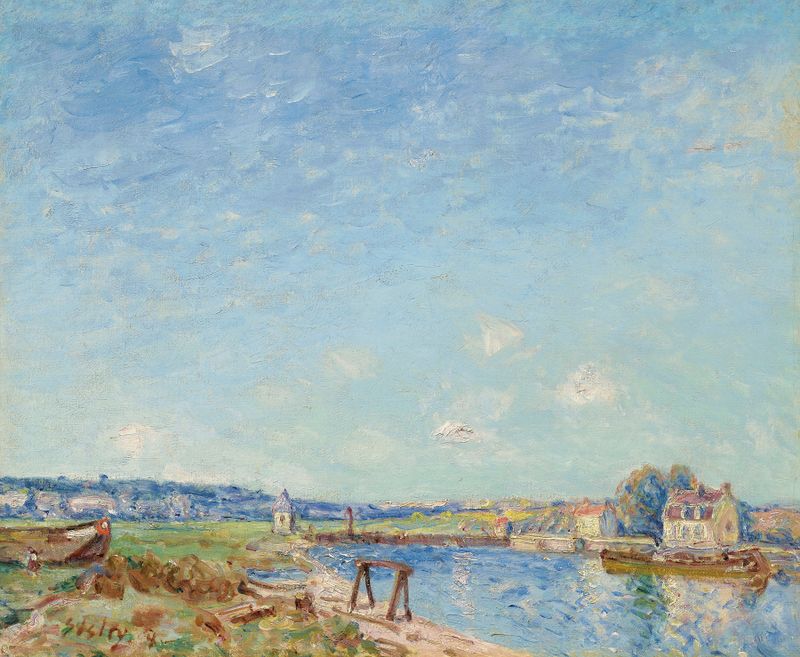
Le Loing à Saint-Mammès
Alfred Sisley
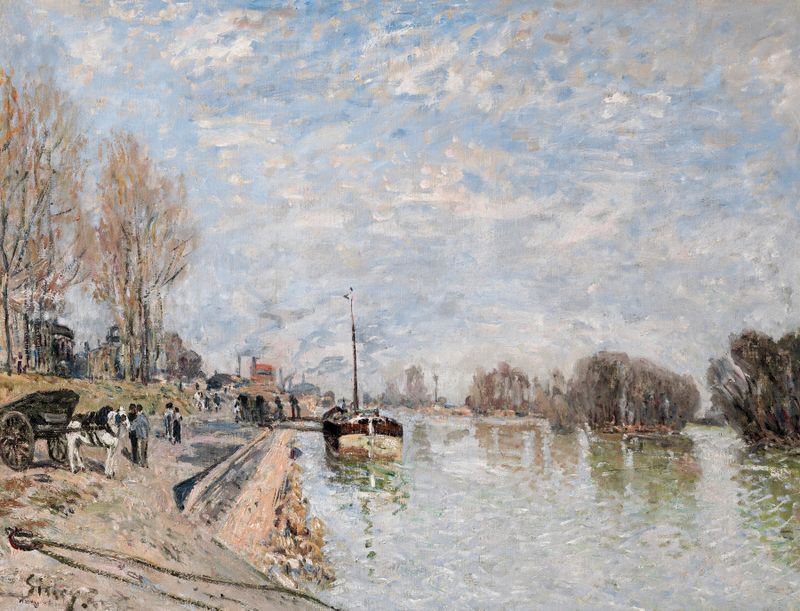
La Seine à Suresnes
Alfred Sisley
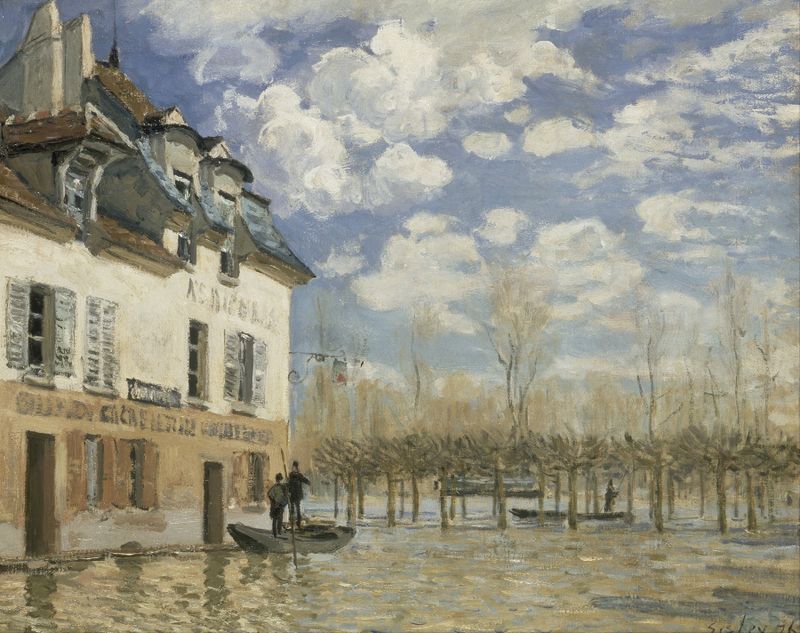
Boat in the Flood at Port Marly
Alfred Sisley
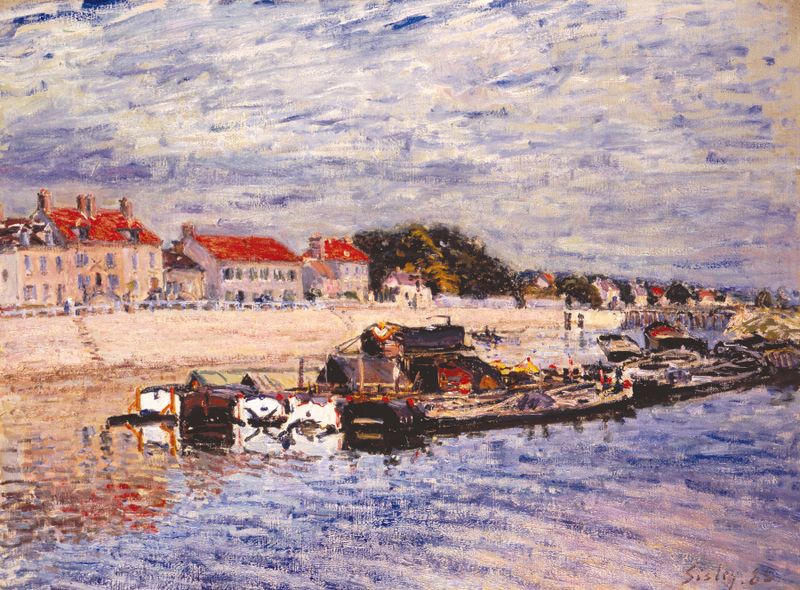
Barges on the Loing at Saint-Mammès
Alfred Sisley

L’allée des peupliers au bord du Loing
Alfred Sisley

Molesey Weir, Hampton Court
Alfred Sisley
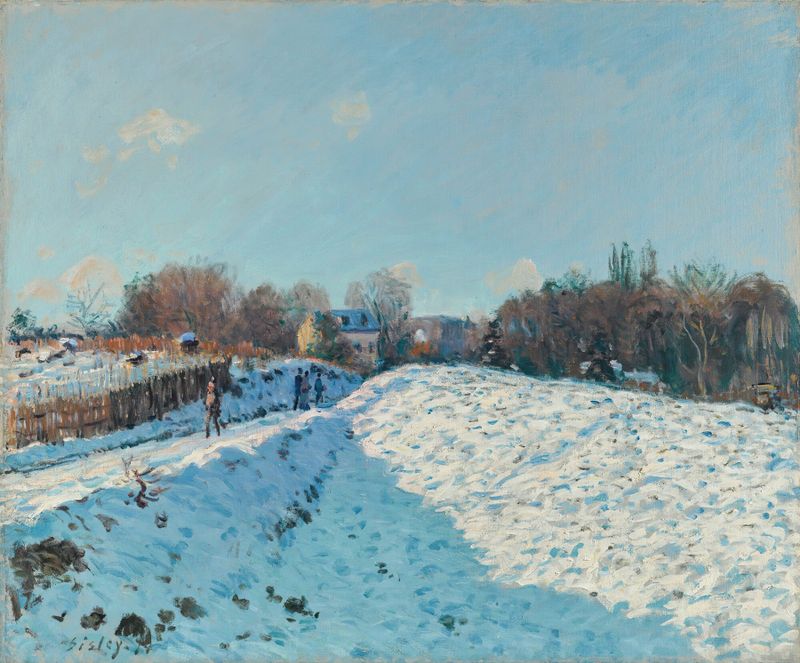
Effet De Neige À Louveciennes
Alfred Sisley
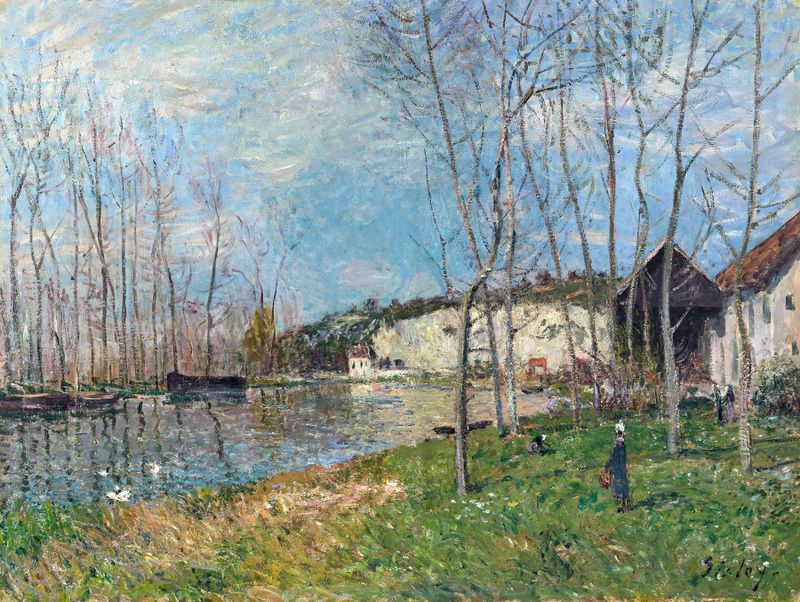
Printemps au bord du Loing
Alfred Sisley
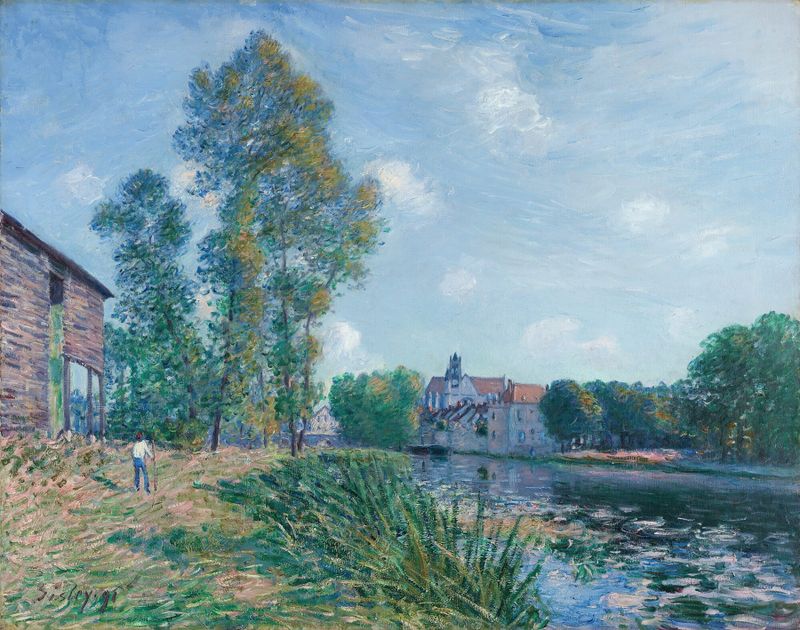
Le Loing À Moret, En Été
Alfred Sisley
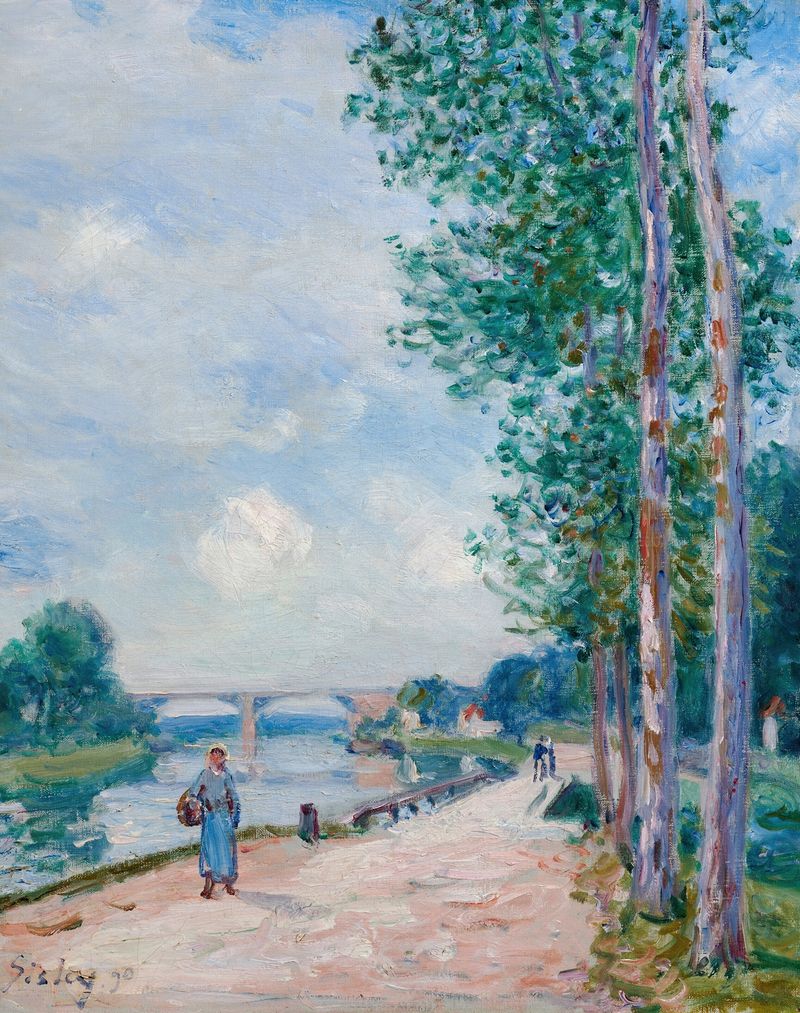
Les bords du Loing près de Moret
Alfred Sisley





