
La terrasse — History & Facts
Can paint confess what words never could? In La terrasse, the canvas unveils a world suspended in transformation, where the ordinary whispers secrets of longing and change. Focus first on the figure seated at the edge of the terrace. The vibrant reds and greens envelop her, creating an intimate cocoon, while the sharp contrast of her white dress draws the eye, symbolizing purity amid life's complexities. Notice how the light cascades across her face, illuminating a serene yet contemplative expression, suggesting a moment of introspection.
The surrounding environment melds with her presence, each brushstroke capturing the interplay of shadows and textures, inviting the viewer deeper into this evocative space. The tension between interior and exterior life is palpable; the terrace serves as a threshold between public and private. The solid, geometric lines of the architecture contrast with the fluidity of nature visible just beyond, hinting at the struggles of personal identity against societal expectations. The woman’s gaze, directed off-canvas, hints at aspirations and unfulfilled desires, while the lush greenery evokes a sense of vitality that suggests the potential for transformation. Félix Vallotton created La terrasse in 1893 while living in Paris, a time when he was immersed in the Symbolist movement.
His work reflected a shift towards modernism, capturing emotional depth through simplified forms and bold colors. As the art world began to embrace new modes of expression, Vallotton's exploration of psychological themes marked a significant moment in his career, paving the way for his future contributions to modern art.
More Artworks by Félix Vallotton
Browse all →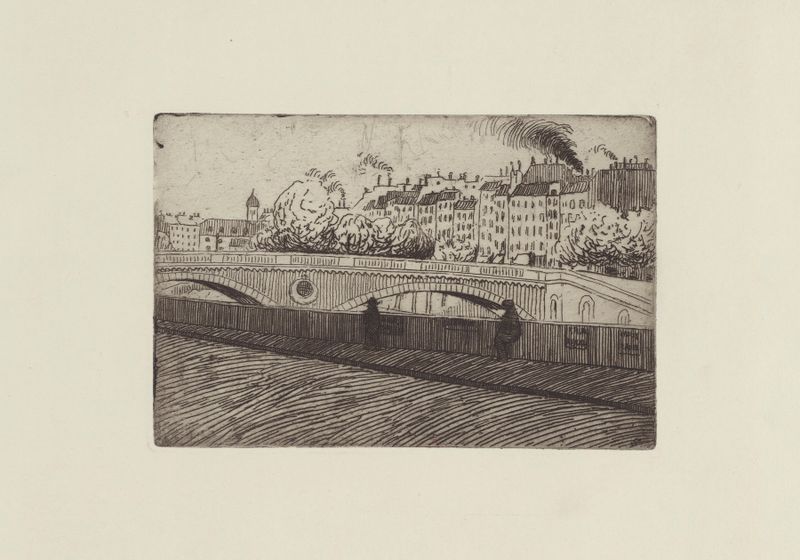
Le pont St Michel
Félix Vallotton
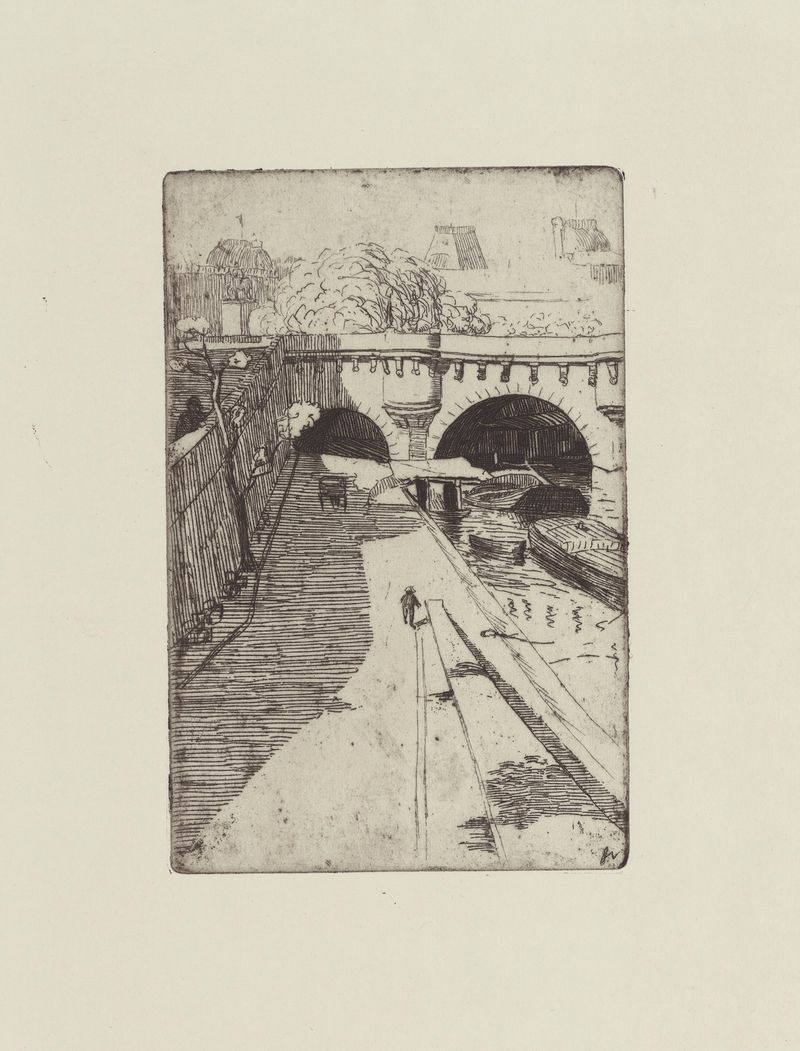
Le Vert-Galant
Félix Vallotton
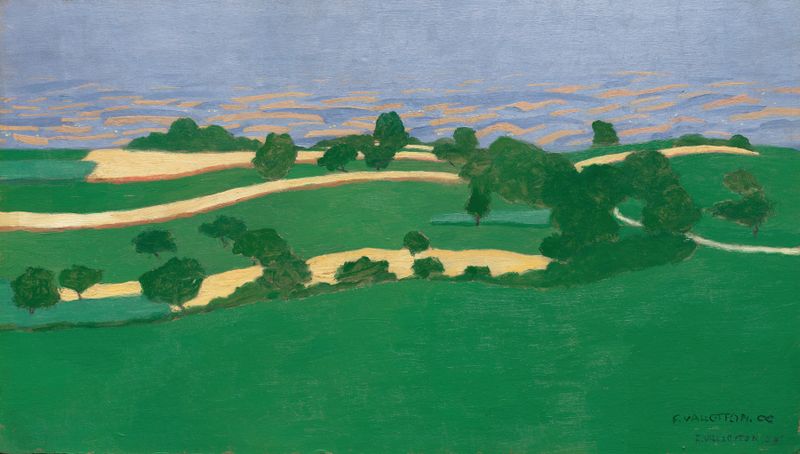
Corn Fields
Félix Vallotton
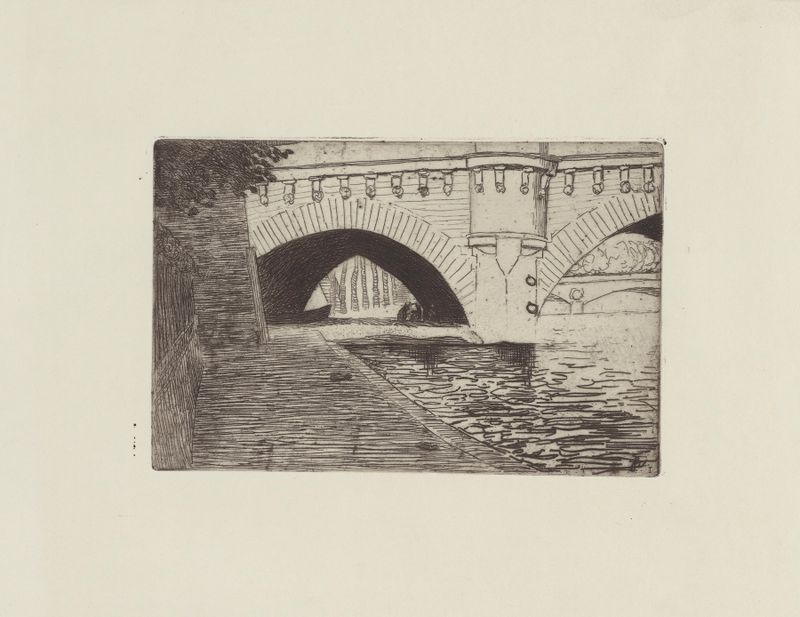
Le Pont-Neuf et le pont St Michel
Félix Vallotton
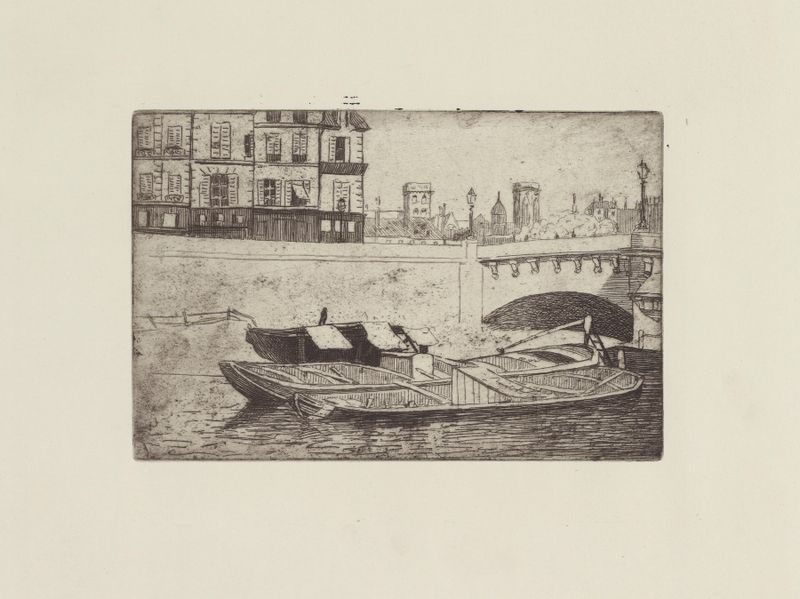
Péniches au Pont-Neuf
Félix Vallotton
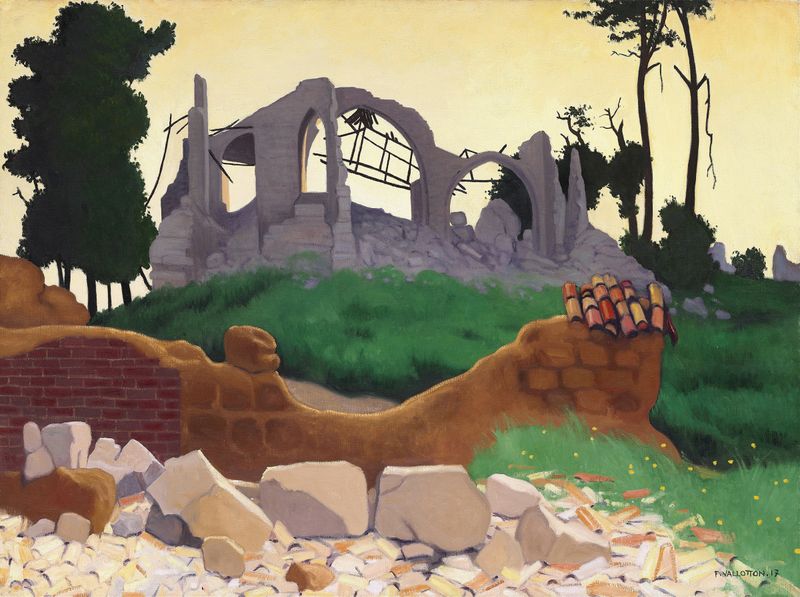
The Church of Souain
Félix Vallotton
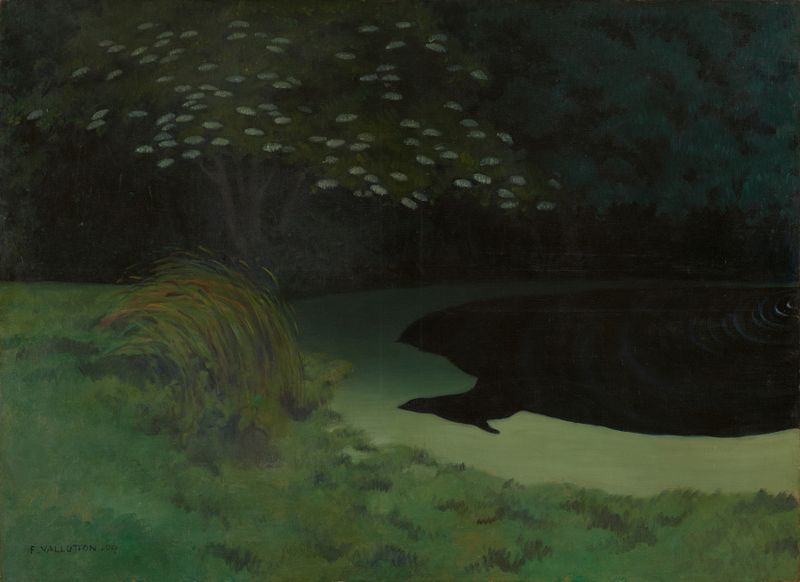
The Pond (Honfleur)
Félix Vallotton
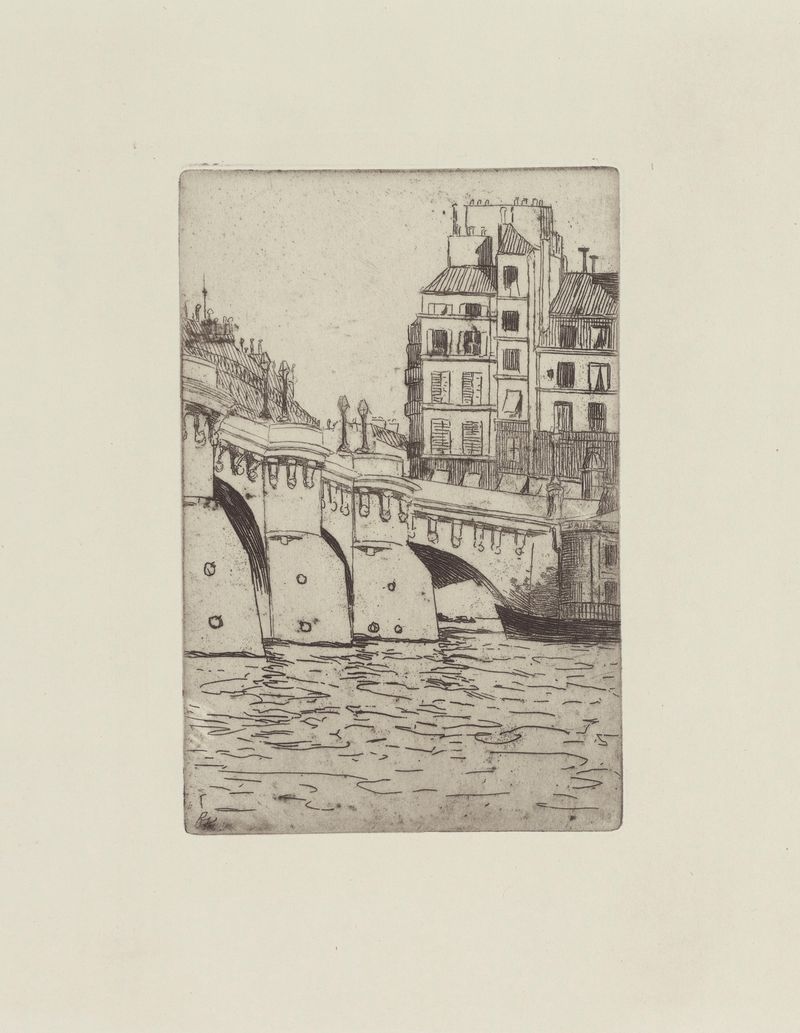
Les bains du Pont-Neuf
Félix Vallotton
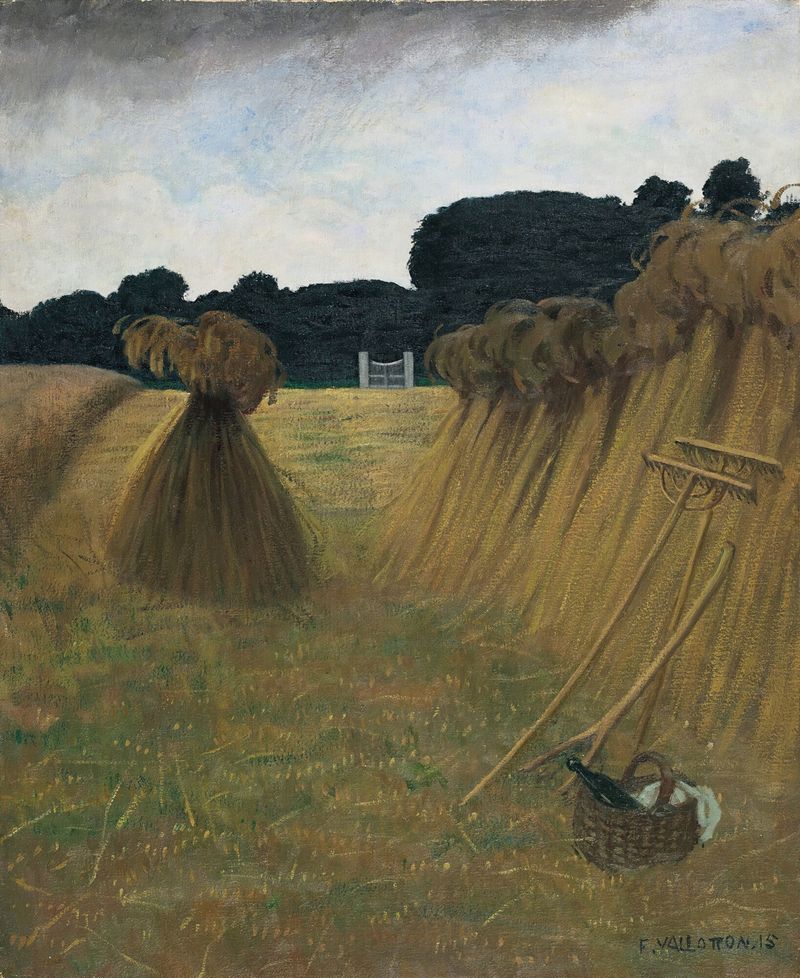
The Sheaves
Félix Vallotton
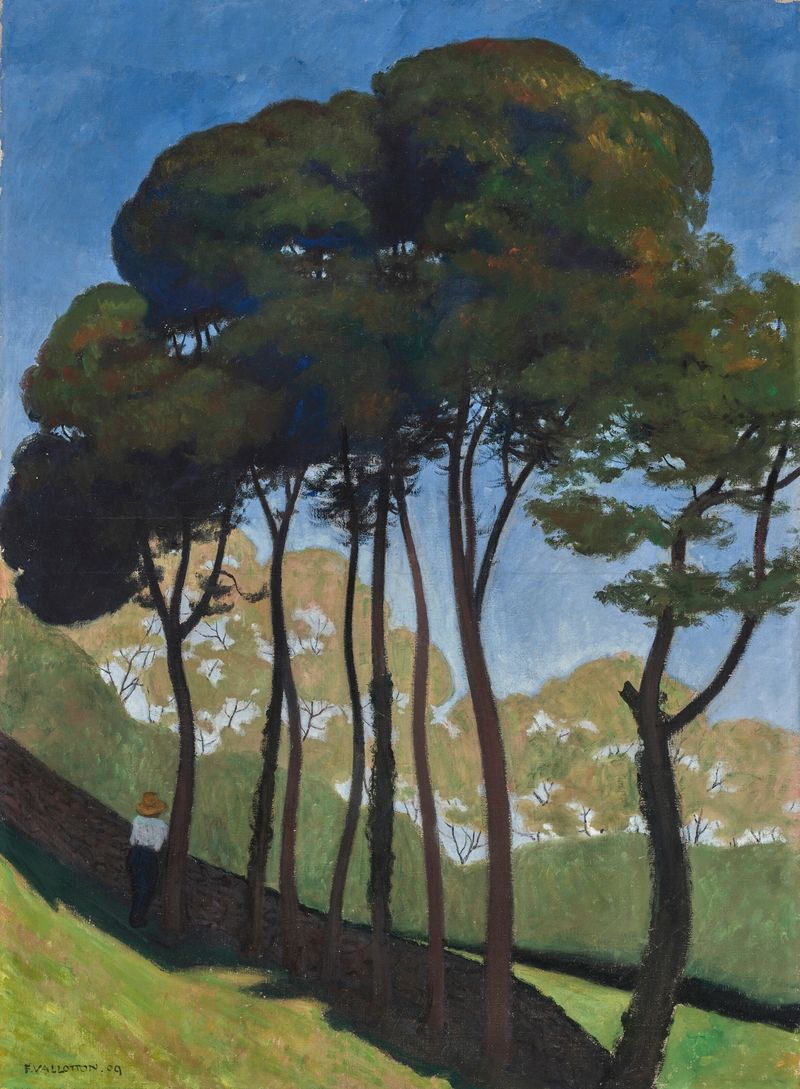
Les Grands Arbres, environs d’Honfleur
Félix Vallotton





