
Discover insights about this artwork
La terre — History & Facts
In La terre, Léon François Comerre presents a vibrant depiction of Earth. The painting is filled with rich greens, browns, and blues, representing the land, water, and sky. Central to the composition is a female figure, embodying the Earth, adorned with natural elements like flowers and foliage.
This figure is surrounded by various symbols of nature, emphasizing the connection between humanity and the environment. The painting is executed in oil on canvas, showcasing Comerre's skill in blending colors and textures. The use of light and shadow creates depth, making the figure of Earth appear almost three-dimensional. The details in the flora and fauna are meticulously rendered, reflecting a keen observation of nature.
Viewers can appreciate the technical precision that characterizes Comerre's work. La terre was created during a period when allegorical art was popular in France. Léon François Comerre was known for his ability to combine classical themes with contemporary subjects. This painting stands out as a celebration of nature and femininity, reflecting the societal values of the time.
Interestingly, it was often displayed in exhibitions that highlighted the role of women in art and nature.
More Artworks by Léon François Comerre
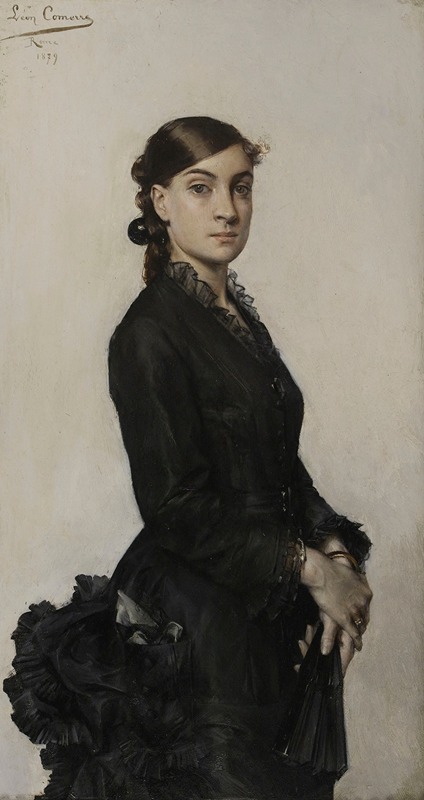
Portrait de Jacqueline Comerre-Paton en robe noire
Léon François Comerre
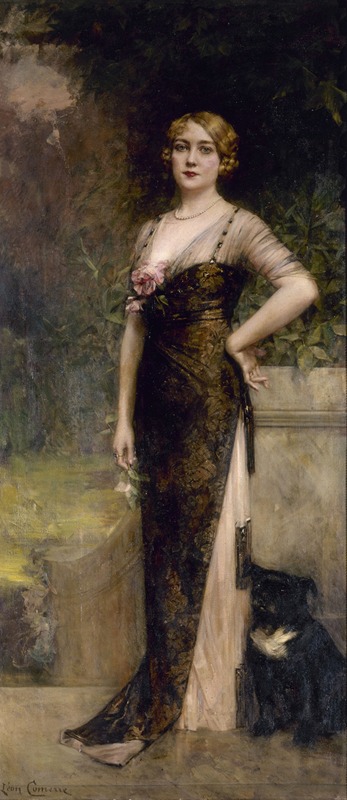
Portrait de Madame Jean Maillard-Norbert
Léon François Comerre
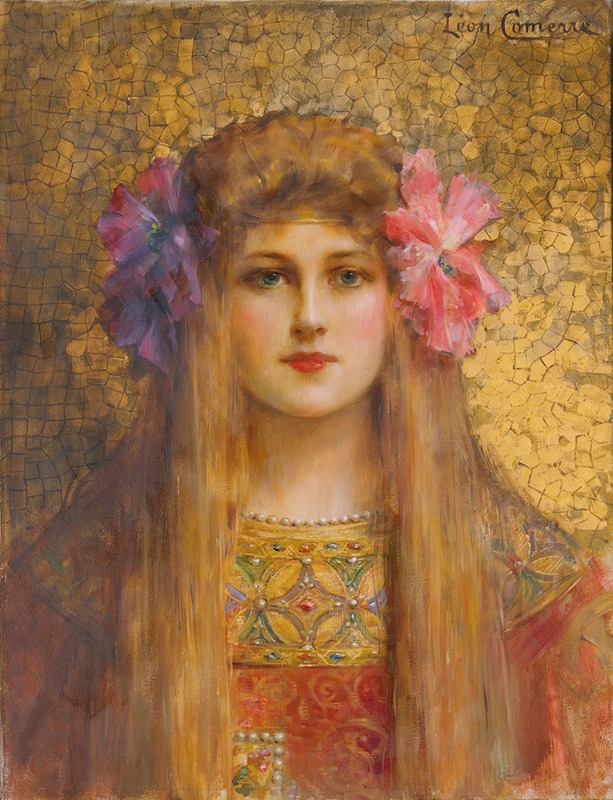
Portrait de Femme au turban fleuri
Léon François Comerre
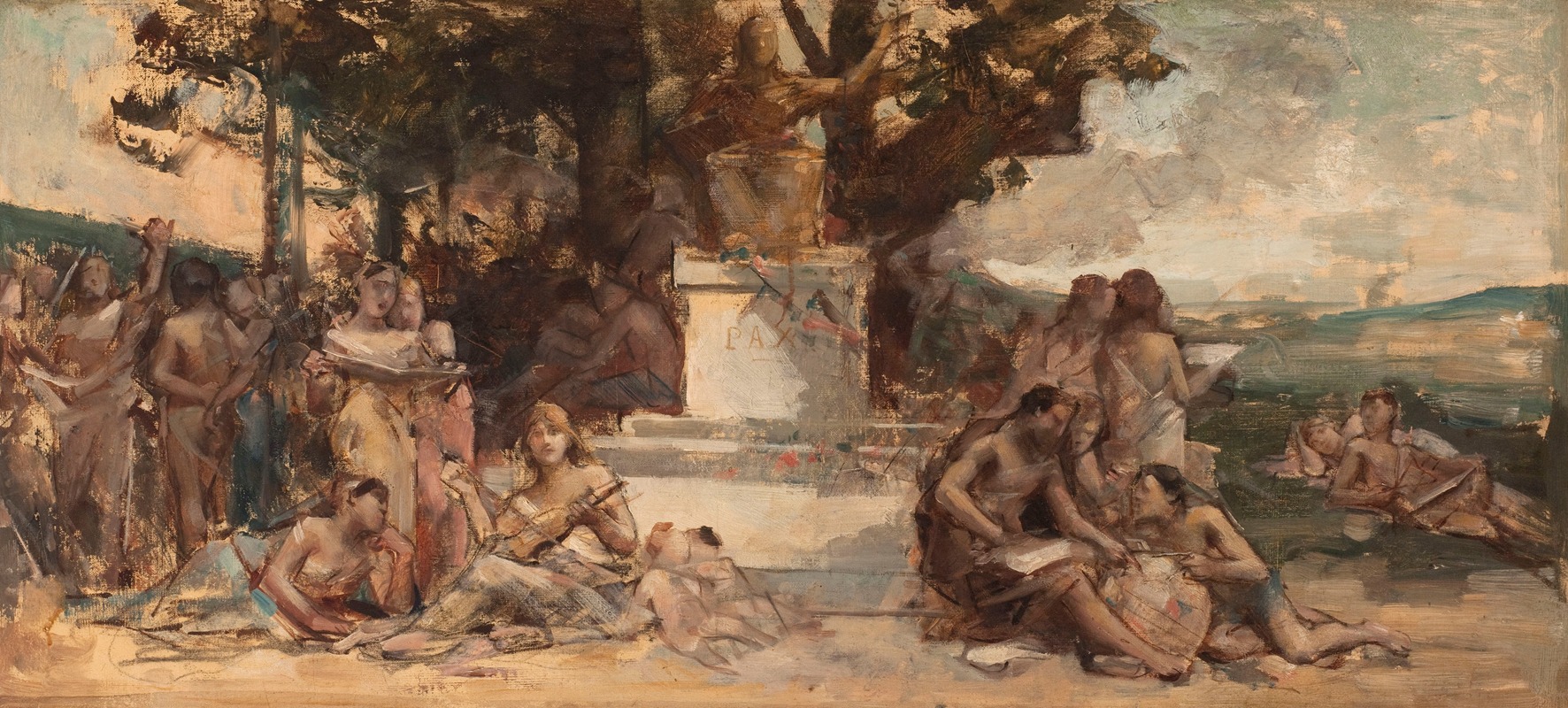
L’étude des sciences et des arts
Léon François Comerre
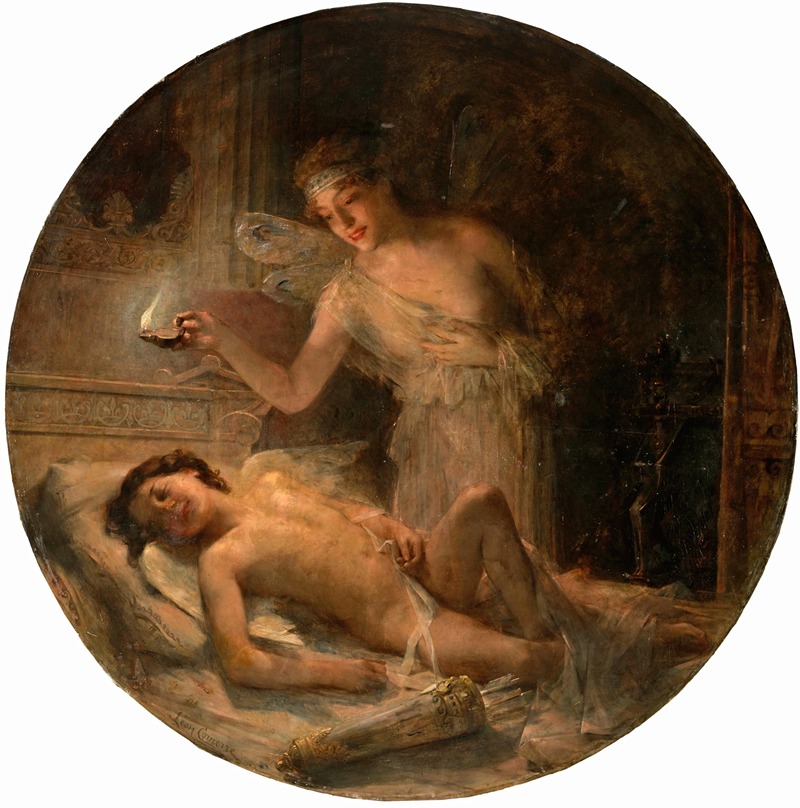
Psyche discovers Cupid
Léon François Comerre
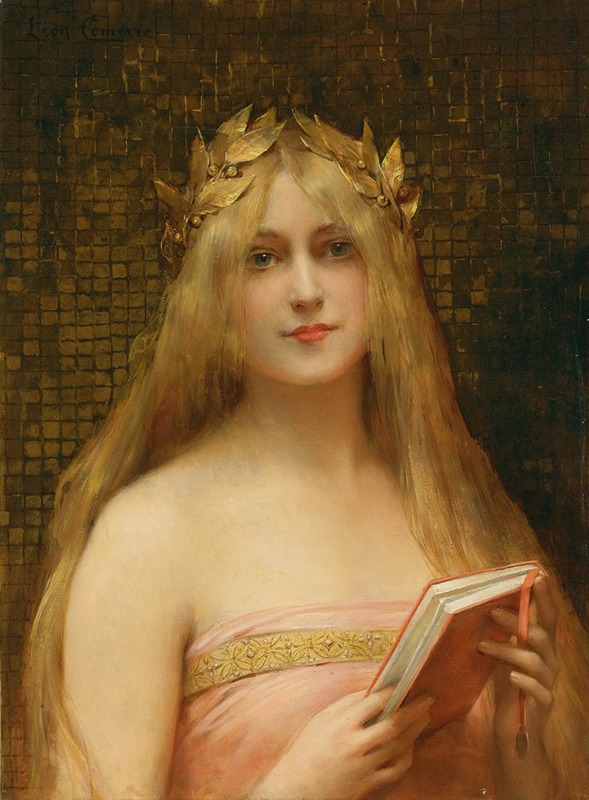
A Classical Beauty
Léon François Comerre
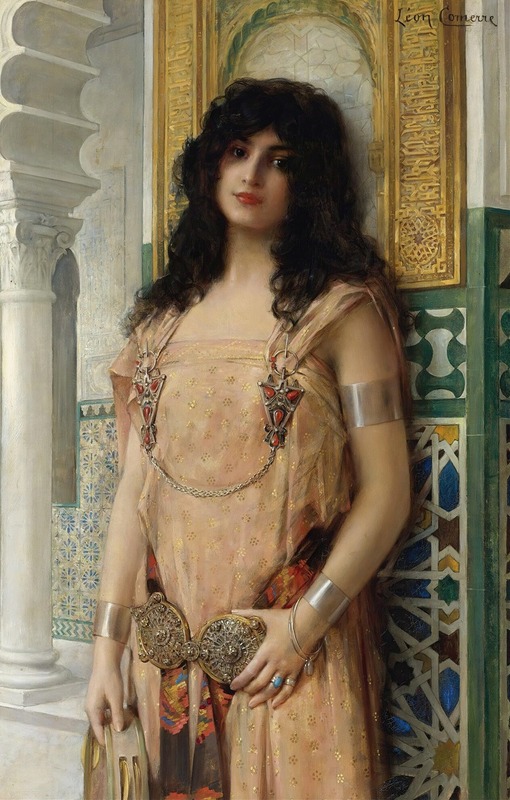
An Eastern Beauty
Léon François Comerre
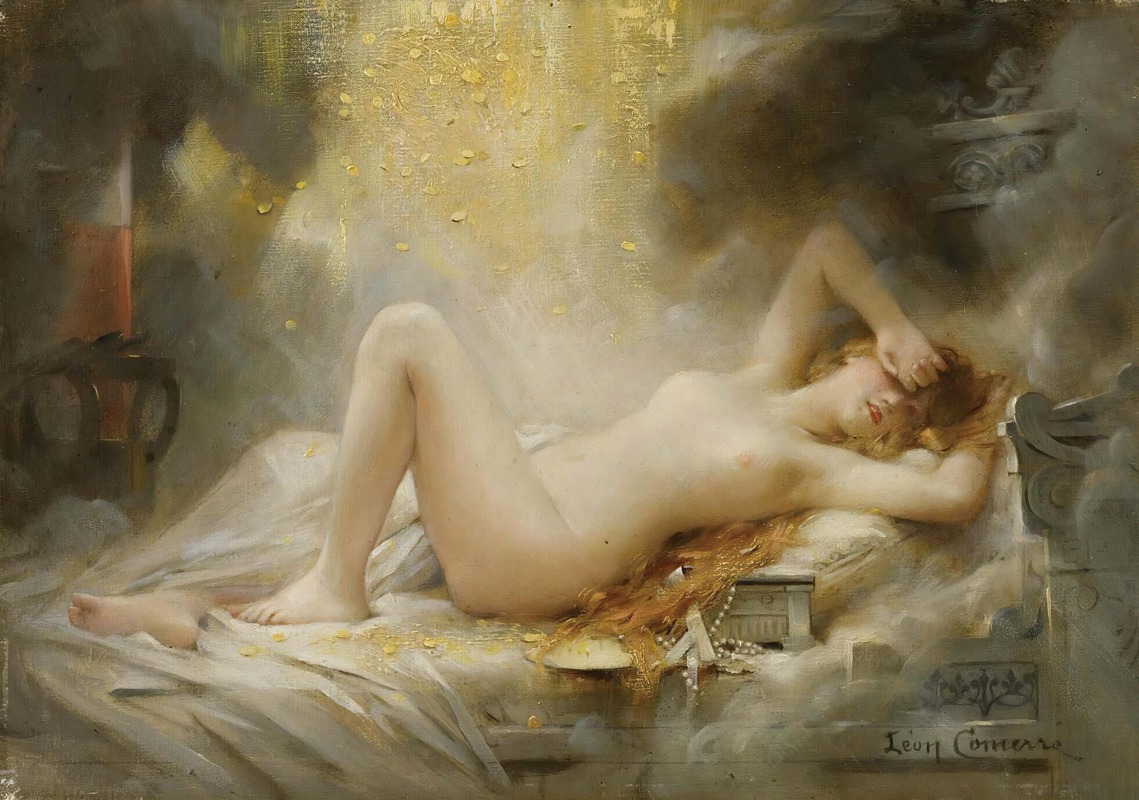
Danae
Léon François Comerre
La promenade du dimanche
Léon François Comerre
Au soleil
Léon François Comerre
More Allegory Art
Melancholia
Albrecht Dürer
Ridder, Dood en Duivel
Unknown Artist
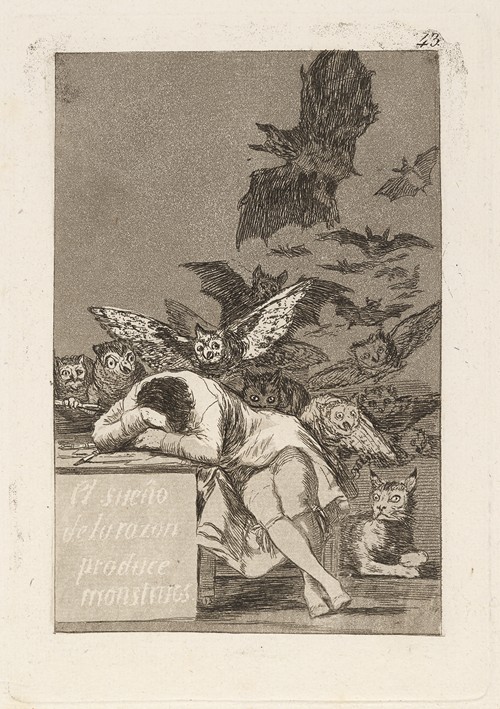
El sueño de la razon produce monstruos. (The sleep of reason produces monsters.)
Francisco de Goya
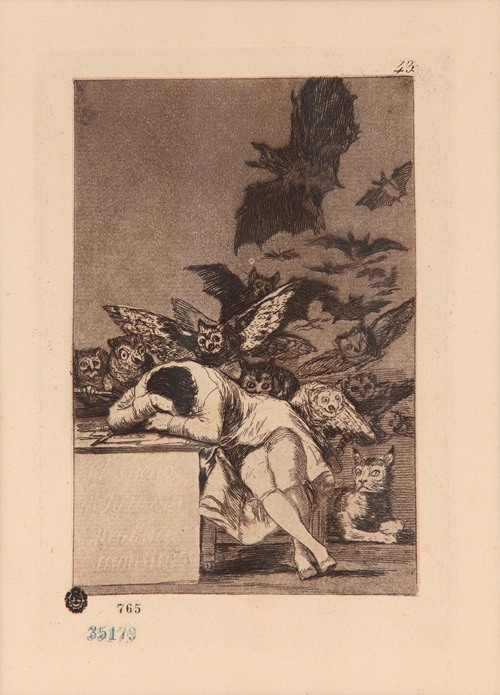
El sueño de la razon produce moustruos (Serie Caprichos)
Francisco de Goya
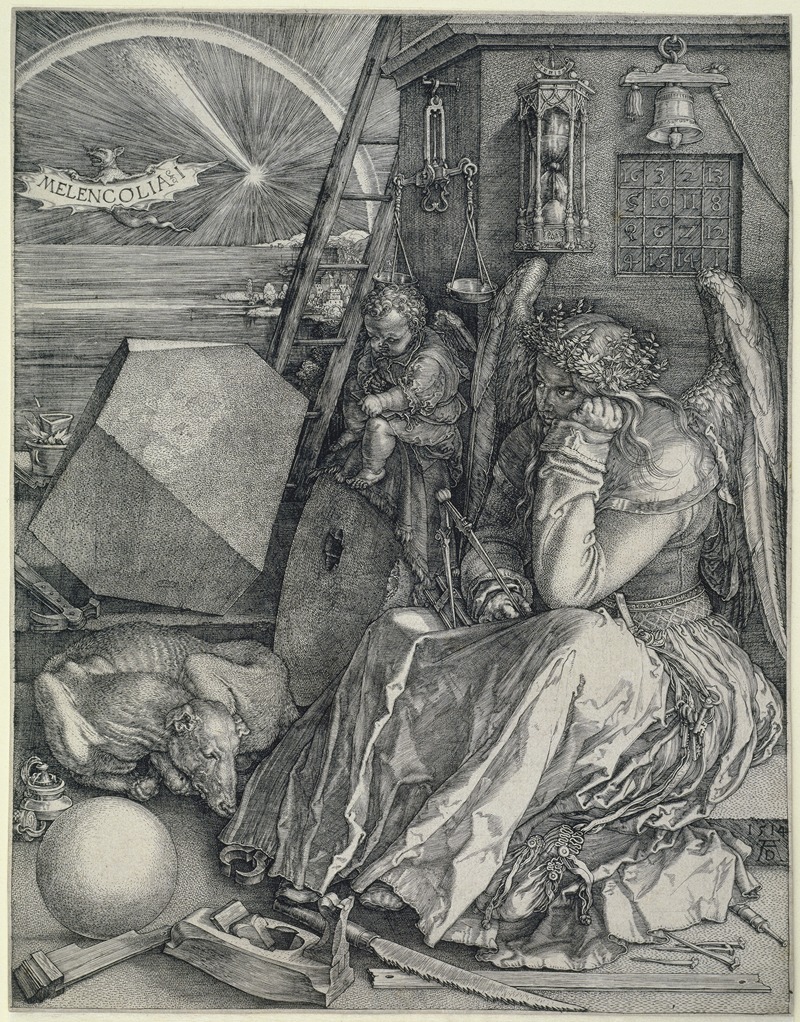
Melencolia I (The Melancholy)
Albrecht Dürer
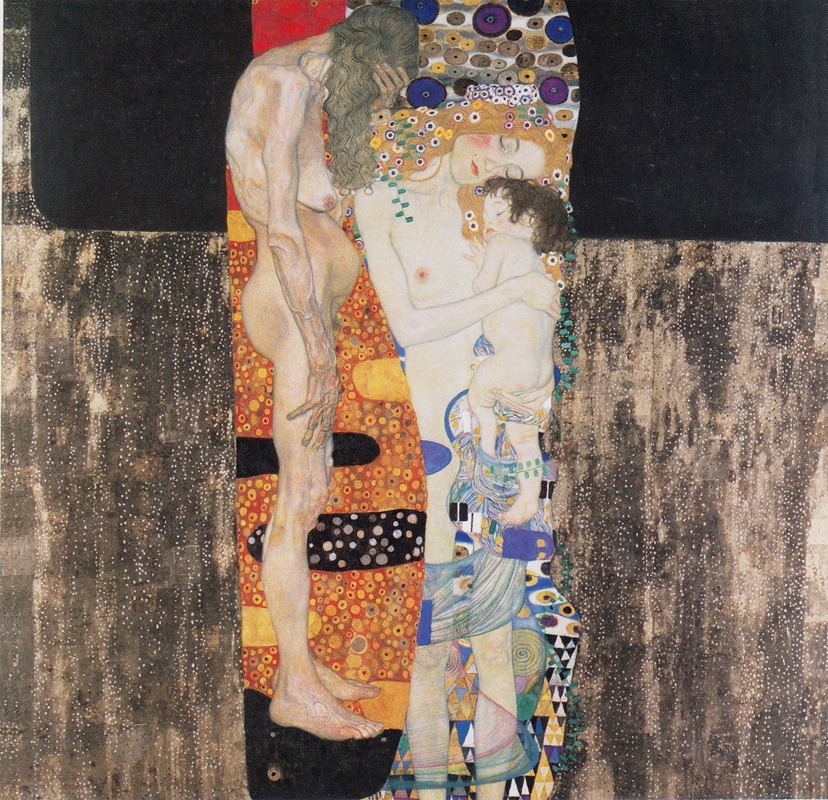
The Three Ages of the Woman
Gustav Klimt