Discover insights about this artwork
La Vierge en buste — History & Facts
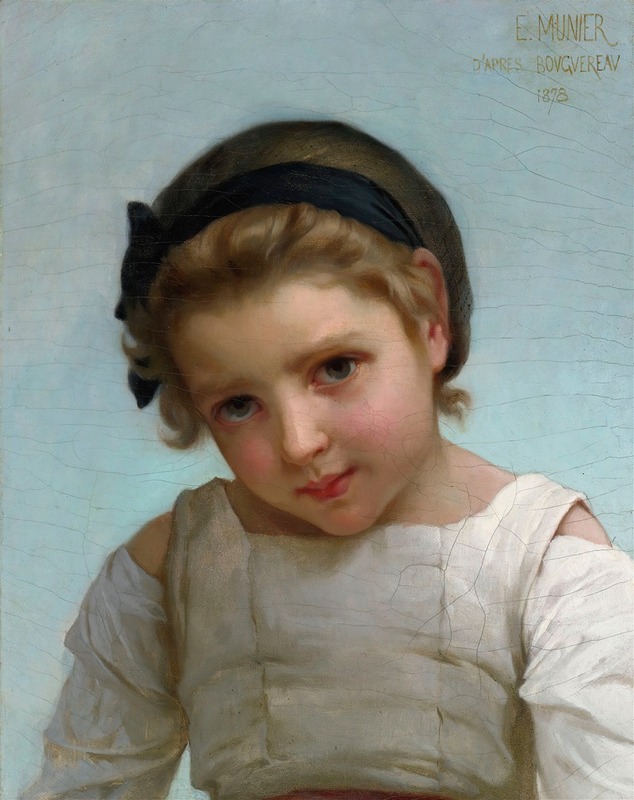
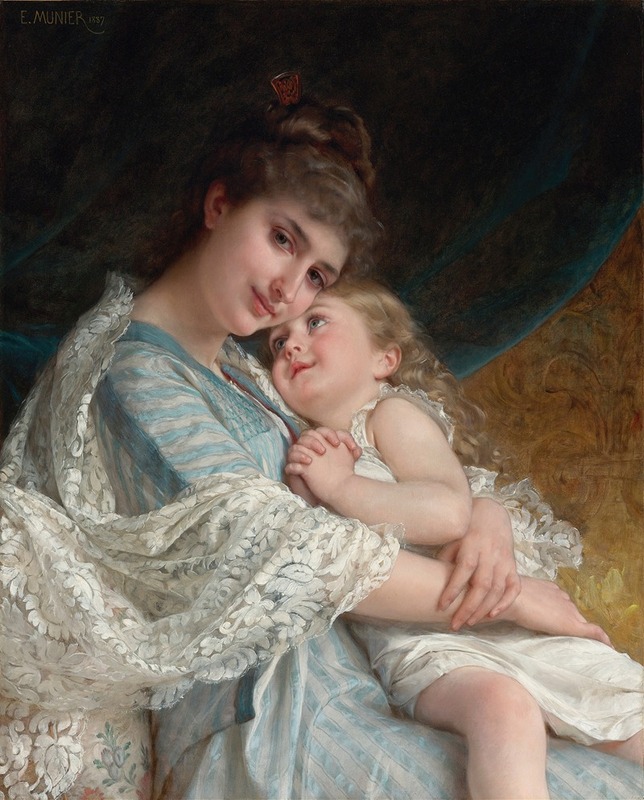
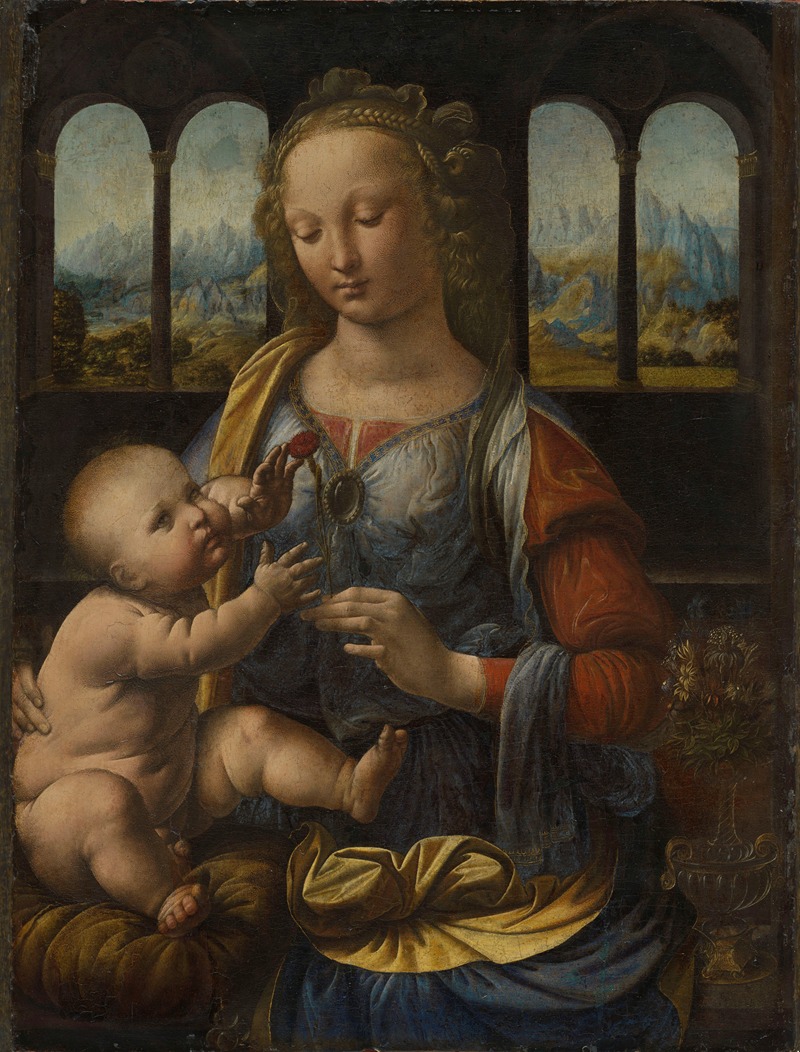
In La Vierge en buste, Émile Munier presents a serene bust of the Virgin Mary. The colors are soft and muted, primarily featuring shades of blue and white, which symbolize purity and tranquility. Mary's expression is contemplative, evoking a sense of peace and devotion.
The background is simple, allowing the figure to stand out as the focal point of the artwork. The painting is executed in oil on canvas, a common medium for portraiture during the 19th century. Munier's technique is characterized by smooth brushwork and a careful attention to detail, particularly in the rendering of Mary's facial features and drapery. The use of light and shadow adds depth to the composition, enhancing the three-dimensional quality of the bust.
Viewers can appreciate the skillful blending of colors that creates a lifelike appearance. Émile Munier was known for his religious and historical subjects, often depicting figures with a sense of realism. This work, created in the late 19th century, reflects the Academic style that was prevalent at the time, focusing on idealized beauty and meticulous detail. An interesting fact about this painting is that it captures a moment of introspection, inviting viewers to connect with the spiritual essence of the Virgin Mary.
Munier's works are celebrated for their emotional depth and technical precision.