
Discover insights about this artwork
Lady Hamilton as Nature — History & Facts
In Lady Hamilton as Nature, George Romney presents a striking figure of Lady Hamilton, adorned with lush greenery and flowers. The colors are vibrant, with rich greens and soft pastels that create a harmonious atmosphere. Lady Hamilton is depicted in a flowing gown that blends seamlessly with the natural elements surrounding her.
The setting is idyllic, emphasizing the connection between the figure and the essence of nature. The painting is executed in oil on canvas, showcasing Romney's skill in capturing texture and light. The dimensions are approximately 76 x 102 cm, making it a sizable work that draws the viewer in. The composition is well-balanced, with Lady Hamilton positioned centrally, surrounded by flora that enhances her presence.
The use of color and detail invites viewers to appreciate the intricacies of both the figure and the environment. George Romney was a prominent portrait painter of the 18th century, known for his ability to capture the likeness and character of his subjects. Lady Hamilton as Nature is particularly notable as it reflects the Romantic ideals of beauty and nature. An interesting fact about this work is that Lady Hamilton was not only a muse for Romney but also a significant cultural figure, known for her relationships with influential men of her time, including Lord Nelson.
More Artworks by George Romney
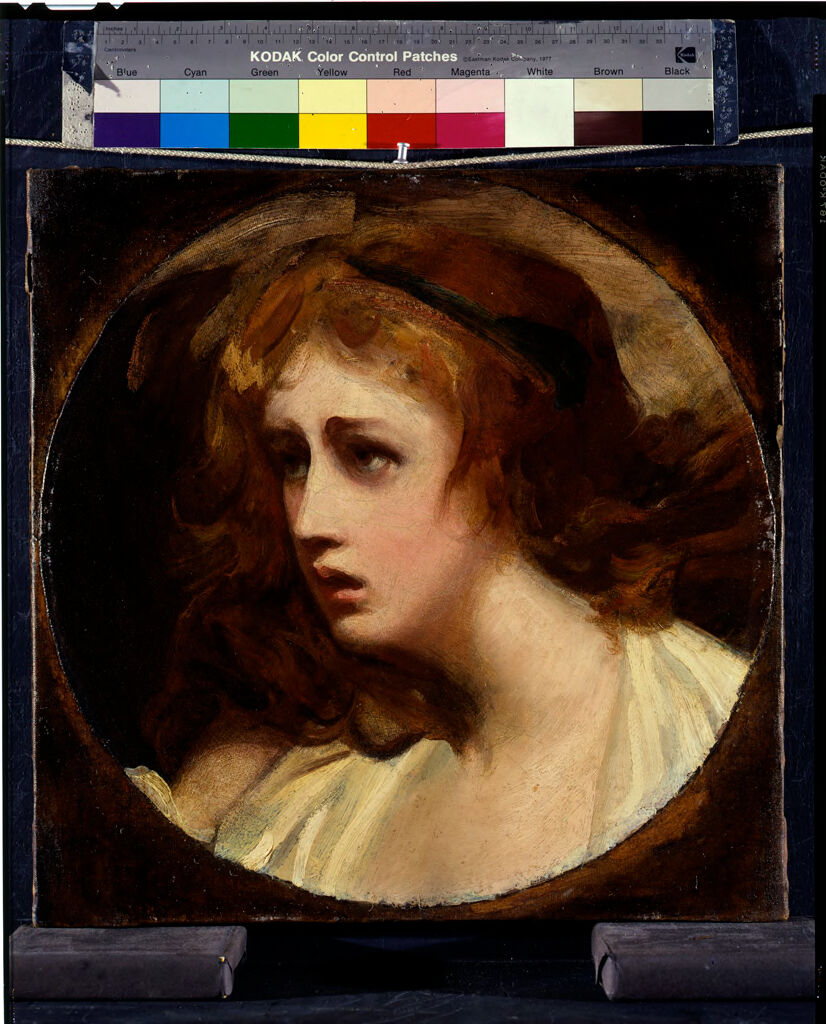
Lady Hamilton as Tragedy
George Romney

Pamela
George Romney

Lady Hamilton
George Romney

Portrait of Mrs Deborah Jemima Maxwell (1755-1789)
George Romney

Sir William Hamilton
George Romney

Mrs. Charles Frederick (Martha Rigden, died 1794)
George Romney
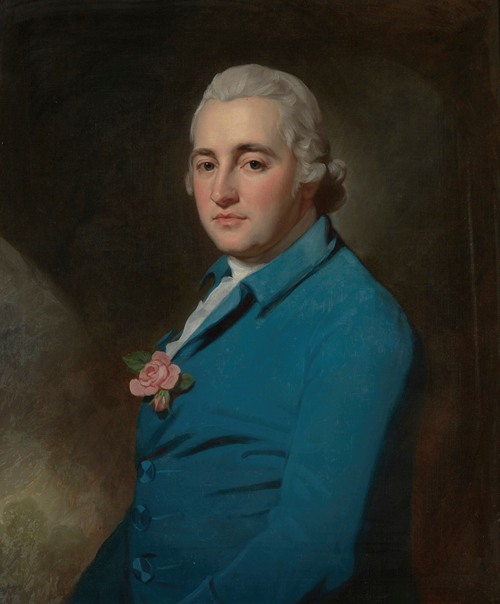
Portrait of a gentleman, traditionally identified as Atkinson Grimshaw
George Romney

Portrait of Mrs William Maguire
George Romney
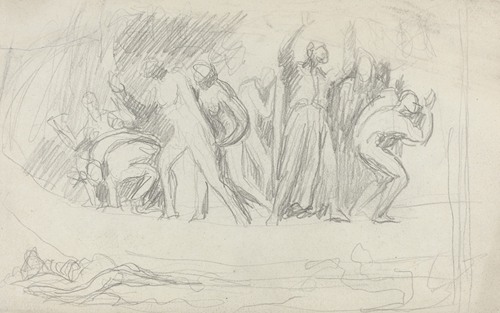
Study for ‘The Deluge’
George Romney
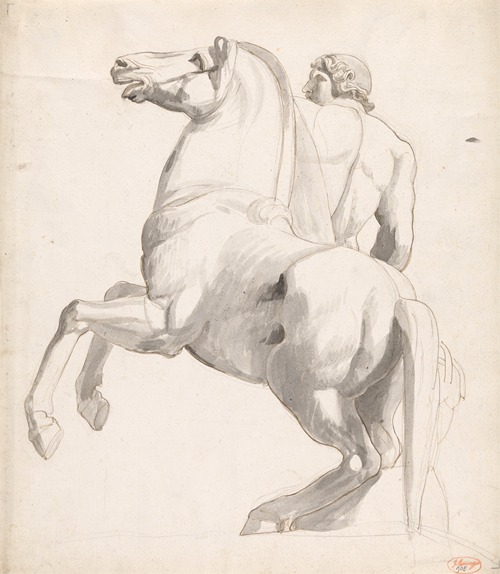
Horseman of Montecavallo
George Romney
More Allegory Art
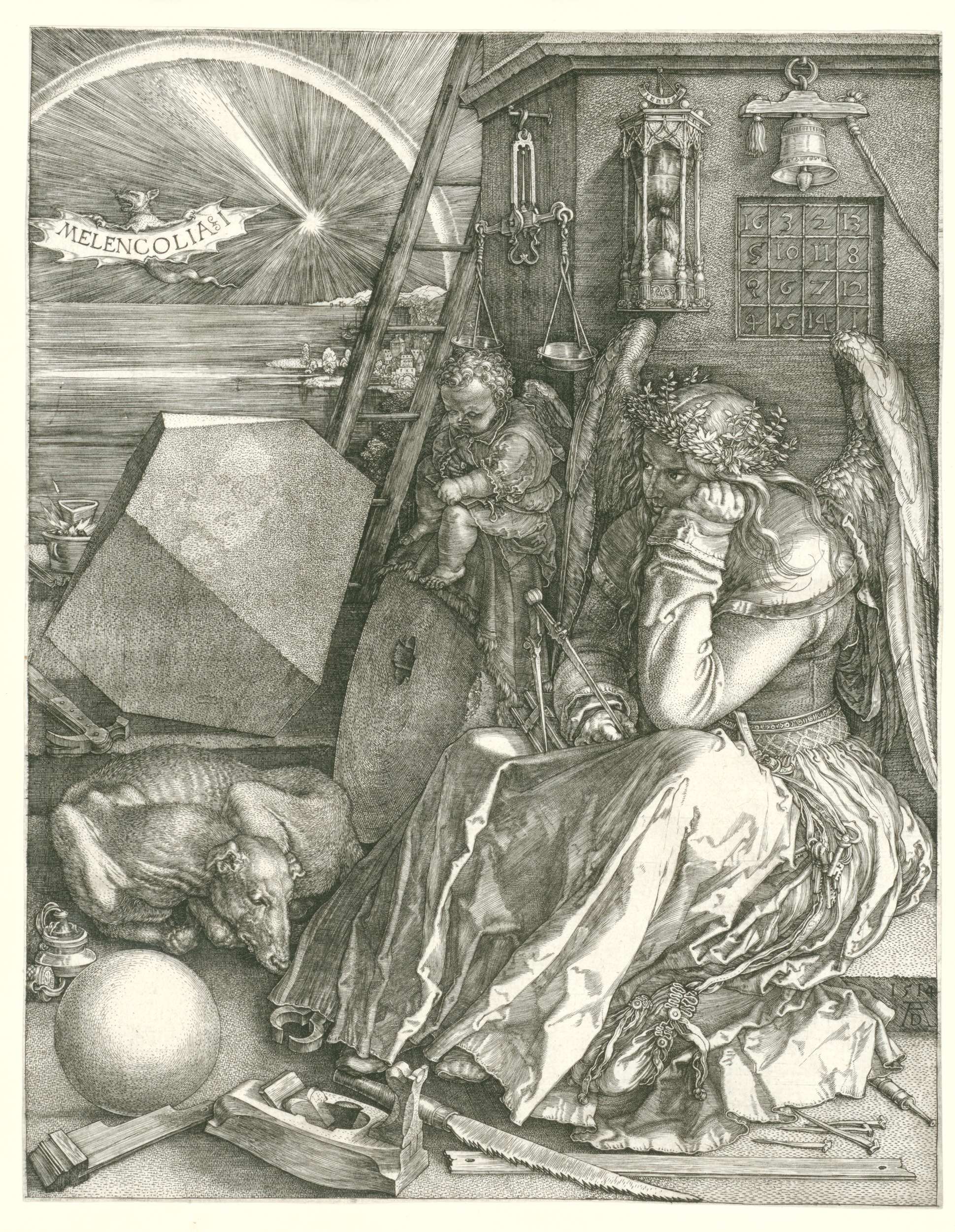
Melancholia
Albrecht Dürer
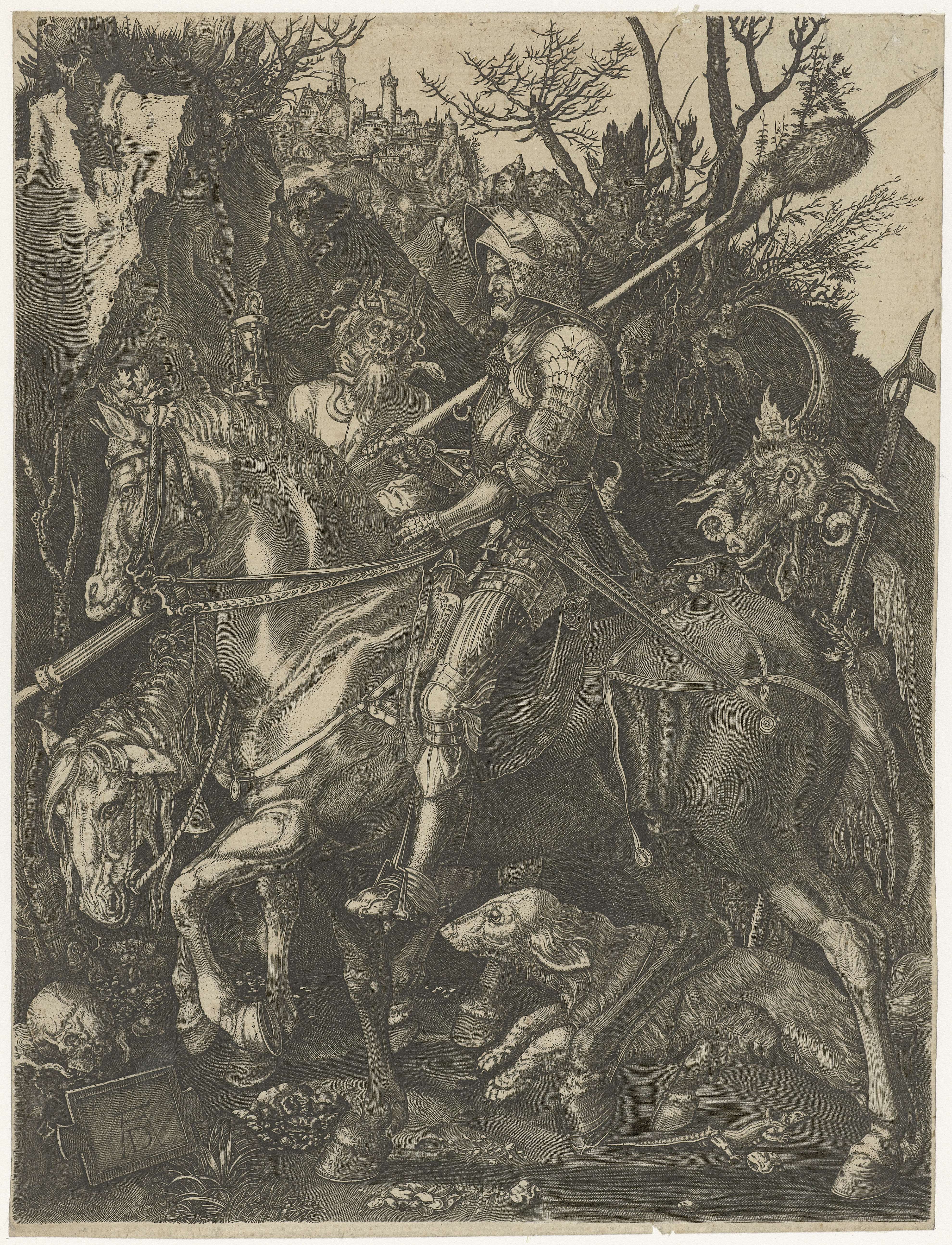
Ridder, Dood en Duivel
Unknown Artist
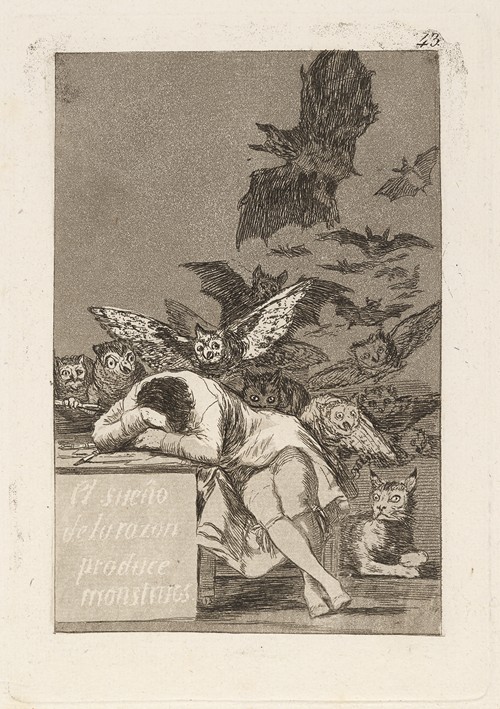
El sueño de la razon produce monstruos. (The sleep of reason produces monsters.)
Francisco de Goya
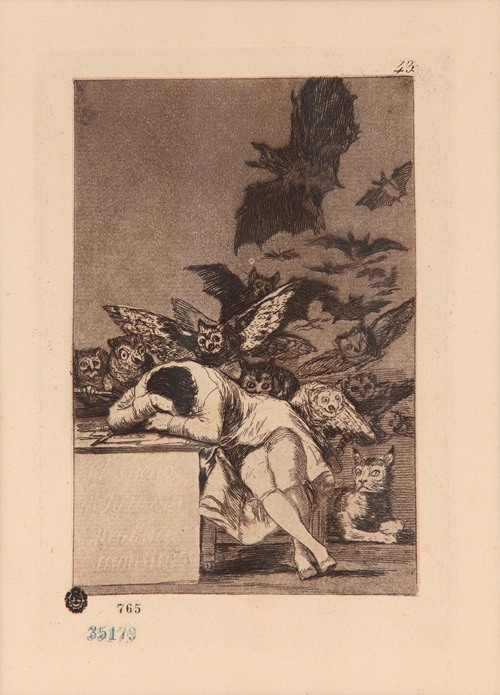
El sueño de la razon produce moustruos (Serie Caprichos)
Francisco de Goya
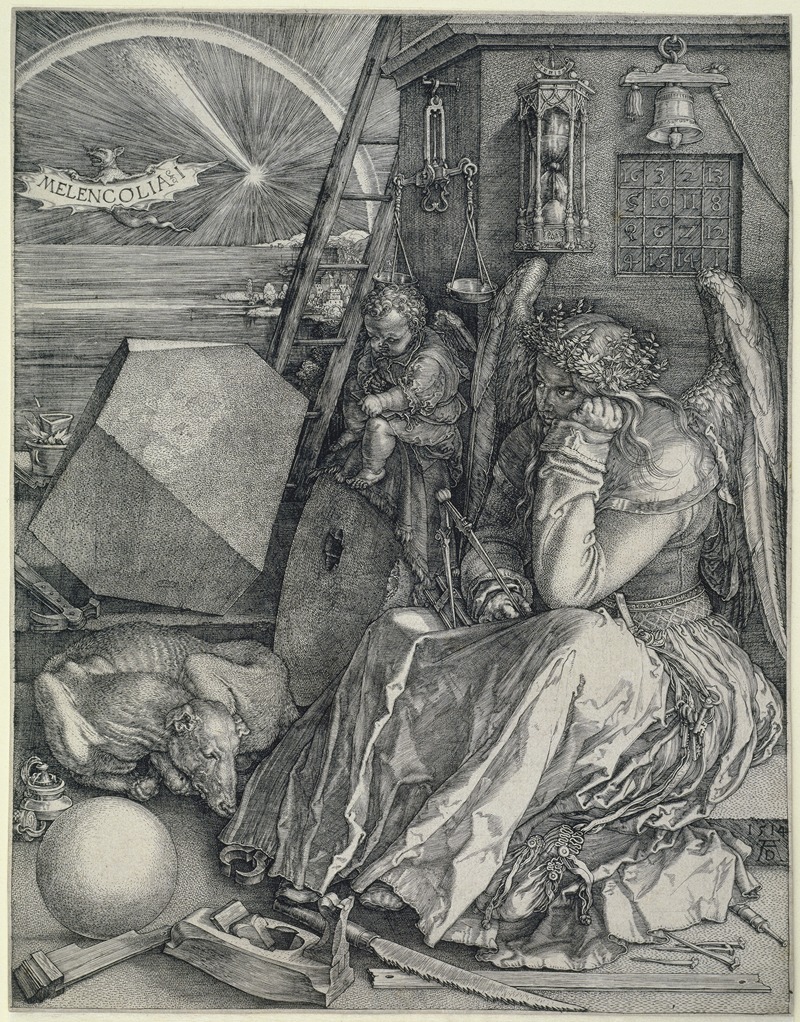
Melencolia I (The Melancholy)
Albrecht Dürer
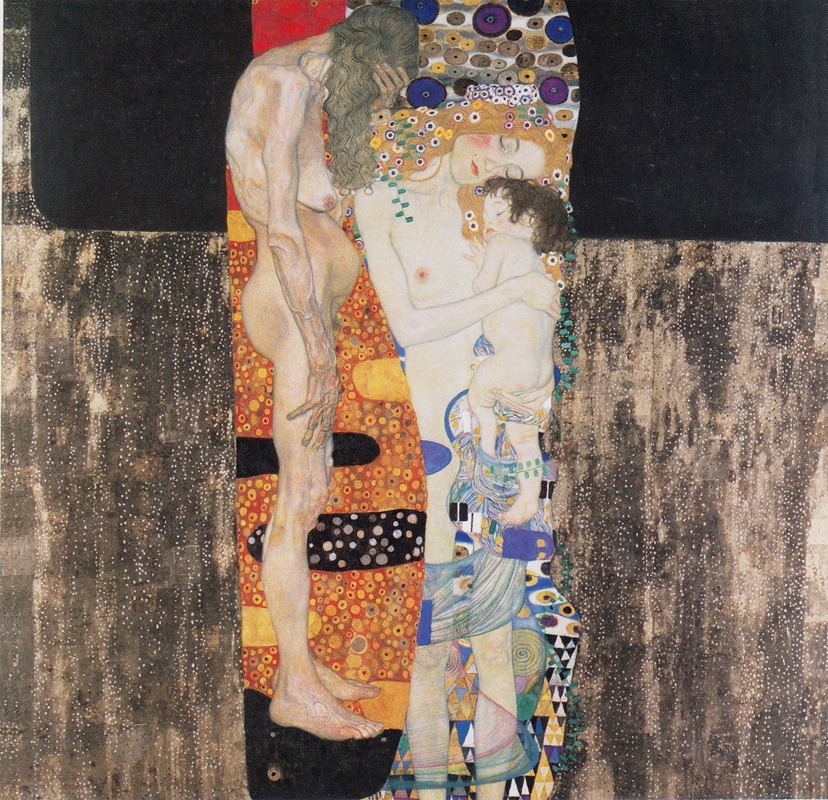
The Three Ages of the Woman
Gustav Klimt