
Lady Writing, Study II for the Rococo Lady — History & Facts
The first thing to catch the eye in Lady Writing, Study II for the Rococo Lady is the way the sitter’s attention seems to drift—her gaze turned away from the page, her hand paused mid-sentence, as if caught by a sudden thought or an unexpected sound. The brushwork is lively and loose, especially in the frothy ruffles of her dress and the soft, powdered volume of her hair, drawing the viewer into the private, almost conspiratorial atmosphere of the scene. The play of light on her face and the delicate pinks and creams of her costume place her firmly in the world of eighteenth-century elegance, while the dark, richly textured table anchors her in the present moment.
The vase and flowers beside her are not mere decoration; they echo the artifice and cultivated taste of her era, suggesting a life shaped as much by display as by feeling. The unfinished edges and visible underpainting remind us that this is a study—a moment of artistic exploration rather than a finished narrative. Painted in 1874 by Albert Edelfelt, this work looks back to the Rococo period, a time when portraits of women writing or reading were popular among the European elite. Such images were often commissioned to celebrate both the sitter’s refinement and her engagement with the world of letters, a subtle nod to the growing presence of women in intellectual life.
By the late nineteenth century, artists like Edelfelt were revisiting these motifs, sometimes with nostalgia, sometimes with a hint of irony, as the world around them shifted rapidly toward modernity. This study, now in a Finnish collection, is a testament to that fascination with the past—a painter’s rehearsal for a larger composition, and a window into the changing ideals of femininity and private life. The viewer is left to wonder what words might have filled the page, and what story lies behind that distant, thoughtful look.
More Artworks by Albert Edelfelt

The Day of Rest
Albert Edelfelt
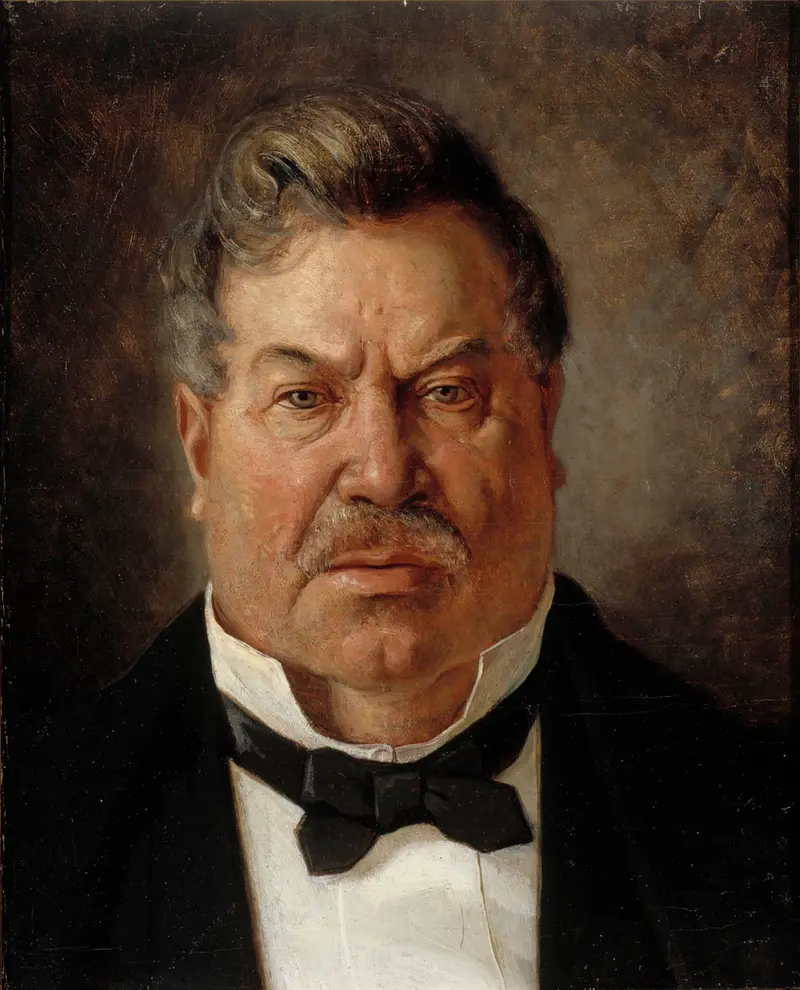
Portrait of August Streng
Albert Edelfelt
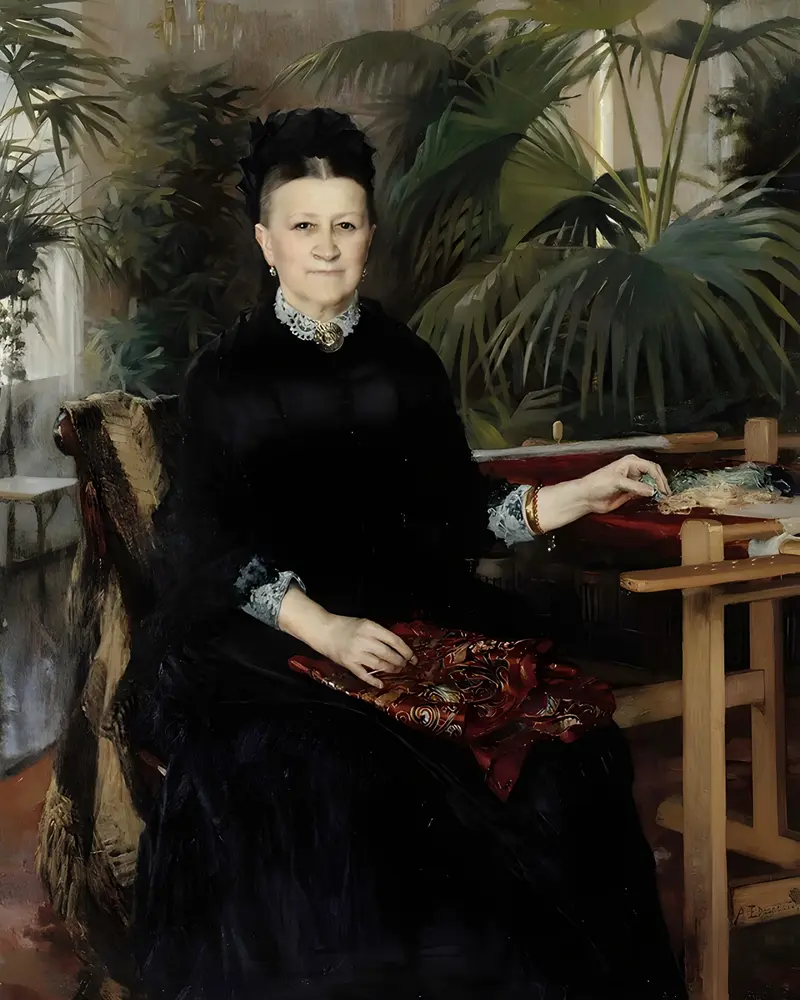
Portrait Of Mrs. Anna Sinebrychoff
Albert Edelfelt

The Poet, Larin Paraske
Albert Edelfelt

Parisian lady in a Peignoir
Albert Edelfelt
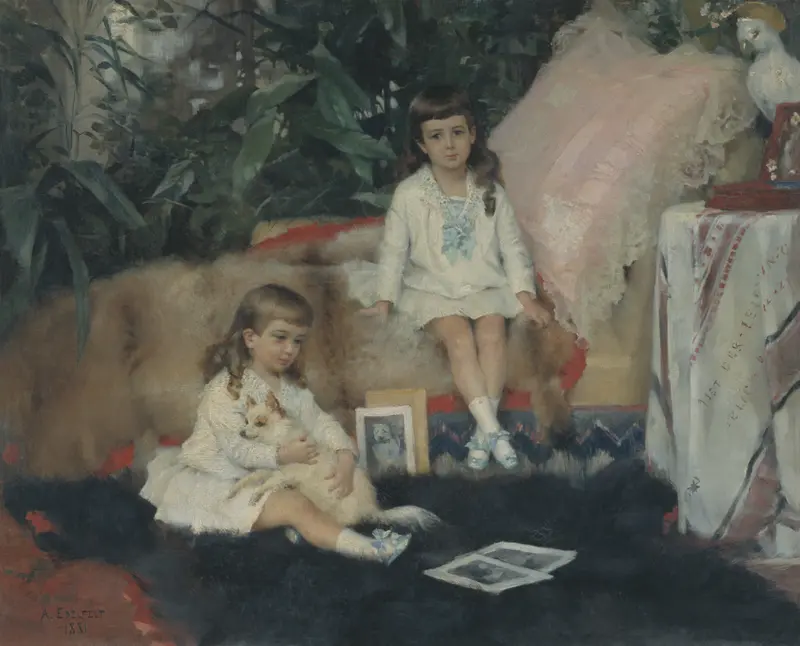
The Grand Dukes Boris and Kirill Vladimirovich as Children
Albert Edelfelt
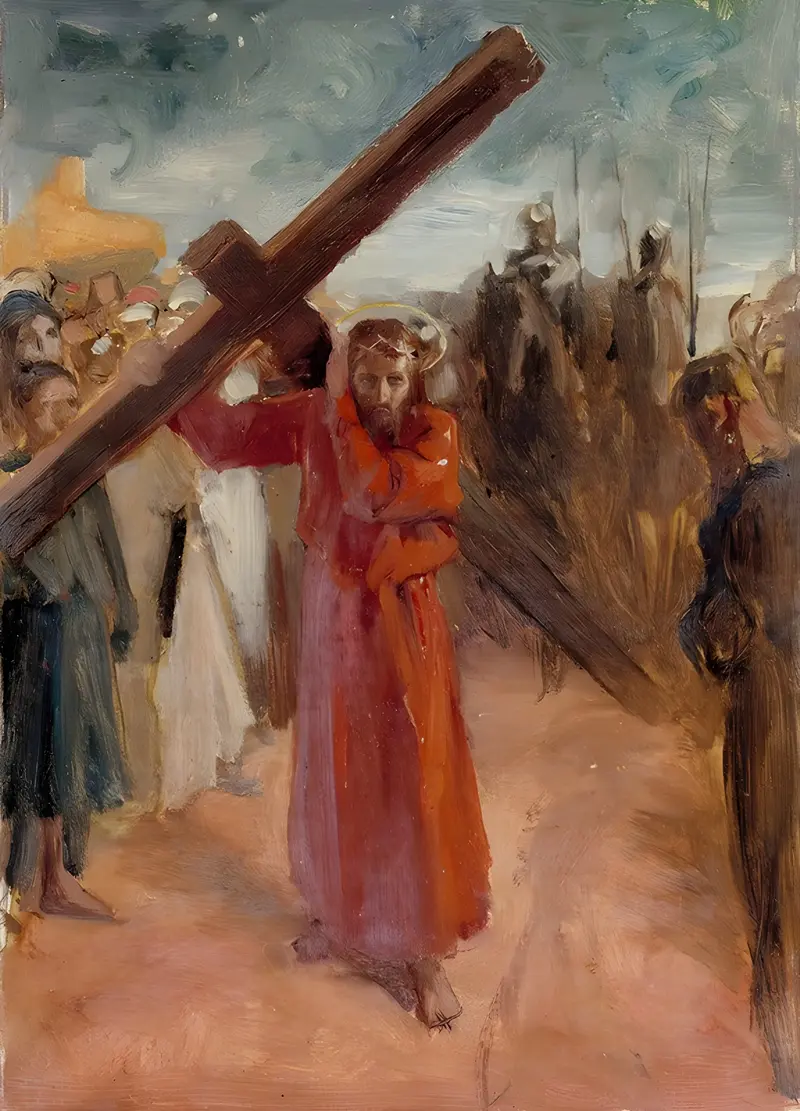
Christ Bears The Cross
Albert Edelfelt
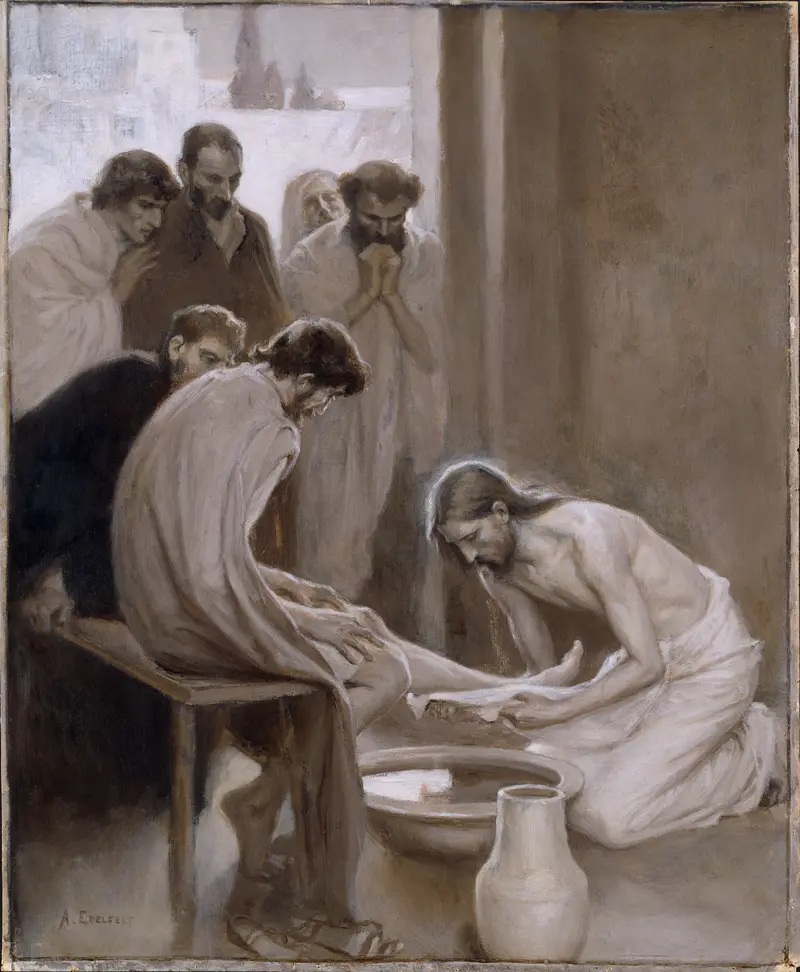
Jesus Washing the Feet of his Disciples
Albert Edelfelt

Larin Paraske with Kantele
Albert Edelfelt
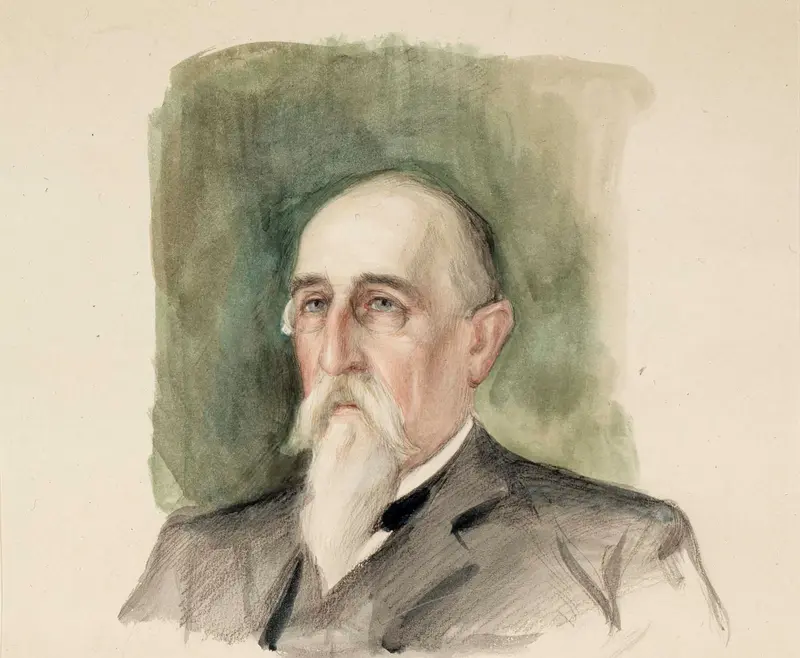
Leo Mechelin, Portrait Study
Albert Edelfelt





