
Lake Suwa — History & Facts
What if silence could speak through light? In the delicate hues of a fading sunset, the melancholy of an unvoiced longing fills the air. Look to the right at the gentle ripples across Lake Suwa, where soft blues and creams blend to reflect the sky's muted tones. The horizon, painted in shades of lavender and gold, invites the viewer's gaze to linger, creating a serene yet poignant atmosphere. Notice how the silhouettes of distant mountains frame the scene, their quiet strength a stark contrast to the delicate beauty of the lake, evoking a sense of nostalgia and introspection. Within this tranquil landscape lies an emotional tension.
The stillness evokes a profound contemplation of time and memory, suggesting both the peace of solitude and an underlying sadness. The subtle brushwork captures the fleeting nature of light, almost as if the scene itself is caught in a moment of pause, allowing the viewer to reflect on their own experiences of longing and loss. The interplay of light and shadow conveys an unspoken narrative, hinting at stories that remain untold. During the years 1832 to 1858, Utagawa Hiroshige painted Lake Suwa amidst Japan's Edo period, a time marked by cultural richness and artistic experimentation.
Living in a society that valued both nature and human emotion, Hiroshige's work reflects the growing interest in landscapes that evoke feeling, as the artist sought to capture the tranquil beauty of his surroundings while conveying deep emotional resonance within his art.
More Artworks by Utagawa Hiroshige
Browse all →
Sudden Shower over Shin Ohashi Bridge and Atake (Ohashi Atake no yudachi), from the series "One Hundred Famous Views of Edo (Meisho Edo hyakkei)"
Utagawa Hiroshige
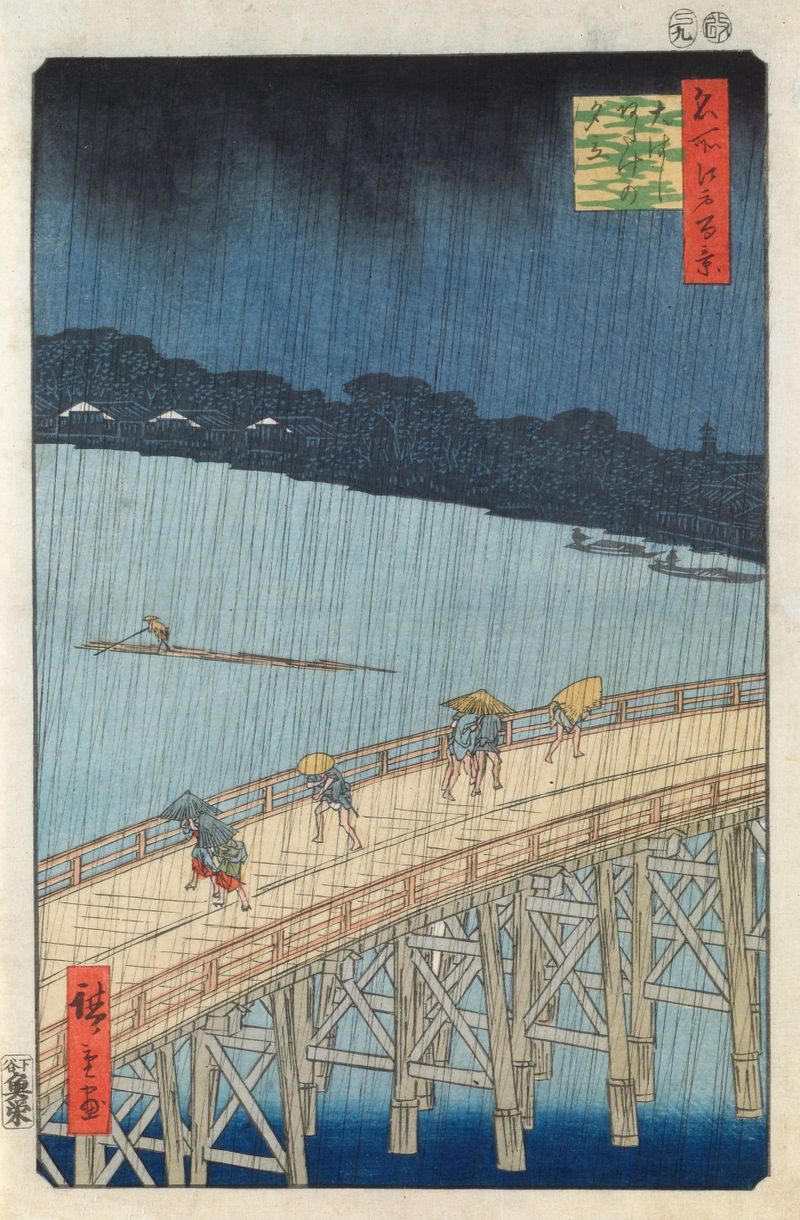
Sudden Shower Over Ohashi Bridge and Atake
Utagawa Hiroshige
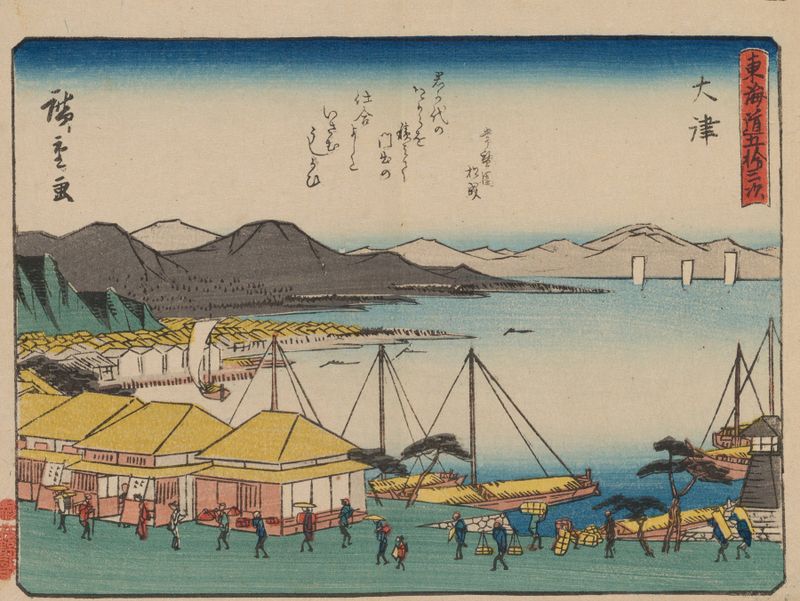
Tokaido gojusantsugi, Pl.54
Utagawa Hiroshige
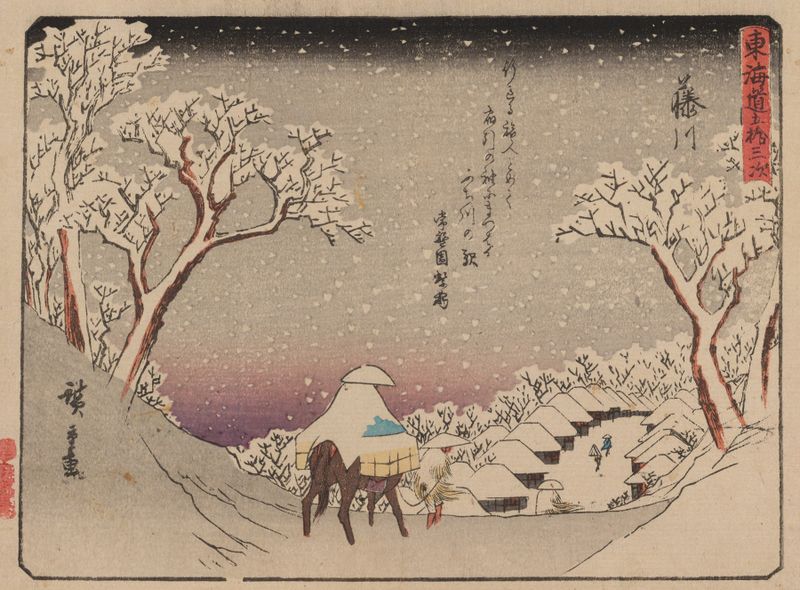
Tokaido gojusantsugi, Pl.38
Utagawa Hiroshige
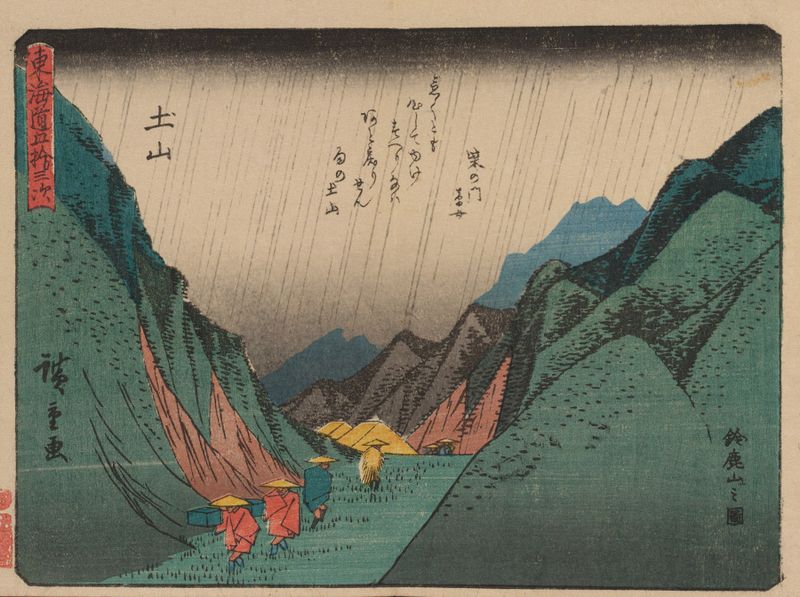
Tokaido gojusantsugi, Pl.50
Utagawa Hiroshige
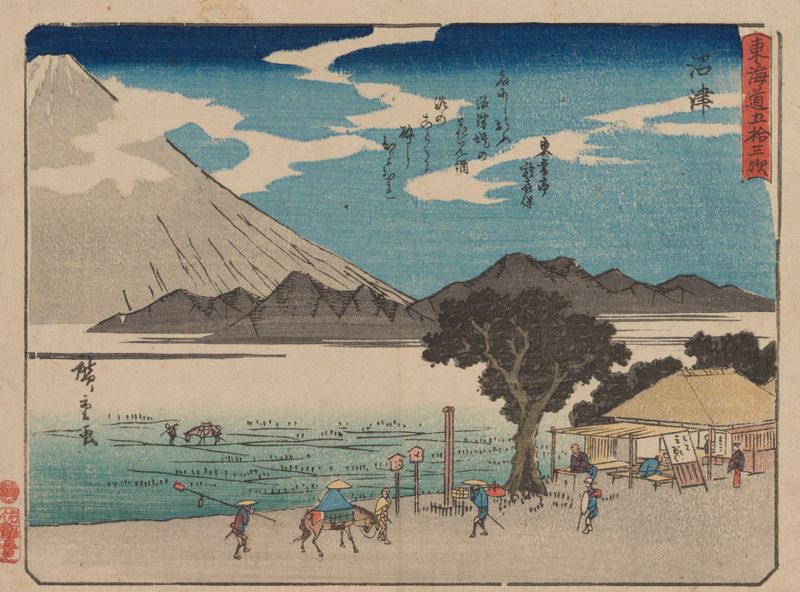
Tokaido gojusantsugi, Pl.13
Utagawa Hiroshige
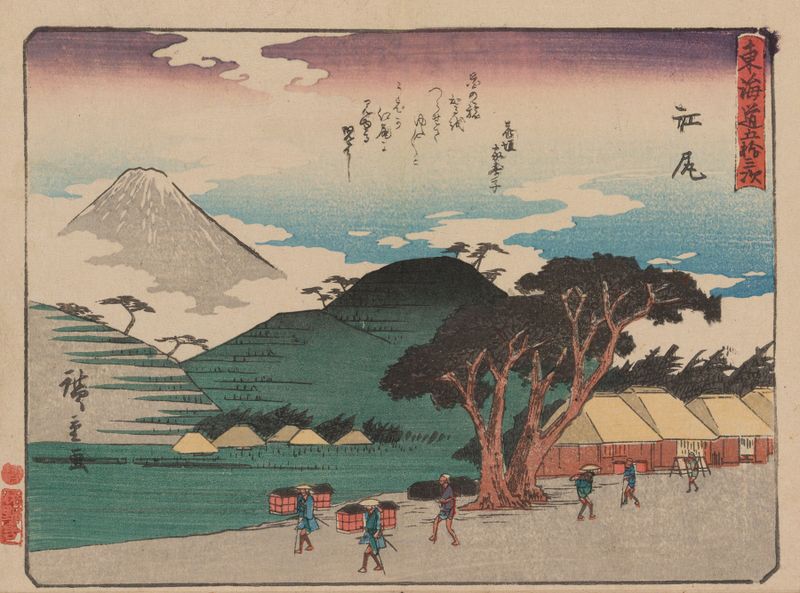
Tokaido gojusantsugi, Pl.19
Utagawa Hiroshige
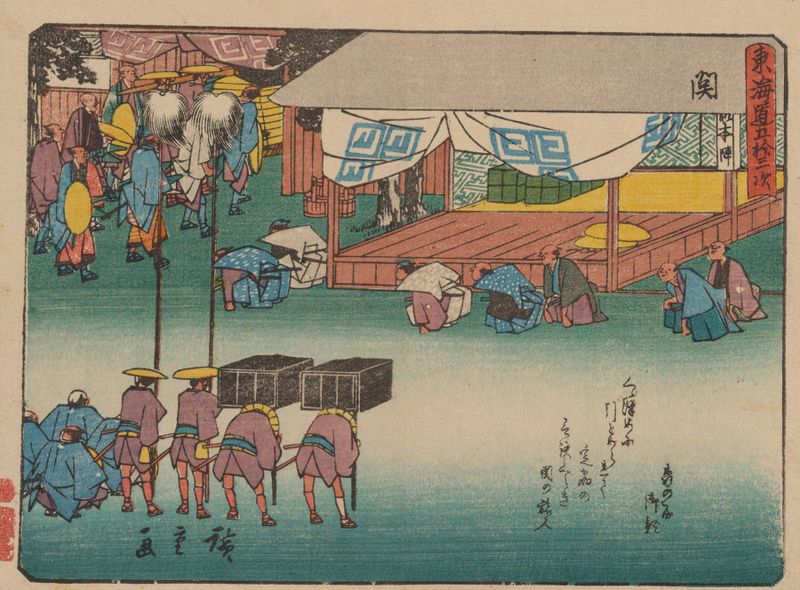
Tokaido gojusantsugi, Pl.48
Utagawa Hiroshige
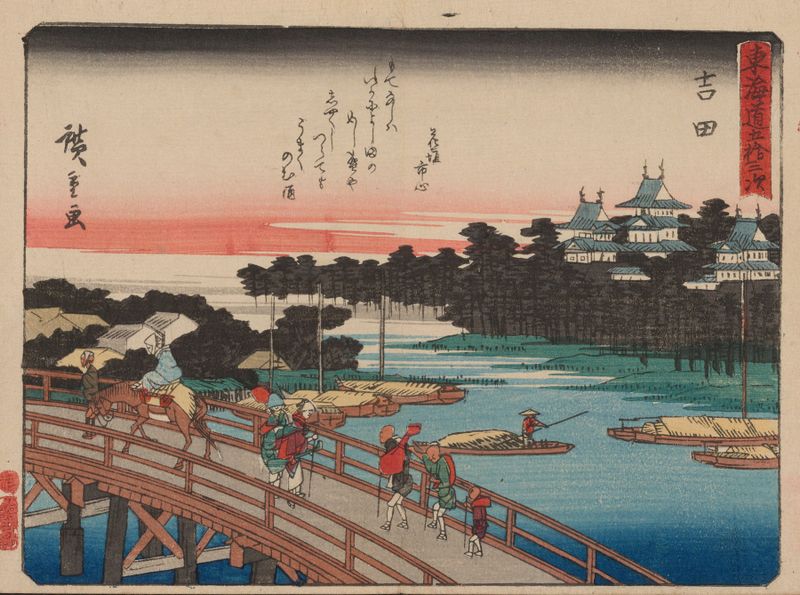
Tokaido gojusantsugi, Pl.35
Utagawa Hiroshige
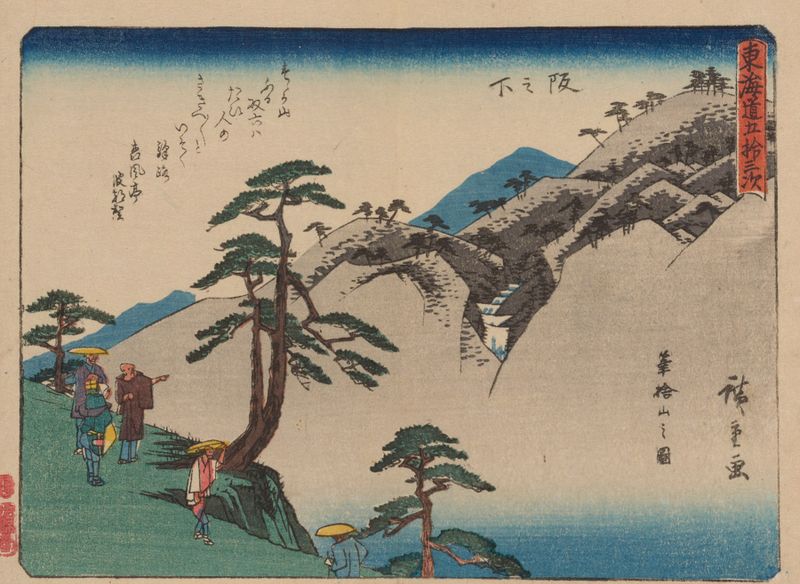
Tokaido gojusantsugi, Pl.49
Utagawa Hiroshige





