Lakeshore — History & Facts
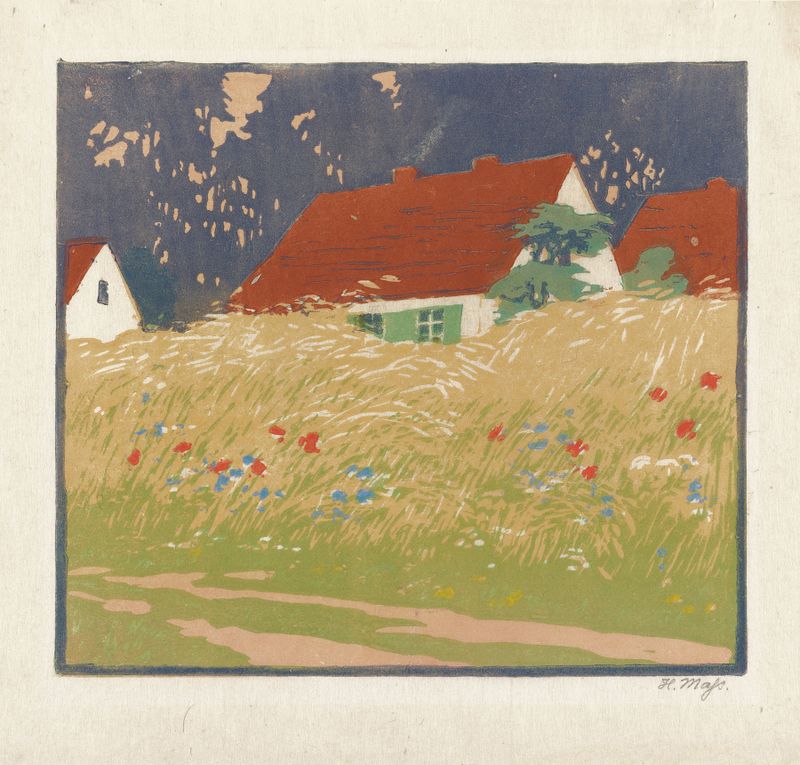
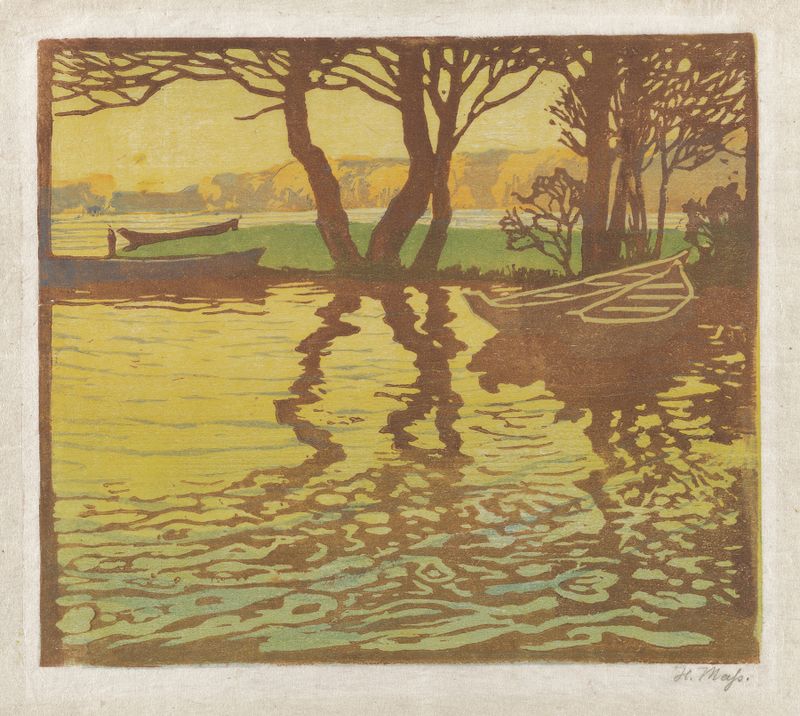
What if beauty was never meant to be finished? The fleeting nature of innocence is captured in a moment suspended between time and eternity. Focus on the gentle interplay of colors that envelop the canvas. The soft pastels of blues and greens merge seamlessly, creating a serene lakeshore that beckons the viewer. Notice how the brushstrokes mimic the caress of a breeze playing upon the water's surface, evoking a sense of calm.
The delicate light, dappled with sunlight, dances across the scene, emphasizing the lushness of the flora that thrives near the water's edge. Yet beneath this tranquil facade lies a deeper emotional current. The juxtaposition of the serene landscape against the potential for change hints at the inevitability of loss — a reminder that innocence often walks hand in hand with impermanence. The quiet ripple of water reflects not only the sky but also a sense of nostalgia, a longing for moments that can't be recaptured.
It is a haunting beauty that asks the viewer to reflect on their own experiences of innocence lost, captured forever in this picturesque setting. Created in the 1920s, the artist found herself immersed in an era marked by intense artistic innovation and social change. During this period, much of her work began to shift towards a more personal exploration of beauty and nature. In the wake of World War I, Mass sought solace in the simplicity of landscapes, reflecting both a longing for peace and a profound connection to the world around her.
This painting stands as a testament to her ability to convey deep emotion through gentle brushwork and color.