Bungalow with Flowers — History & Facts
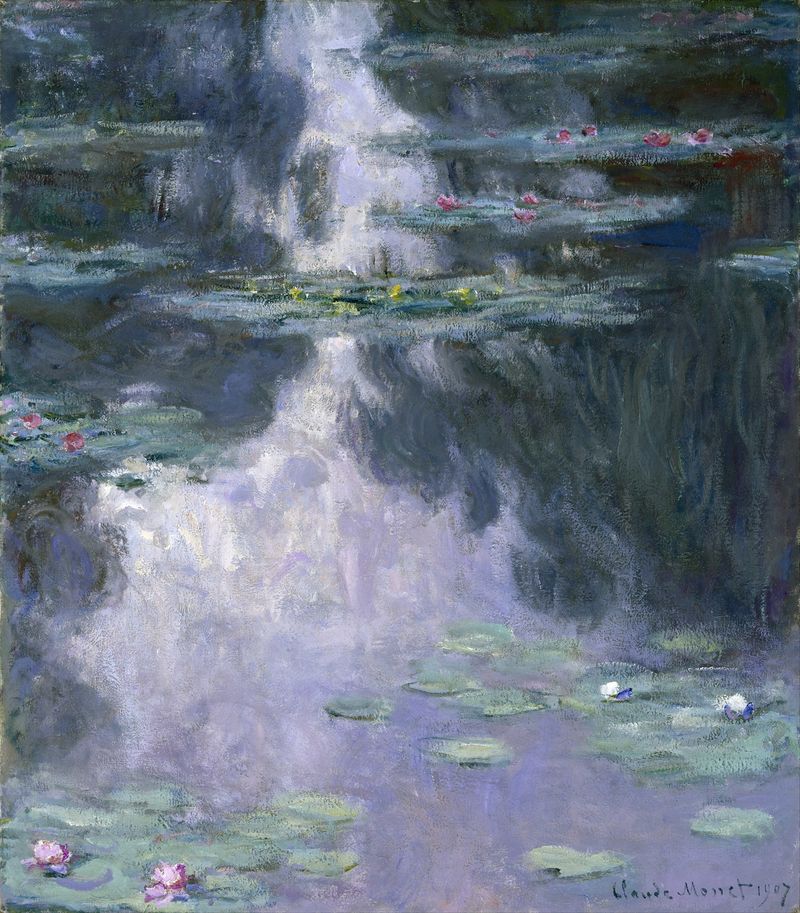
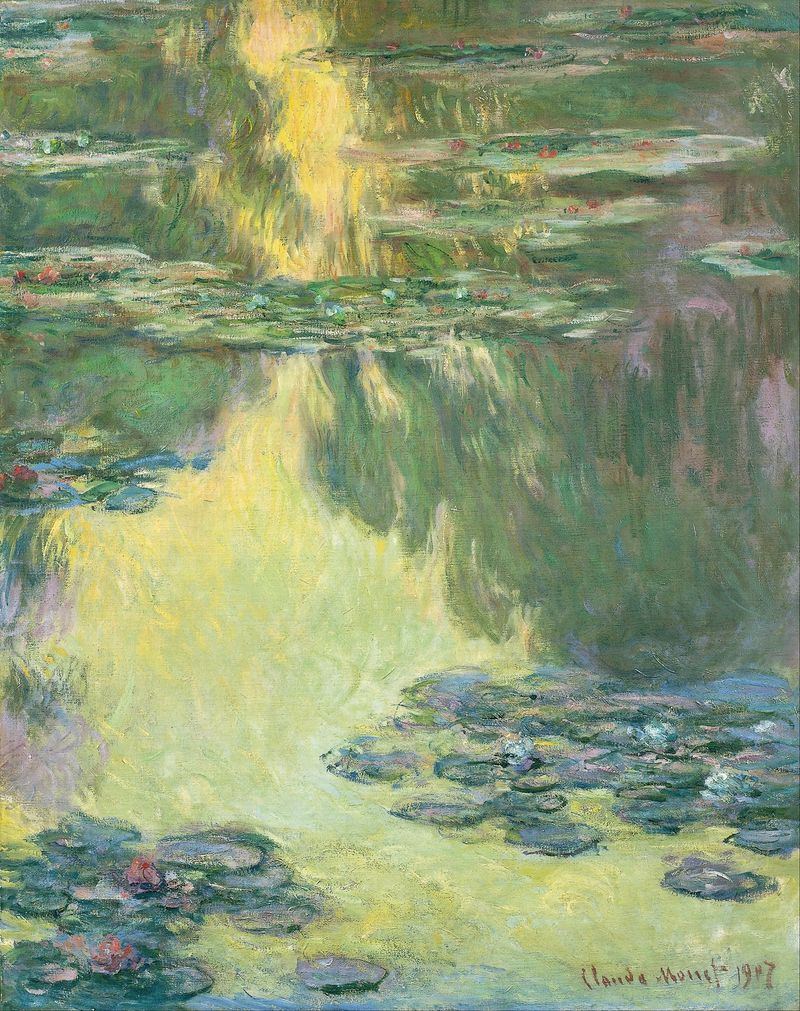
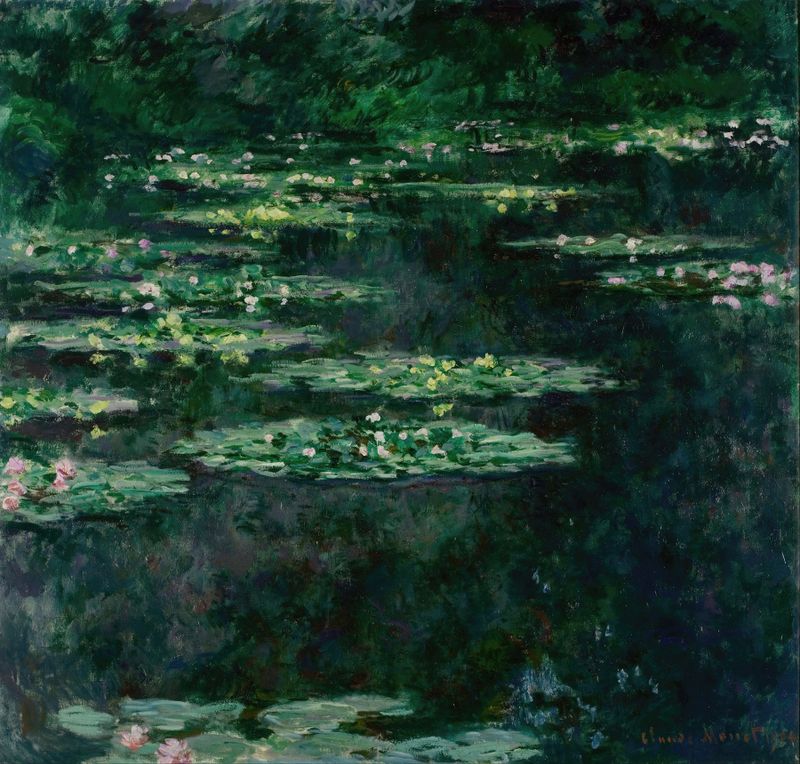
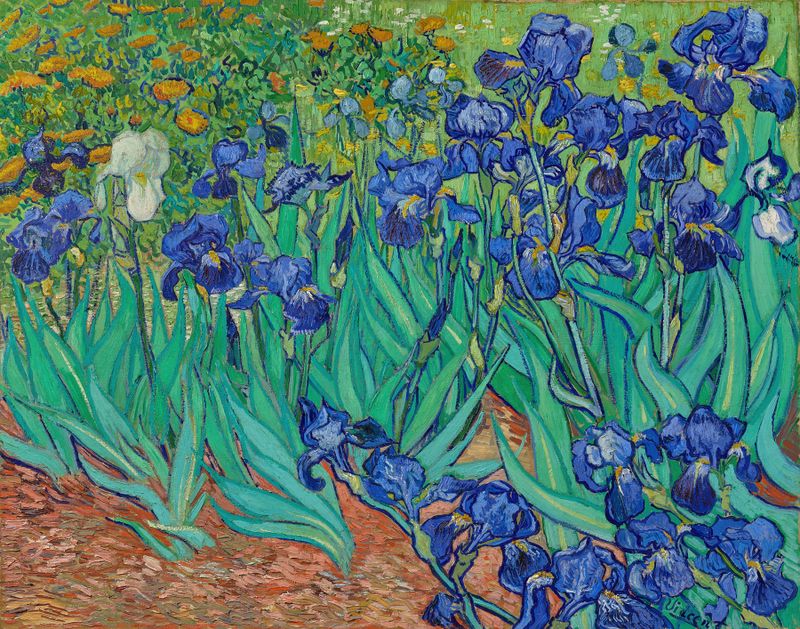
When did color learn to lie? In a world where hues dance and deceive, the vibrant palette of a tranquil bungalow invites us to question our perceptions of beauty and truth. Look to the left at the cascading blooms that frame the entrance, their vivid reds and yellows almost pulsating with life under the soft sunlight. Notice how the rich greens of the foliage create a lush sanctuary, pulling the eye toward the simple, inviting form of the house that sits at the center. The artist’s brushstrokes blend colors with a delicate precision, evoking a sense of warmth and cheerfulness that immerses the observer in a serene embrace. Yet beneath this idyllic surface lies a tension between the natural and the constructed.
The flowers, so exuberant and seemingly carefree, stand as a stark contrast to the bungalow's sturdy facade, hinting at the fragility of domesticity. The interplay of light and shadow further adds a layer of complexity, suggesting the passage of time and the inevitable decay that accompanies beauty. This balance between exuberance and stability invites reflection on the fleeting nature of life itself. Helene Mass created this piece around 1920, during a period when she was establishing herself within the emerging modernist scene in Paris.
Having moved from the United States, she sought to capture the essence of European landscapes and gardens, finding inspiration in the juxtaposition of urban and natural environments. The post-World War I era was marked by a yearning for peace and beauty, a sentiment that resonates deeply in the lush vibrancy of this work.