Reflections — History & Facts
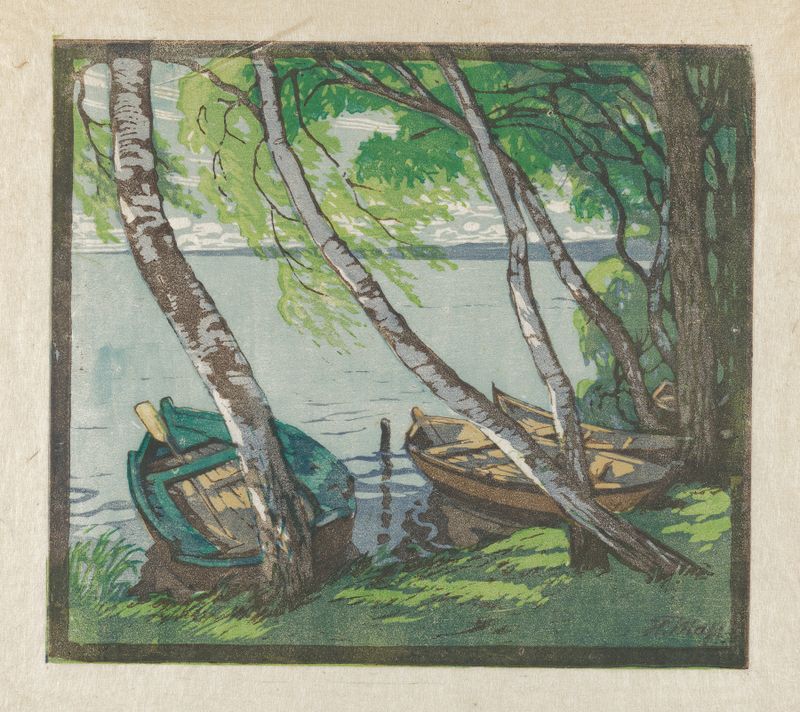
In the gentle embrace of memory, grief pervades the canvas, urging us to confront the beauty that comes from loss. Look closely at the shimmering surface of water, where soft ripples distort the reflections above. The muted color palette evokes a melancholic tranquility, with shades of blue and grey intertwining like whispered secrets. Notice how the light dances delicately, illuminating the edges of each reflection, creating a play between reality and the ephemeral.
It invites you to linger, to explore the hidden depths that lie beneath the surface. Within this serene yet poignant composition, the act of reflection holds profound meaning. The distortions in the water symbolize the way grief alters our perception, making familiar landscapes seem foreign and elusive. The interplay of light and shadow reveals contrasting emotions—hope intertwined with sorrow, beauty shadowed by longing.
Each element, from the gentle brushstrokes to the subtle variations in hue, speaks to the complexity of remembrance, reminding us that healing often emerges through the act of recollection. Helene Mass created this evocative piece during a transformative period in the art world. Between 1920 and 1929, she navigated personal challenges while contributing to the burgeoning modernist movement in France. As artists experimented with form and expression, Mass sought to evoke emotion through her delicate depictions of nature and memory, capturing the essence of human experience amidst the chaotic changes surrounding her.