
L’Allée aux frênes — History & Facts
What secret hides in the quiet of the canvas? In L’Allée aux frênes, the stillness of the scene invites contemplation, echoing the depths of solitude that nature can evoke. Look to the right at the towering ash trees, their branches reaching out like silent sentinels guarding the path ahead. The dappled light filters through the foliage, casting intricate patterns upon the ground and revealing a rich palette of greens and earthy browns. Notice how the winding pathway draws the viewer’s eye deeper into the woodland, yet it remains devoid of figures, amplifying the sense of emptiness permeating the scene.
The gentle brushwork suggests a tranquil atmosphere, while the precise detail highlights Hackaert's masterful technique in capturing the essence of an untouched landscape. The absence of human presence transforms this natural corridor into a metaphor for solitude and reflection. The interplay of light and shadow creates a captivating tension, suggesting both a welcoming embrace and a haunting isolation. Each tree appears to stand in quiet dialogue with the other, their silent conversation exploring themes of connection and disconnection that resonate deeply in the human experience. In 1670, Jan Hackaert painted L’Allée aux frênes during a period when Dutch landscape painting was gaining prominence, reflecting society's growing appreciation for nature's beauty.
This work emerged during a time of personal transition for the artist, as he sought to establish himself amidst the competitive artistic landscape of the Netherlands. Hackaert's focus on landscapes without human figures signaled a broader trend that prioritized nature’s intrinsic worth, moving art beyond mere representation to evoke emotional and philosophical explorations.
More Artworks by Jan Hackaert
Browse all →
Forest Landscape with Stag Hunt
Jan Hackaert
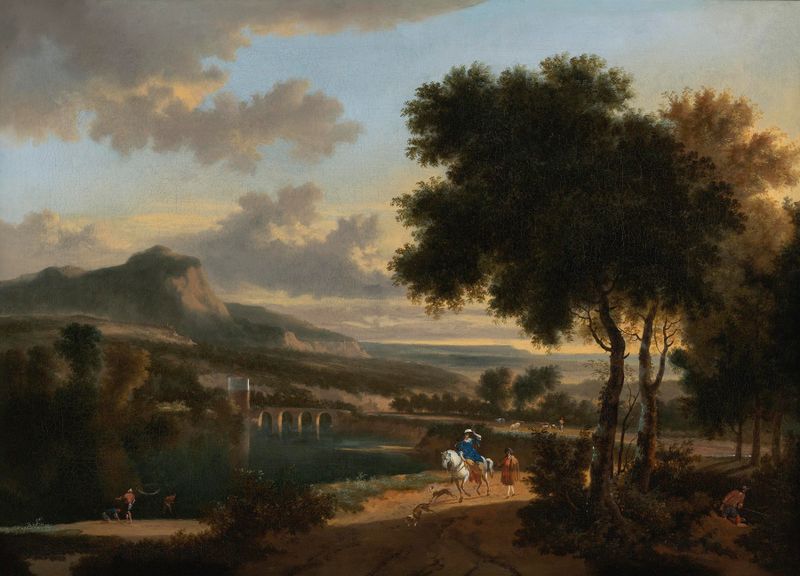
An Extensive Landscape With Travellers, Fishermen And Cattle Drovers On A Path With A Roman Bridge Beyond
Jan Hackaert
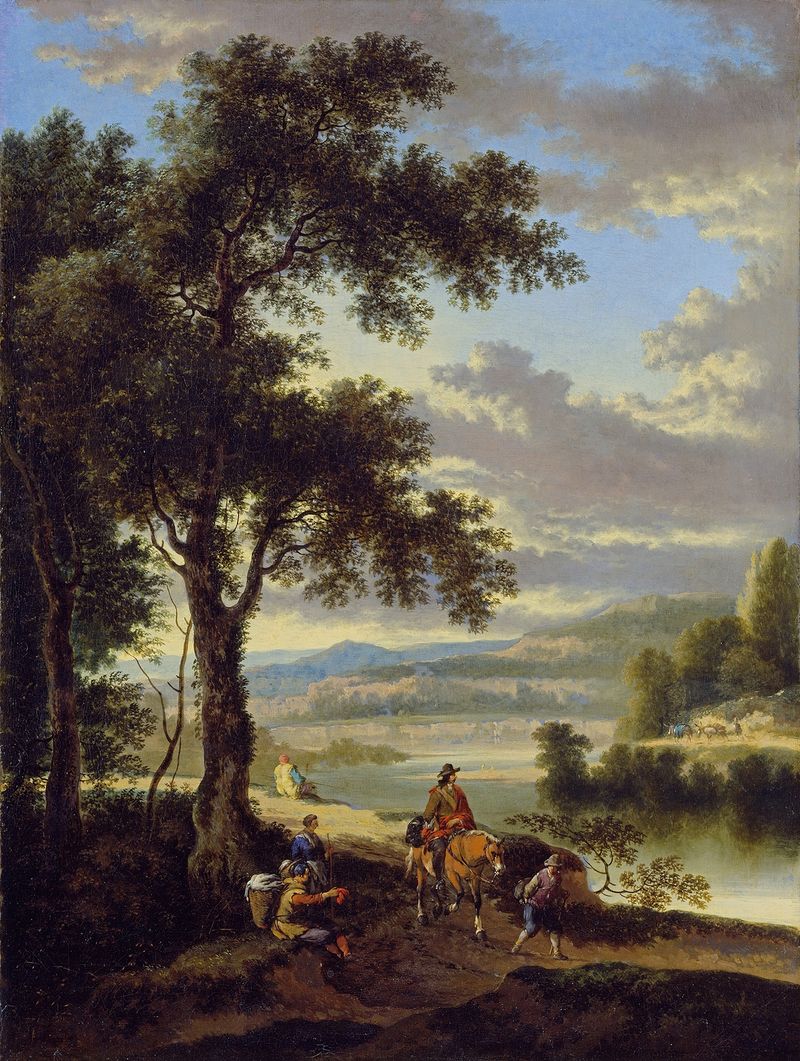
The Wooded Banks of a River
Jan Hackaert
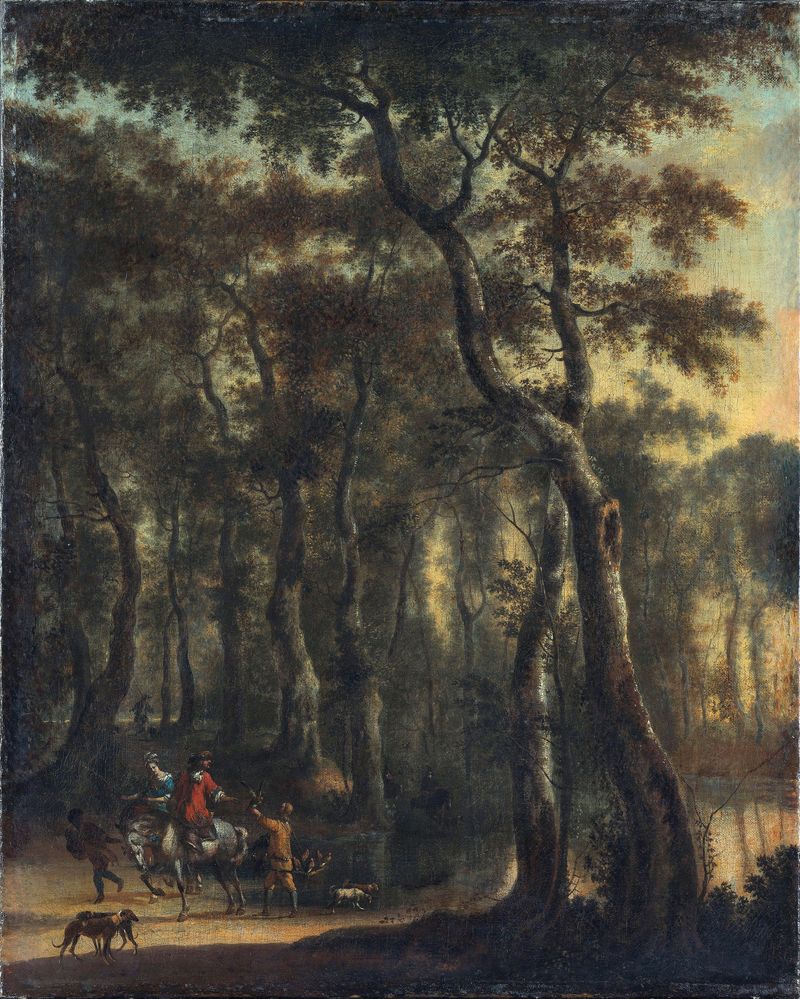
Hunters in the Woods
Jan Hackaert
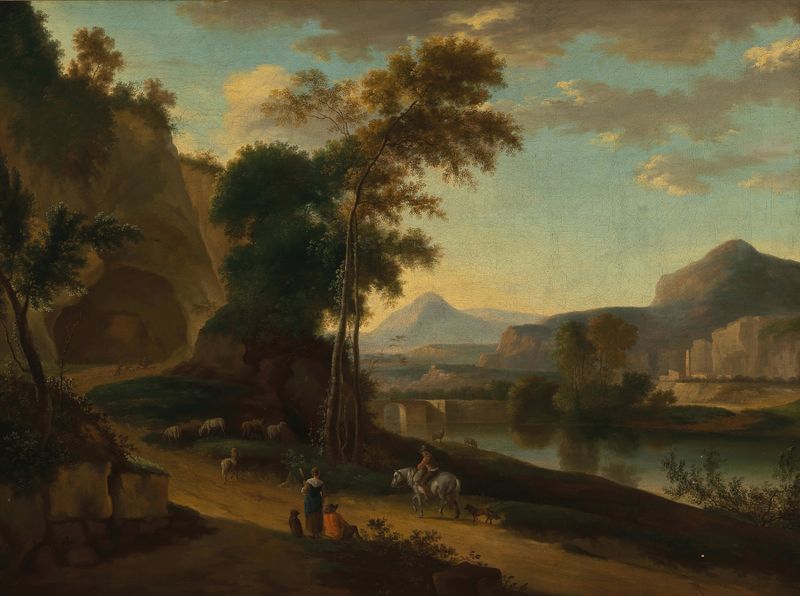
An extensive river landscape with travellers
Jan Hackaert
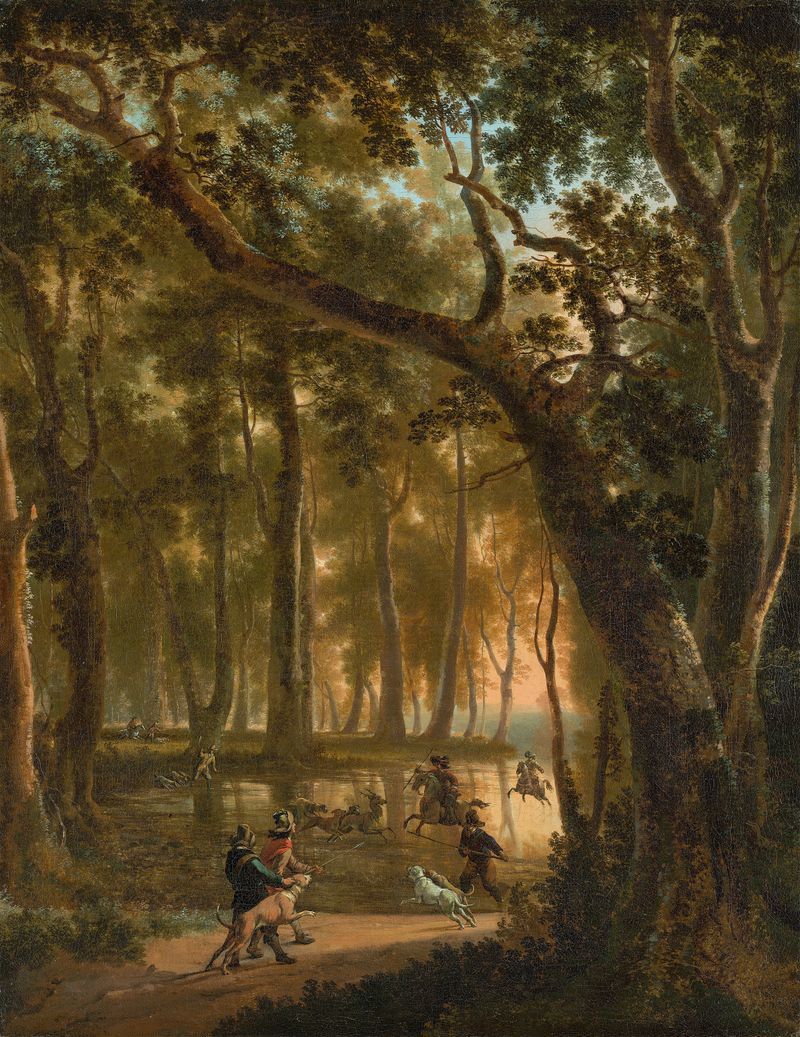
Deer Hunt in a Forest
Jan Hackaert
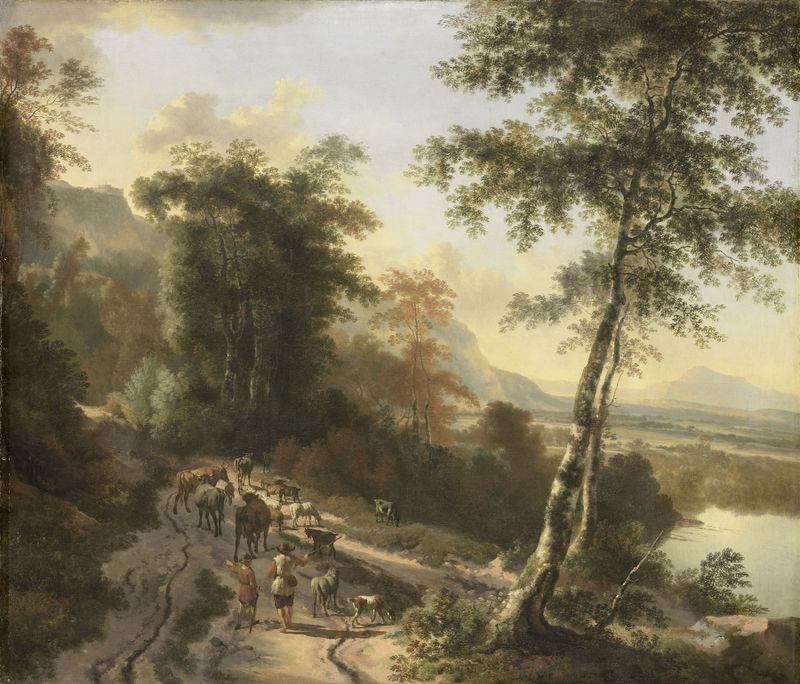
Landscape with Cattle Drivers
Jan Hackaert

Mountainous Landscape
Jan Hackaert
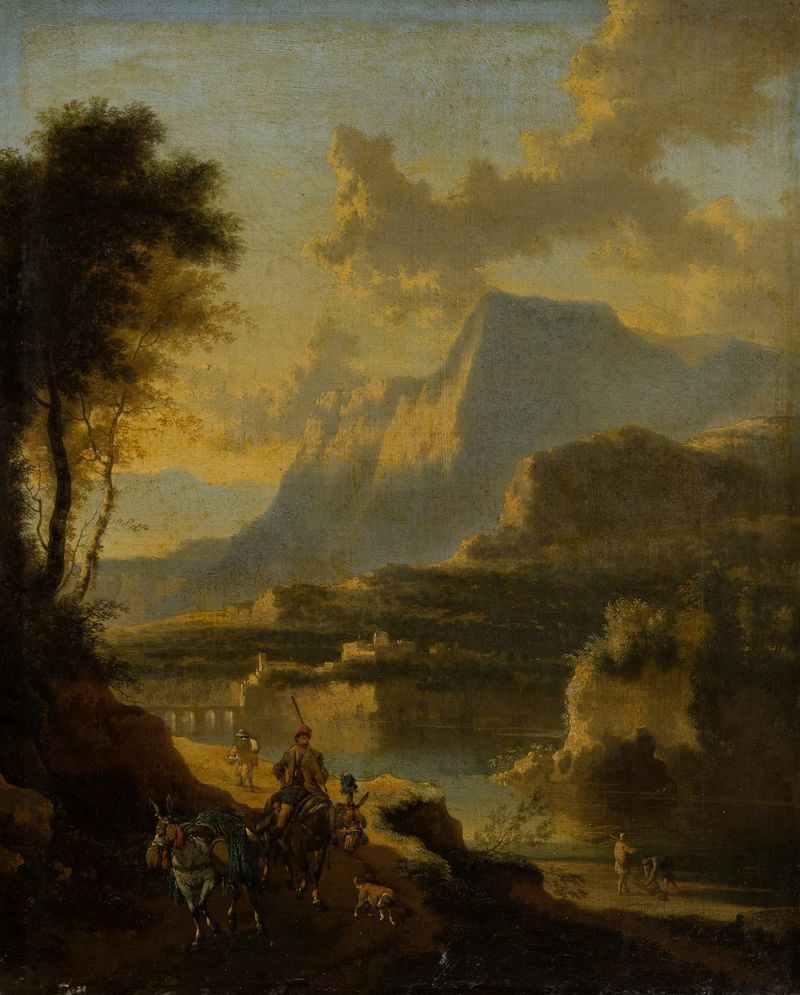
Mountainous Landscape with Rider at Sunset
Jan Hackaert

The Avenue of Birches
Jan Hackaert





