
The Wooded Banks of a River — History & Facts
Can beauty exist without sorrow? In the 1660s, the brush of Jan Hackaert captured a moment where divinity intertwines with nature, whispering secrets of tranquility and melancholy. Look to the left at the gentle curve of the river, its surface a mirror reflecting the vibrant blues and greens of the surrounding trees. The meticulous detail in the foliage draws the eye, every leaf almost tangible, while the dappled sunlight creates a harmonious dance of light and shadow. Notice how the horizon fades softly, suggesting an endless expanse, inviting viewers to lose themselves in the lush serenity of the wooded banks. Yet, beneath this idyllic scene lies a tension—a reminder of nature's impermanence.
The river, a lifeline, flows steadily, yet its currents hint at change and movement, an eternal reminder of time's passage. The juxtaposition of vibrant colors against the darker undergrowth evokes a sense of duality; beauty thrives amid decay, and light flourishes where shadows linger. Such contrasts invite contemplation of life’s fleeting moments, where joy and sorrow coexist harmoniously. During this period, Hackaert navigated the rich artistic milieu of the Dutch Golden Age, creating landscapes that offered both visual pleasure and deeper reflections.
Living in the Netherlands, where nature was a central theme in art, he produced The Wooded Banks of a River as part of a body of work that celebrated both the abundance and fragility of the environment. This piece stands testament to the era's growing fascination with natural beauty, reflecting both the divine artistry of creation and the poignant reality of existence.
More Artworks by Jan Hackaert
Browse all →
Forest Landscape with Stag Hunt
Jan Hackaert
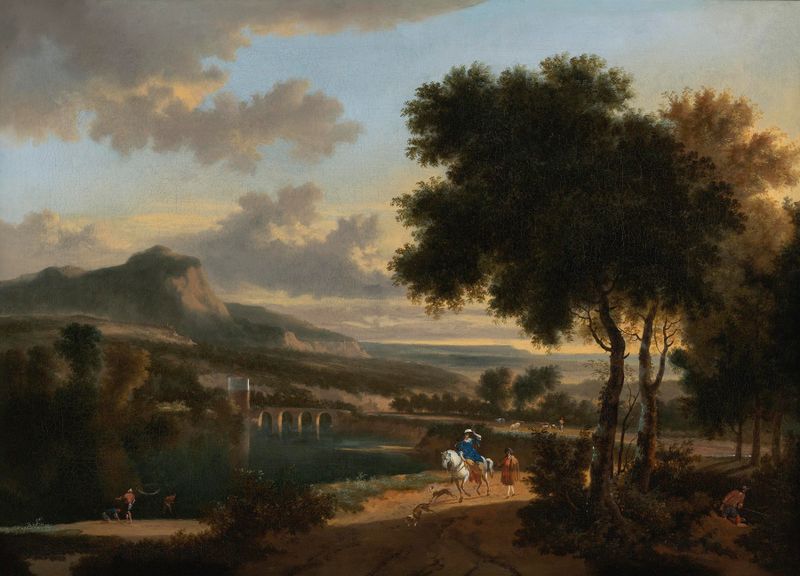
An Extensive Landscape With Travellers, Fishermen And Cattle Drovers On A Path With A Roman Bridge Beyond
Jan Hackaert
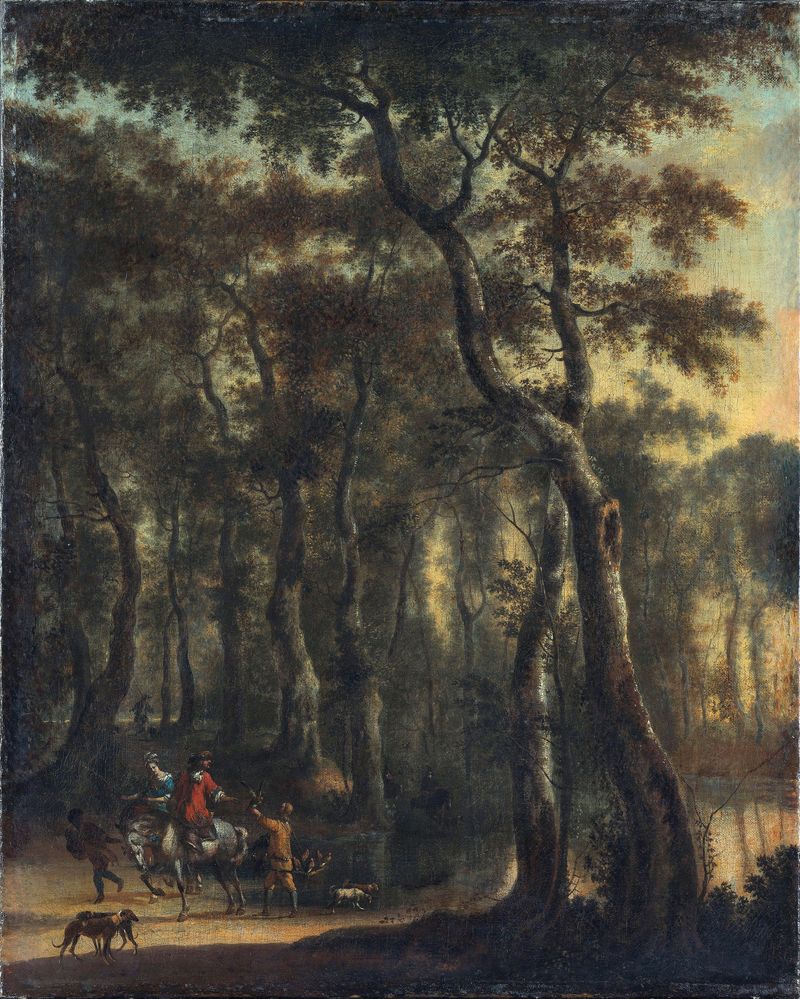
Hunters in the Woods
Jan Hackaert
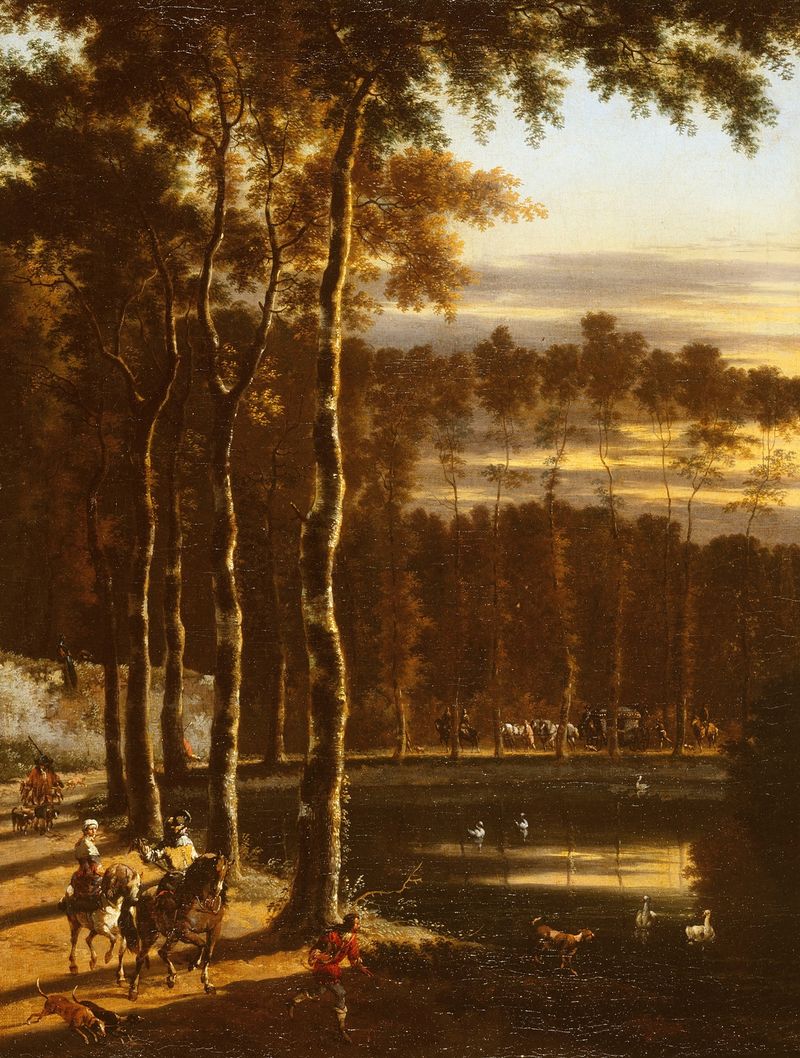
L’Allée aux frênes
Jan Hackaert
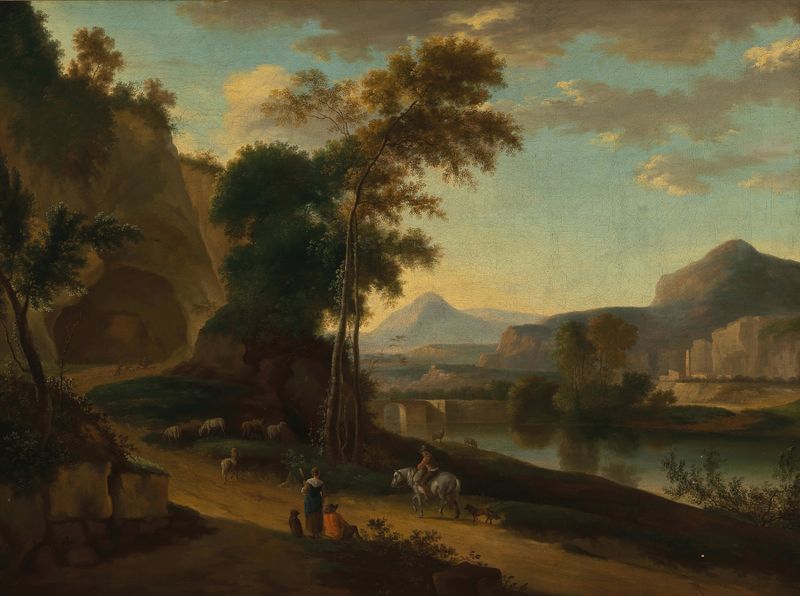
An extensive river landscape with travellers
Jan Hackaert
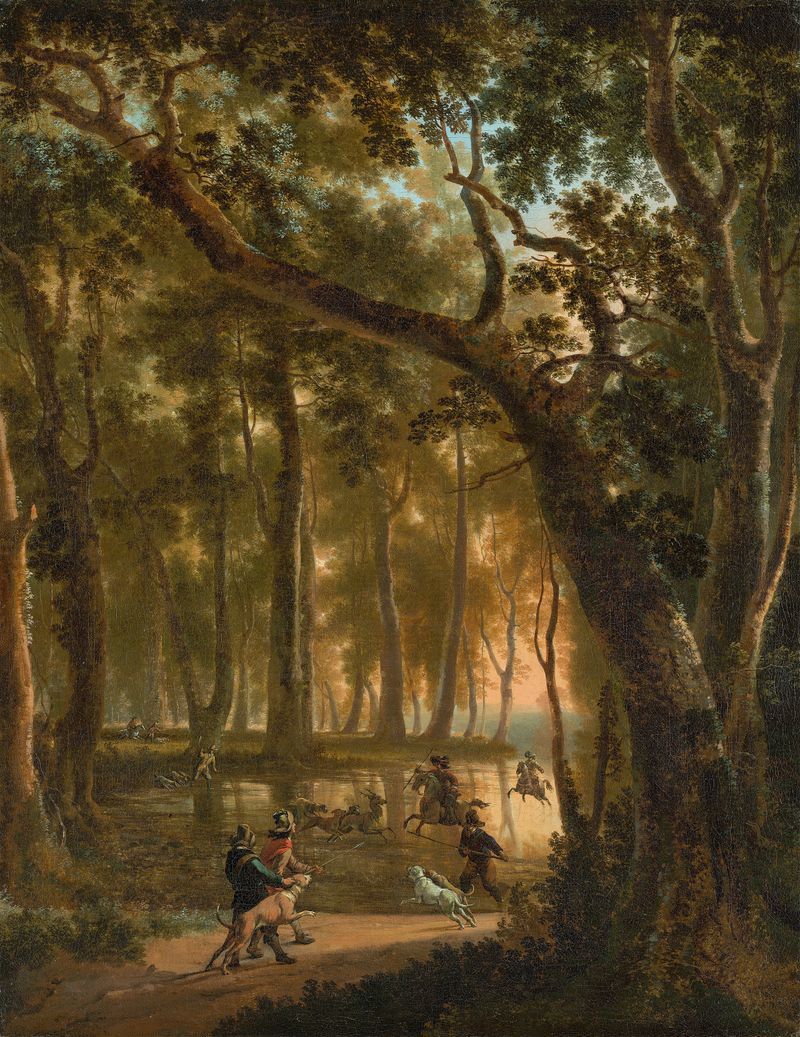
Deer Hunt in a Forest
Jan Hackaert
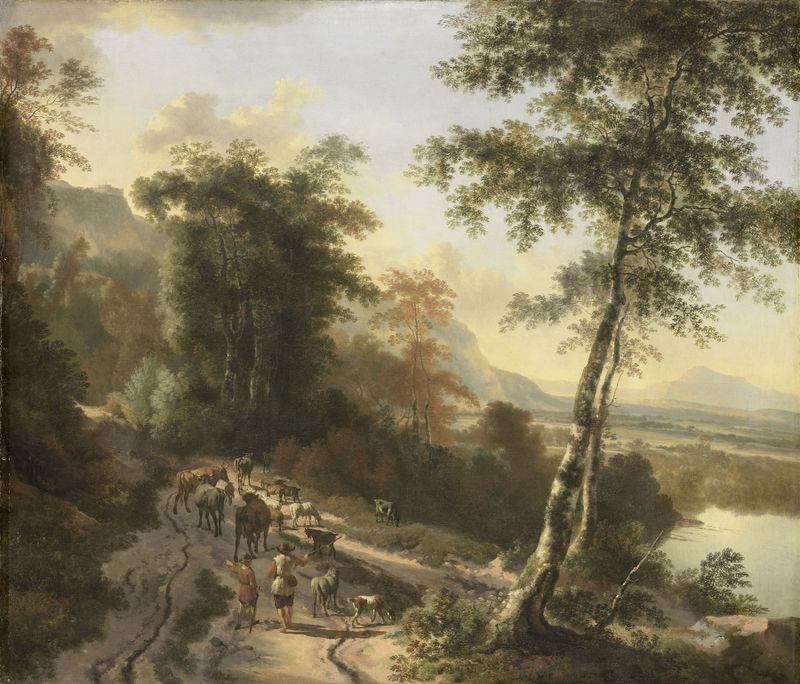
Landscape with Cattle Drivers
Jan Hackaert

Mountainous Landscape
Jan Hackaert
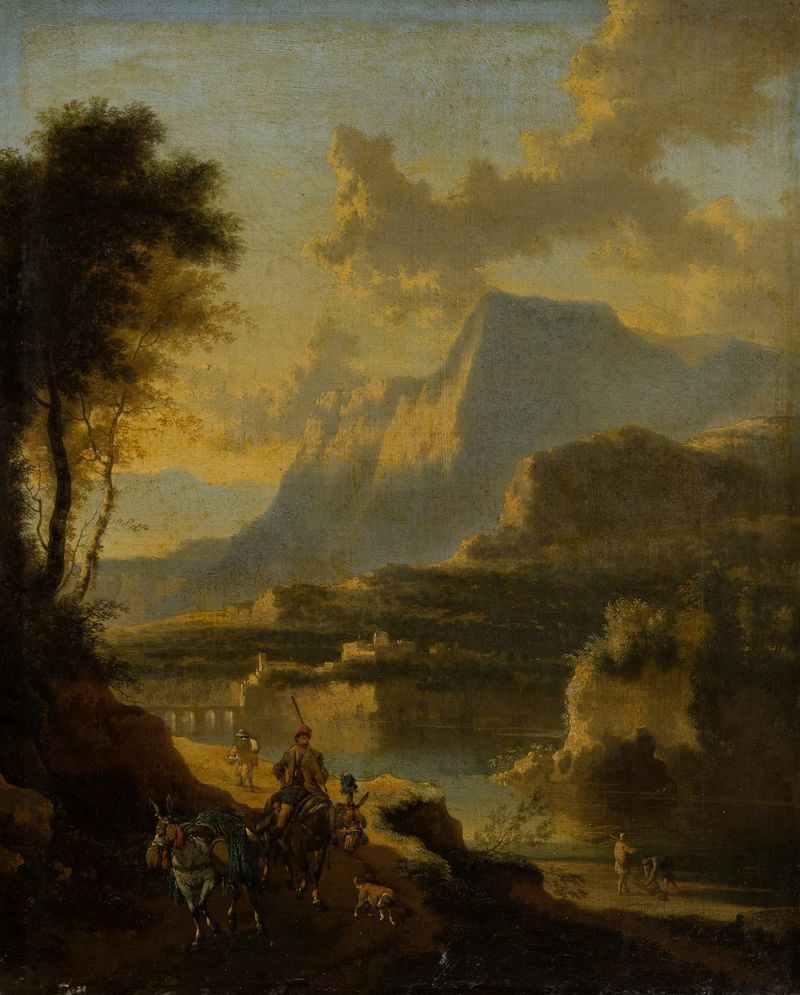
Mountainous Landscape with Rider at Sunset
Jan Hackaert

The Avenue of Birches
Jan Hackaert





