
Landhaus Villette — History & Facts
Did the painter know this moment would outlive them? In Landhaus Villette, a scene unfolds that embodies a serene pause in an ongoing dance of life. Look to the left at the gentle curve of the path leading up to the house, inviting the viewer's gaze. The earthy tones of ochre and green meld together, creating an embrace of nature and architecture. Notice how the light dapples through the leaves, casting playful shadows that flicker across the rustic walls, suggesting a whisper of movement.
Each brushstroke conveys a sense of stillness amidst nature's subtle pulse, reflecting a moment suspended in time. Hidden within the composition is a profound tension between permanence and transience. The sturdy structure of the house stands in stark contrast to the delicate flutter of the surrounding foliage, suggesting the fragility of human creations against nature's omnipresence. Furthermore, the choice of muted colors evokes nostalgia, hinting at the passage of time and the stories that reside within these walls.
It serves as a reminder that despite our lives being fleeting, they can echo in the spaces we create. Franz Niklaus König created Landhaus Villette during the tumultuous years between 1915 and 1945, a period marked by both world wars and significant shifts in artistic movements. Residing in Switzerland, he explored themes of identity and place against the backdrop of a changing Europe. The work reflects not only his personal vision but also a collective yearning for tranquility and continuity in uncertain times.
More Artworks by Franz Niklaus König
Browse all →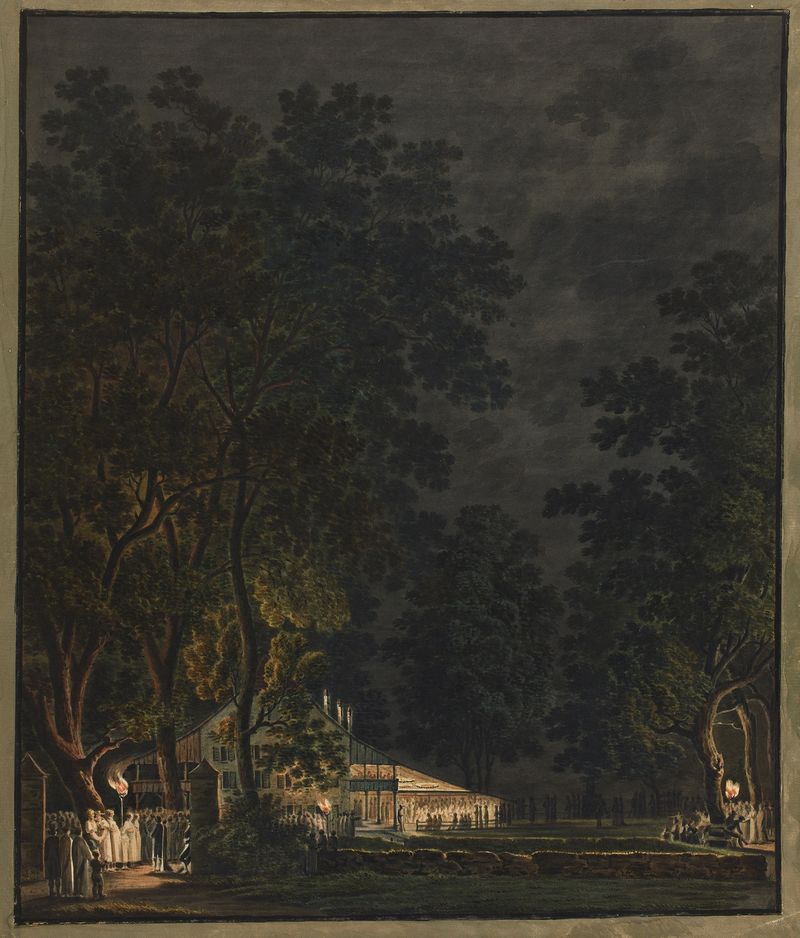
Abend des zweiten Unspunnenfests
Franz Niklaus König
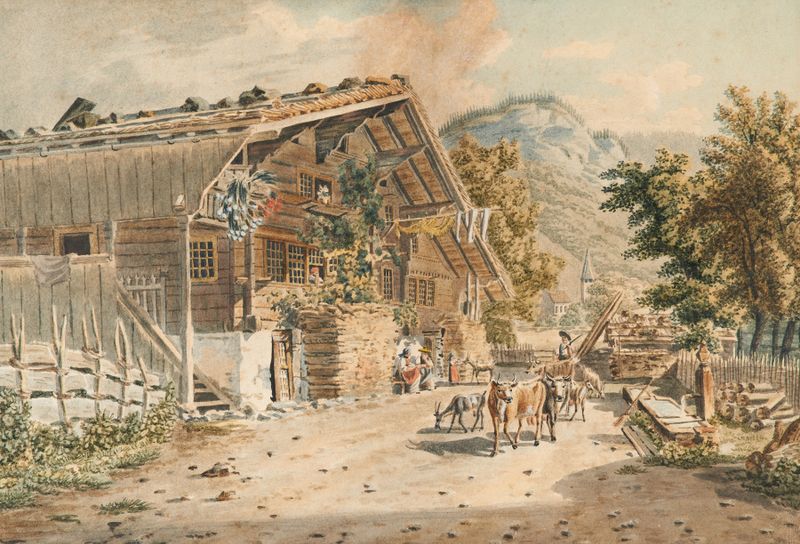
Bauernhaus und Strasse in Meiringen
Franz Niklaus König

Mondaufgang am Thunersee
Franz Niklaus König

Bauernhaus im Berner Oberland
Franz Niklaus König
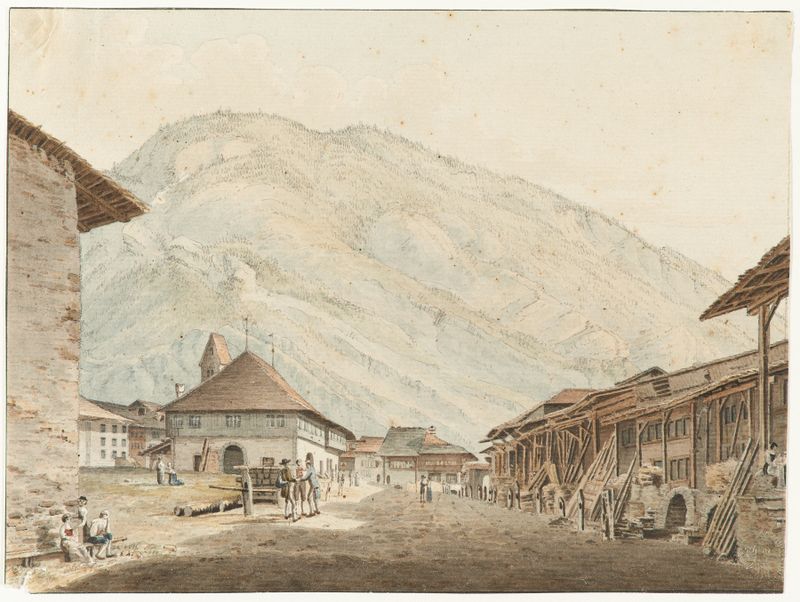
Ansicht von Unterseen
Franz Niklaus König
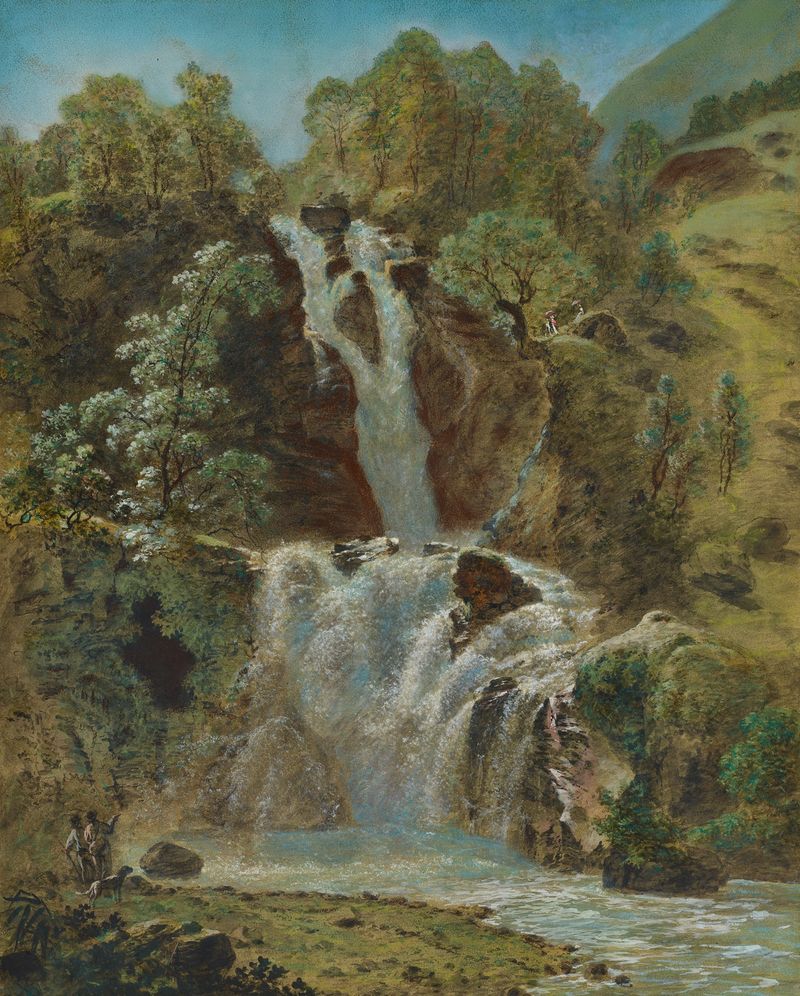
Chute inférieure du Reichenbach dans la vallée d’Oberhasli
Franz Niklaus König
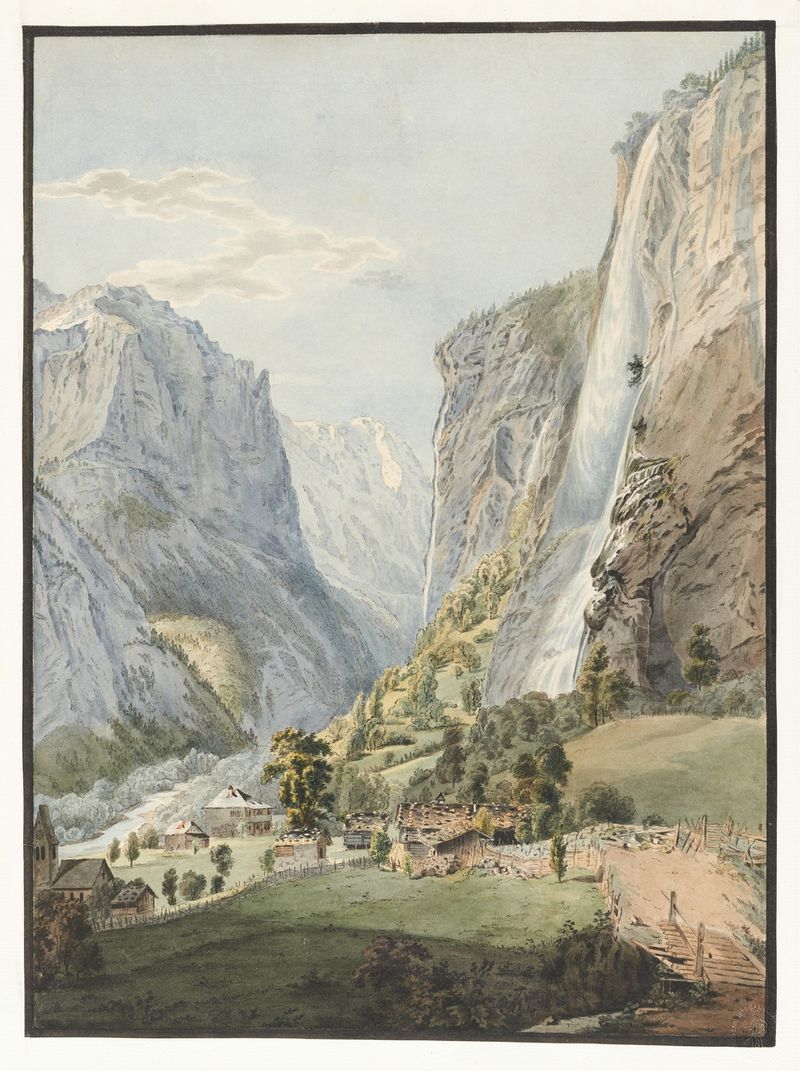
La Chute du Staubbach, dans la Vallée de Lauterbrunnen
Franz Niklaus König
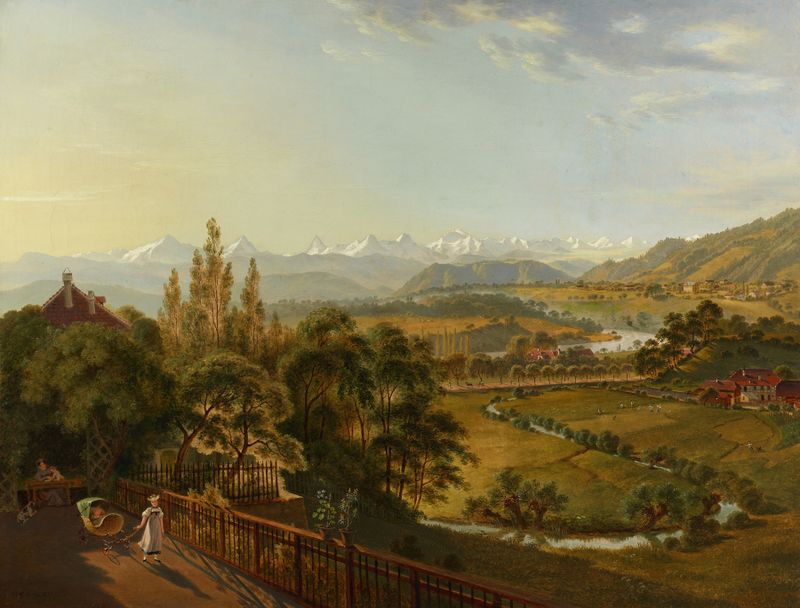
Blick von der Kleinen Schanze gegen die Alpen
Franz Niklaus König
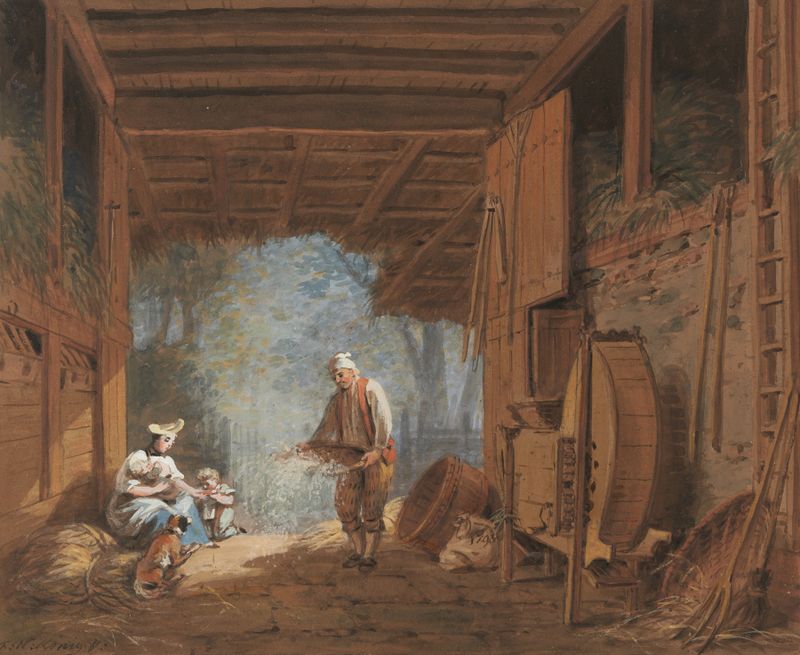
Bauernfamilie im Tenn
Franz Niklaus König
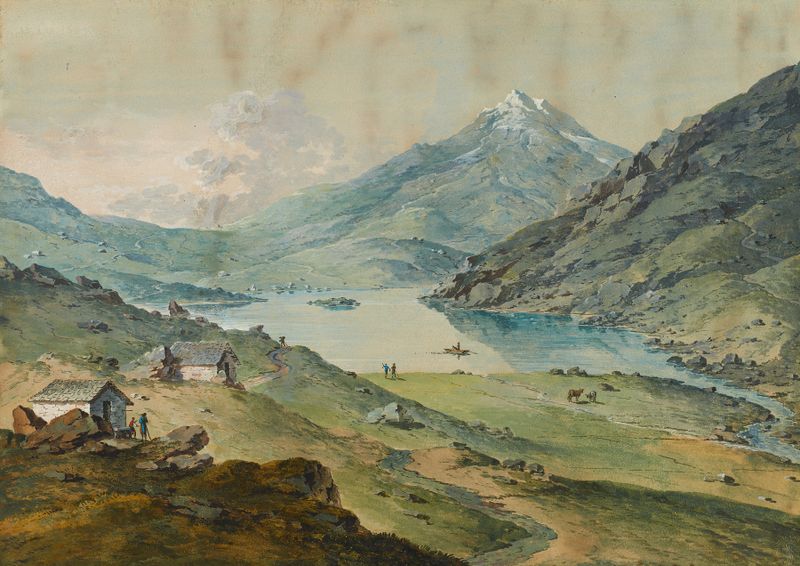
Berglandschaft mit See
Franz Niklaus König





