
Landscape — History & Facts
Can paint confess what words never could? In the shadows of a vast landscape, emotions whisper through the brushstrokes, revealing an undercurrent of fear that lingers just beneath the surface. Look to the horizon, where the muted greens and somber grays intertwine, creating a sense of melancholy. The sky looms heavy, casting a somber light that seems to envelop the scene, while the distant mountains stand silent and imposing. Notice how the trees, with their gnarled branches, lean as if burdened by unspoken secrets, drawing the eye inward to the subtle details that beckon exploration. Yet, it is the interplay of light and shadow that unveils deeper meanings, highlighting an emotional tension between tranquility and unease.
The serene river, flowing gracefully, contrasts with the dire clouds above, hinting at an impending storm. Each brushstroke carries a weight of uncertainty, suggesting that beneath the serene façade of the landscape, fear resides, echoing the human experience of vulnerability in the face of nature's majesty. In the 17th century, Roghman was influenced by the burgeoning Dutch landscape movement, which sought to capture the essence of the natural world. During this time, he painted from his studio in the Netherlands, where rapidly changing socio-political climates fueled a desire for introspection.
His work reflects a transition in art, embracing the emotional landscape alongside the physical, as artists began to explore the complexities of human sentiment through their portrayals of nature.
More Artworks by Roelant Roghman
Browse all →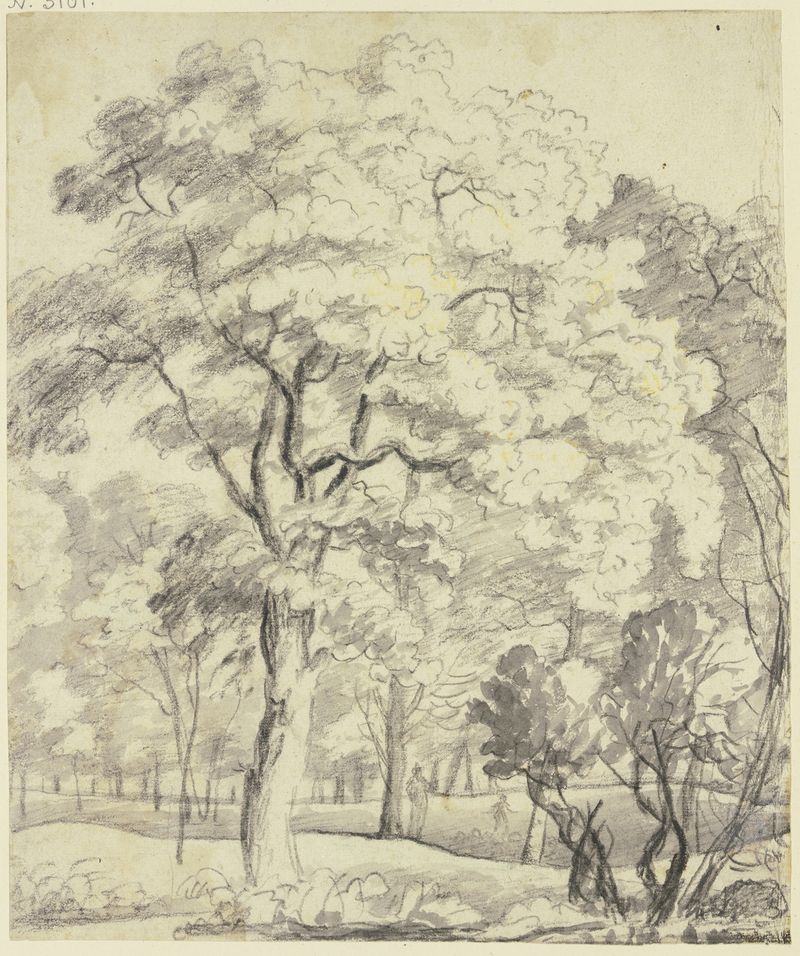
Waldpartie mit zwei Figuren
Roelant Roghman
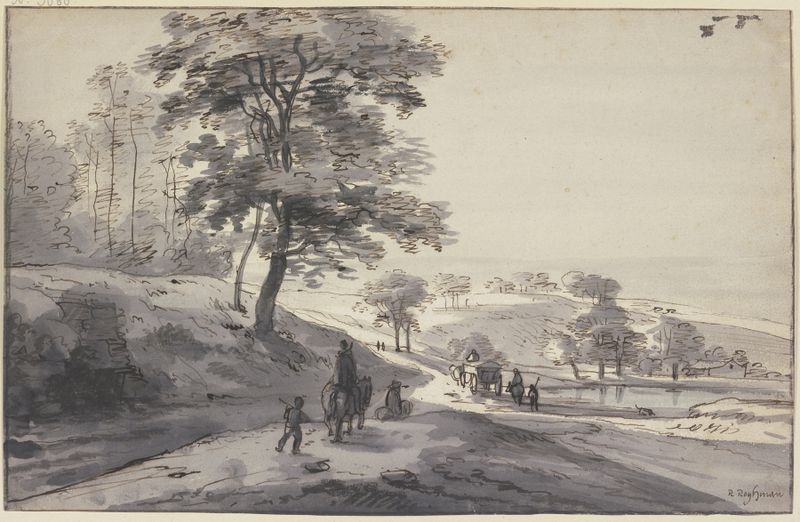
An einem Wasser vorbei über einen Hügel zieht sich ein mit einem Wagen, Reitern und Fußgängern belebter Weg
Roelant Roghman
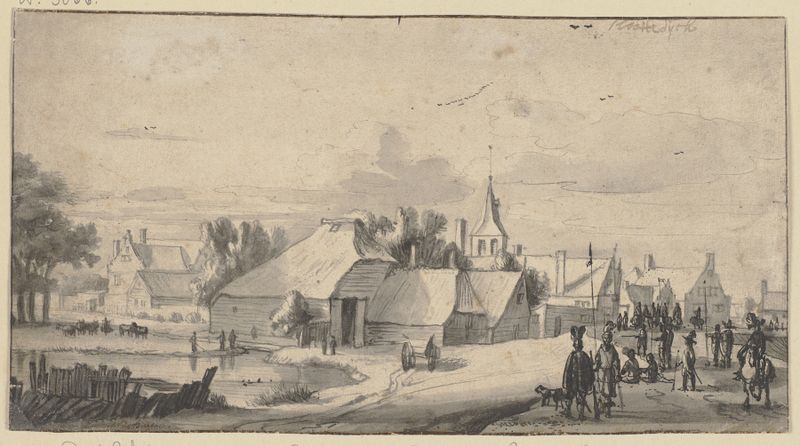
Das Dorf Sloterdyk zur Zeit des Durchzuges der Truppen des Prinzen Wilhelm II von Oranien im Jahre 1650
Roelant Roghman

Landschap met een reiswagen voor een boerderij
Roelant Roghman

The Ruin of Huis ‘t Sant at Katwijk aan Zee
Roelant Roghman
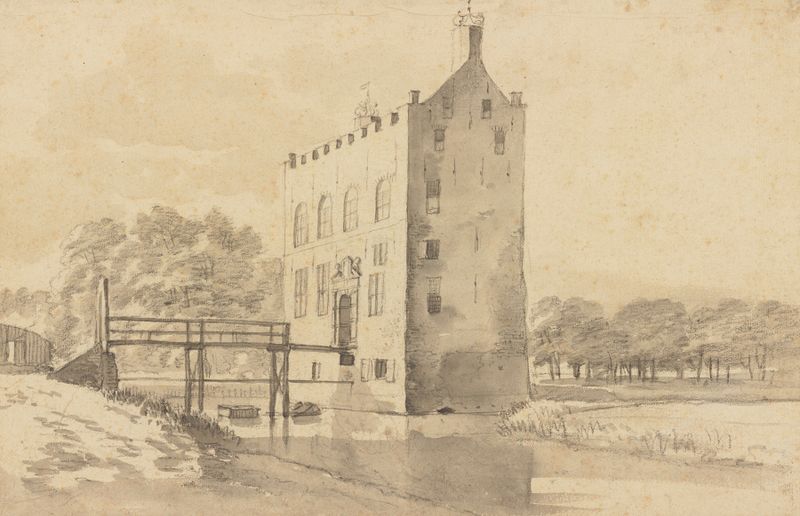
The Castle Giessenburg, near Gorinchem
Roelant Roghman
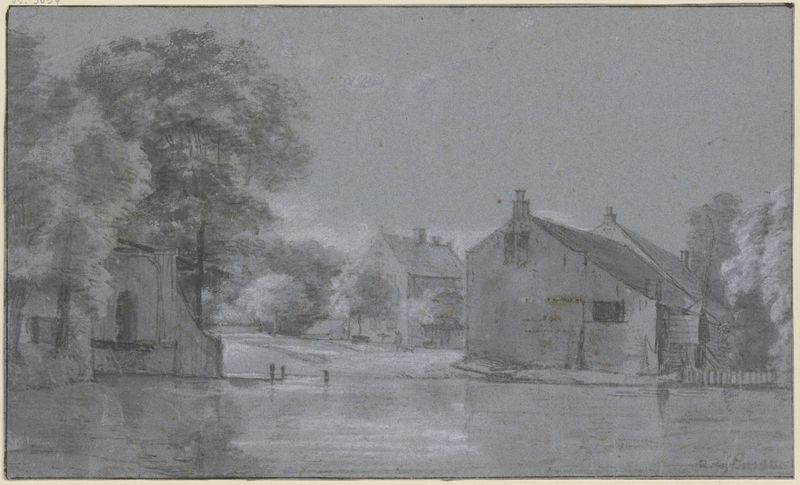
Ein Dorf mit Baumgruppen an einem Fluss
Roelant Roghman
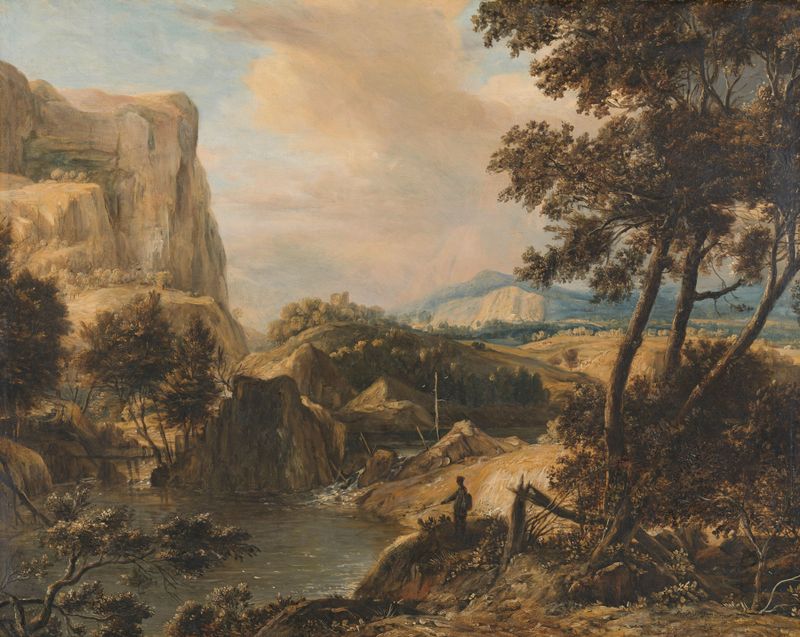
Mountainous landscape with fisherman
Roelant Roghman

Waldlandschaft mit Wasserfall
Roelant Roghman
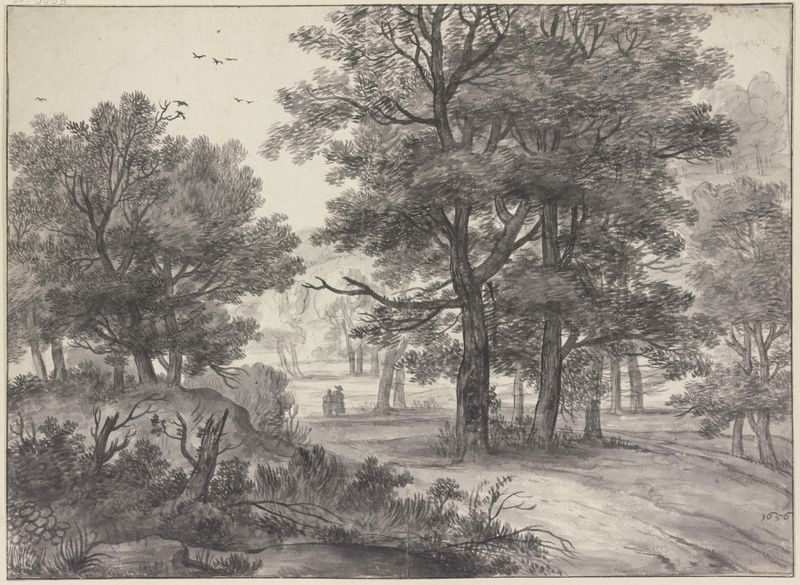
Waldpartie, auf dem Weg zwei Figuren, links oben mehrere Raben
Roelant Roghman





