Landscape — History & Facts
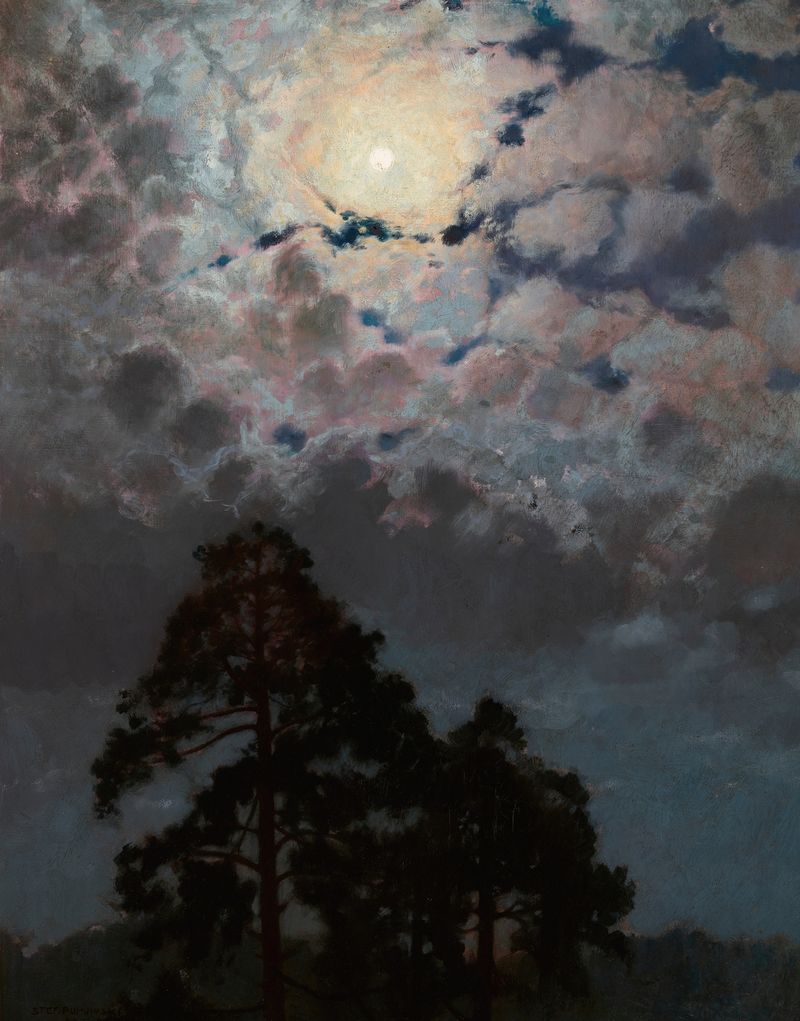
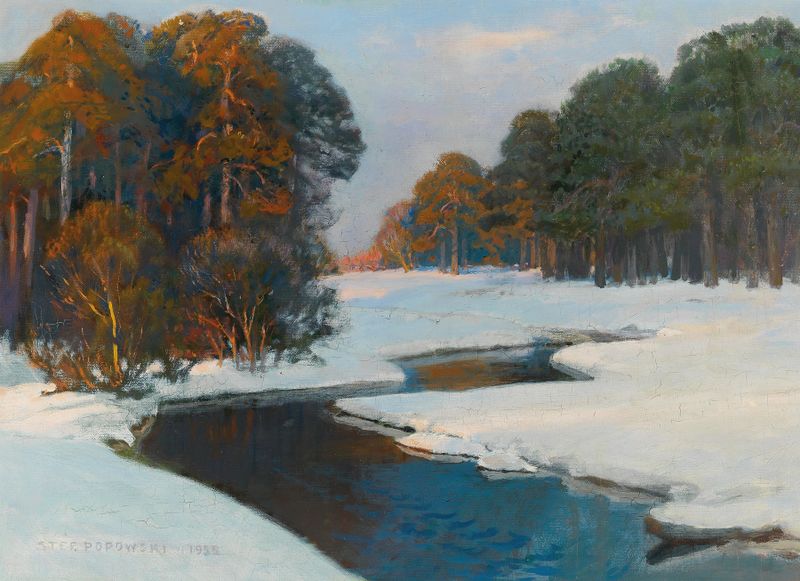
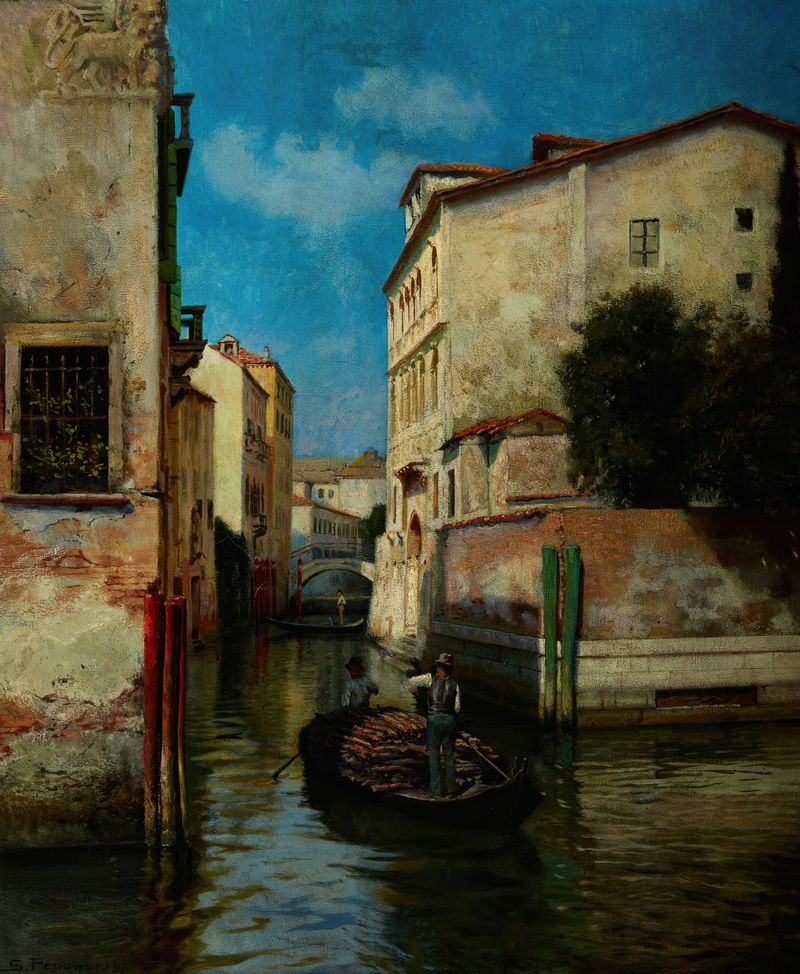
What if beauty was never meant to be finished? This contemplation lingers in the air, as if to suggest that our search for truth is eternally elusive, painted yet never complete. Look to the horizon, where the gentle undulations of land meet a sky awash with hues of violet and gold. The brush strokes dance lightly across the canvas, inviting you to trace the contours of rolling hills and the delicate play of light. Notice how the soft pastels are juxtaposed against deeper greens, creating a sense of harmony that embodies nature’s serenity, yet hints at underlying chaos. In the foreground, small details reveal layers of meaning—gnarled trees stand as silent witnesses to time, their twisted branches suggesting resilience amid the unfolding beauty.
The subtle shifts in color convey emotional tensions; the twilight sky evokes both peace and a sense of impending darkness. Here, the landscape becomes a metaphor for the complexities of existence, each brush stroke a fragment of truth waiting to be uncovered. Stefan Popowski painted Landscape in 1900 during a period marked by personal exploration and the establishment of modernism in art. Living in the dynamic cultural environment of Paris, he was influenced by the transition from impressionism to post-impressionism, seeking to capture the essence of nature’s beauty while expressing deeper truths about life.
This piece reflects not only his artistic evolution but also a time when artists began to question the very nature of reality itself.