
Landscape — History & Facts
In Landscape, nostalgia swells like a tide, wrapping the viewer in a warm embrace of memory and longing. Focus first on the verdant expanse that sprawls across the canvas, a lush interplay of greens and browns. Notice how the light dances through the trees, casting soft shadows that hint at the whispers of a gentle breeze. The serene sky opens above, a gradient of blue that promises both serenity and the fleeting nature of a perfect day.
Each stroke of Durand’s brush captures the essence of the American wilderness, evoking the tranquil beauty of nature’s untouched splendor. Yet, beneath the surface, the painting invites deeper reflections. The juxtaposition of the robust trees against the delicate clouds suggests a tension between permanence and transience. The way the path meanders into the distance evokes a journey, perhaps towards a memory that remains just out of reach.
There is an emotional resonance in the interplay of light and shadow, as if each element holds stories of a past that flickers with remembrance. Asher Brown Durand painted Landscape in 1859, during a pivotal time in American art when the Hudson River School was redefining landscape painting. Emphasizing the beauty of the American environment, Durand's work reflects his own connections to nature, alongside the broader cultural shift towards appreciating the sublime wilderness. At this moment, the country was grappling with industrialization and change, making his serene depiction of nature all the more poignant and necessary.
More Artworks by Asher Brown Durand
Browse all →
A Sycamore Tree, Plaaterkill Clove (The Sycamore, Kaaterskill Clove)
Asher Brown Durand

Forest Scene in the Catskills
Asher Brown Durand
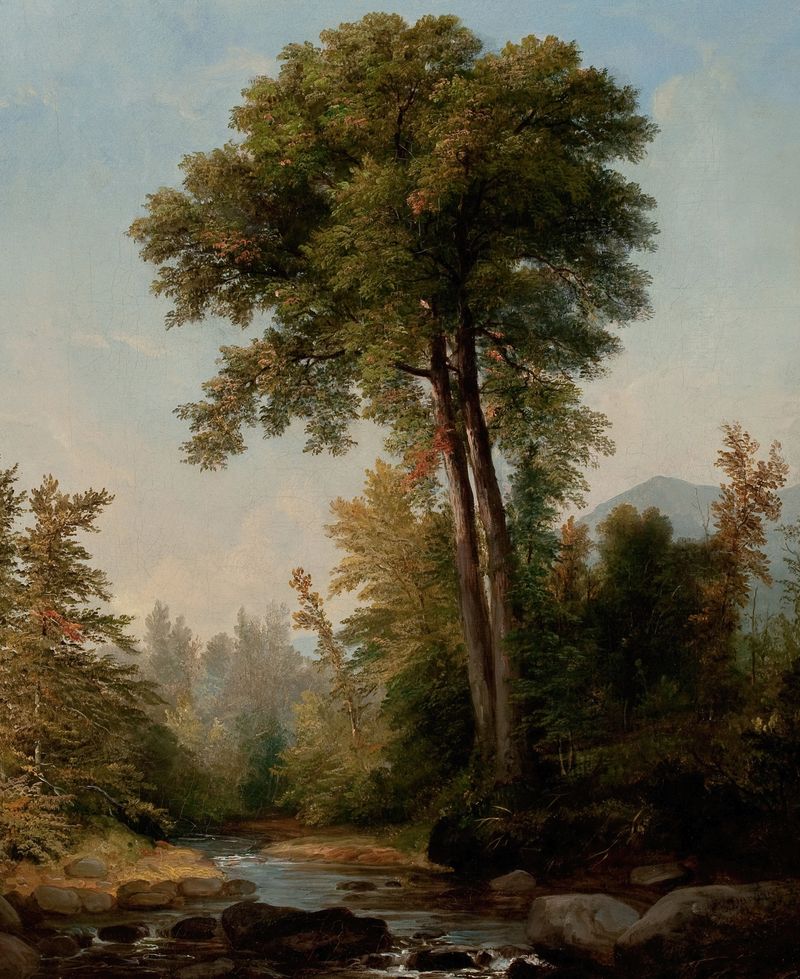
A Natural Monarch
Asher Brown Durand
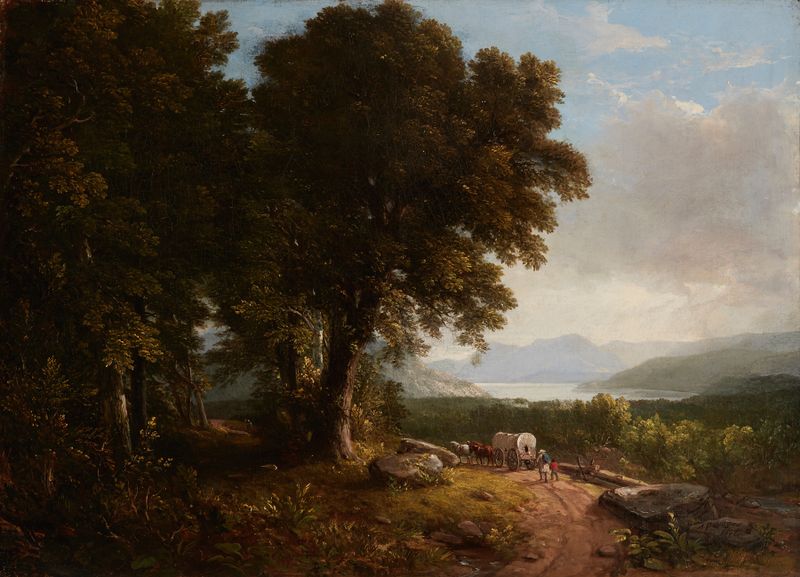
Landscape with Covered Wagon
Asher Brown Durand

Landscape Study, Dover Plains, New York
Asher Brown Durand
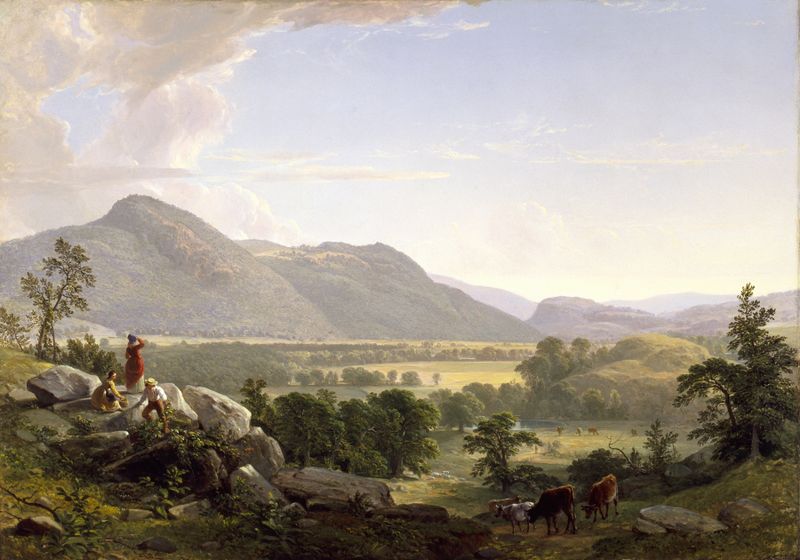
Dover Plains, Dutchess County, New York
Asher Brown Durand
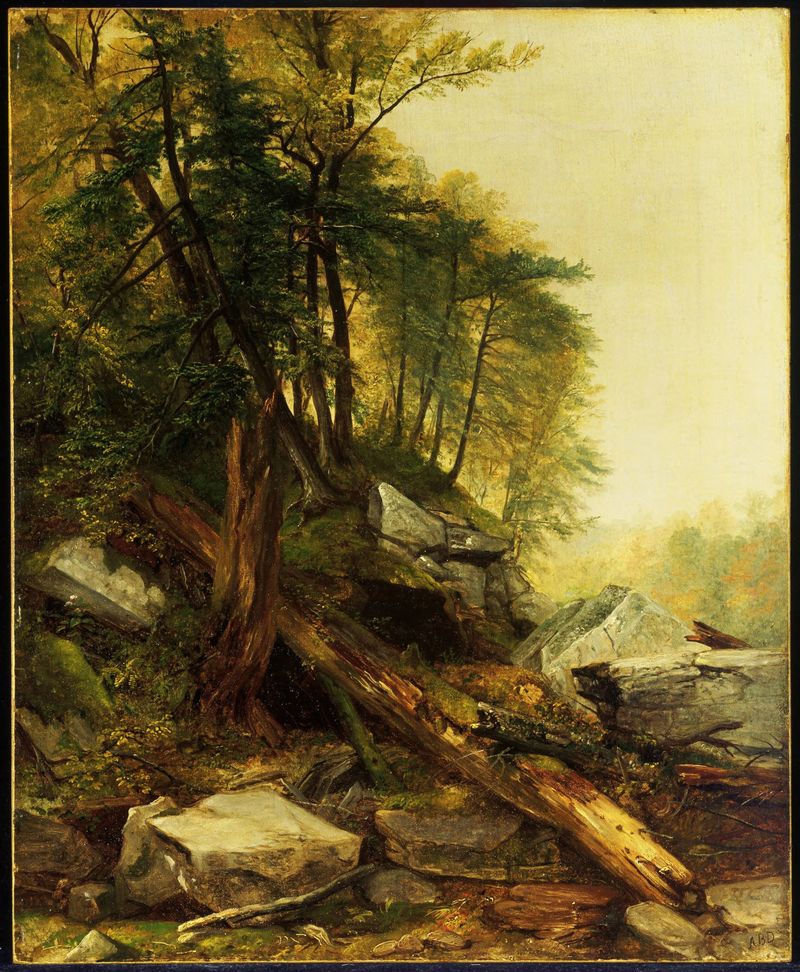
Kaaterskill Landscape
Asher Brown Durand

Landscape—Scene from ‘Thanatopsis’
Asher Brown Durand

The Beeches
Asher Brown Durand

The Narrows, Lake George
Asher Brown Durand





