
Landscape — History & Facts
This thought lingers in the air, urging us to look deeper into the layers of truth nestled within the canvas. In a world awash with superficial charm, it beckons a contemplation of the emotions that lie beneath the surface. Focus on the gentle undulation of the hills, where soft greens and deep blues collide, creating a serene yet unsettling harmony. The warm, golden sunlight spills across the landscape, illuminating the subtle textures of the earth while casting long shadows that suggest both comfort and unease.
Notice how the horizon, almost ethereal, creates an ambiguous boundary between the tangible and the spiritual, inviting viewers into a realm where beauty and melancholy coexist. Hidden within the vibrant colors and harmonious forms lies a poignant tension. The very tranquility of the scene belies an underlying sense of transience, a reminder of nature's impermanence. The delicate interplay of light and shadow evokes the bittersweet nature of existence, where every moment of beauty carries with it echoes of sorrow, urging the viewer to confront the complex truth of their own experiences. In his silent exploration of the landscape, the artist captured a moment of introspection at a time when the art world was navigating the tensions of modernism.
While the specific date remains uncertain, it is believed that Landscape was created during a period rife with artistic experimentation. Von Brockhusen’s work reflects an era in which artists sought to transcend mere representation, delving into the emotional truths and existential questions that define human experience.
More Artworks by Theo Von Brockhusen
Browse all →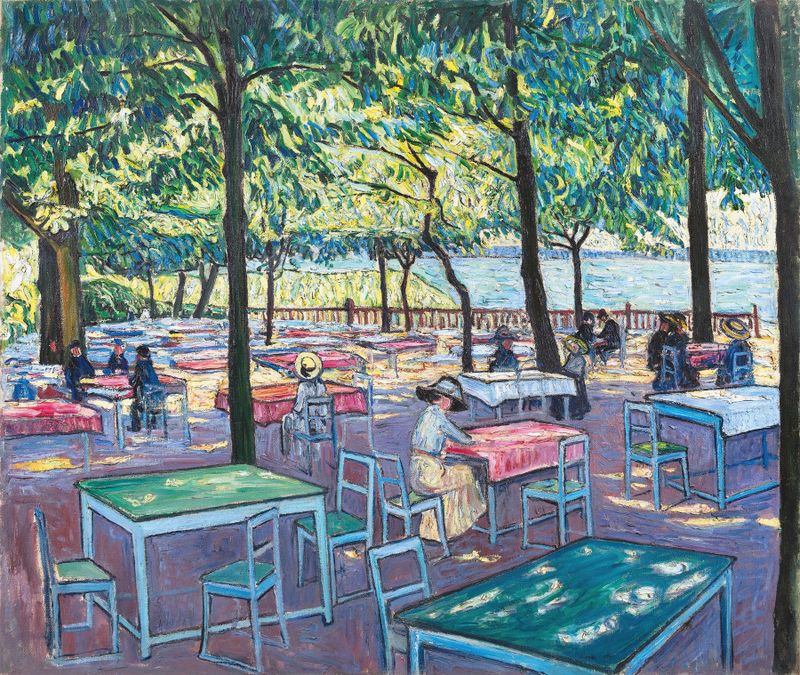
Ausflugslokal (Gasthaus Baumgartenbrück)
Theo Von Brockhusen
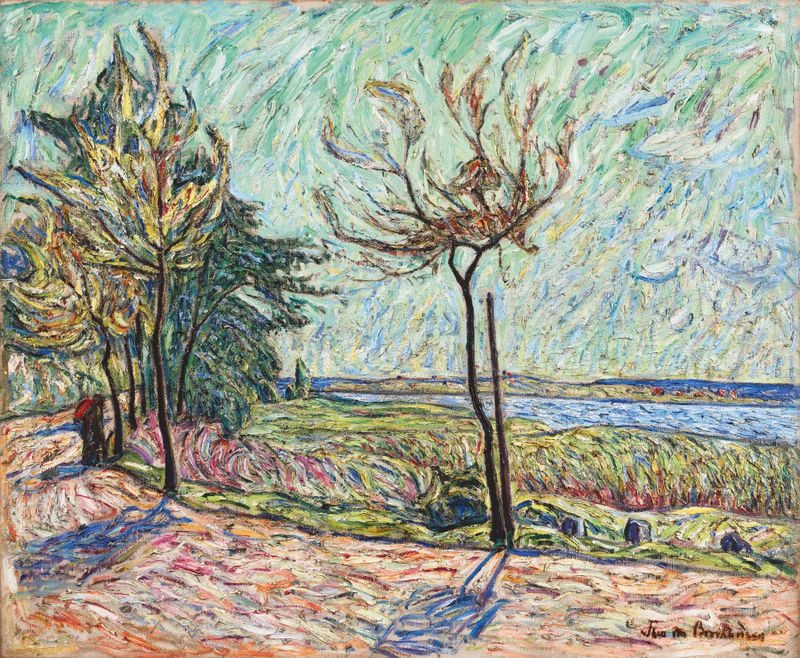
On the Havel
Theo Von Brockhusen
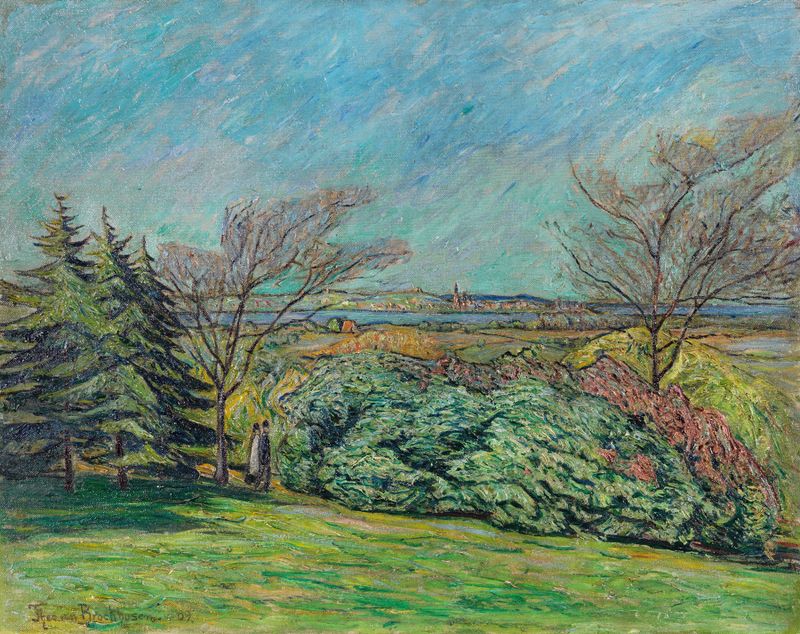
Blick vom Franzensberg
Theo Von Brockhusen
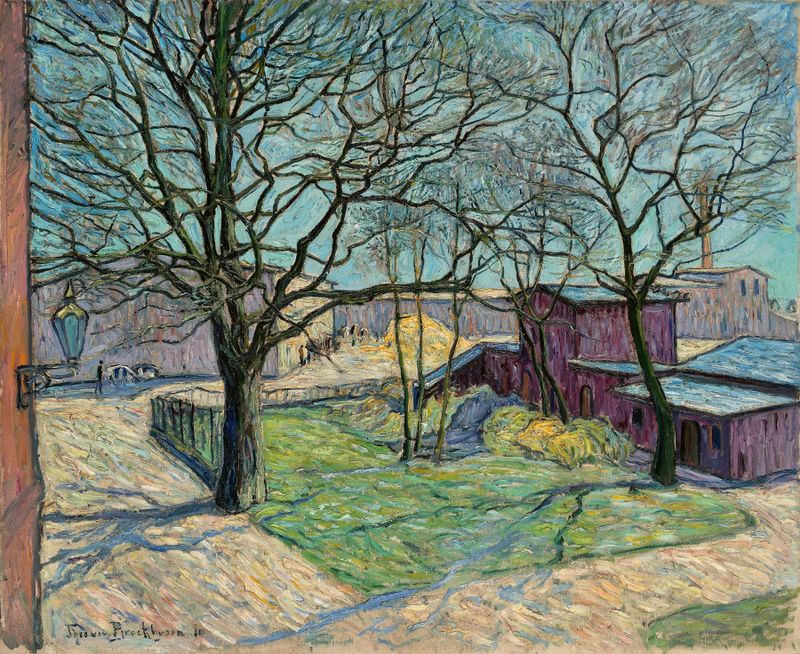
Manor house in Seelow
Theo Von Brockhusen
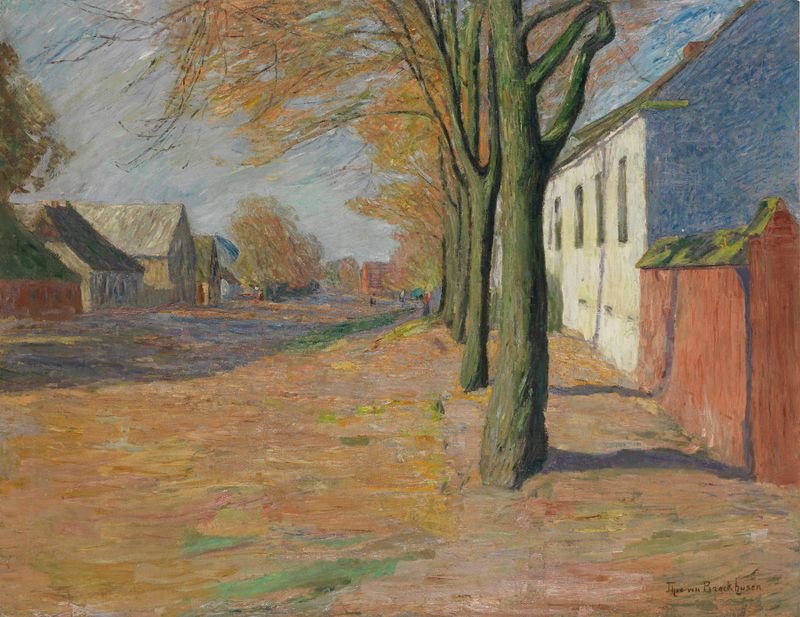
Landstraße mit Bäumen
Theo Von Brockhusen

Blühende Bäume (Baumblüte in Werder)
Theo Von Brockhusen

Strandpromenade in Knokke
Theo Von Brockhusen
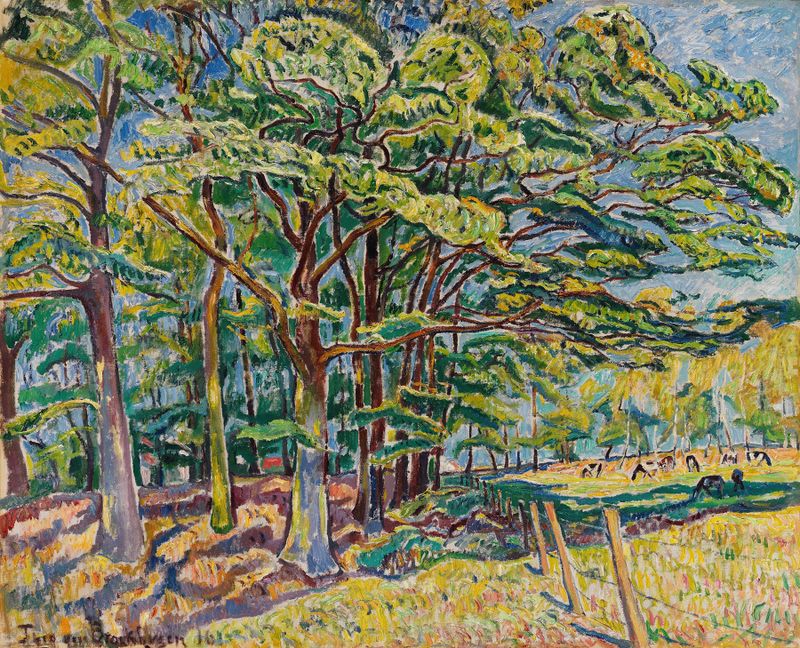
Eichen
Theo Von Brockhusen
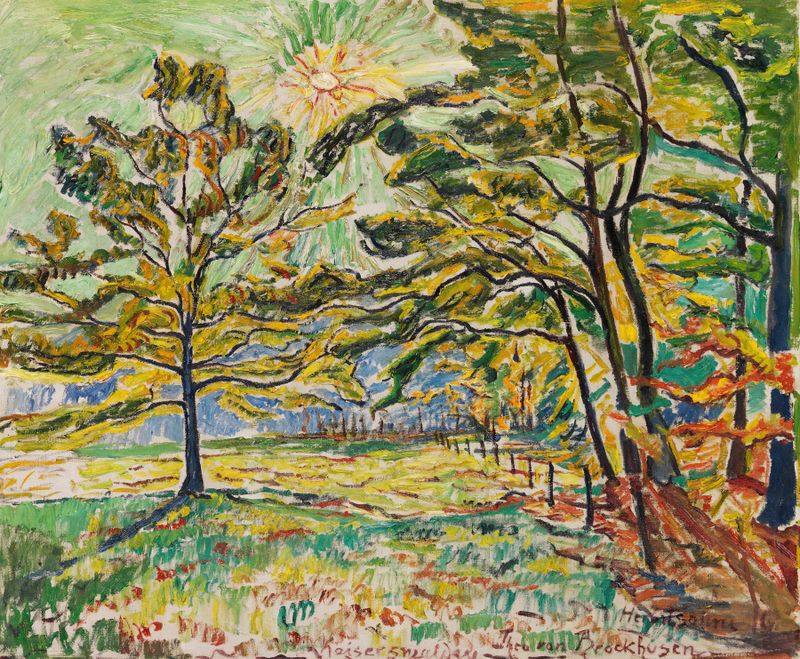
Herbstsonne
Theo Von Brockhusen
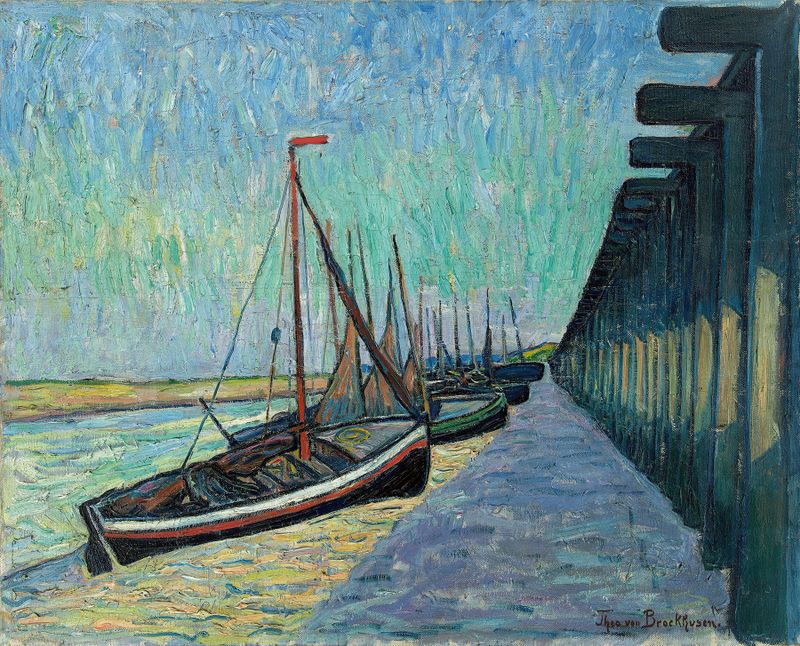
Aus Nieuport
Theo Von Brockhusen





