Landscape — History & Facts
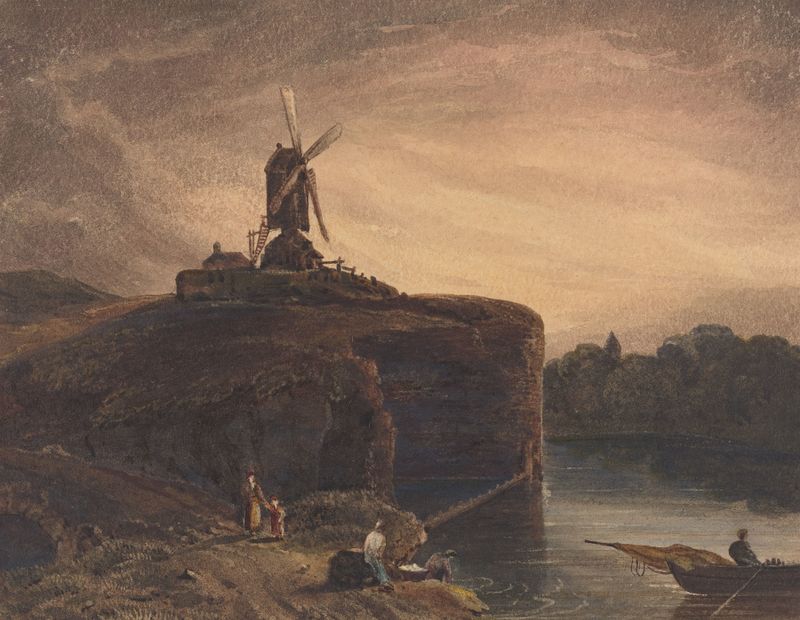
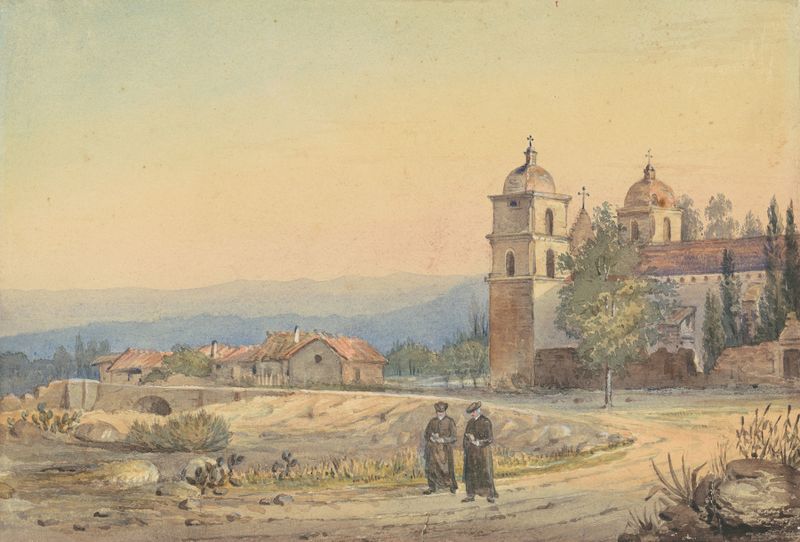
Can beauty exist without sorrow? In the quiet vastness of a 19th-century landscape, emptiness speaks volumes, echoing the ache of solitude amid nature’s splendor. Look to the horizon, where the soft blues of the sky bleed into muted greens and browns of the earth. Your eyes trace the subtle gradients, each stroke revealing a delicate dance between light and shadow. Notice the sparse trees dotting the landscape, their silhouettes stark against the backdrop; they seem to hold a story, waiting to be unfurled.
The painter’s choice of palette, subdued yet rich, evokes an atmosphere of both tranquility and longing, inviting contemplation on nature's beauty and its inherent loneliness. Small details draw you deeper: a whisper of wind captured in the bending grass, a path leading nowhere that hints at journeys untraveled. These elements highlight a tension between the allure of the landscape and the void it represents, suggesting that in every serene view, there lies an undercurrent of desolation. The emptiness is not just absence; it is a canvas for reflection, a mirror to our own unspoken desires and melancholic reveries. In the 19th century, during a period of rapid industrialization, artists sought refuge in nature, turning to it for solace and inspiration.
This particular piece reflects a movement where the sublime was celebrated, even while echoing the anxiety of a world transforming beyond recognition. Such landscapes became a reprieve for both artist and viewer, encapsulating the beauty of the natural world even as it grappled with the encroaching shadows of modernity.