
Landscape — History & Facts
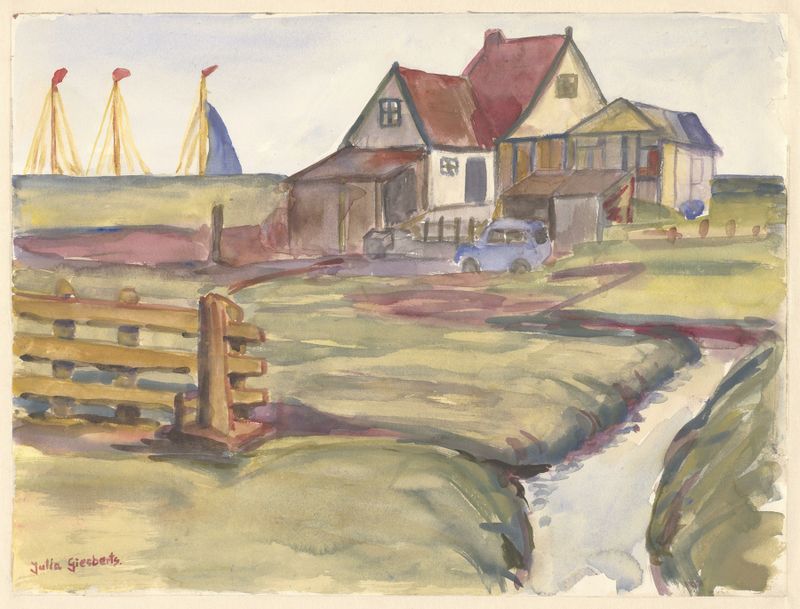
When did color learn to lie? In a world of innocence, hues of green and blue weave a narrative that dances between truth and deception, inviting reflection on the purity of nature and the complexities of human perception. Look to the left at the vibrant emerald hills, where the brushstrokes pulse with life, each stroke crafting undulating forms that draw the eye upward. Notice how the cerulean sky, splashed with wispy clouds, seems to embrace the landscape below, creating a blend that feels both serene and surreal. The artist’s choice of bold, saturated colors evokes a sense of vitality, yet the juxtaposition of the calm horizon with tumultuous brushwork hints at an underlying tension beneath the surface. Delve deeper and you can sense the innocence that permeates the piece.
The playful interplay of light and shadow suggests an idyllic moment, yet the scattered, darker undertones lurking within the hills evoke questions about the fragility of that innocence. This duality creates a rich emotional landscape, as if the viewer stands at the threshold of a tranquil paradise tinged with the awareness of inevitable change. Julia Giesberts painted Landscape in the mid-20th century, a time when the art world was experiencing a transformation, shifting towards abstraction and expressionism. She created this work amidst the rise of modernism, reflecting personal explorations of identity and nature, while navigating the broader societal changes of her era.
Her commitment to capturing emotional truths through color and form marks her as a significant figure in the reimagining of landscape artistry.
More Artworks by Julia Giesberts
Browse all →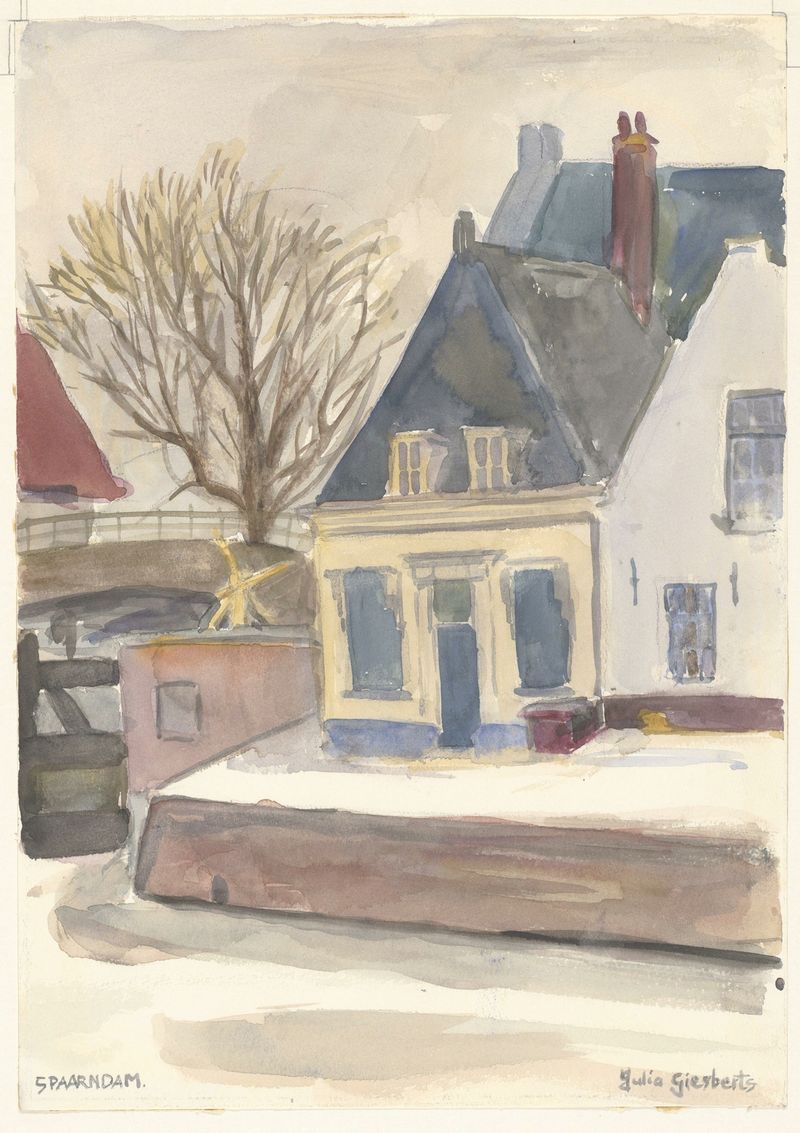
Spaarndam in de winter, links een sluisdeur
Julia Giesberts
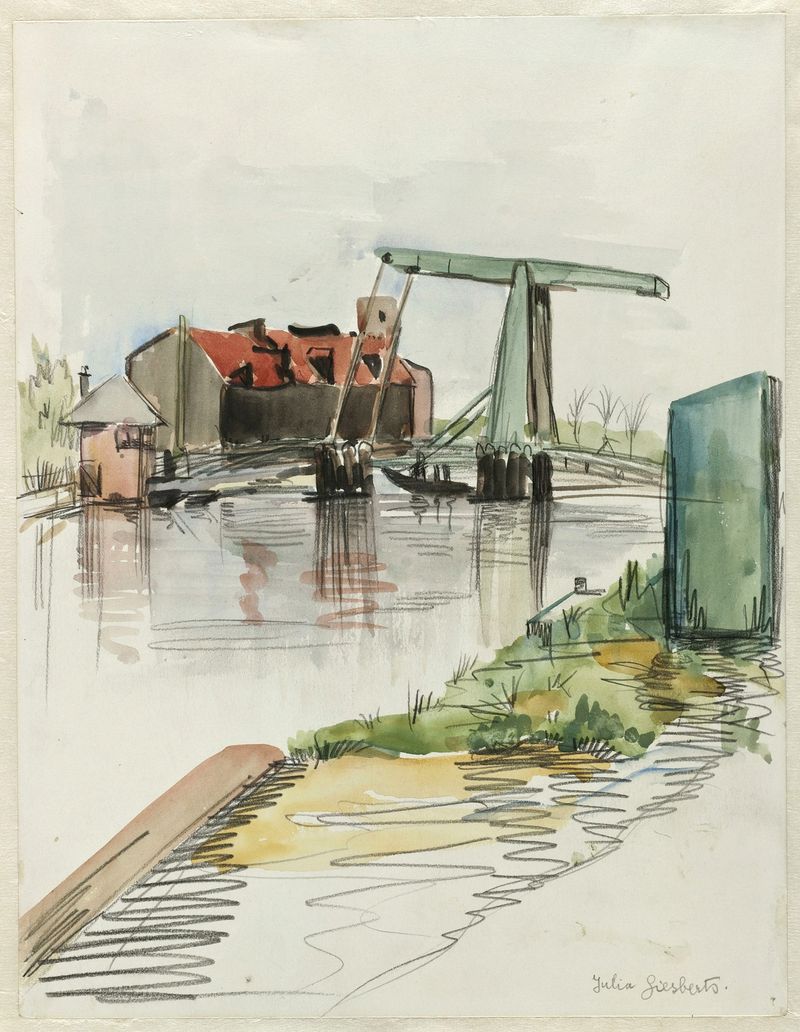
Landscape
Julia Giesberts
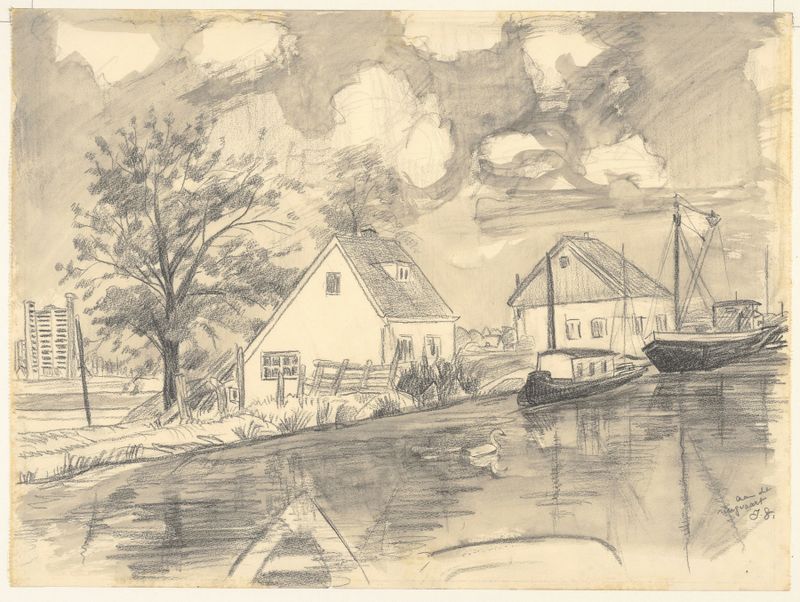
aan de ringvaart
Julia Giesberts
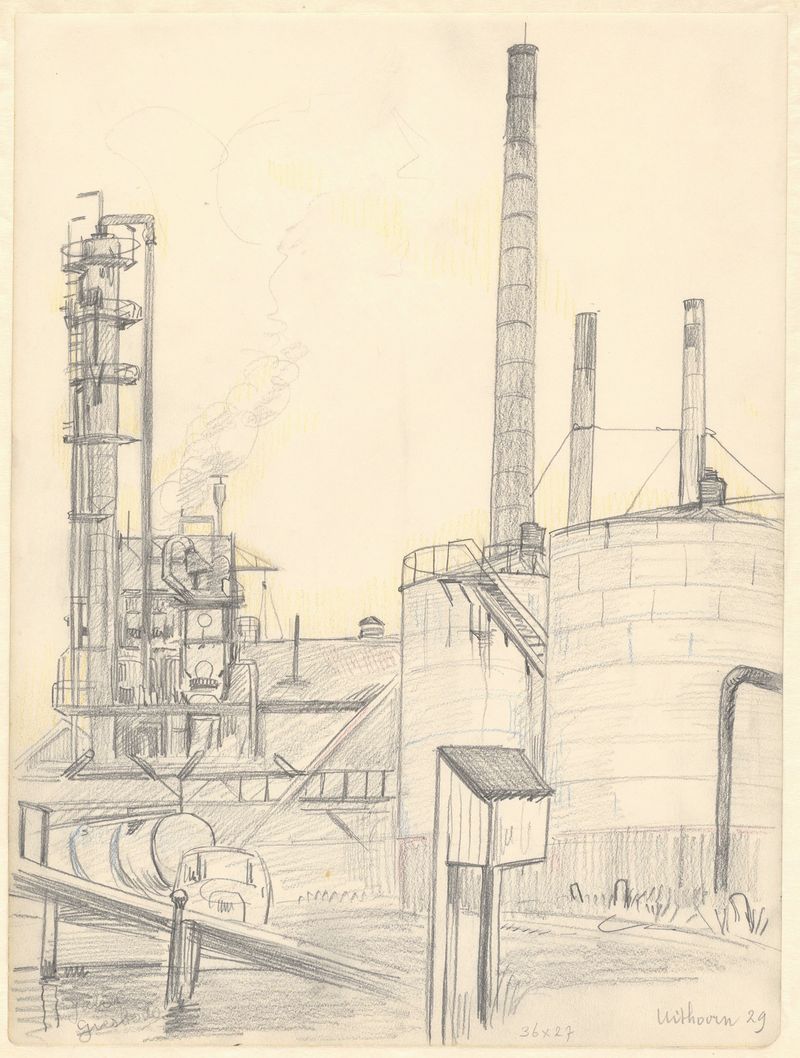
Uithoorn
Julia Giesberts
Landscape
Julia Giesberts
Landscape
Julia Giesberts
Landscape
Julia Giesberts
Landscape
Julia Giesberts
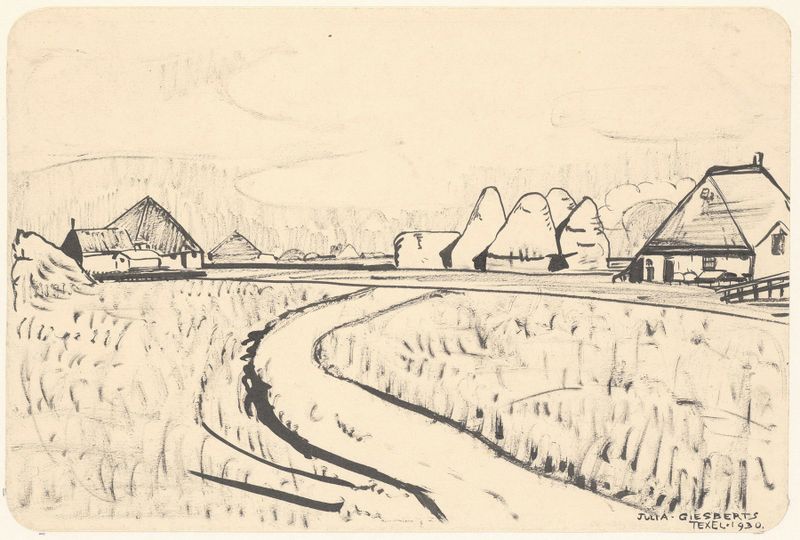
Boerderijen, mogelijk nabij Oosterend
Julia Giesberts
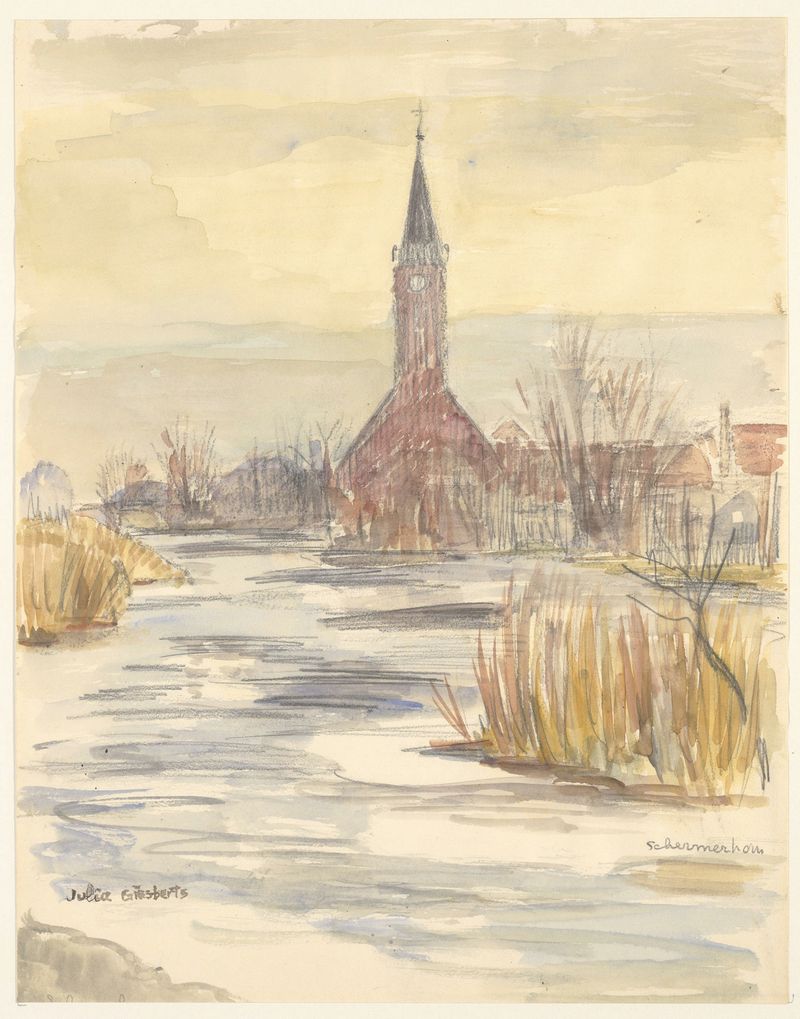
Gezicht op de kerk, op de voorgrond water
Julia Giesberts





