
Landscape — History & Facts
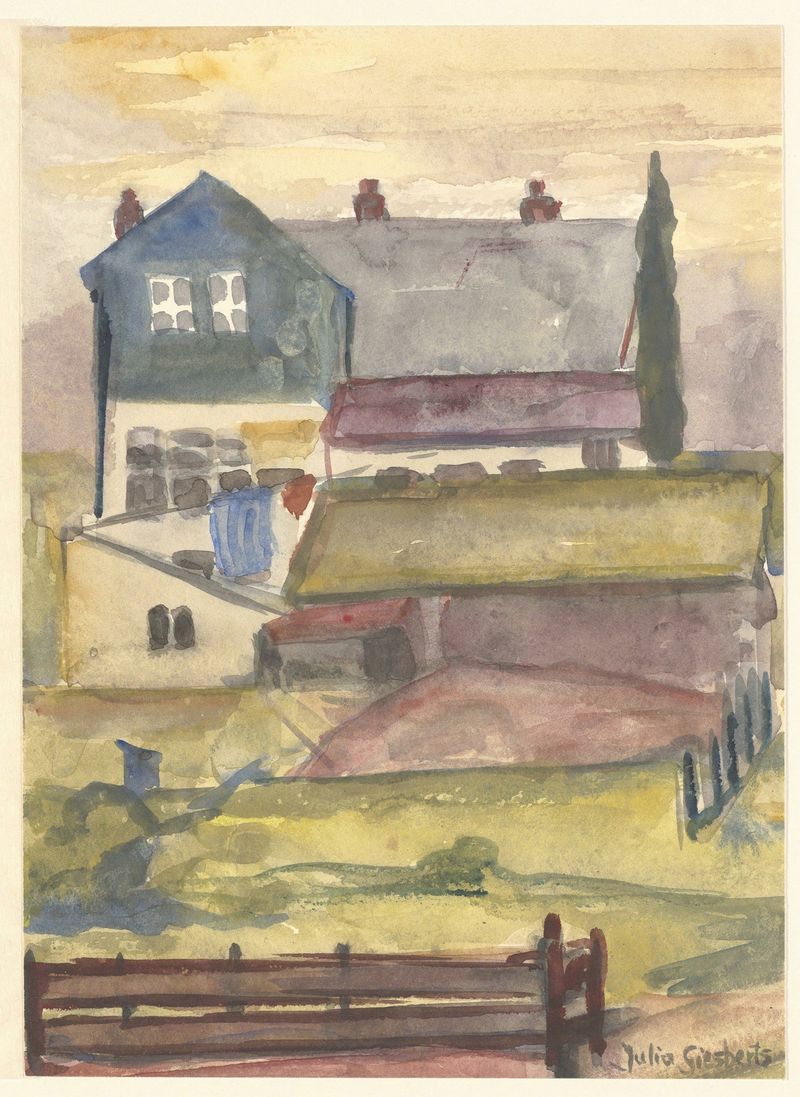
This sentiment resonates deeply within the contours of our solitude. In a world brimming with voices, what remains when silence envelops us? Look closely at the sweeping hills that stretch across the canvas, undulating like waves frozen in mid-motion. The earthy tones of umber and green draw you in, but it’s the sharp contrasts of shadow and light that compel your gaze.
Notice how the darker patches cradle the lighter areas, inviting a sense of depth and revealing hidden valleys of emotion, a visual conversation between desolation and beauty. Beneath the surface, the painting speaks of a profound loneliness, accentuated by the vastness of the landscape. There is a haunting stillness, as if the land itself holds its breath, waiting for companionship. The sparse strokes in certain areas evoke an unsettling emptiness, while the gentle curves of the hills suggest a yearning for connection—a reminder that even in solitude, grace can emerge from chaos. Created in the 20th century, amid a rapidly changing art world, Julia Giesberts painted this work during a time when artists were exploring abstraction and emotional depth.
This period bore witness to shifts in societal values and personal expressions of isolation, mirroring Giesberts’ own introspective journey. Her innovative use of color and form reflects a moment when art began to delve deeper into the human experience, transforming loneliness into an evocative visual narrative.
More Artworks by Julia Giesberts
Browse all →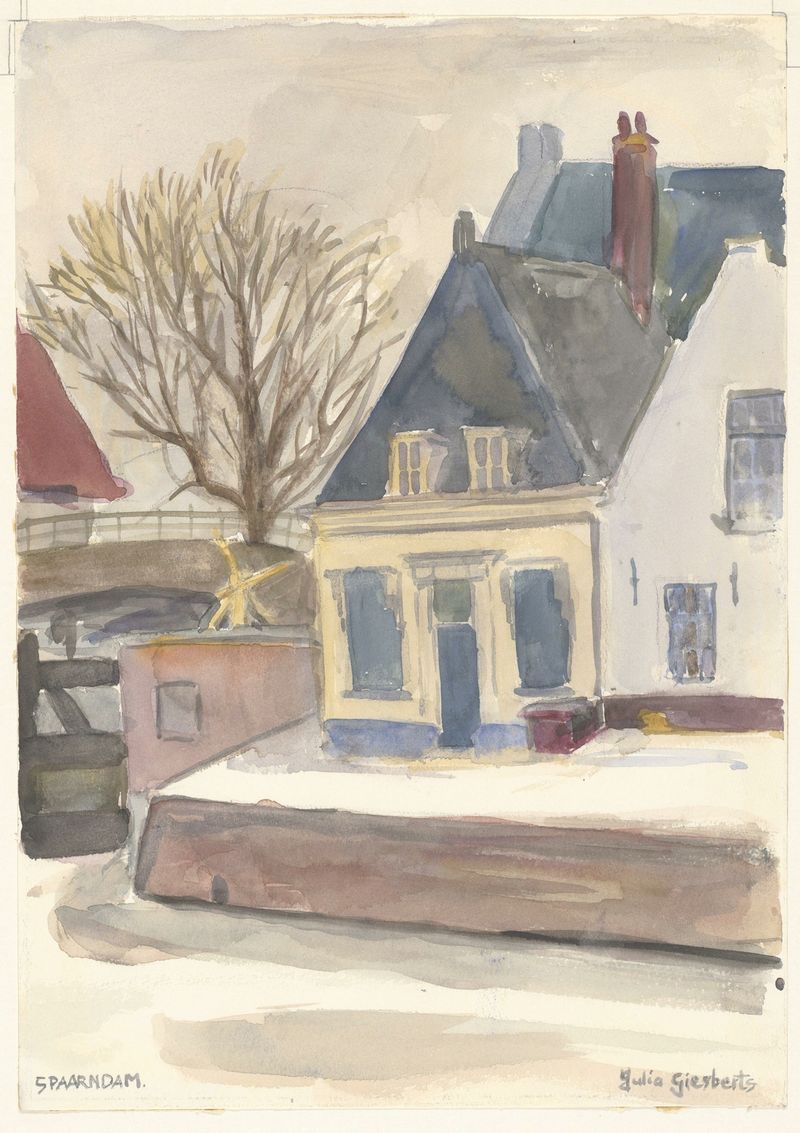
Spaarndam in de winter, links een sluisdeur
Julia Giesberts
Landscape
Julia Giesberts
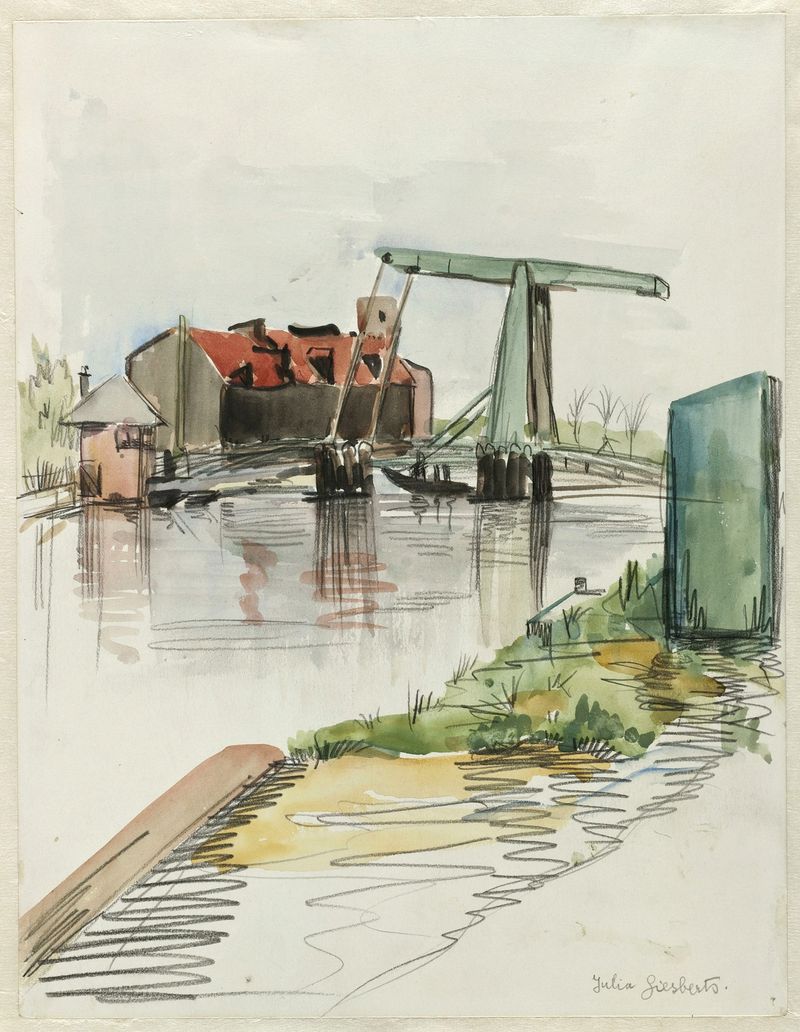
Landscape
Julia Giesberts
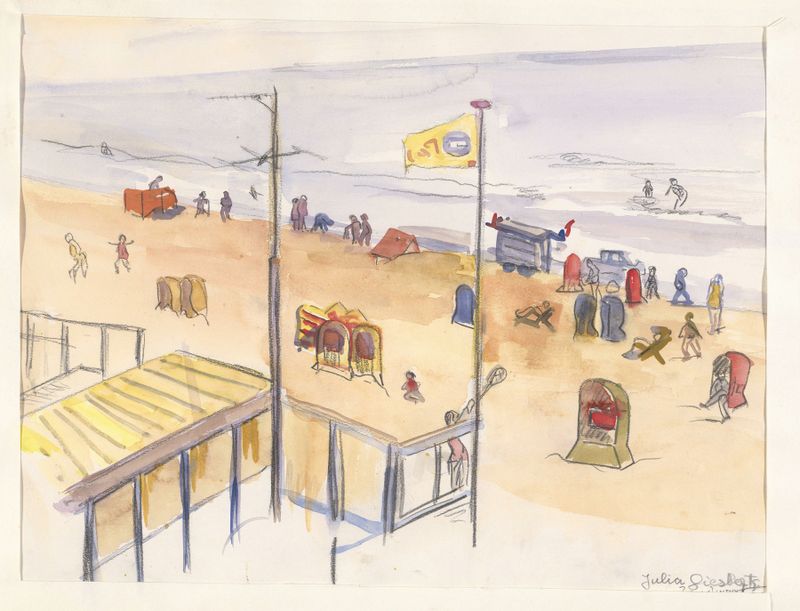
Strandleven te Zandvoort. Op het strand rieten strandstoelen en een haringkar
Julia Giesberts
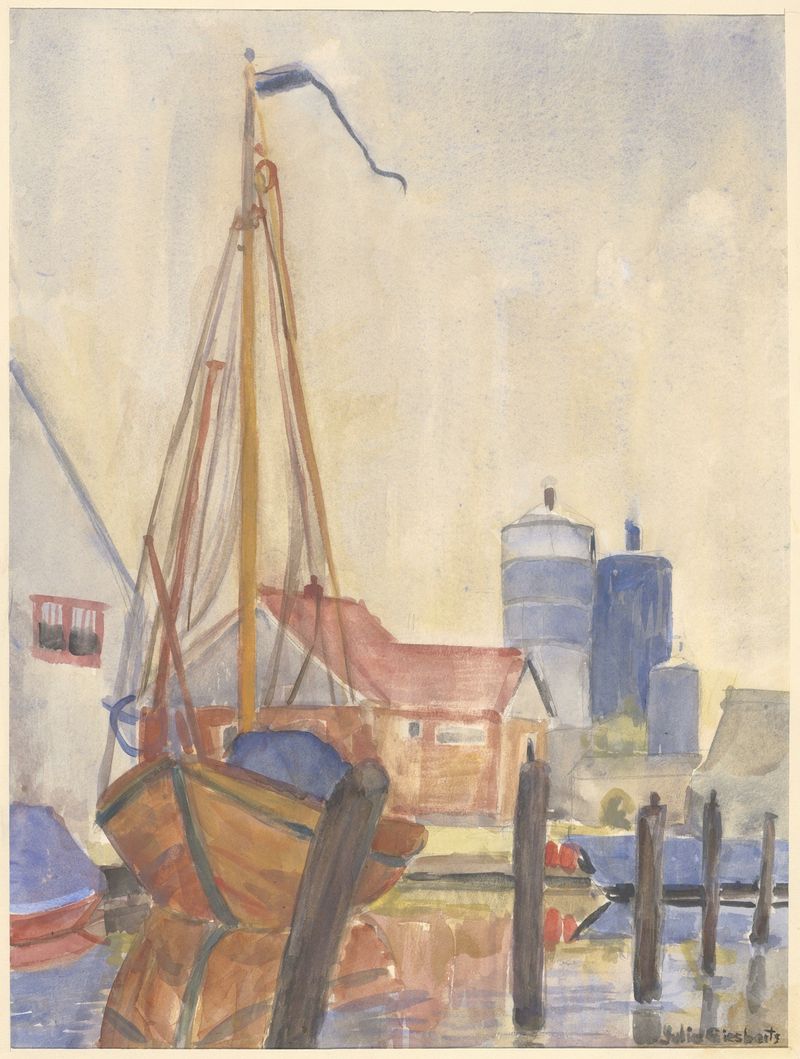
Ringvaart voorbij Aalsmeer
Julia Giesberts
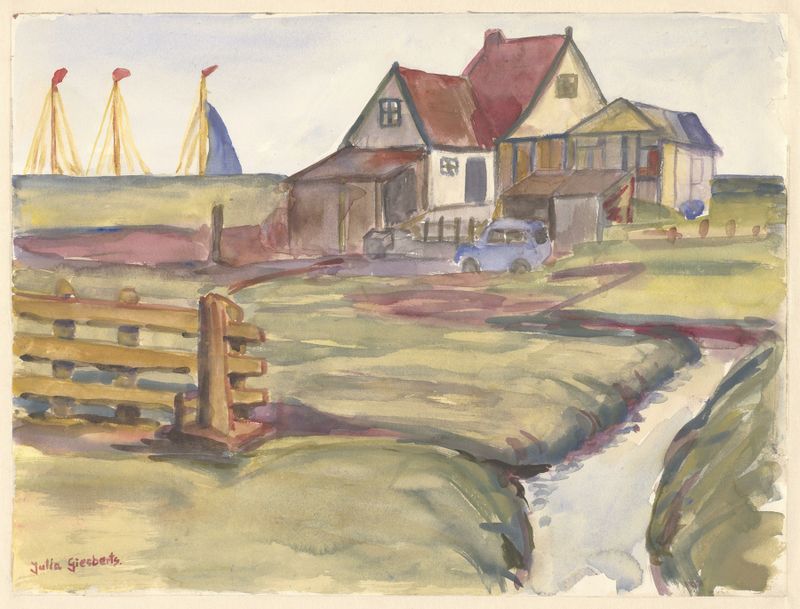
Landscape
Julia Giesberts
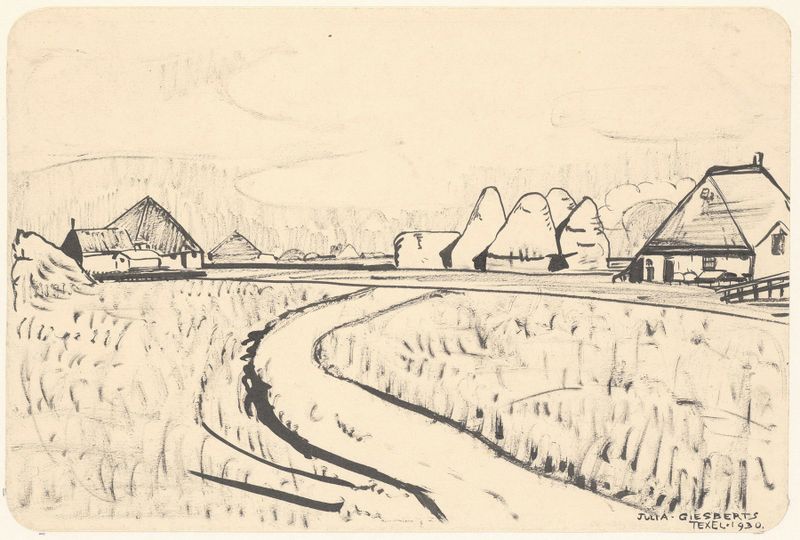
Boerderijen, mogelijk nabij Oosterend
Julia Giesberts
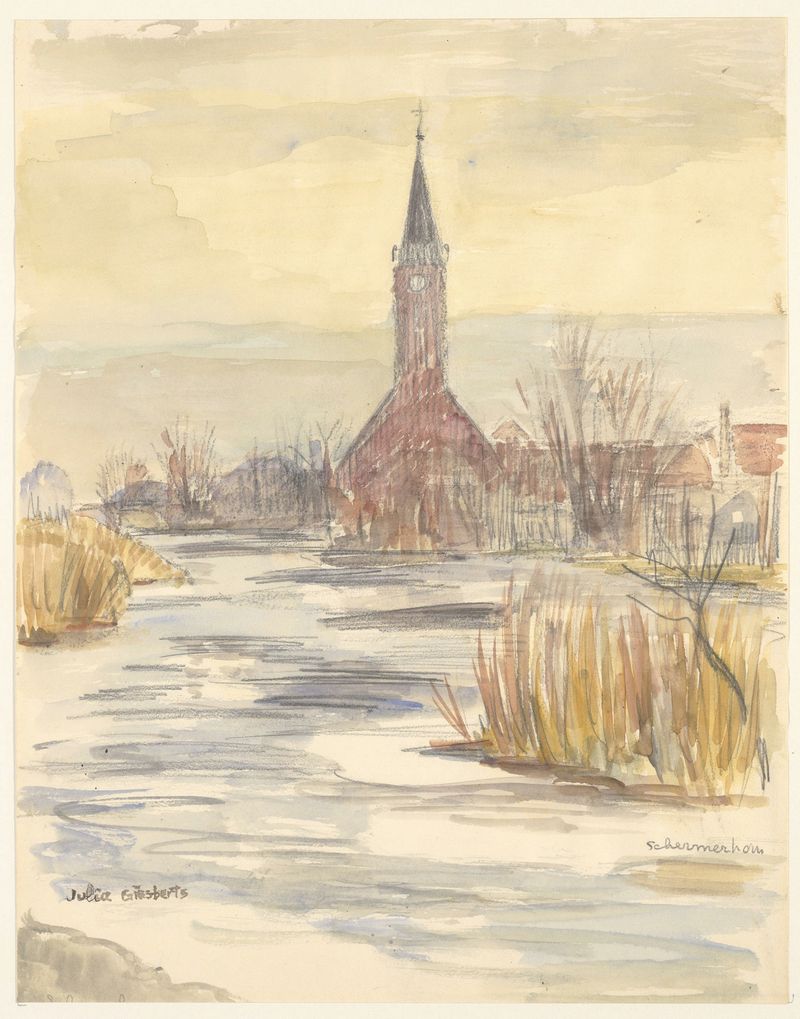
Gezicht op de kerk, op de voorgrond water
Julia Giesberts
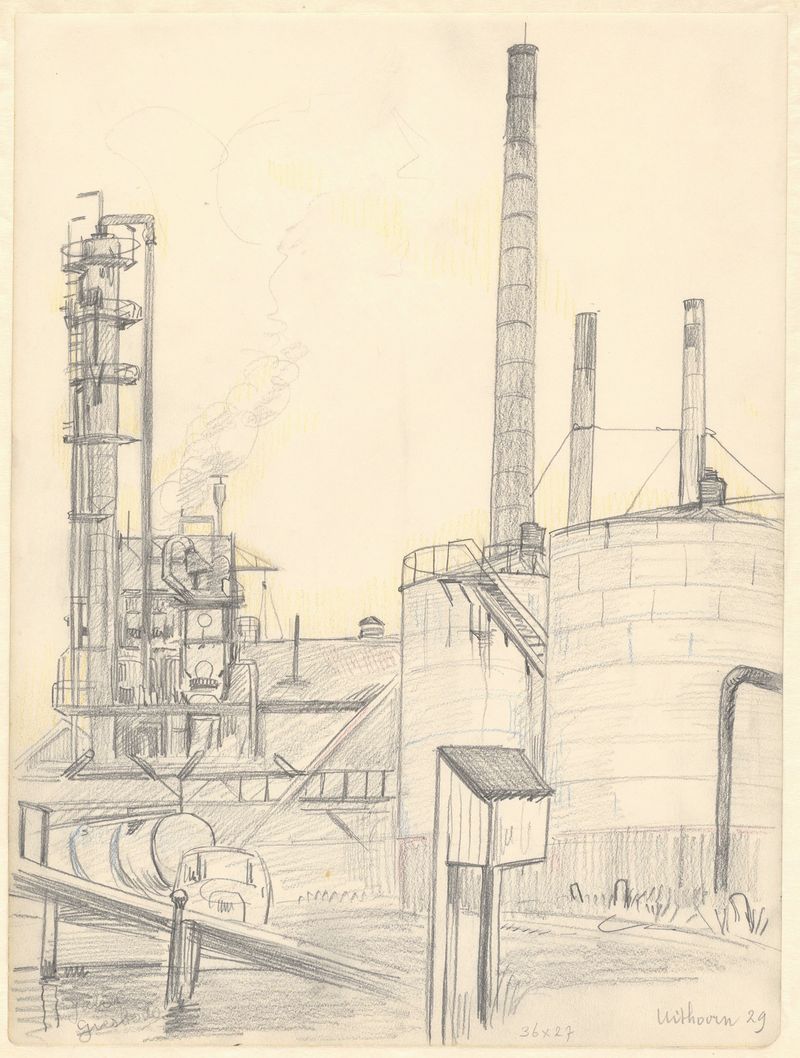
Uithoorn
Julia Giesberts
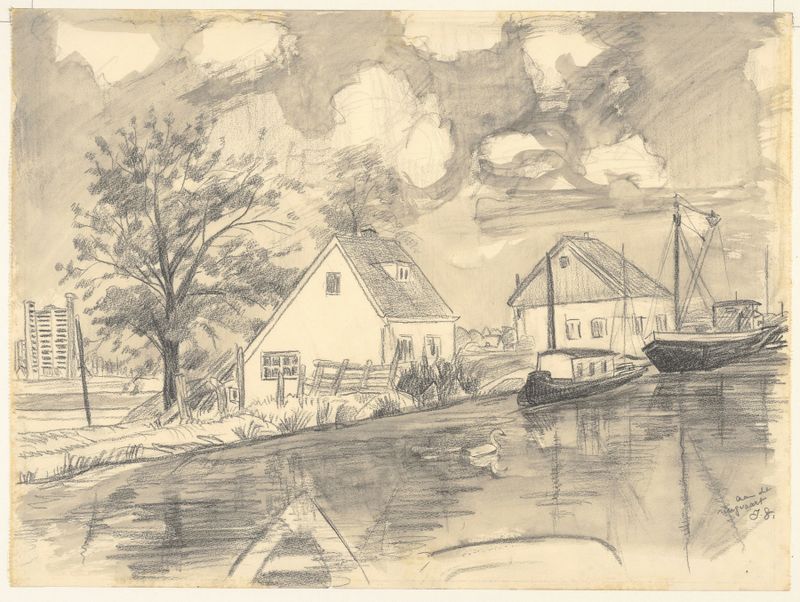
aan de ringvaart
Julia Giesberts





