
Landscape — History & Facts
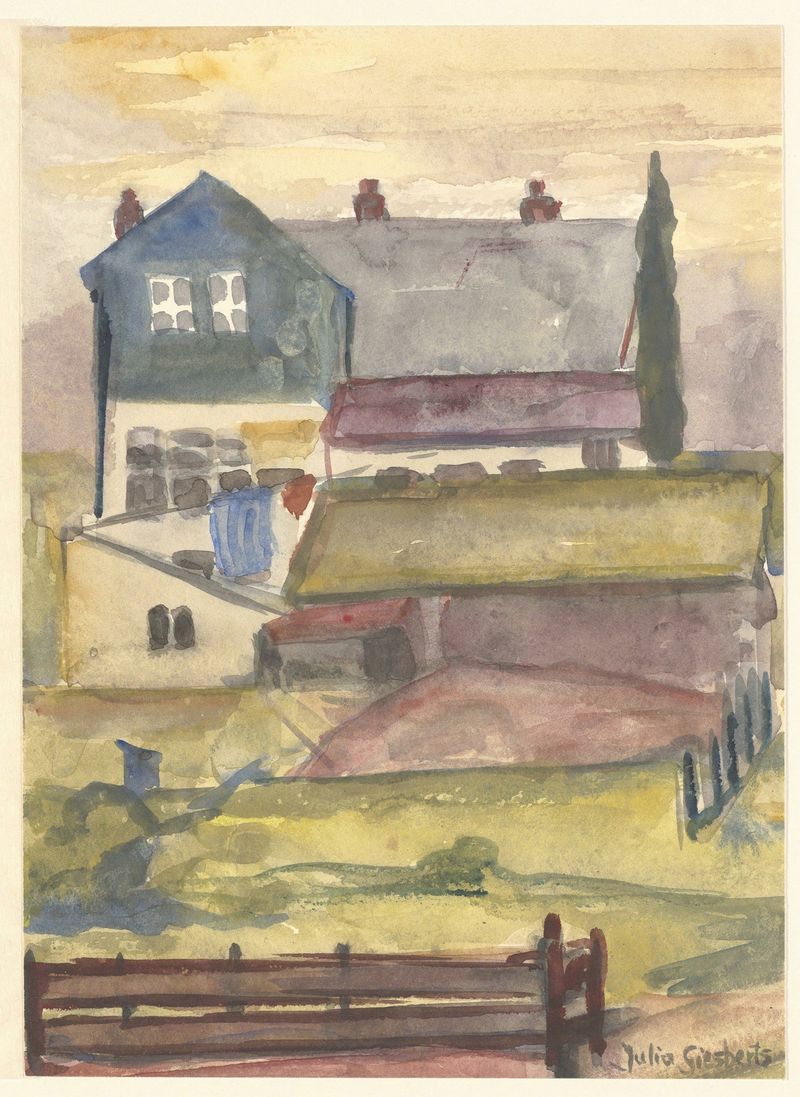
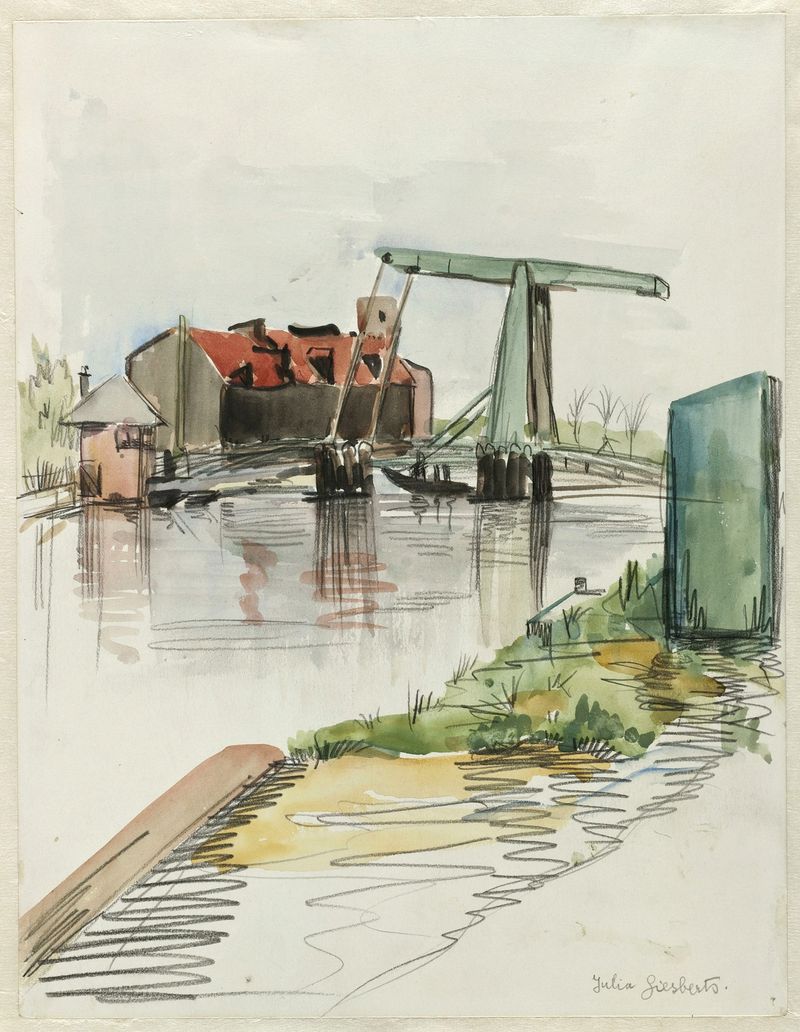
The quiet harmony of a landscape can balance the cacophony of life, inviting the viewer into a serene contemplation of existence. Look to the soft undulations of hills that cradle the horizon, their gentle curves echoing both stability and transience. Notice how the subtle interplay of light and shadow dances across the canvas, illuminating patches of color that evoke both warmth and solitude. The palette, a blend of muted greens and earthy browns, conveys a sense of groundedness, while the occasional stroke of a vibrant hue hints at hidden stories lurking just beneath the surface. Dig deeper into the strokes that create a sense of movement — trees swaying in an unseen breeze, clouds drifting lazily across the sky.
Each element in this landscape speaks to an emotional tension between stillness and rhythm, reflecting a world alive yet calm. It holds a balance that urges viewers to reflect on their own entanglements with nature, urging them to find tranquility amidst their chaos. Created during the 20th century, the artist painted this piece in a time marked by rapid change and conflict. With society grappling with modernity and upheaval, her work serves as a response to the tumultuous world around her, embodying a longing for peace and stability.
In an era where abstraction began to dominate, this landscape remains a testament to the enduring relevance of nature in art and the search for balance within ourselves.
More Artworks by Julia Giesberts
Browse all →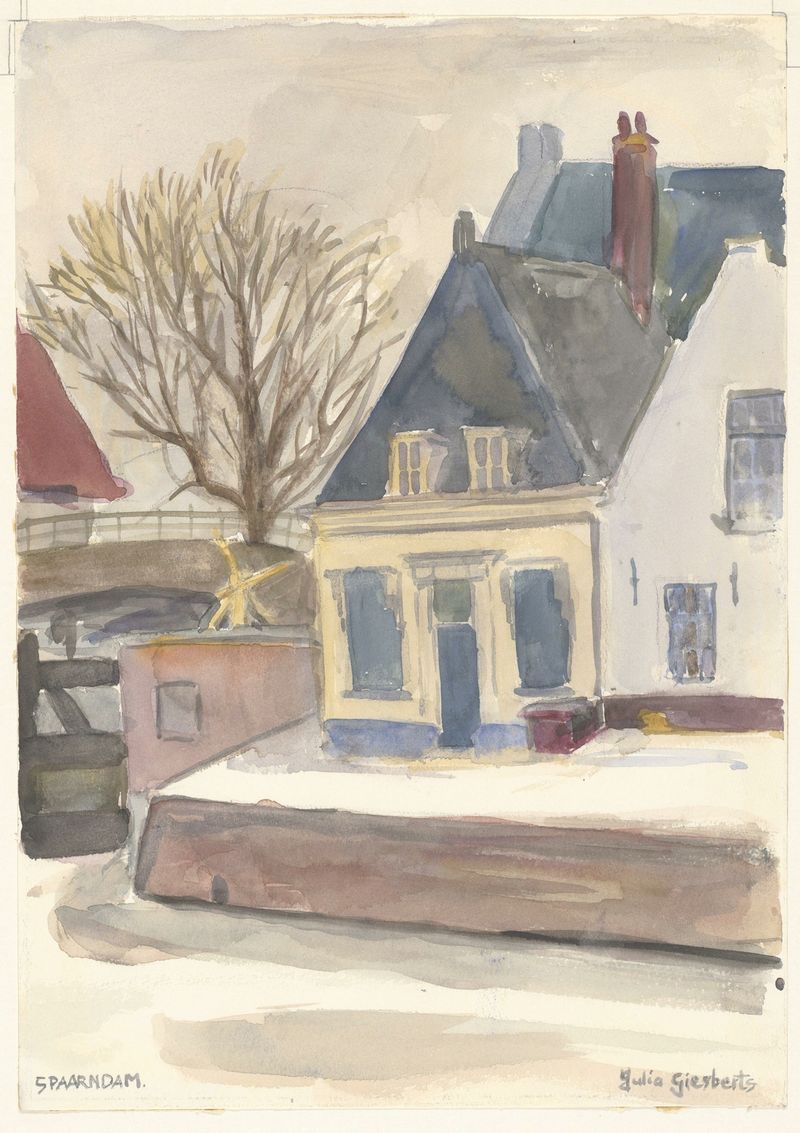
Spaarndam in de winter, links een sluisdeur
Julia Giesberts
Landscape
Julia Giesberts
Landscape
Julia Giesberts
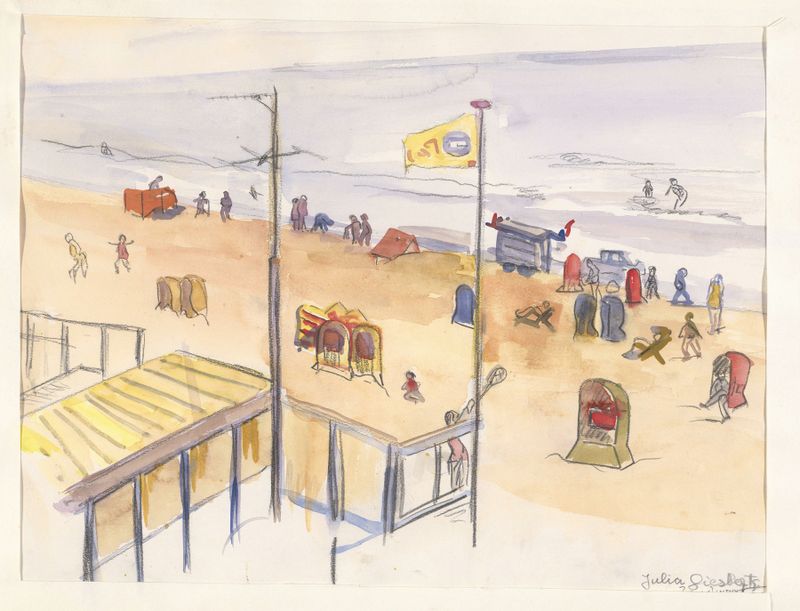
Strandleven te Zandvoort. Op het strand rieten strandstoelen en een haringkar
Julia Giesberts
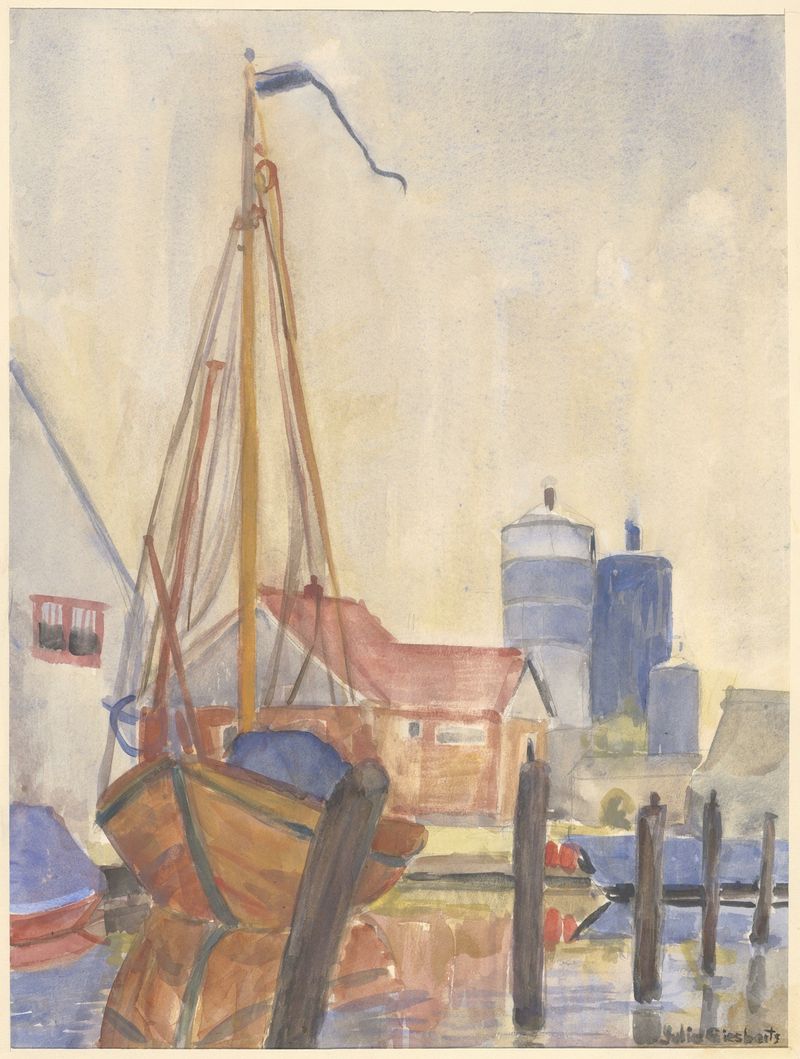
Ringvaart voorbij Aalsmeer
Julia Giesberts
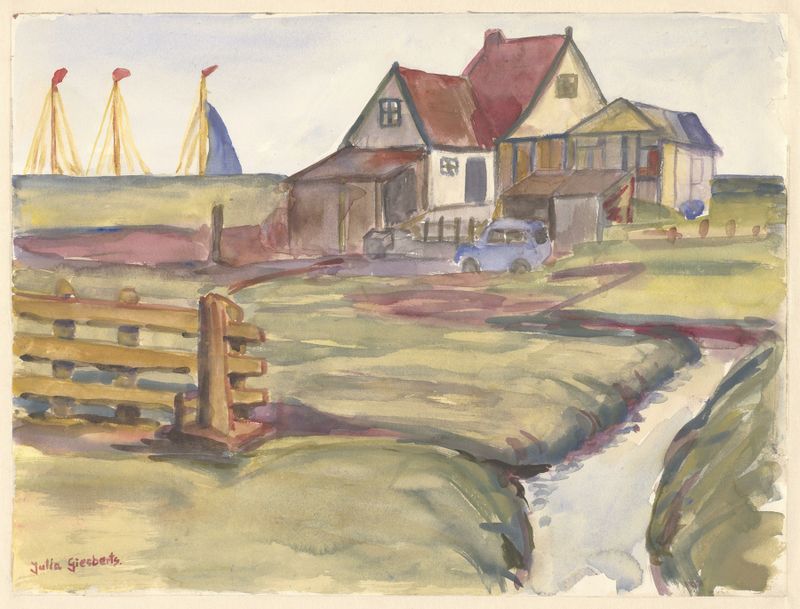
Landscape
Julia Giesberts
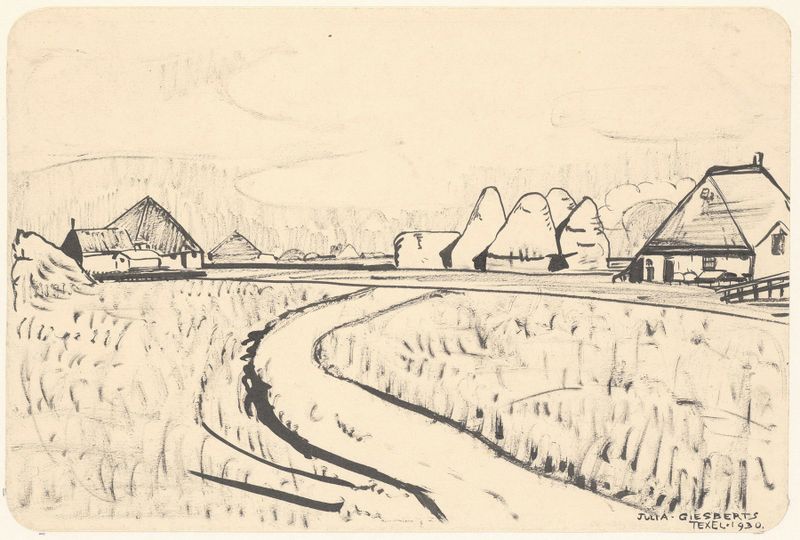
Boerderijen, mogelijk nabij Oosterend
Julia Giesberts
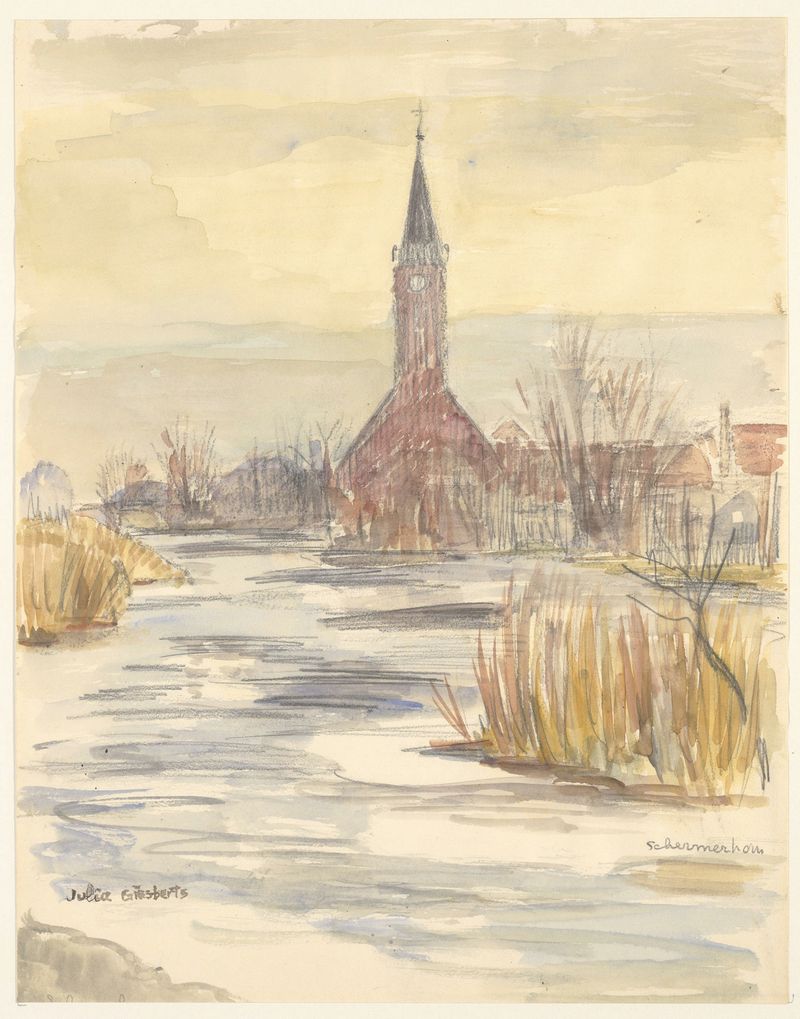
Gezicht op de kerk, op de voorgrond water
Julia Giesberts
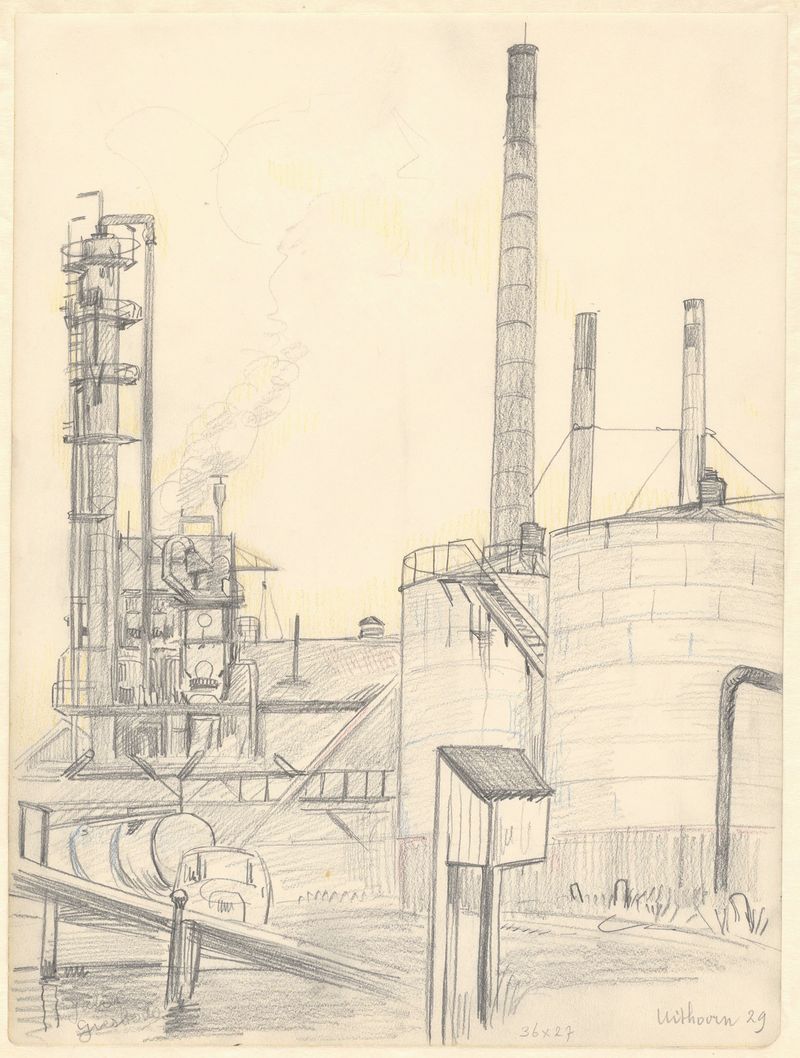
Uithoorn
Julia Giesberts
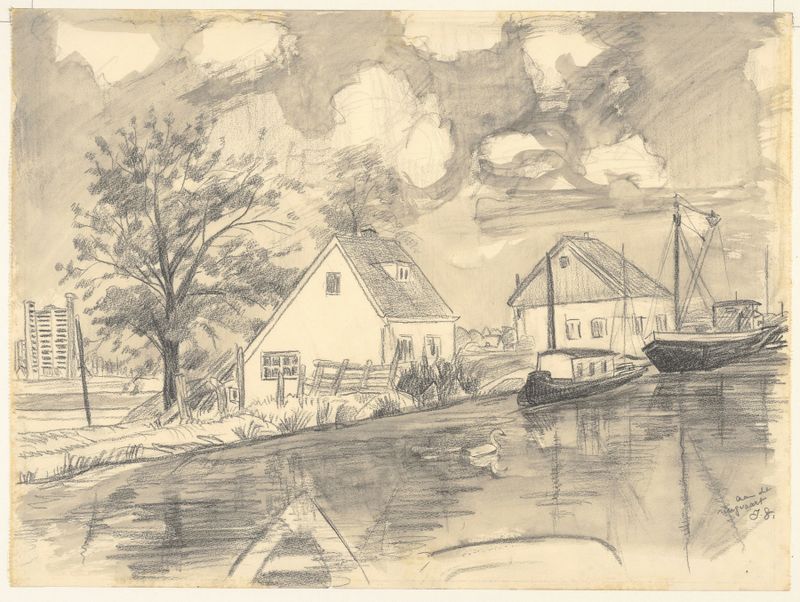
aan de ringvaart
Julia Giesberts





