Landscape — History & Facts
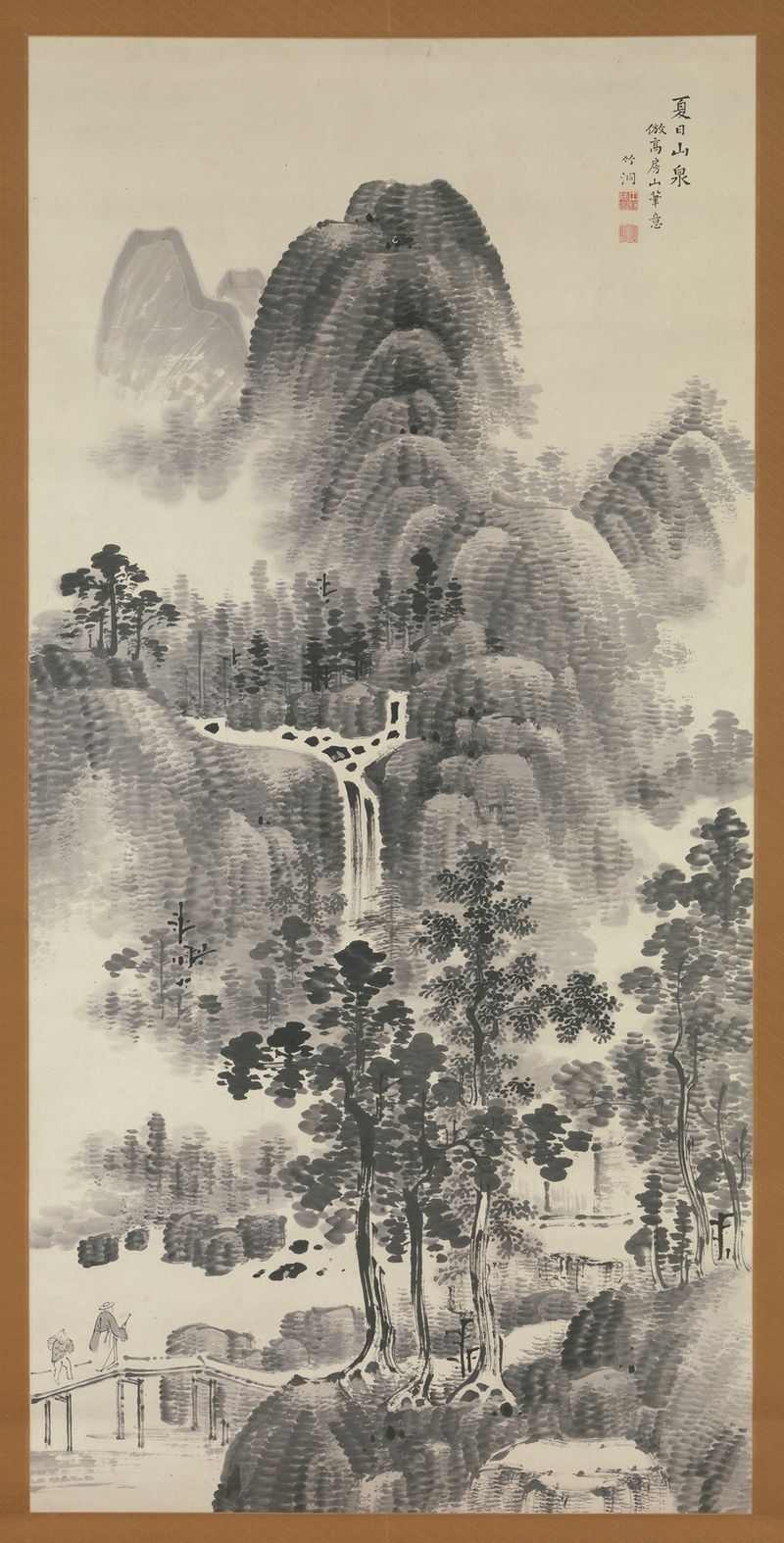
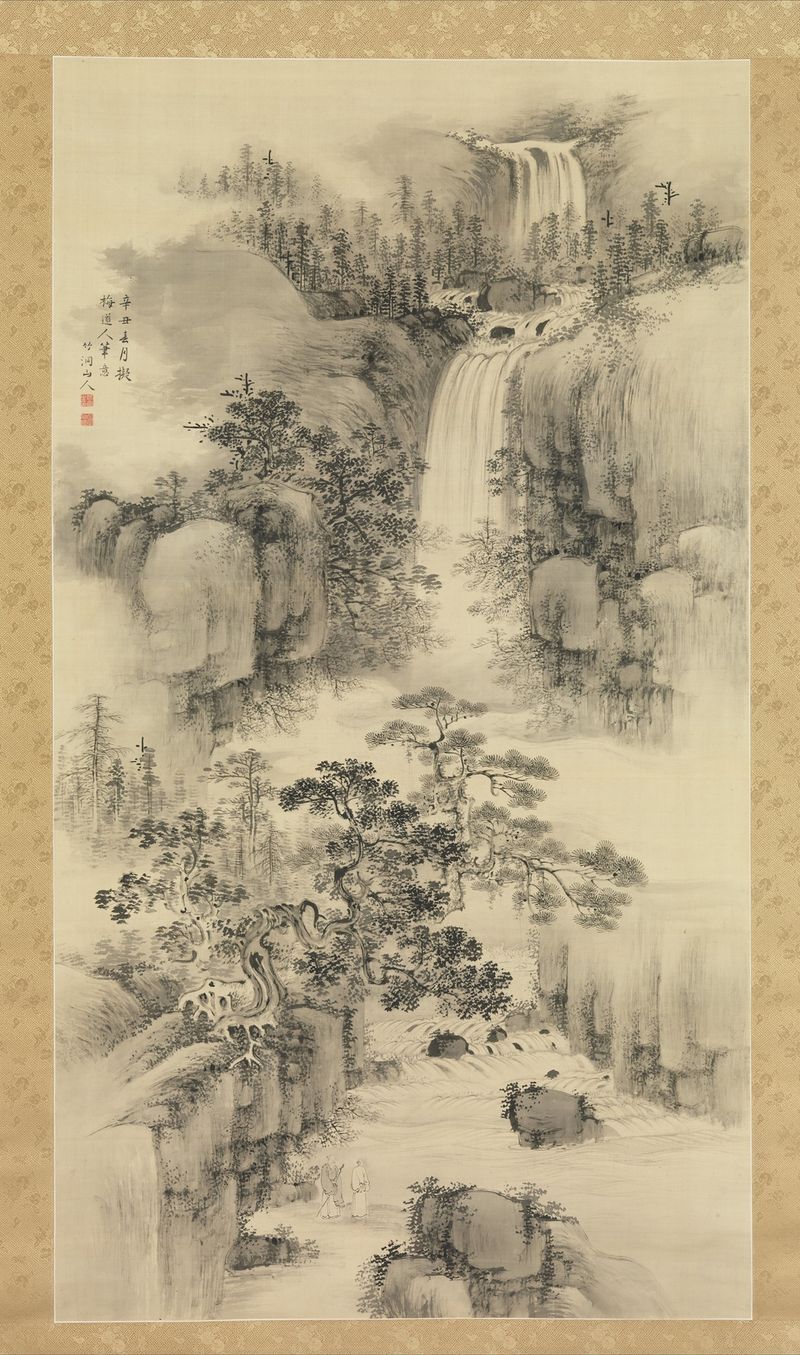
In a world where moments slip through our fingers like grains of sand, the act of creating a landscape becomes a vessel for dreams, a way to capture ephemeral beauty. Focus on the tranquil valley that stretches across the canvas, where soft greens blend into muted blues at the horizon. Notice how the delicate brushwork creates a sense of depth, inviting you to step into this serene vision. The subtle gradations of color evoke a dreamy atmosphere, while wisps of clouds float lazily overhead, their forms dissolving into the vastness of the sky.
Each stroke embodies not just the scene itself but also a quiet reverence for nature’s fleeting moments. The interplay between light and shadow reveals a tension between reality and the dreamlike quality of the landscape. The gentle undulations of the land suggest a hidden narrative, as if the hills themselves are whispering secrets from the past. Look closely at the foreground; a solitary tree stands resilient, a silent witness to the passage of time, symbolizing endurance amidst the inevitable changes of life.
This juxtaposition of permanence and transience resonates deeply, inviting contemplation on what remains and what is lost. Created in 1808, during a period when Japan was experiencing significant cultural transition, the work reflects Nakabayashi Chikutō’s mastery of traditional techniques. Working in Kyoto, he painted amid the rise of ukiyo-e and the increasing influence of Western art, merging styles with a unique vision. This landscape, with its serene beauty, encapsulates a moment both personal and universal, a perfect embodiment of its time.