Landscape with Waterfall — History & Facts
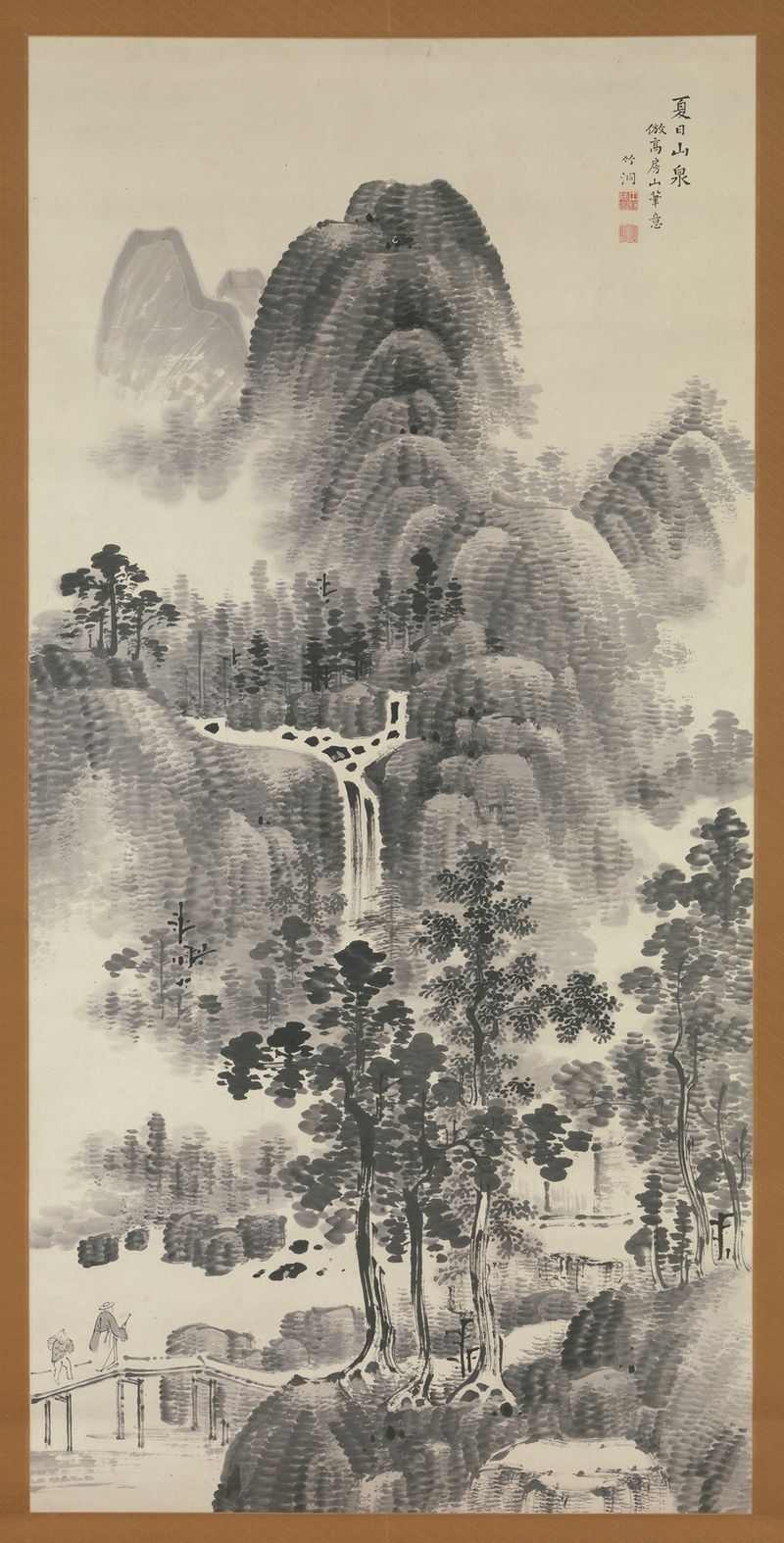
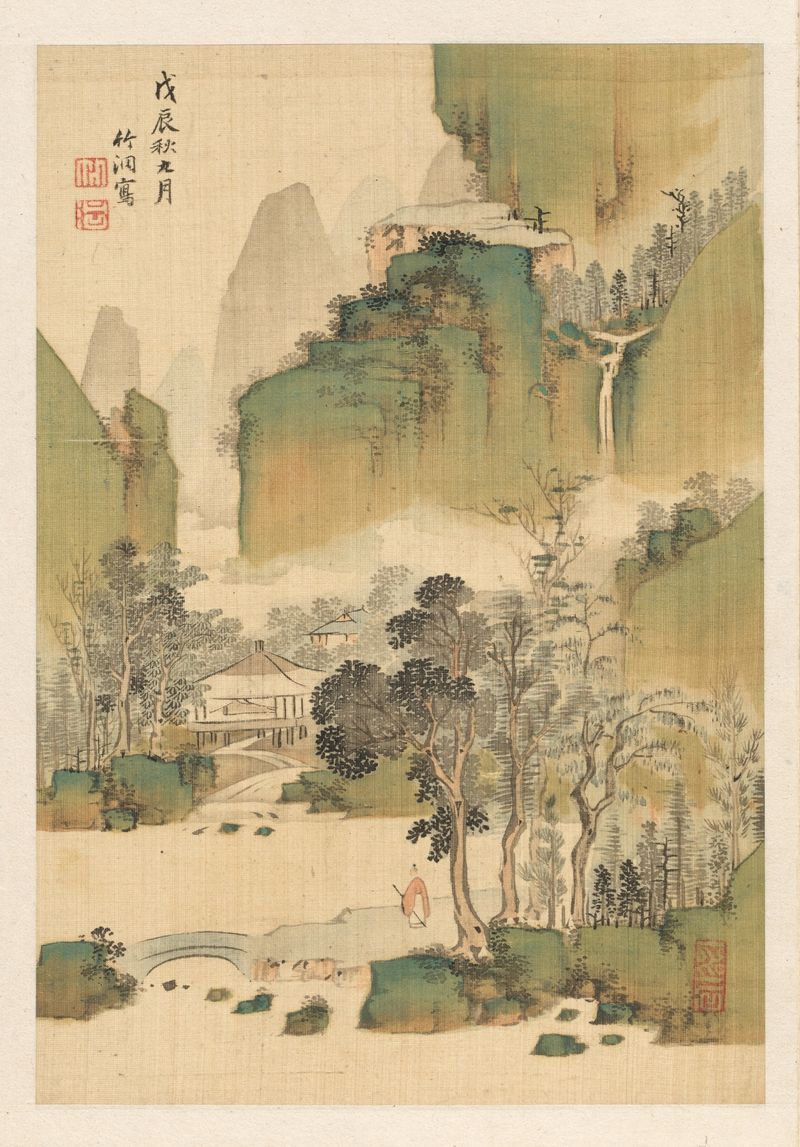
When did color learn to lie? In a world painted in hues that promise serenity, grief often hides beneath the surface, waiting to emerge like a shadow in daylight. Look to the left at the gentle curve of the waterfall, cascading down with crystalline clarity. The artist has expertly layered shades of blue and green, capturing the water’s movement while contrasting it with the stillness of the surrounding foliage. Notice how the soft brushstrokes create a sense of depth, intricately weaving the trees into the background while the waterfall commands immediate attention with its vibrant white highlights.
The scene is enveloped in a delicate mist, evoking an ethereal quality that prompts the viewer to linger. Beneath the seemingly tranquil exterior lies a poignant tension. The stark contrast between the vivid waterfall and the muted earth tones of the rocks hints at an unsettling dynamic—nature’s beauty intertwined with an undercurrent of loss. Each brushstroke invokes a fleeting moment, reminding us of the transience of joy and the inevitability of grief.
This interplay of colors, while radiant, suggests that the peace we observe is often a façade, concealing deeper emotions that resonate with the human experience. In 1841, Nakabayashi Chikutō created Landscape with Waterfall in Japan, a period marked by artistic transition as Western influences began permeating traditional practices. Amidst a society grappling with change, Chikutō embraced the natural world and its complexities, reflecting both his personal narrative and the evolving landscape of Japanese art. His work serves as a bridge, capturing the essence of nature while inviting contemplation of the emotions that lie beneath its beauty.