
Landscape at Kusatsu — History & Facts
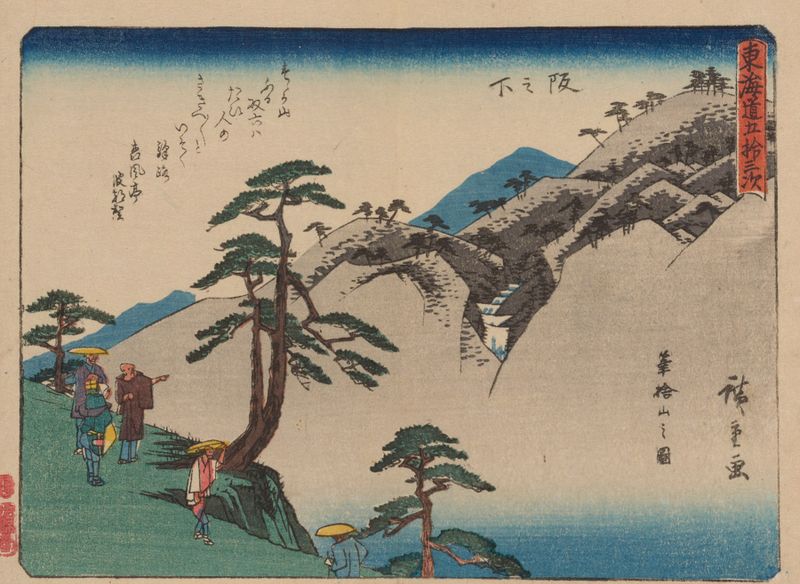
Did the painter know this moment would outlive them? In Landscape at Kusatsu, the tranquil beauty captured invites us to ponder loss and reminiscence, as nature stands timeless against the fleeting nature of life. Focus first on the flowing waters at the center, where gentle ripples whisper secrets to the viewer. The serene blues and greens intertwine with delicate touches of white, evoking the frosty breath of a mountain spring. Notice how the distant peaks loom, shrouded in mist, guiding your gaze upward and inviting reflection.
Hiroshige's masterful use of color gradients and soft outlines creates a soothing atmosphere, while the subtle play of light adds depth and dimension to the landscape. Yet beneath this tranquil surface lies a poignant contrast. The vibrant greenery embodies life and fertility, while the pale, fading mountains suggest the inevitability of time's passage and the losses inherent in existence. The small figures wandering the banks serve as reminders of human vulnerability, dwarfed by nature’s grandeur and hinting at the transient nature of our own journeys.
Each brushstroke, while seemingly simple, conveys a complex interplay of hope and melancholy. In 1831, Hiroshige painted this scene during a period marked by both the flourishing of ukiyo-e art and his own personal losses. Living in Edo, he was becoming renowned for his landscapes, yet he faced the death of his first wife. Contextually, the world around him was undergoing rapid changes, with urbanization on the rise and traditional lifestyles beginning to fade.
This poignant work is not just an artistic achievement; it is a meditation on loss, preservation, and the enduring beauty of the world.
More Artworks by Utagawa Hiroshige
Browse all →
Sudden Shower over Shin Ohashi Bridge and Atake (Ohashi Atake no yudachi), from the series "One Hundred Famous Views of Edo (Meisho Edo hyakkei)"
Utagawa Hiroshige
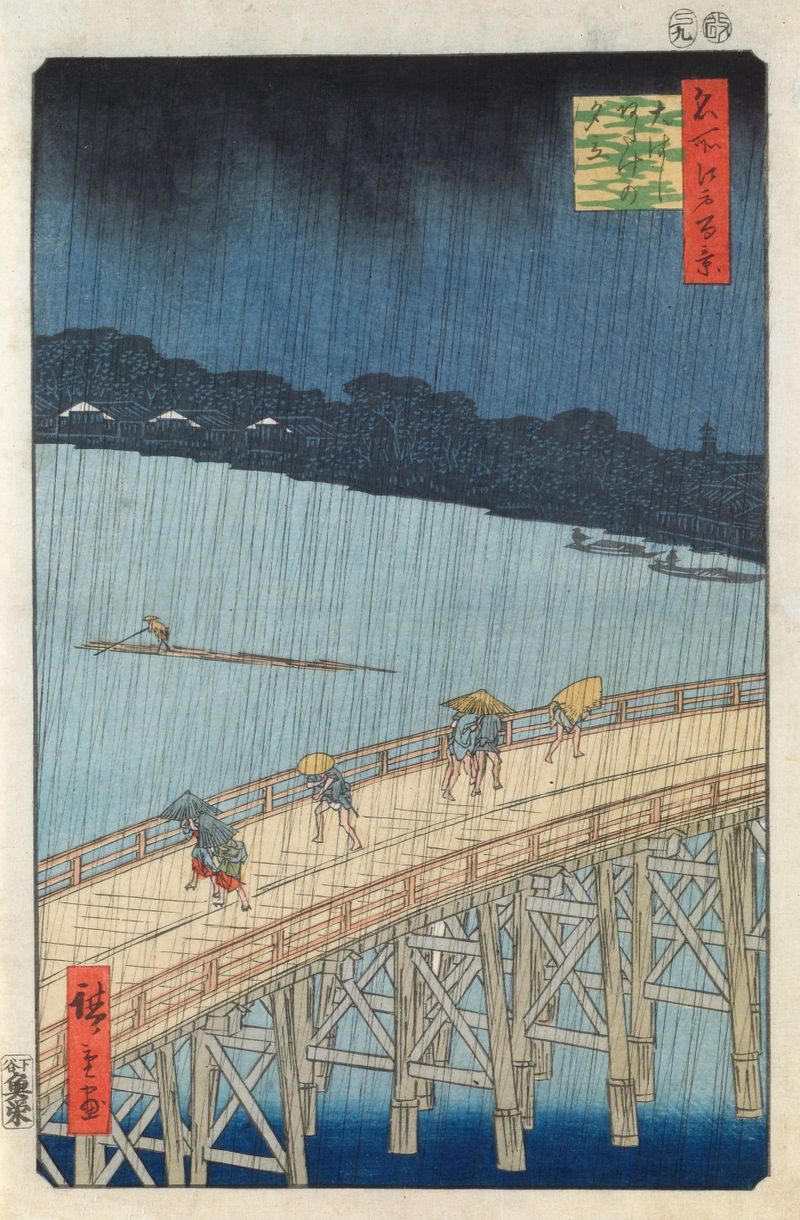
Sudden Shower Over Ohashi Bridge and Atake
Utagawa Hiroshige
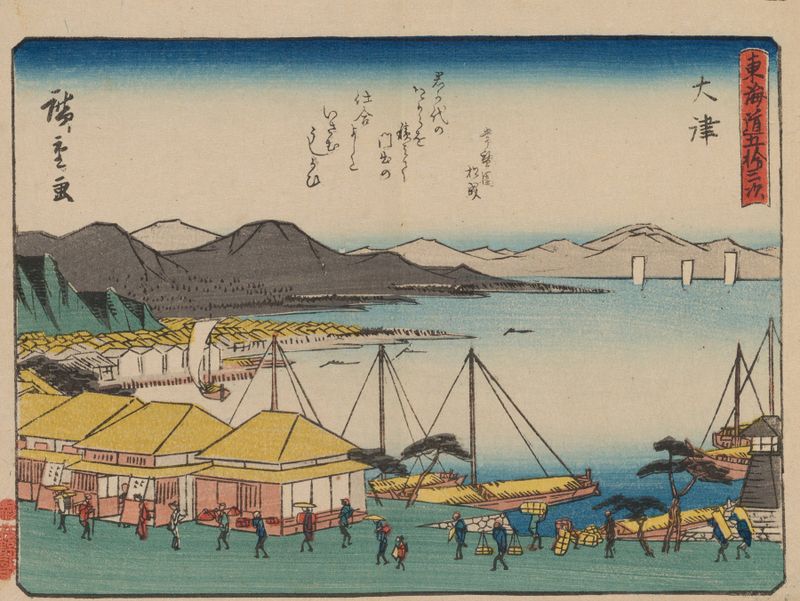
Tokaido gojusantsugi, Pl.54
Utagawa Hiroshige
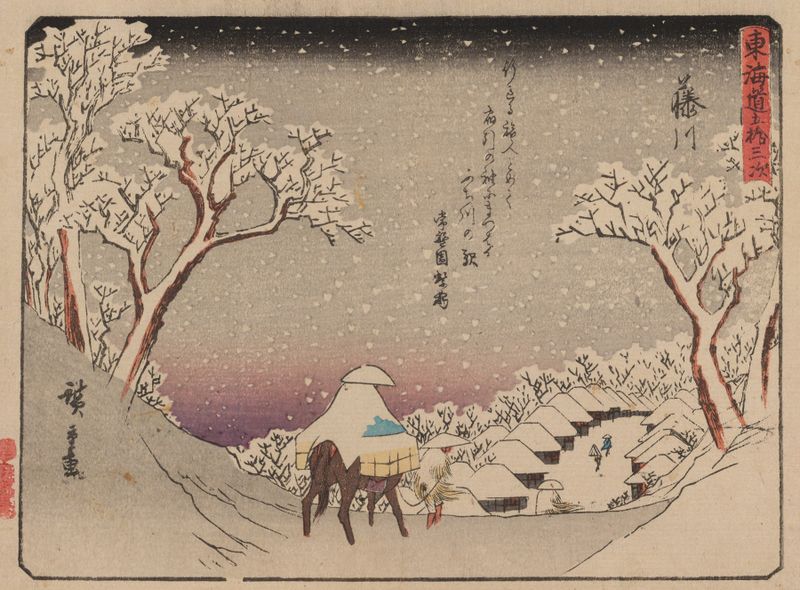
Tokaido gojusantsugi, Pl.38
Utagawa Hiroshige
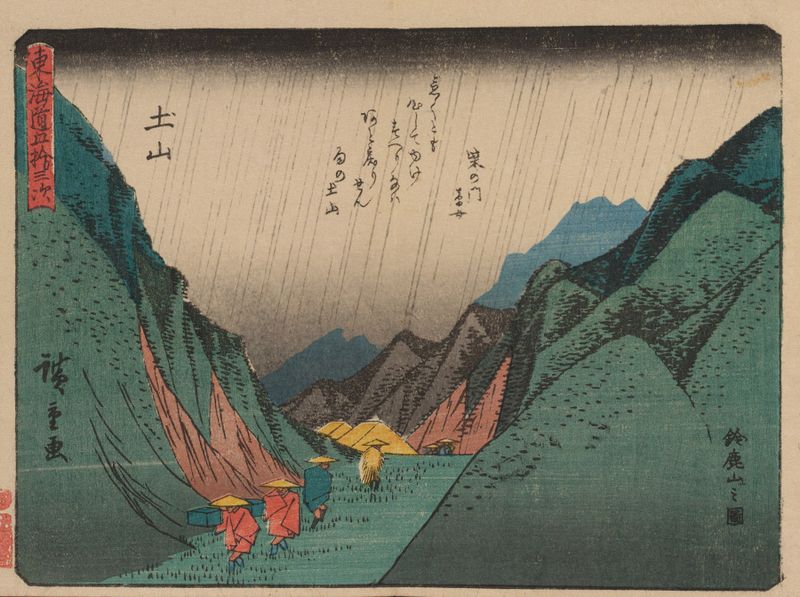
Tokaido gojusantsugi, Pl.50
Utagawa Hiroshige
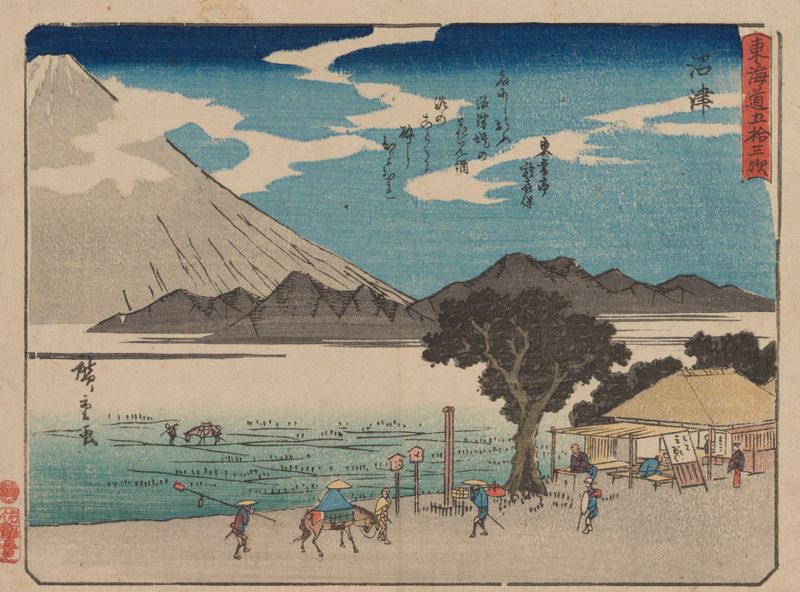
Tokaido gojusantsugi, Pl.13
Utagawa Hiroshige
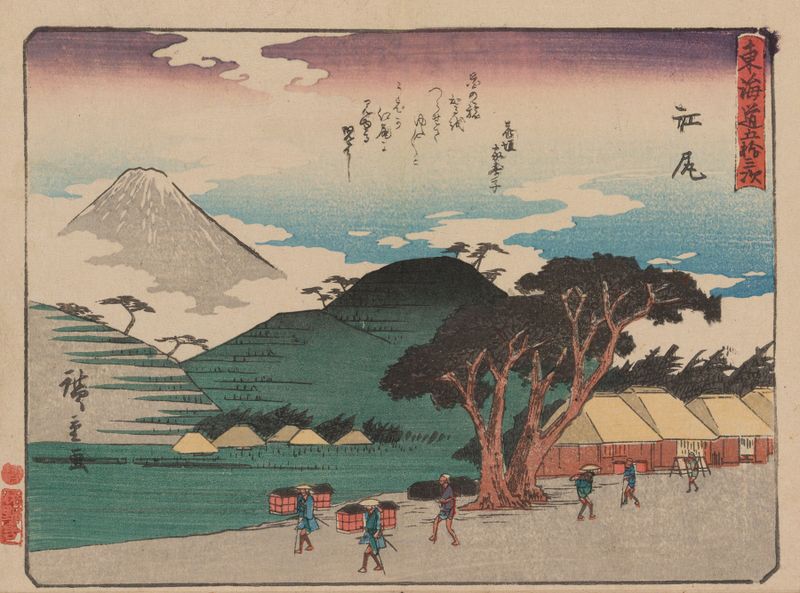
Tokaido gojusantsugi, Pl.19
Utagawa Hiroshige
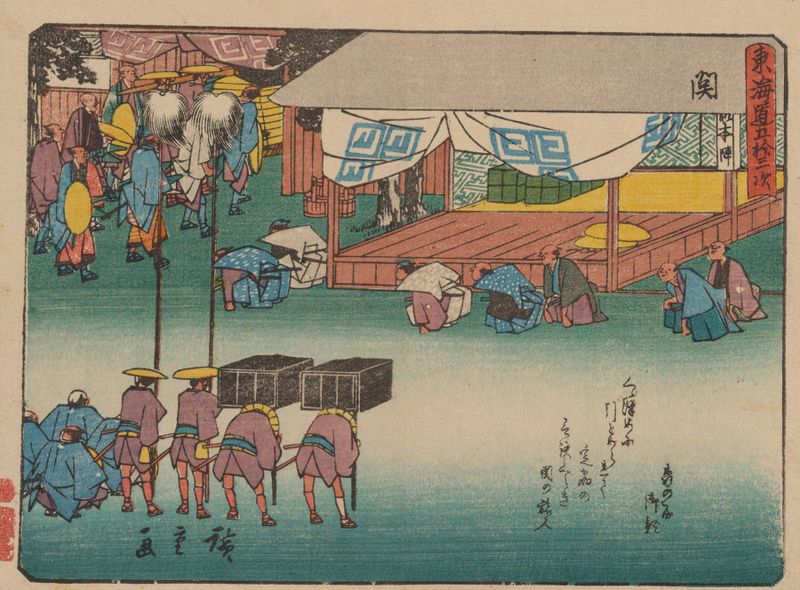
Tokaido gojusantsugi, Pl.48
Utagawa Hiroshige
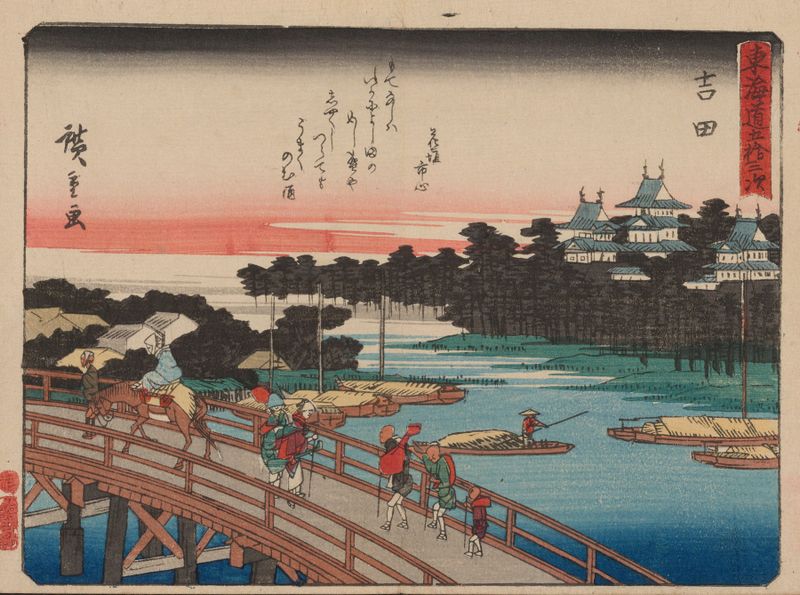
Tokaido gojusantsugi, Pl.35
Utagawa Hiroshige
Tokaido gojusantsugi, Pl.49
Utagawa Hiroshige





