
Landscape at Ugíjar (Southern Spain) — History & Facts
What if silence could speak through light? In Landscape at Ugíjar, the stillness of the Southern Spanish countryside offers a haunting narrative, revealing the fragile line between serenity and madness. Focus on the horizon, where the sun flirts with the edge of dusk. The warm golden hues bleed into deep, contemplative blues, creating a profound contrast that invites introspection. Notice the gentle undulations of the land, where each rolling hill seems to whisper secrets shared only with the clouds overhead.
The meticulous brushwork captures the intricate details of the olive trees, their twisted trunks reflecting the tumult of the human psyche against the tranquil backdrop of nature. Hidden within the vivid strokes lies an emotional duality; the brightness of the landscape masks an undercurrent of existential tension. The harmony of colors belies the turmoil that once reigned in this area, a landscape haunted by the ghosts of history. Here, nature embodies a paradox—inviting yet isolating, beautiful yet unsettling.
The viewer senses that each moment of stillness in the painting carries the weight of unspoken stories, a reminder of the fragility of peace. François Antoine Bossuet painted Landscape at Ugíjar in 1850 while navigating a transformative period in his life and career. This era marked a significant shift in European art, moving towards realism and away from romantic idealism. As Bossuet embraced these changing tides, he infused his landscapes with a sense of emotional depth, reflecting both personal and collective struggles of his time.
More Artworks by François Antoine Bossuet
Browse all →
Innenansicht des Kolosseums in Rom
François Antoine Bossuet

Venice, a view of the Grand Canal with Santa Maria della Salute
François Antoine Bossuet
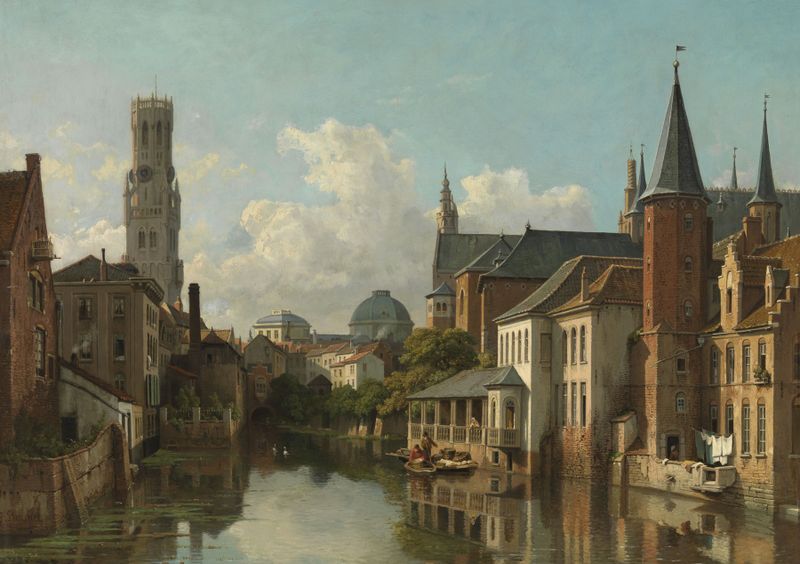
The Quai of the Rosary in Bruges
François Antoine Bossuet
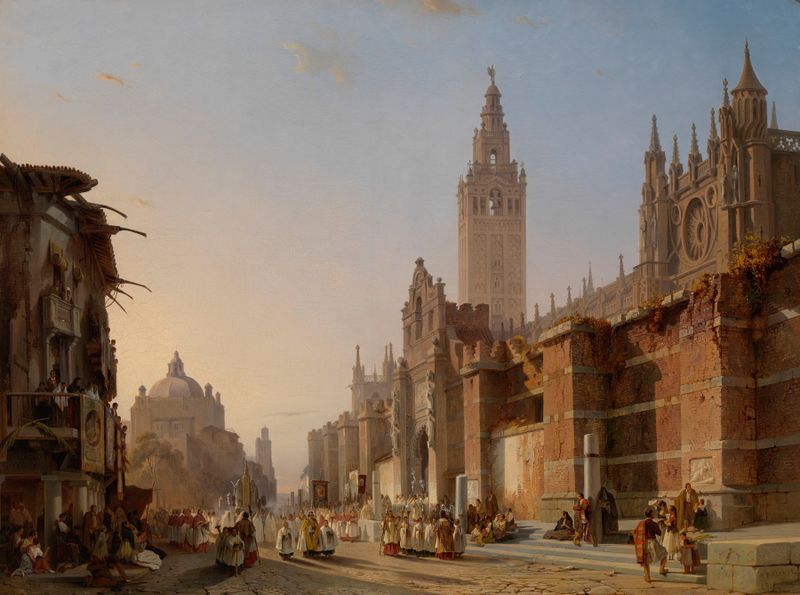
The Cathedral of Seville
François Antoine Bossuet

Vue d’une ville, probablement du Nord de l’Espagne
François Antoine Bossuet
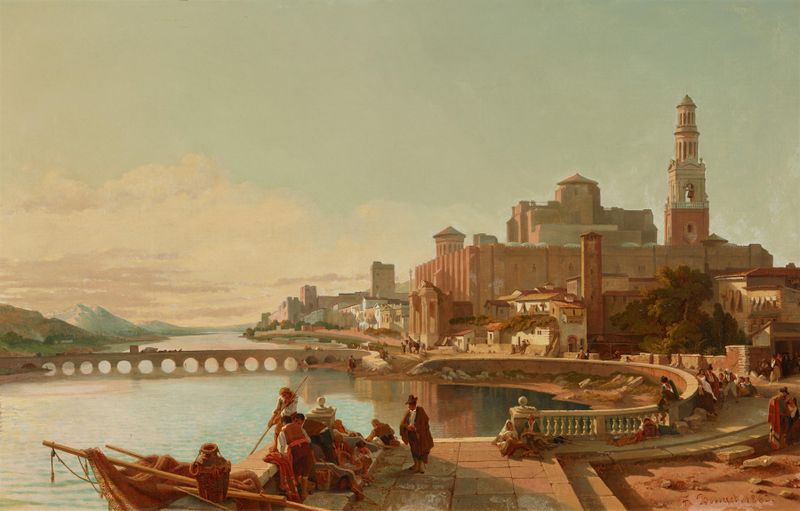
Fischer und weitere Figuren am Ufer des Guadalquivir mit Blickauf die römische Brücke und der Großen Moschee von Cordoba
François Antoine Bossuet
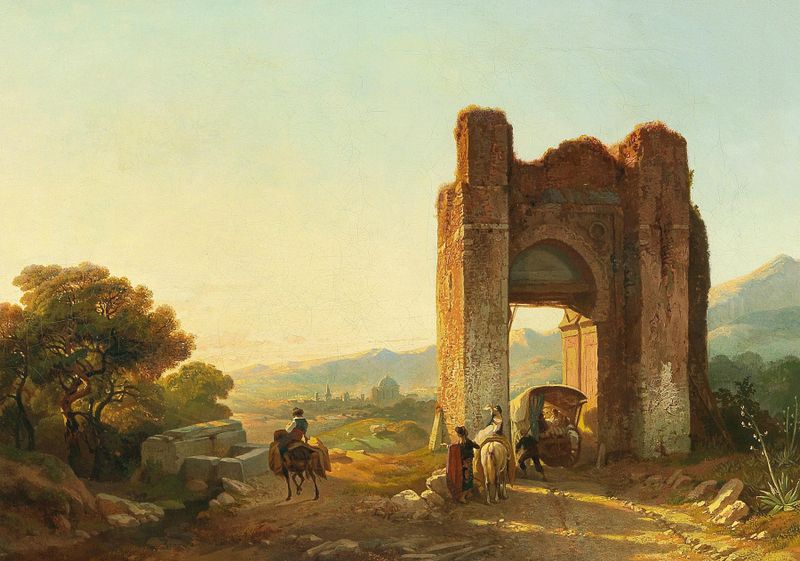
A romantic landscape with Mauritanian ruins and figures
François Antoine Bossuet
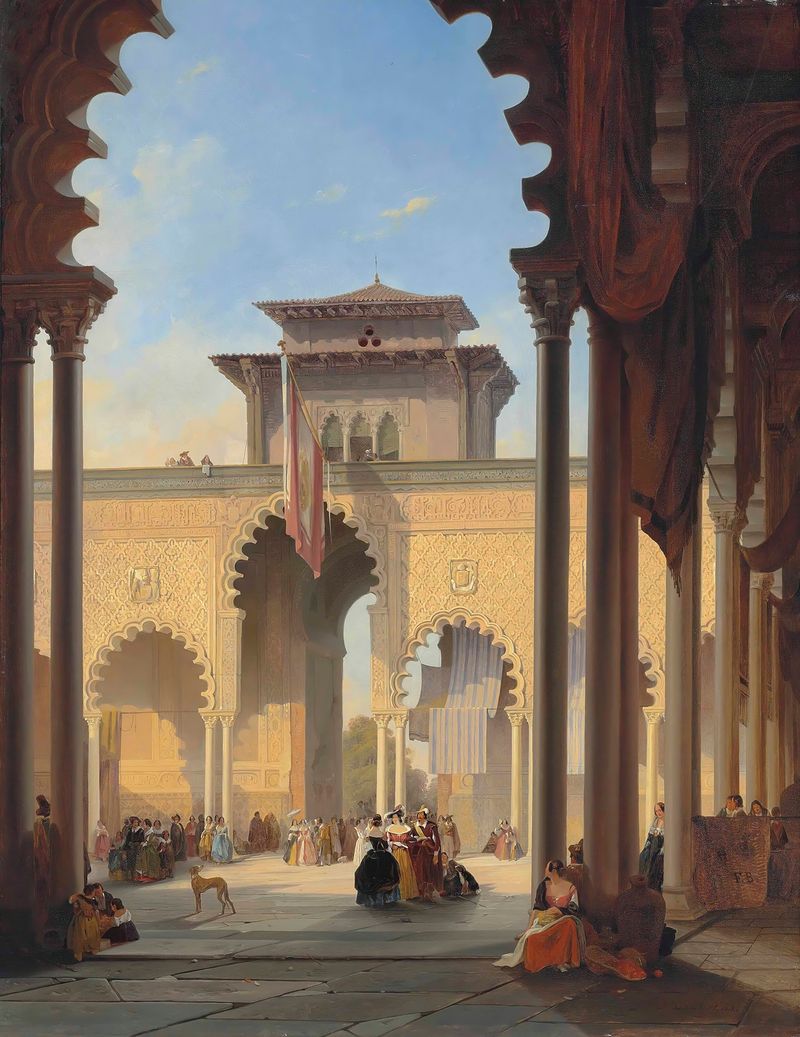
Court Of The Lions, The Alhambra, Granada
François Antoine Bossuet
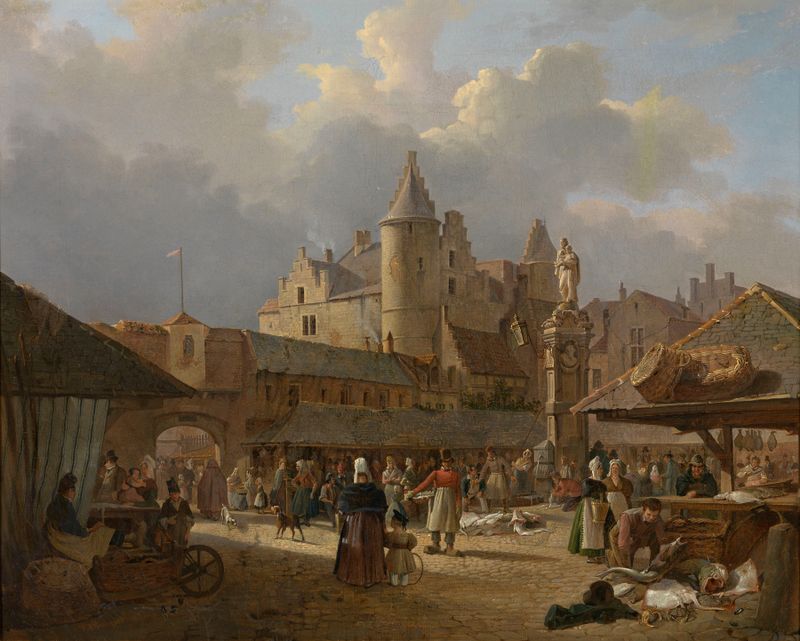
The Old Fish Market in Antwerp
François Antoine Bossuet
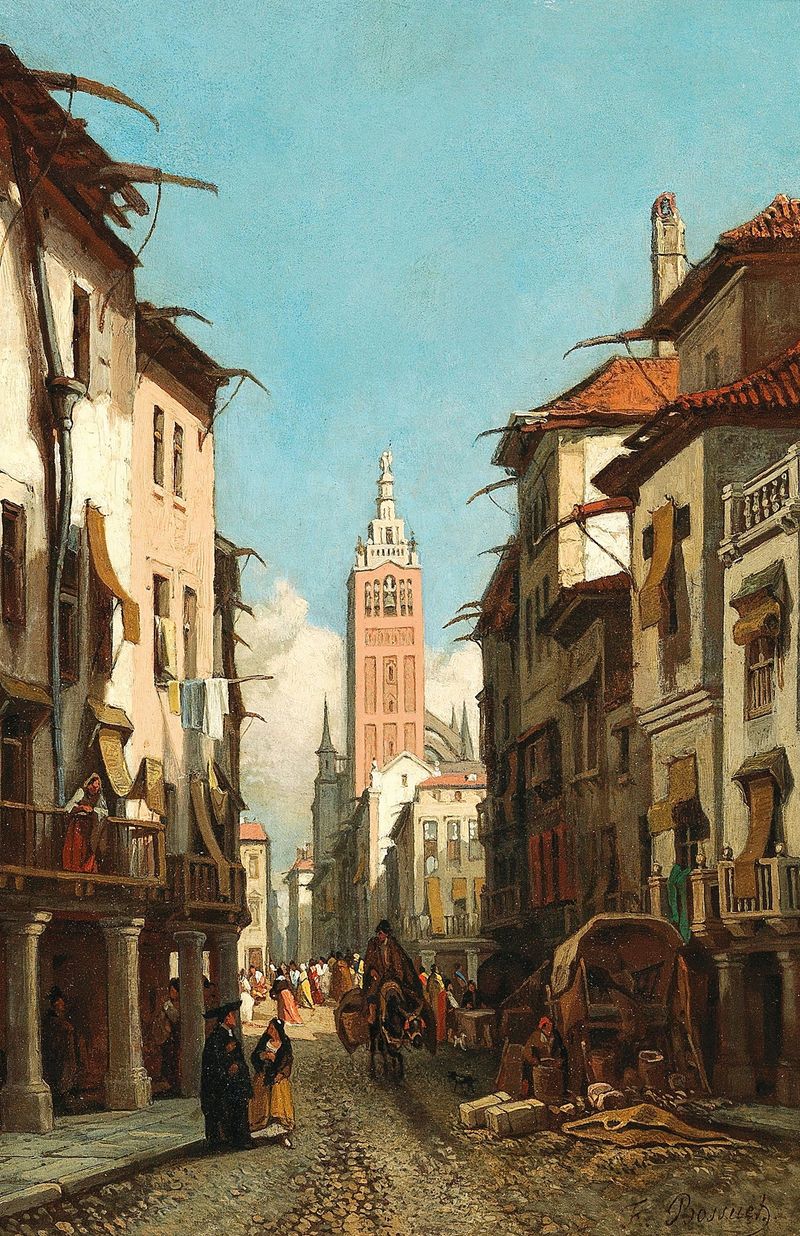
Rue de la Giralda
François Antoine Bossuet





