
The Quai of the Rosary in Bruges — History & Facts
In the stillness of Bruges, an air of nostalgia lingers over the Quai of the Rosary, where time seems to pause, inviting contemplation. Look to the left at the elegant architecture, its reflections shimmering softly upon the water's surface. Notice how the gentle hues of blue and gold swirl together, creating a captivating contrast that captures the essence of a serene evening. The interplay of light and shadow reveals the delicate brushwork, imbuing the scene with a sense of tranquility while drawing the viewer deeper into the composition. As you explore the details, consider the lone figure drifting in the foreground, evoking feelings of longing and solitude.
The subtle wave patterns in the water symbolize the passage of time, while the lush greenery framing the canal suggests the enduring nature of beauty amidst fleeting moments. Each element, from the soft glow of the streetlamps to the muted tones of the buildings, serves as a testament to the bittersweet memories of a bygone era. François Antoine Bossuet created this artwork in 1875 while residing in Bruges, a city renowned for its medieval charm. At this time, he was part of a movement that sought to capture the essence of everyday life through impressionistic techniques, reflecting both personal emotions and cultural shifts in the art world.
His work signifies a period where artists began to embrace the intimate connections between memory, place, and emotion.
More Artworks by François Antoine Bossuet
Browse all →
Innenansicht des Kolosseums in Rom
François Antoine Bossuet

Venice, a view of the Grand Canal with Santa Maria della Salute
François Antoine Bossuet
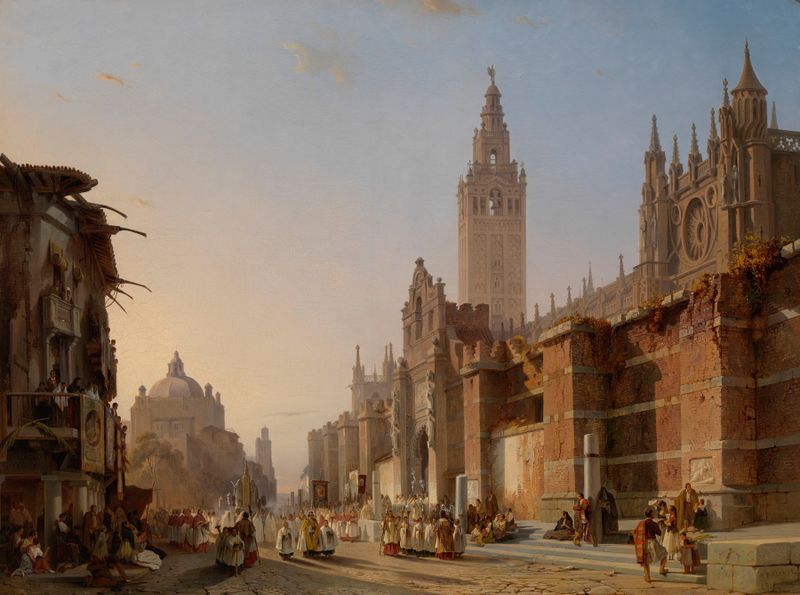
The Cathedral of Seville
François Antoine Bossuet

Vue d’une ville, probablement du Nord de l’Espagne
François Antoine Bossuet
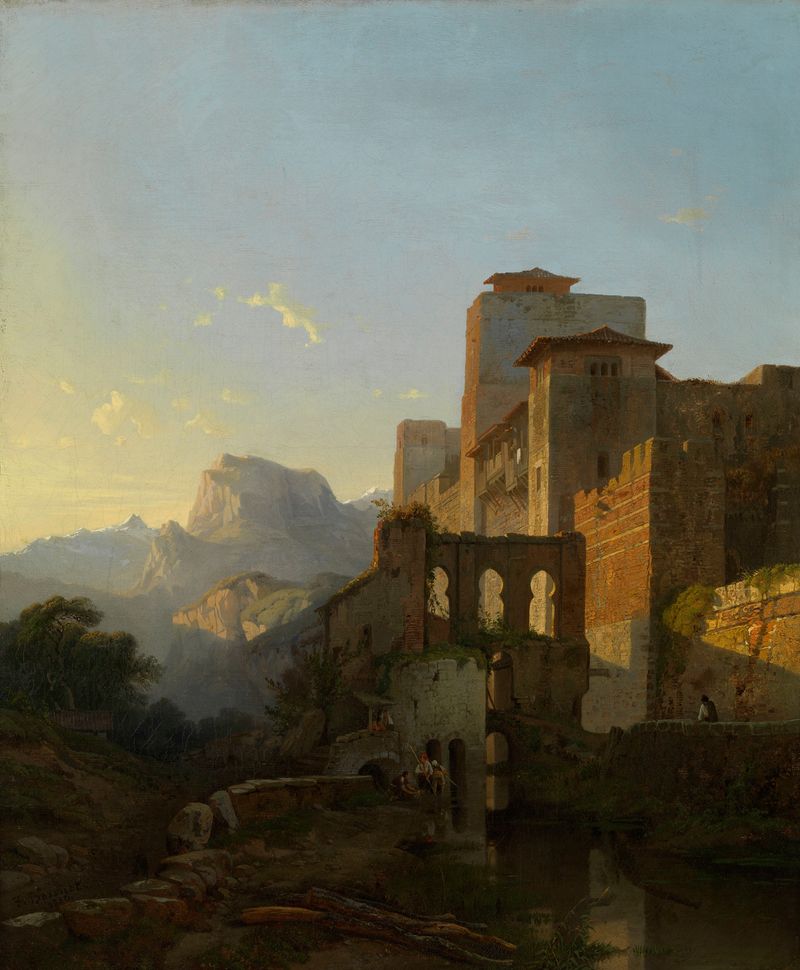
Landscape at Ugíjar (Southern Spain)
François Antoine Bossuet
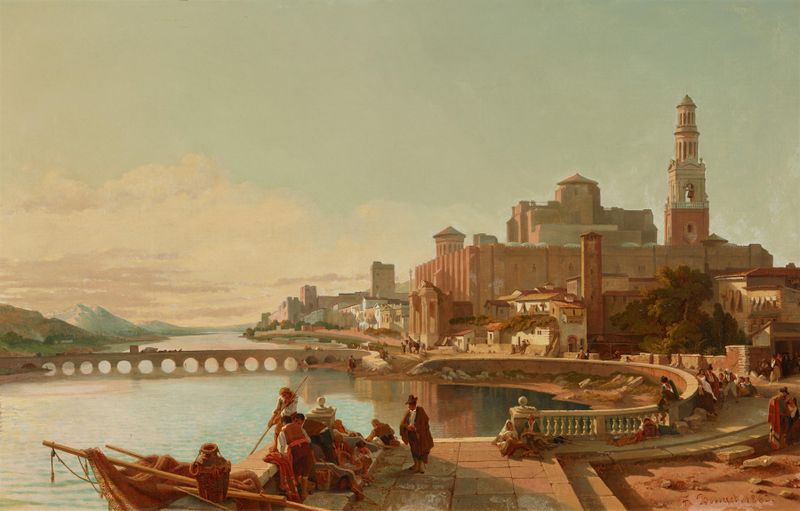
Fischer und weitere Figuren am Ufer des Guadalquivir mit Blickauf die römische Brücke und der Großen Moschee von Cordoba
François Antoine Bossuet
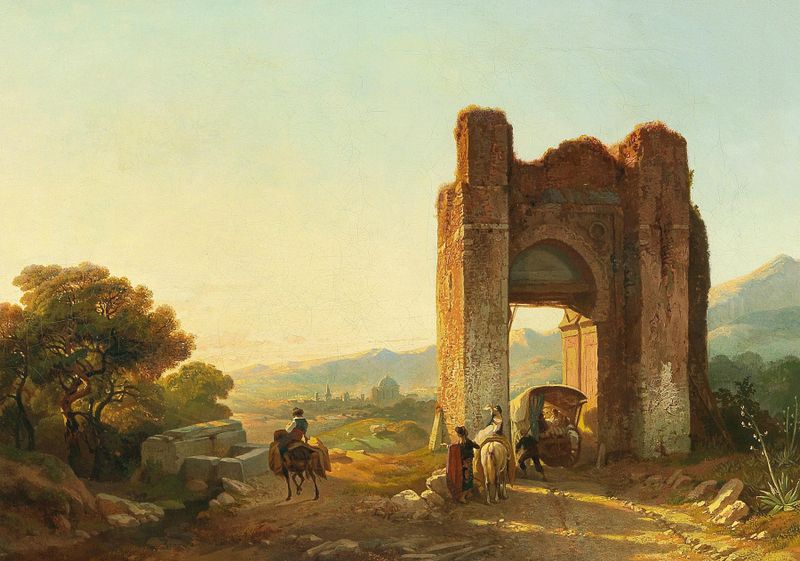
A romantic landscape with Mauritanian ruins and figures
François Antoine Bossuet
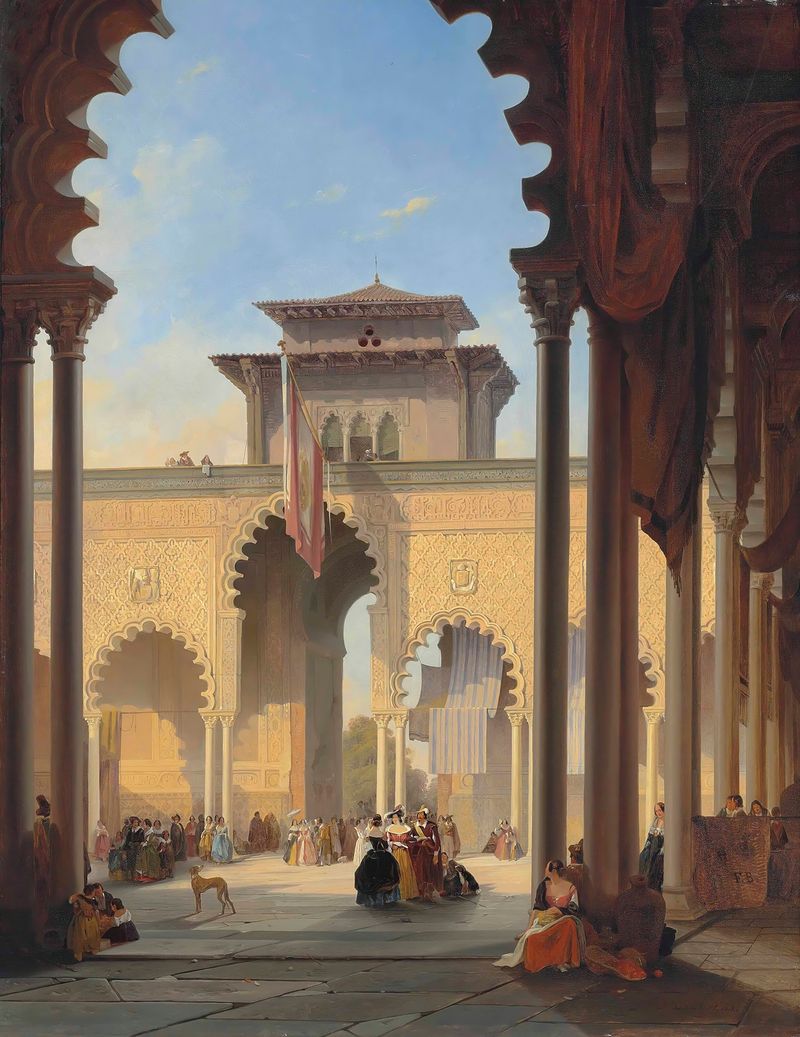
Court Of The Lions, The Alhambra, Granada
François Antoine Bossuet
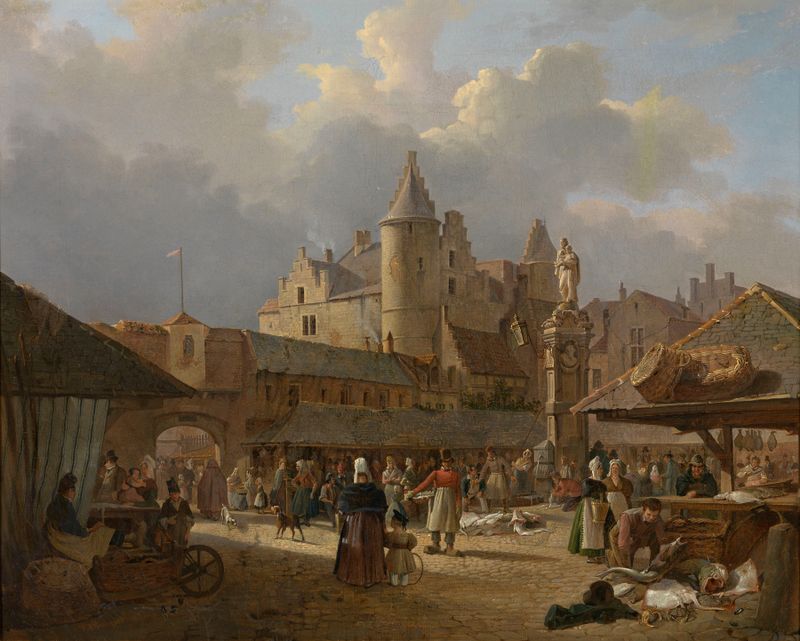
The Old Fish Market in Antwerp
François Antoine Bossuet
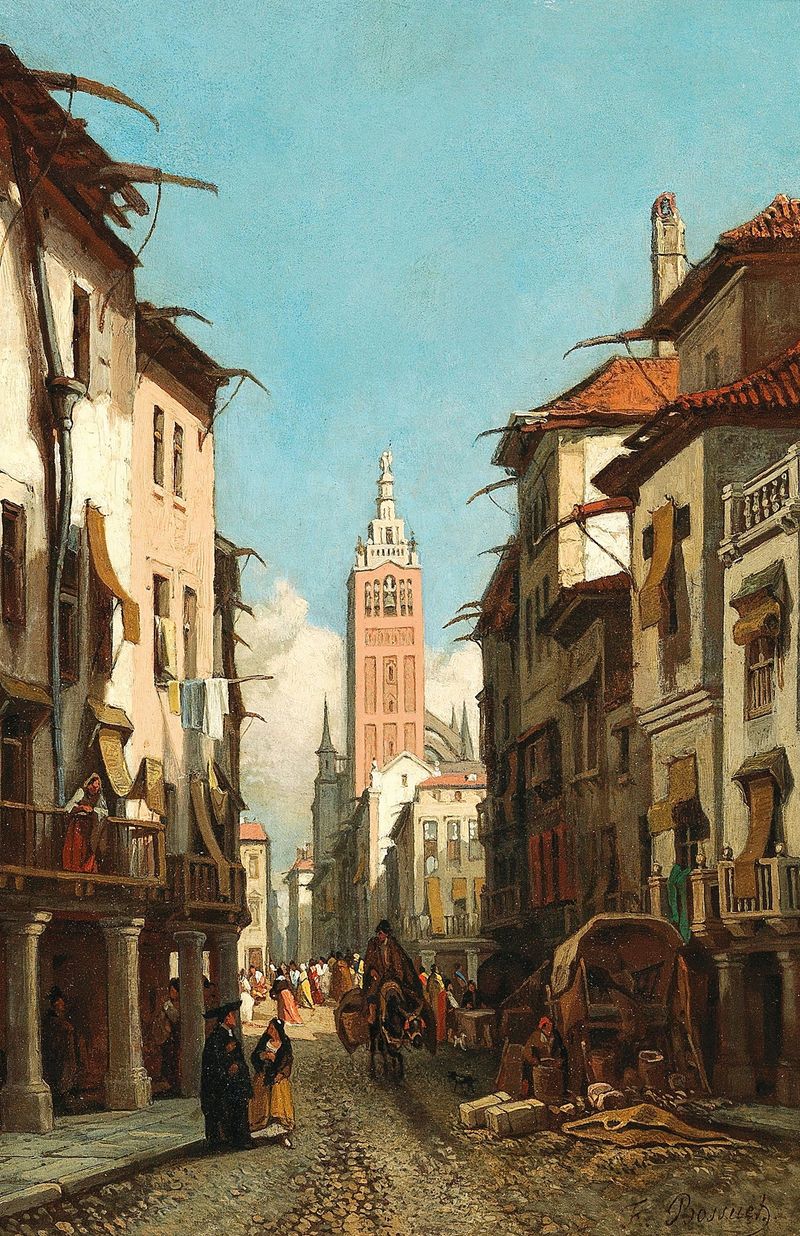
Rue de la Giralda
François Antoine Bossuet





