
Landscape by Moonlight — History & Facts
Under the soft glow of the moonlight, fear and tranquility intertwine, revealing the hidden depths of nature’s nocturnal embrace. Look to the left at the delicate interplay between shadow and light; the silvery beams of the moon filter through the trees, casting intricate patterns upon the ground. Notice how the twilight sky is a deep indigo, a stark contrast to the luminous orbs above, inviting contemplation. The composition is masterfully balanced, drawing the eye toward the horizon where the land meets the sky, creating a sense of infinite possibility, yet hinting at the uncertainty that night often brings. As you examine the details, consider the contrasting elements of serenity and tension.
The stillness of the landscape is palpable, yet the darkened corners of the canvas whisper of lurking fears and unseen figures. The trees stand tall, guardians of secrets that seem to stretch beyond the edges of the painting. Each stroke of the brush captures a moment suspended in time, where every blade of grass and ripple in the water conceals an unspoken story. In 1898, the artist was at a pivotal moment in his career, immersed in the Symbolist movement that sought to capture the emotional and mystical aspects of life.
Living in Belgium, Heymans was influenced by the shifting tides of modernity and the exploration of the subconscious. In this context, Landscape by Moonlight reveals not just a visual landscape, but an emotional terrain that reflects both personal and universal anxieties in a changing world.
More Artworks by Adrien-Joseph Heymans
Browse all →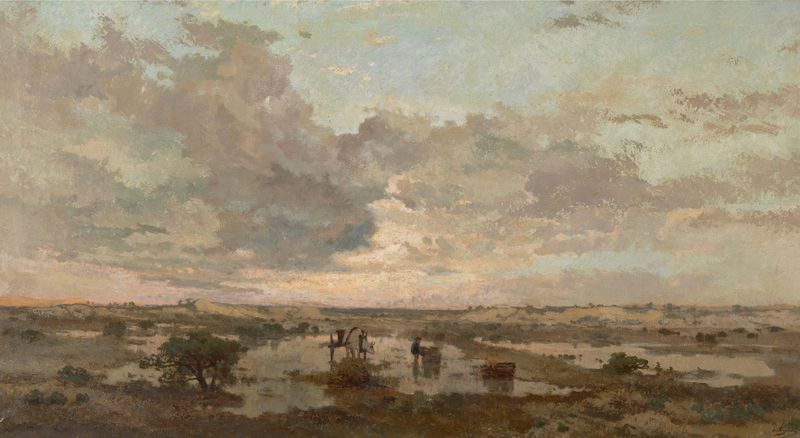
Sunset on the Heath
Adrien-Joseph Heymans
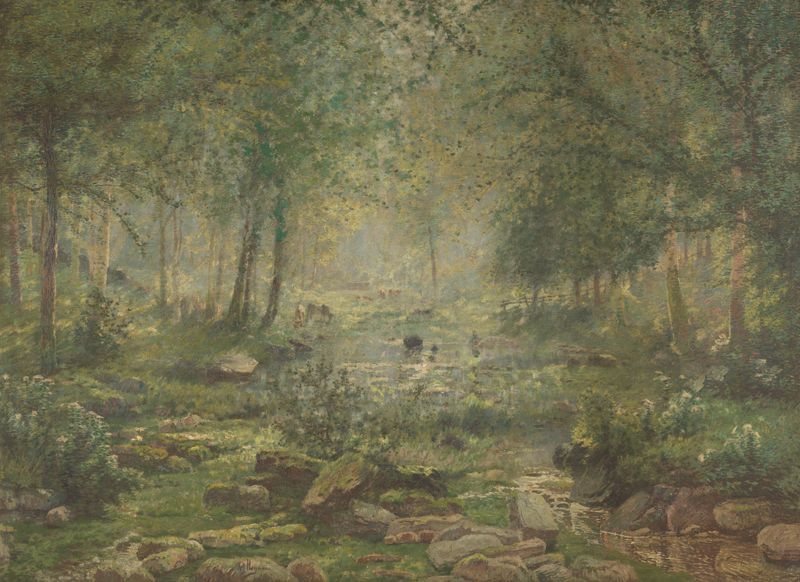
Woodland near Bertogne
Adrien-Joseph Heymans
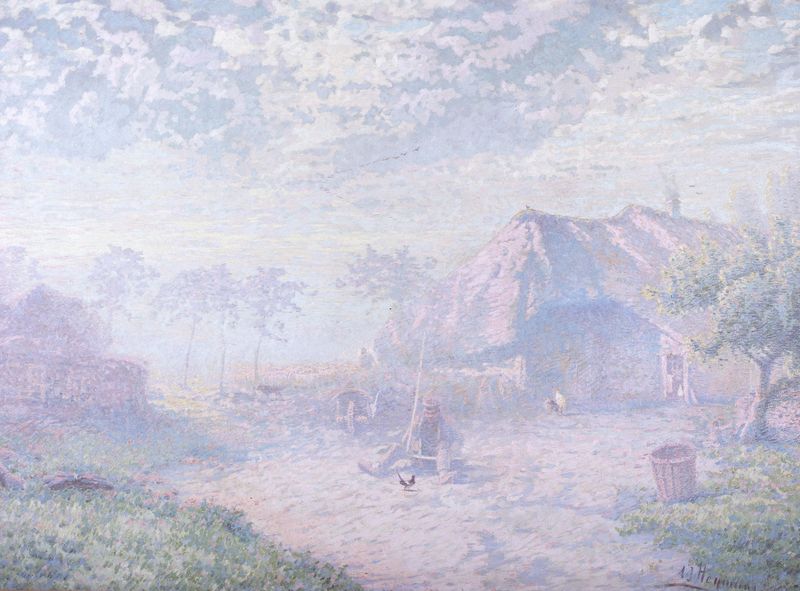
Early Morning
Adrien-Joseph Heymans
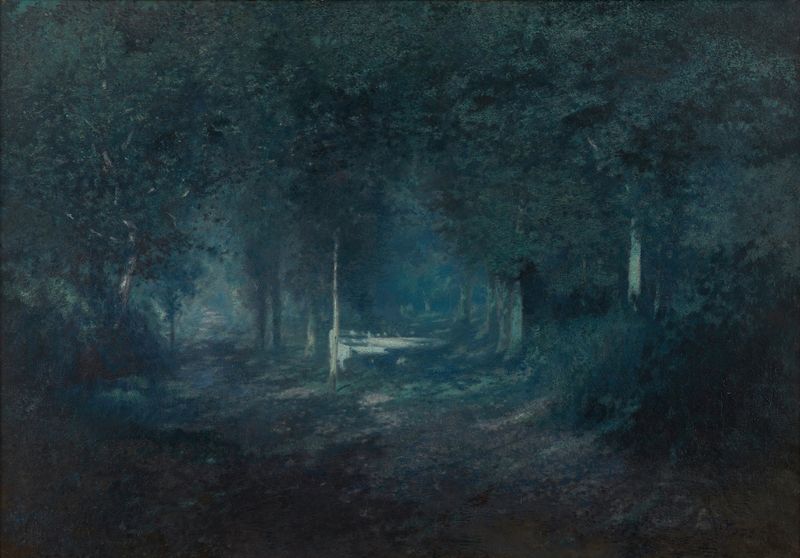
Wood by Moonlight
Adrien-Joseph Heymans
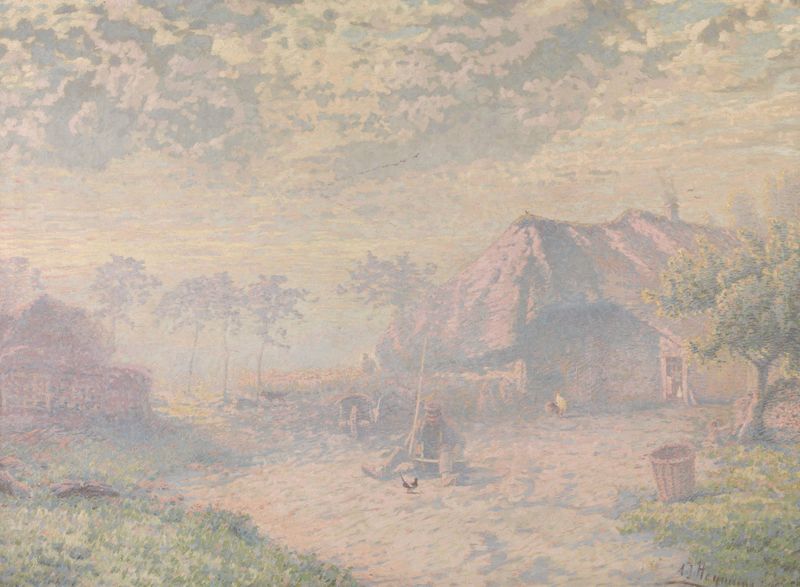
Morgens vroeg
Adrien-Joseph Heymans
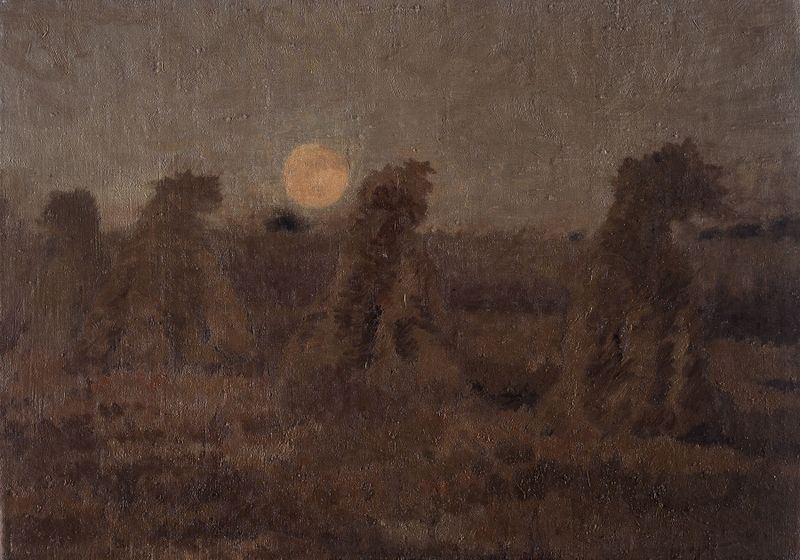
Haystacks by Night
Adrien-Joseph Heymans
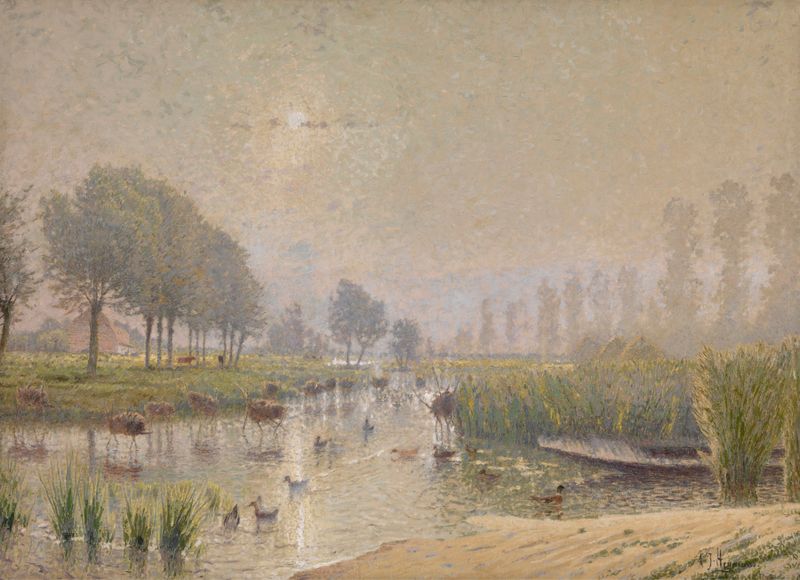
Duck Nests in the Reed
Adrien-Joseph Heymans
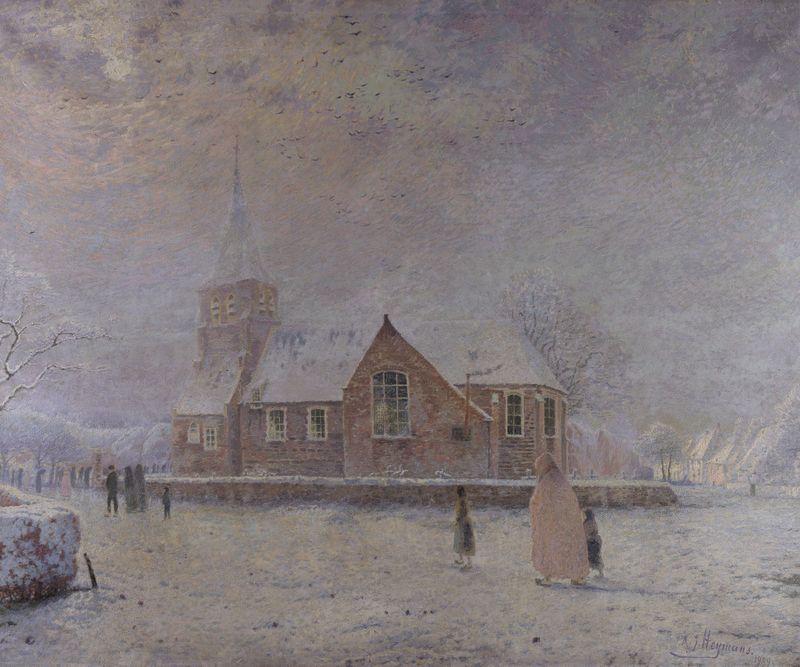
Snow-covered Hamlet
Adrien-Joseph Heymans





