
Snow-covered Hamlet — History & Facts
In Snow-covered Hamlet, a serene winter landscape conceals untold stories beneath its tranquil surface, inviting contemplation of hidden violence within nature's quiet beauty. Look closely at the foreground, where the snow blankets the rooftops, creating a pristine white canvas that contrasts sharply with the dark, bare trees. The houses huddle together, their smoke curling upward into the still, cold air. Notice how the soft, muted palette of blues and whites evokes a sense of calm, yet the jagged branches above disrupt this tranquility, suggesting a tension that simmers just below the surface. Delving deeper, the painting speaks to the duality of peace and turmoil.
The thick snow, while seemingly gentle, can suffocate and obscure, hinting at the violence of winter’s harshness. The trees, stripped of their leaves, stand in stark defiance, their twisted forms reflecting the struggle between life and death in the harsh winter solstice. Each brushstroke captures not just the beauty of the scene but a lurking sense of vulnerability and survival. In 1909, Adrien-Joseph Heymans created this piece while living in Belgium, a time when the art world was burgeoning with movements that explored emotional depth and realism.
During this period, the artist confronted the stark realities of life and nature, seeking to portray not just the aesthetic, but the underlying tensions that define human experience. The backdrop of impending change in Europe only heightened this exploration, as the world teetered on the brink of conflict.
More Artworks by Adrien-Joseph Heymans
Browse all →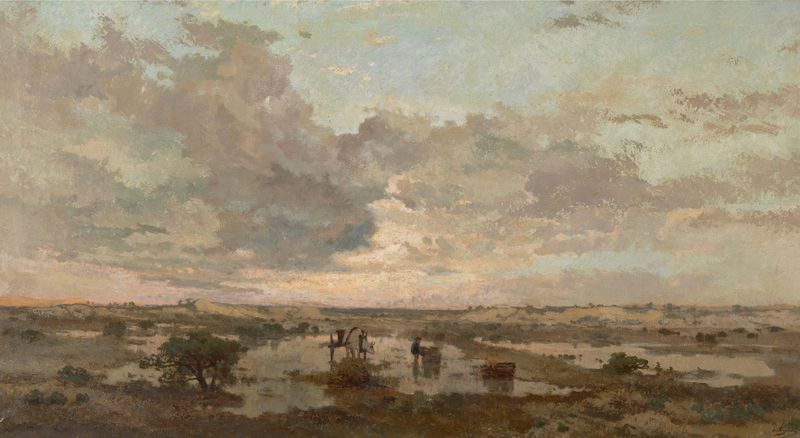
Sunset on the Heath
Adrien-Joseph Heymans
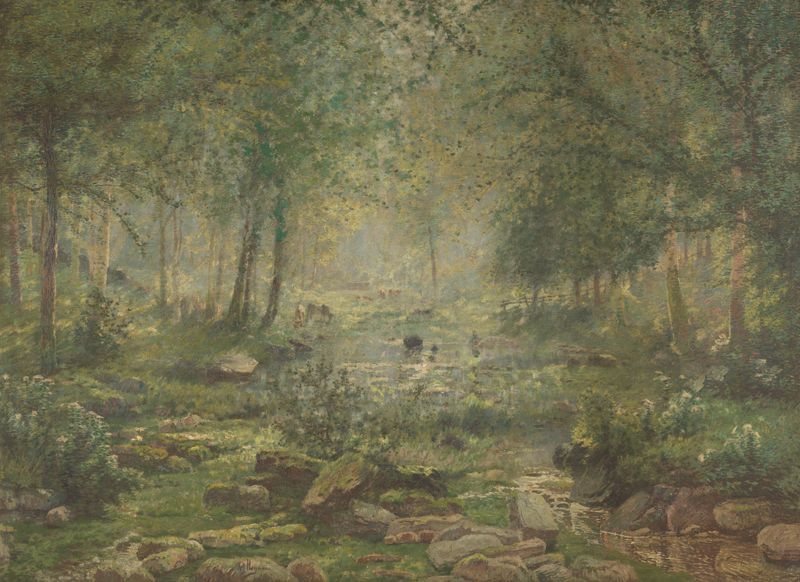
Woodland near Bertogne
Adrien-Joseph Heymans
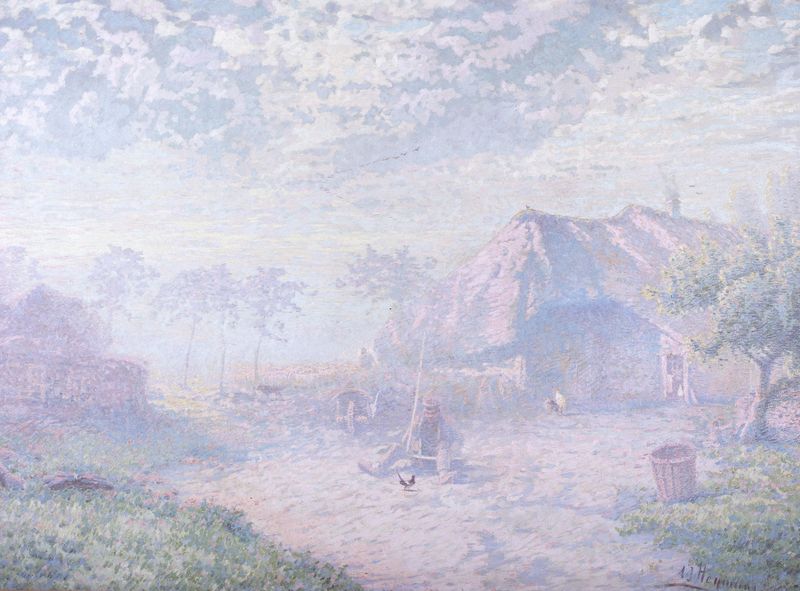
Early Morning
Adrien-Joseph Heymans
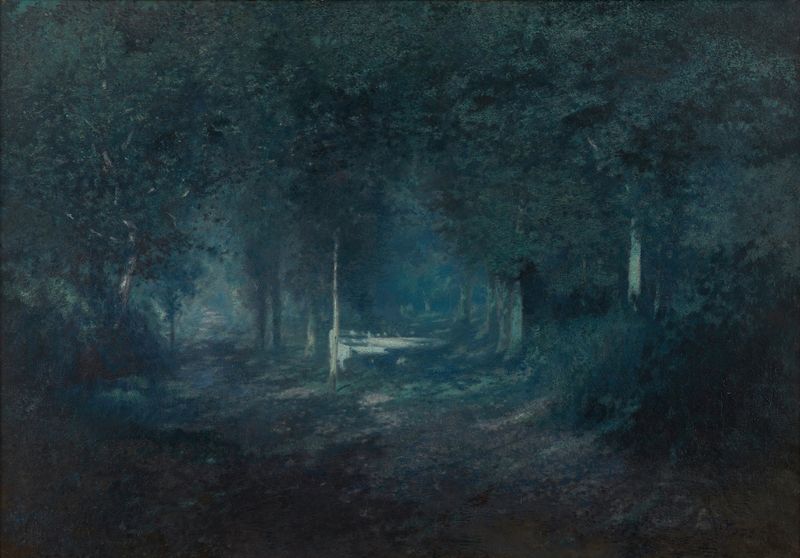
Wood by Moonlight
Adrien-Joseph Heymans
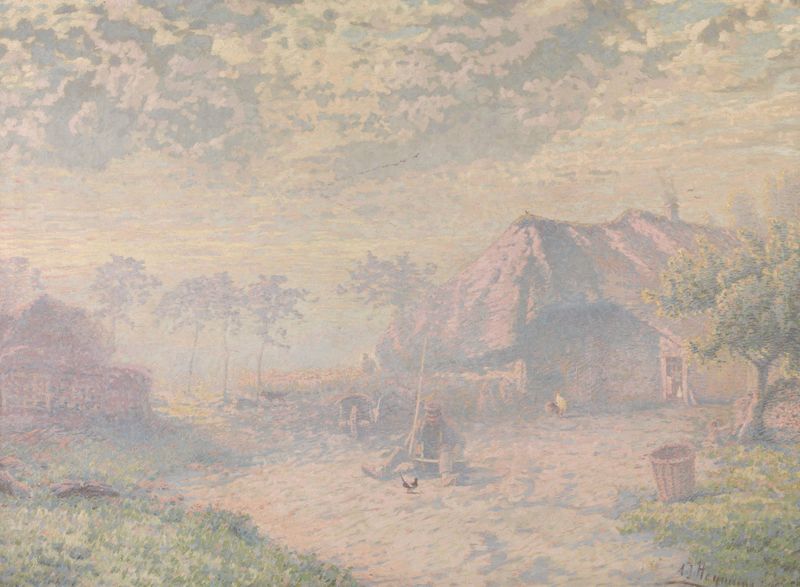
Morgens vroeg
Adrien-Joseph Heymans
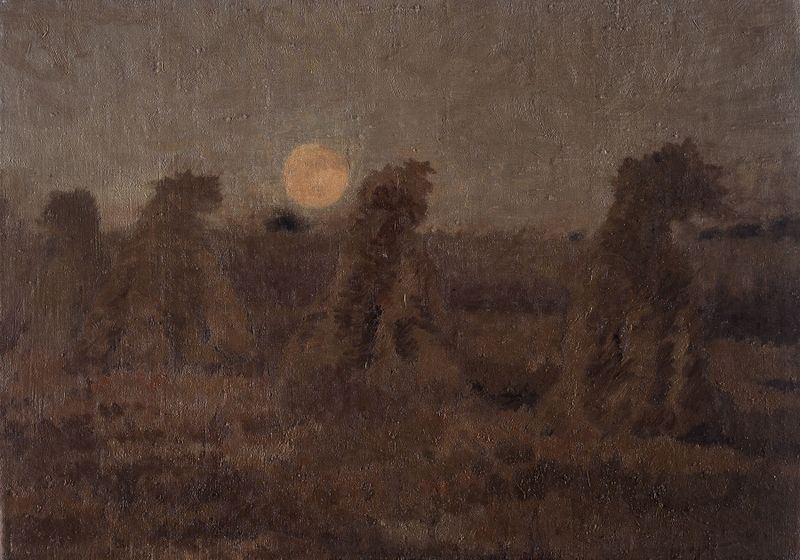
Haystacks by Night
Adrien-Joseph Heymans
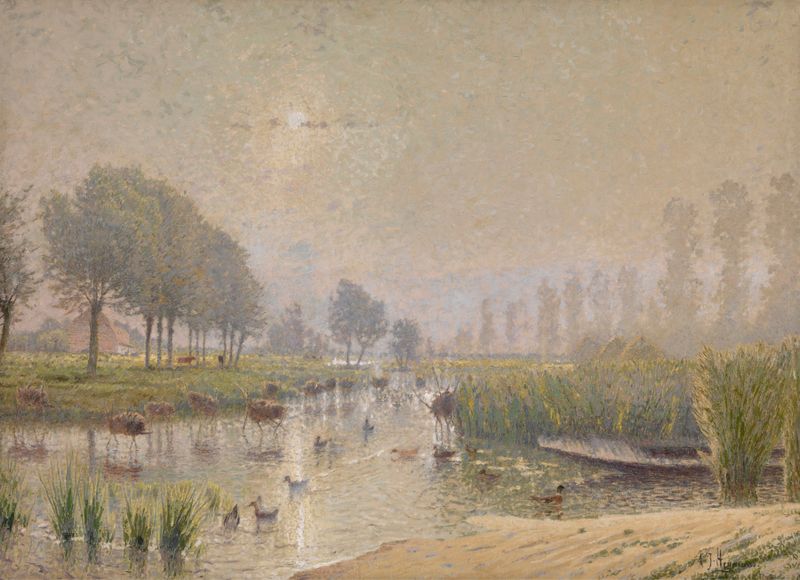
Duck Nests in the Reed
Adrien-Joseph Heymans

Landscape by Moonlight
Adrien-Joseph Heymans





