
Sunset on the Heath — History & Facts
This sentiment resonates with the quiet turmoil captured in the elegant hues of a sunset. As day yields to night, the sky is painted with vibrant oranges and deep purples, reflecting not just the end of a day, but the unsettling whispers of change on the horizon. Look to the top left, where the sun descends, casting a rich, warm glow that bathes the heath in a luminous embrace. Notice how the light interacts with the muted earth tones of the landscape, creating a stark contrast between the brilliance of the sky and the shadowy grass below.
The gentle brushstrokes evoke a sense of movement, as if the very air is charged with the anticipation of the coming night, inviting viewers to linger in the moment. Yet, beneath this tranquil scene lies an undercurrent of revolution. The lush greens of the heath, while seemingly serene, suggest an unrest that stirs beneath the surface. The juxtaposition of the vibrant sky against the darkening land hints at the struggles of an era, where beauty and chaos coexist.
Each brushstroke reveals the tension between hope and despair, love and loss, as the landscape becomes a canvas for the emotional landscape of the human spirit. In 1877, the artist found himself amidst a rapidly changing world, both politically and artistically. Living in Belgium, he navigated a society on the brink of modernity, while art movements began to evolve, challenging traditional forms. This painting emerged as a response to that discord, embodying the beauty of the everyday while hinting at the turmoil swirling just beyond the horizon.
More Artworks by Adrien-Joseph Heymans
Browse all →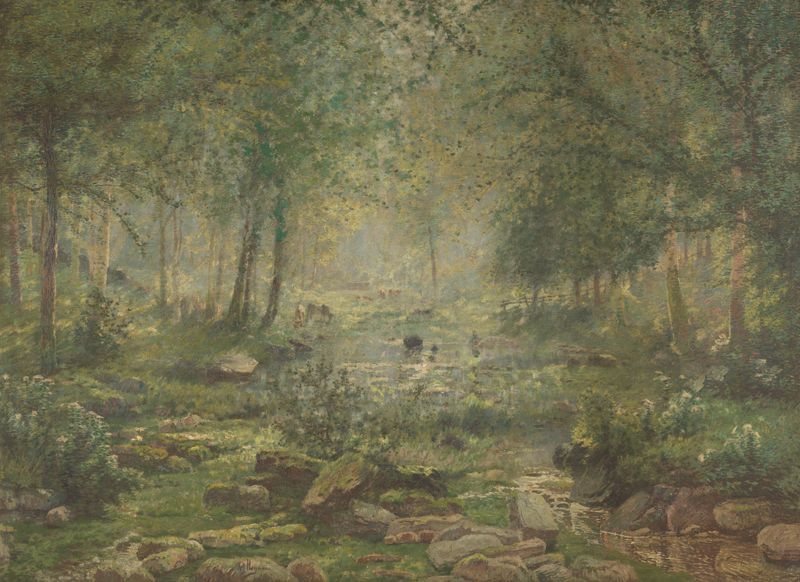
Woodland near Bertogne
Adrien-Joseph Heymans
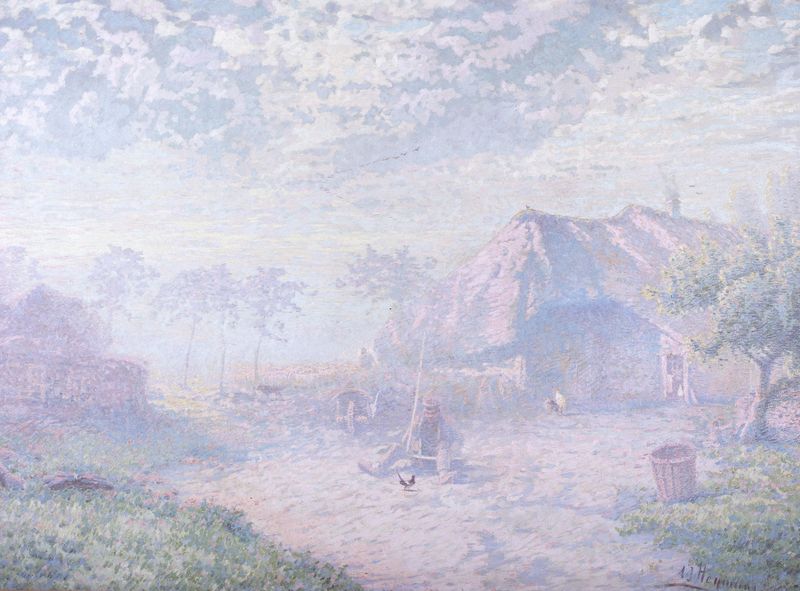
Early Morning
Adrien-Joseph Heymans
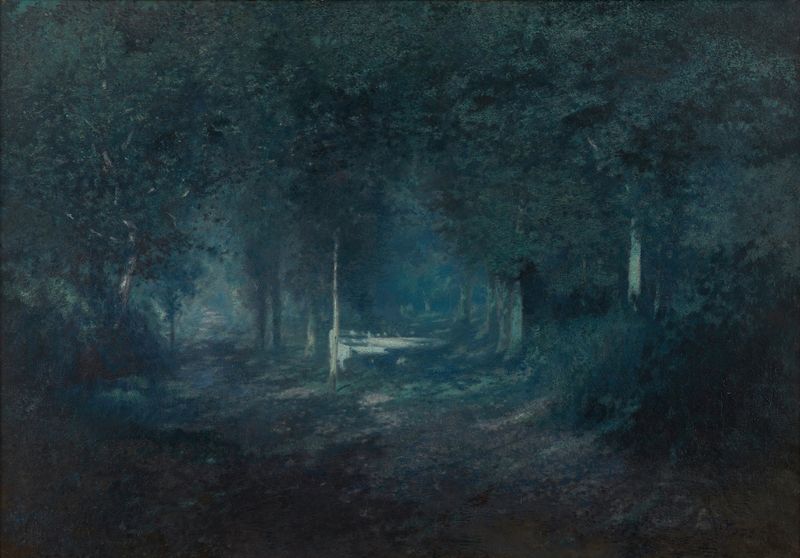
Wood by Moonlight
Adrien-Joseph Heymans
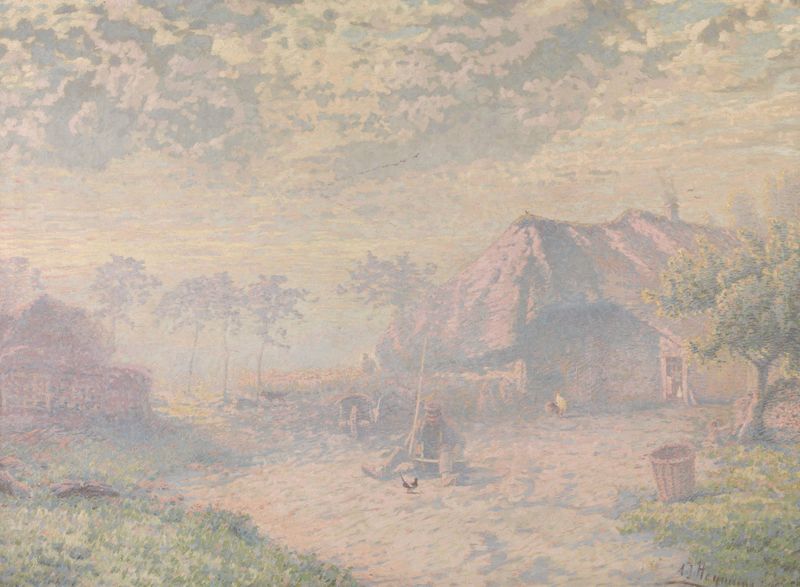
Morgens vroeg
Adrien-Joseph Heymans
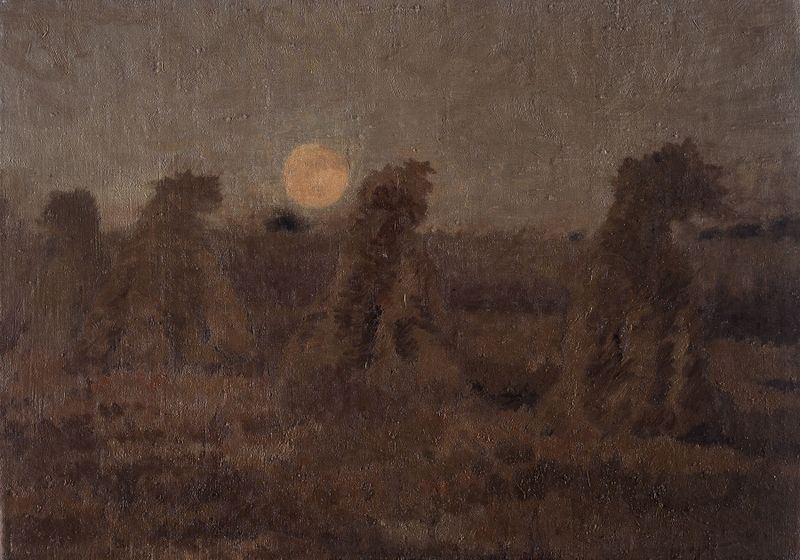
Haystacks by Night
Adrien-Joseph Heymans
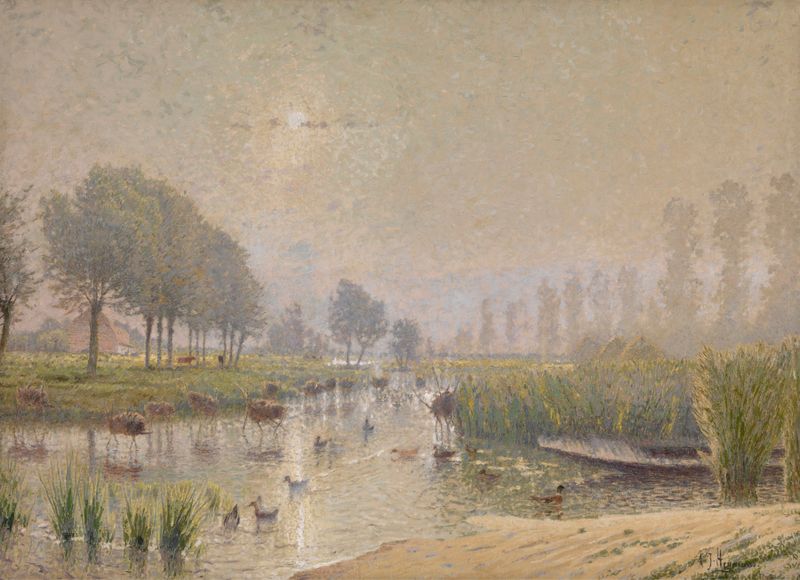
Duck Nests in the Reed
Adrien-Joseph Heymans

Landscape by Moonlight
Adrien-Joseph Heymans
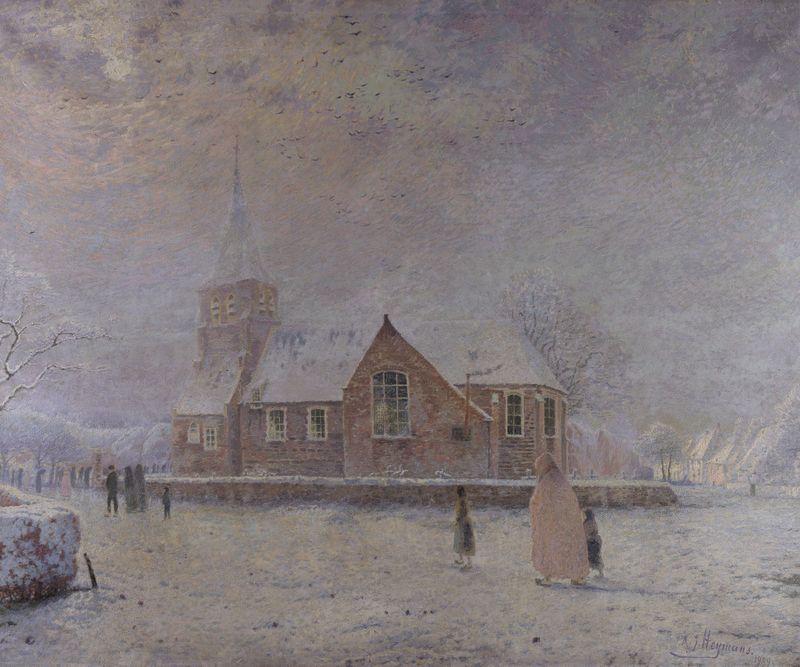
Snow-covered Hamlet
Adrien-Joseph Heymans





