Landscape, Castle and Cattle — History & Facts
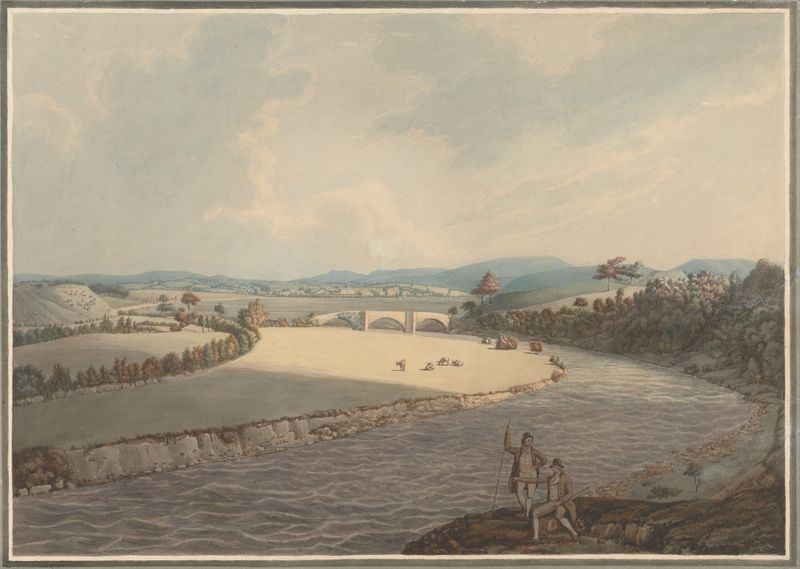
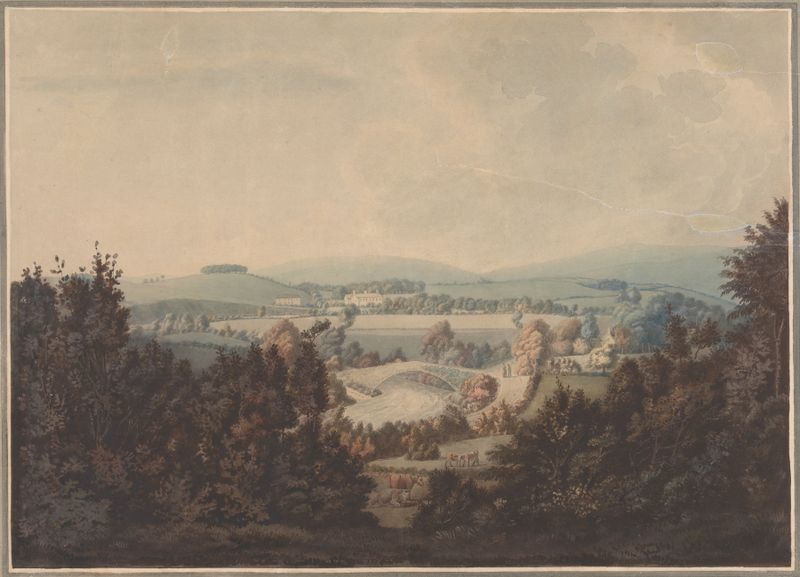
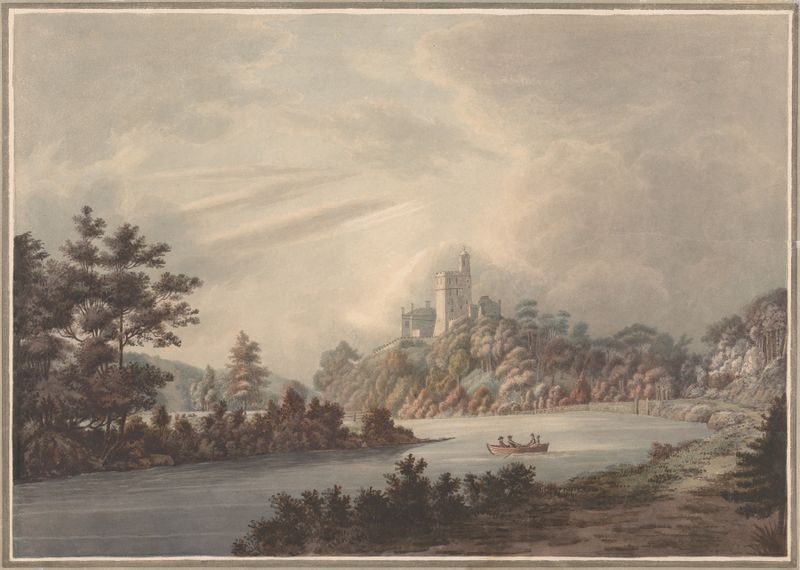
What if beauty was never meant to be finished? The world holds moments that linger just beyond the horizon, inviting us to pause and reflect in their quiet glory. Look to the center of the canvas, where a robust castle rises against a sprawling landscape, its weathered stones bathed in the soft light of an afternoon sun. The artist employs a palette of earthy greens and gentle blues, grounding the viewer in a serene pastoral scene. Cattle graze peacefully in the foreground, their tranquil presence juxtaposed with the castle’s imposing silhouette, drawing our gaze across the expansive view.
Notice the subtle brushwork that hints at the movement of the grass, as though the breeze whispers secrets to those who will listen. Here, we find a harmonious blend of nature and architecture, suggesting a dialogue between humanity and the wild expanse. The castle, while a symbol of strength and endurance, stands in contrast to the ephemeral beauty of the cattle and landscape surrounding it. Each element tells a story of coexistence, where grandeur meets simplicity, and the fleeting moments of life ripple through the stillness, inviting contemplation. William Green created this work during a time when Romanticism was taking root in art, celebrating the beauty of nature and the human experience within it.
The exact date remains uncertain, yet the painting reflects a period when artists began to explore emotional depth in their landscapes. This piece captures the essence of that transition, embodying the artist's appreciation for both the grandeur of structures and the tenderness of pastoral life.