The Devil’s Bridge, Kirkby Lonsdale — History & Facts
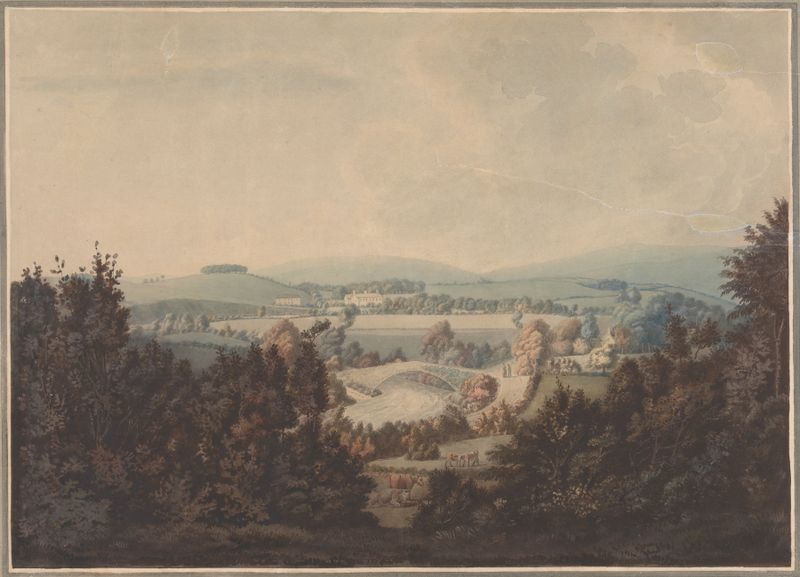
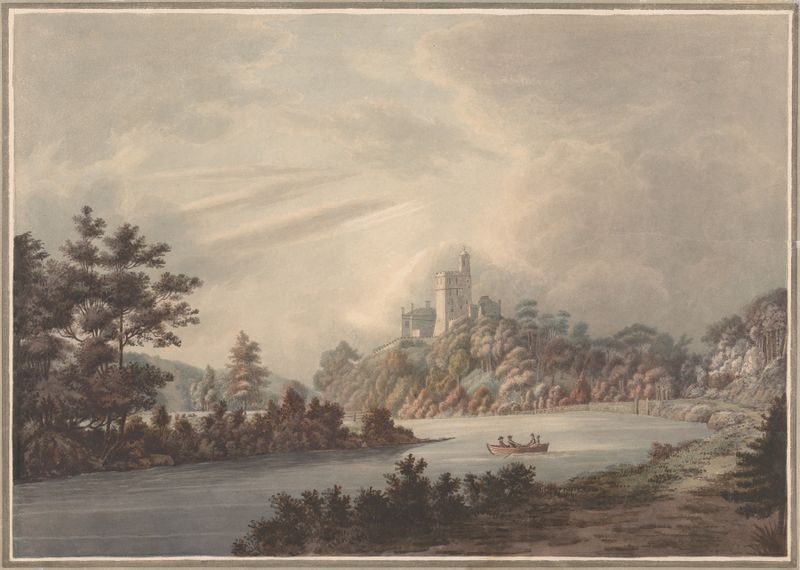
Can beauty exist without sorrow? In The Devil’s Bridge, Kirkby Lonsdale, the viewer finds themselves grappling with this haunting question, as the serene landscape vividly contrasts with an underlying sense of foreboding. Look to the center of the composition, where the bridge gracefully arches over the water, its stonework a testament to human craftsmanship. The deep greens of the surrounding foliage are punctuated by the soft blues of the river, creating a tranquil yet unsettling atmosphere. Notice how light dapples through the trees, casting intricate shadows that dance across the water’s surface, reflecting both beauty and an elusive darkness.
The interplay of light and shadow not only captivates but also evokes a sense of the unknown lurking just beyond the frame. Delve deeper into the subtle details—the way the water flows around the bridge creates a tension between nature's relentless force and man's fragile creations. The calmness of the setting belies the potential peril suggested by the bridge's name, hinting at the fears that accompany beauty. This duality speaks to the viewer’s psyche, prompting reflections on the very essence of fear that often accompanies admiration.
Could it be that the most breathtaking sights are born from the shadows of dread? During the time when this piece was created, William Green was part of a vibrant English landscape tradition, likely influenced by the Romantic movement's fascination with nature's power and the sublime. Though the exact date of the painting is unknown, it reflects a period when artists began to explore emotional depth and the complex relationship humans have with their environment, paving the way for deeper introspections in art.