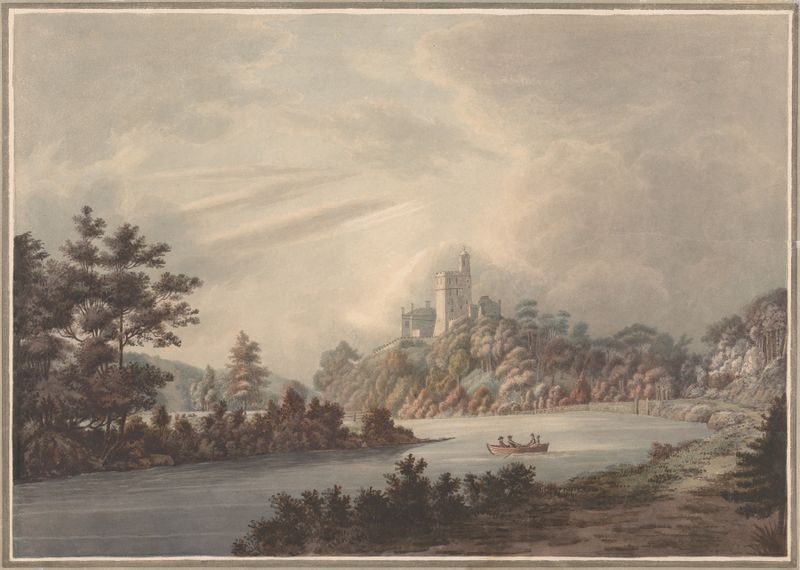
View of Lakes Buttermere and Crummock Water — History & Facts
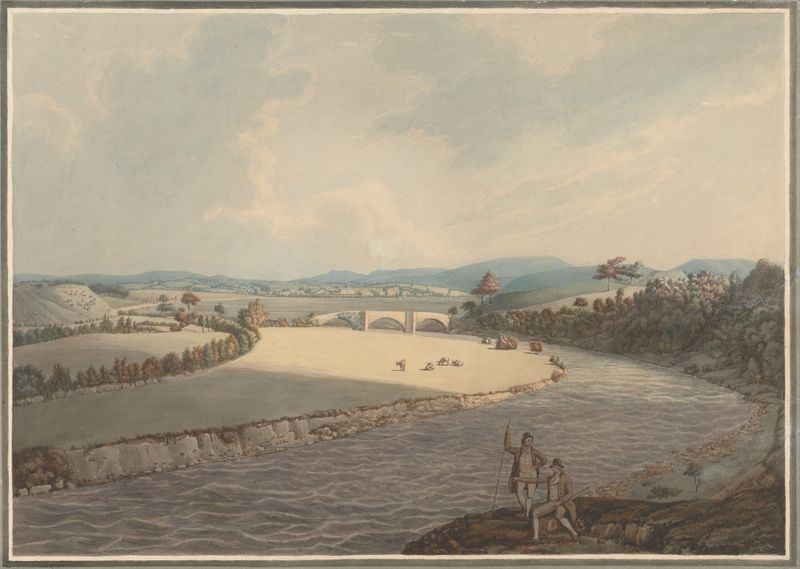
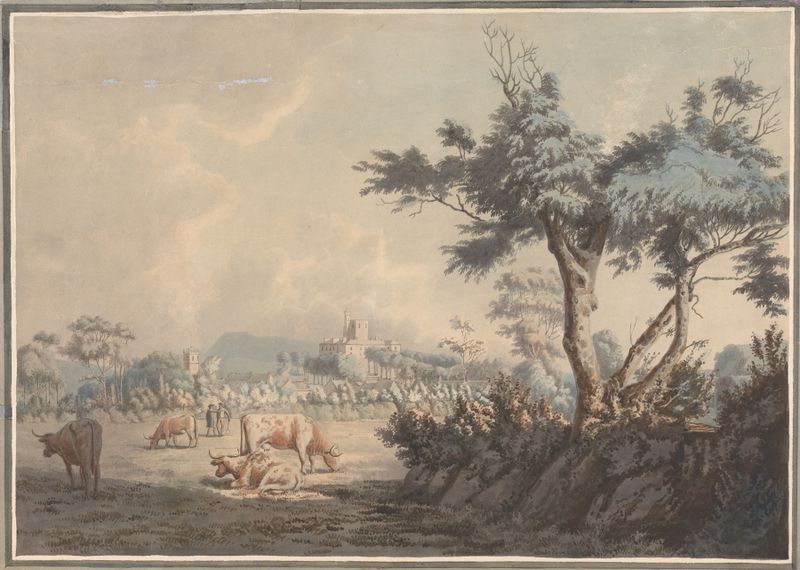
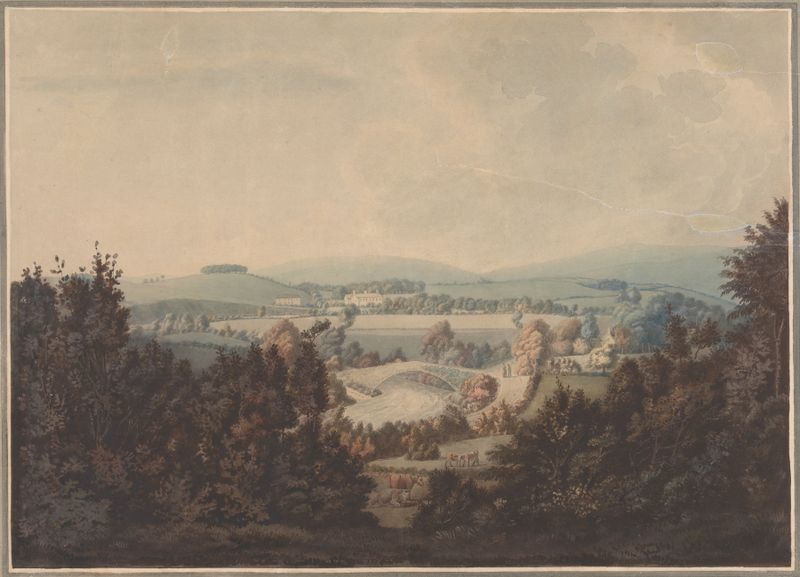
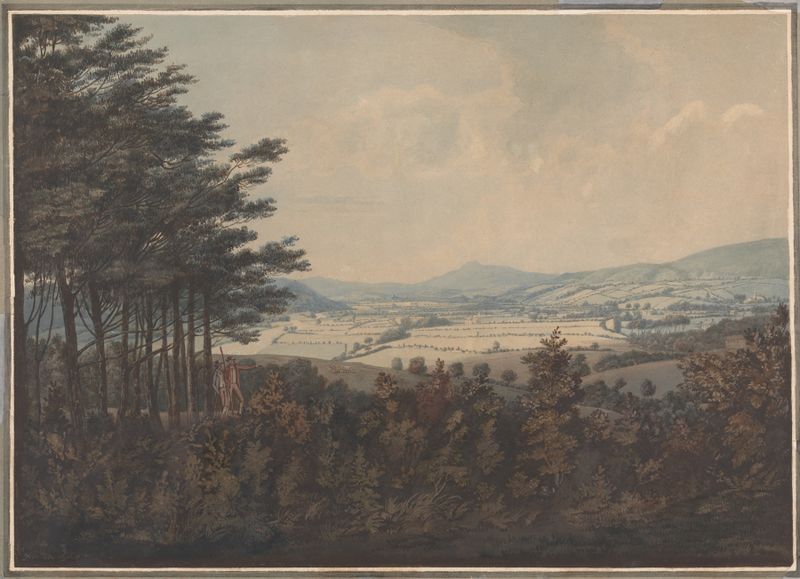
This sentiment resonates deeply through the tranquil beauty of nature, where innocence is captured in the delicate interplay of light and shadow. Look to the horizon, where the gentle undulations of the hills cradle the placid surface of the lakes. The lush greens and earthy browns blend seamlessly, while wisps of white clouds dance across the expansive blue sky. Notice how the artist’s brush strokes convey a sense of movement, as if the wind whispers through the trees and the water ripples with secrets of the earth.
The composition draws the eye toward the center, inviting exploration of the serene waters reflecting the surrounding landscape. Beneath this picturesque facade lies a tension between the stillness of nature and the passage of time. The viewer can sense the innocence of the untouched landscape, yet there’s an underlying awareness of the fragility of such beauty. The proximity of the lakes to the verdant hills suggests a harmony, yet the subtle variations in color hint at the changing seasons and the inevitable cycle of life.
This duality reinforces the transient nature of innocence, urging reflection on what is preserved and what is lost. In 1803, the artist was deeply influenced by the burgeoning Romantic movement, thriving amidst a landscape of profound change and exploration. Working in the picturesque Lake District, he sought to elevate the natural world through his art, capturing its sublime qualities amidst growing industrialization. This period marked a significant shift in perceptions of nature, as artists like Green sought to harmonize human experience with the innocence of the natural world.