Landscape; Figure riding a donkey — History & Facts
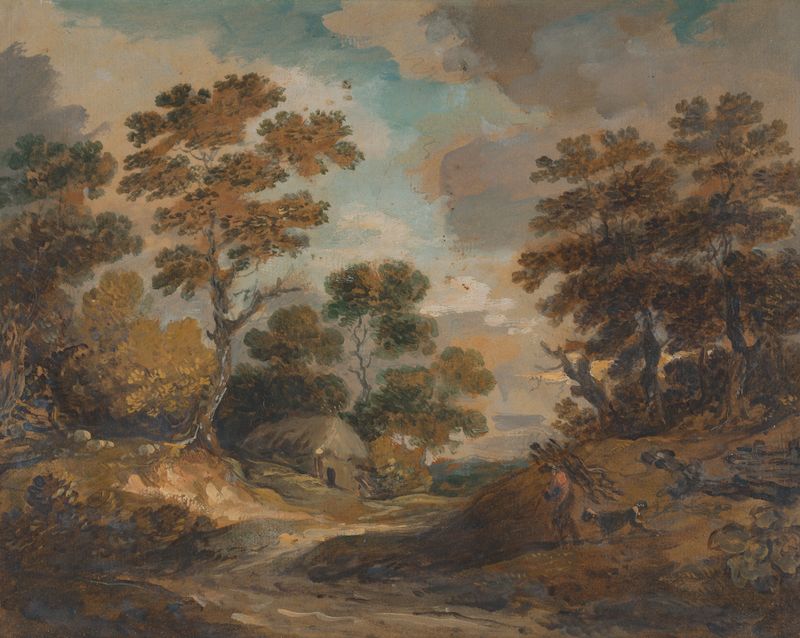
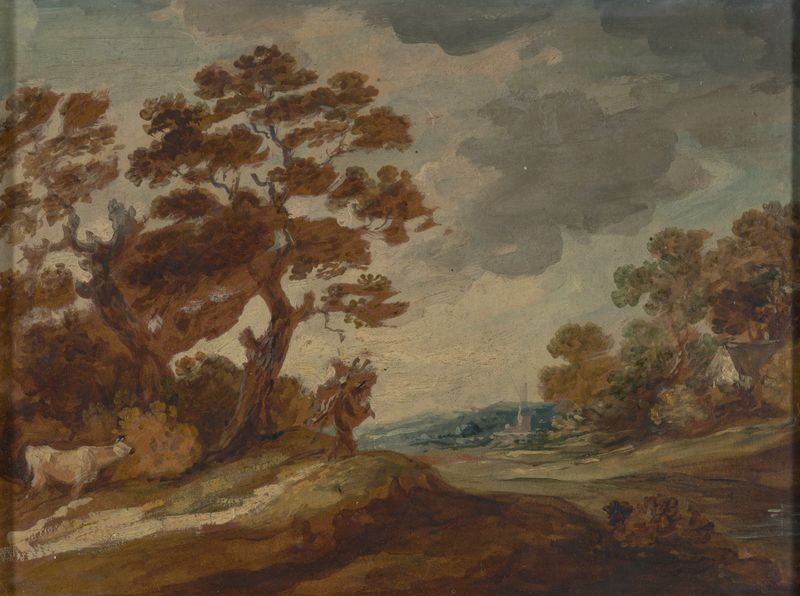
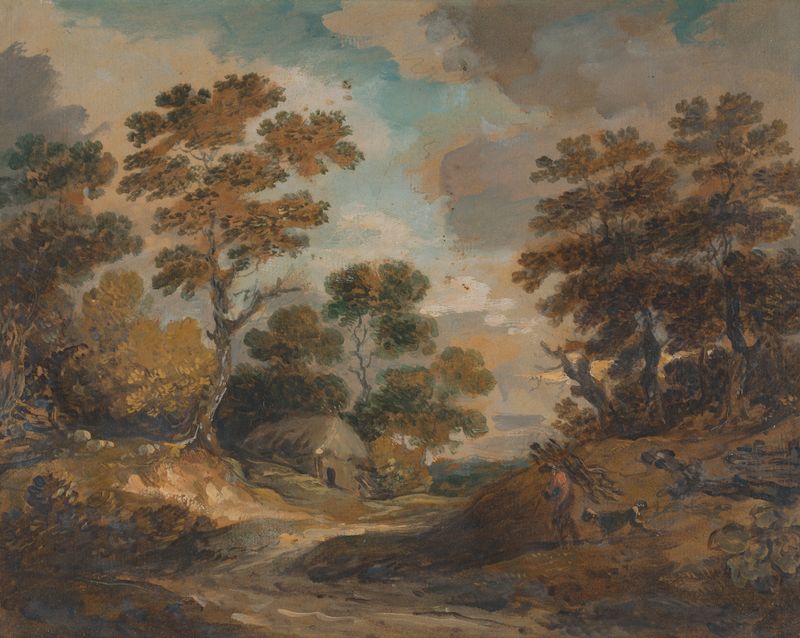
What secret hides in the quiet of the canvas? In the stillness of nature, a solitary figure rides a donkey, embodying the weight of nostalgia and the simplicity of pastoral life. Look to the left, where the gentle, undulating hills meet the soft sky, a palette of greens and blues that evoke serenity. The figure, slightly off-center, captures your attention with their relaxed posture, a subtle elegance suggesting a leisurely journey. The brushwork is delicate, allowing the play of light to dance across the scene, illuminating the donkey’s warm coat and the soft folds of the rider's clothing. Beneath the surface, there lies a poignant contrast between the ruggedness of the landscape and the tranquility of the moment.
The donkey, often a symbol of burdens and labor, here conveys a sense of companionship rather than toil, while the distance hinted at by the sprawling hills speaks to both adventure and the passage of time. The nostalgic atmosphere invites introspection, inviting viewers to reflect on personal journeys and connections to the past. Gainsborough Dupont created this piece during a period when he was deeply influenced by the romantic landscapes and rural themes emerging in 18th-century Britain. Active predominantly in the late 1700s, he was exploring the intersections of art and nature, blending personal experience with a growing appreciation for bucolic scenes.
This work reflects not only the artist's style but also the broader cultural embrace of nature as an escape during a time of industrial change.