
Landscape in Northern Italy — History & Facts
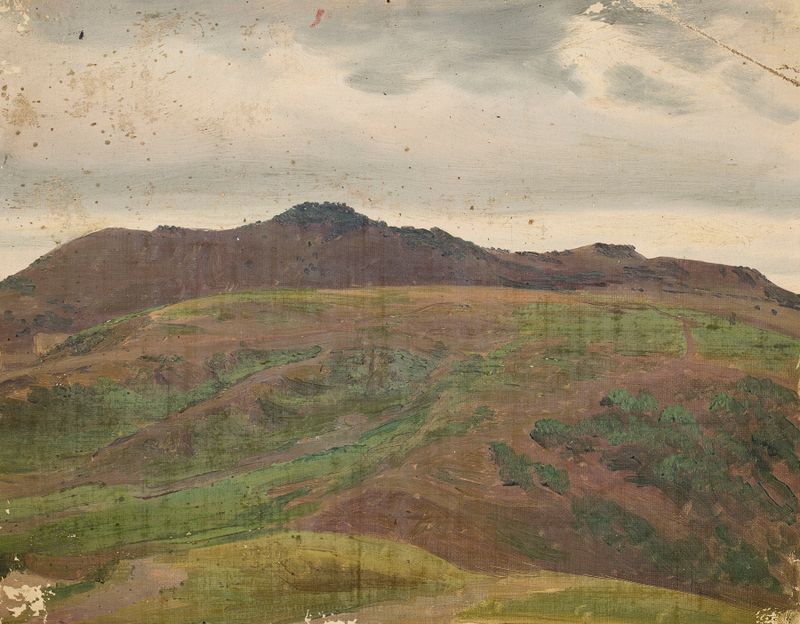
Can paint confess what words never could? In Landscape in Northern Italy, the canvas unfolds a poetic narrative of rebirth, inviting viewers to breathe in the essence of nature’s renewal. Look to the soft, rolling hills to the left, where vibrant greens intermingle with subtle hints of gold, suggesting the warmth of sunlight kissing the earth. The composition is anchored by a tranquil river that winds through the scene, reflecting the pale blue of the sky above. Notice how Breslauer's brushwork creates a harmonious balance between the meticulously detailed foreground and the ethereal, dreamlike quality of the distant landscape, merging realism with impressionistic touches.
Each stroke evokes the fleeting beauty of a moment, as if the landscape itself is alive, breathing and transforming. Hidden within this idyllic vista lies a profound exploration of contrast—the stillness of the water against the lively dance of leaves in the breeze. The interplay of light and shadow conveys the tension between permanence and change, hinting at the cycles of life that govern the natural world. The distant mountains loom, majestic yet serene, symbolizing the weight of time and the promise of renewal that follows every winter. In the mid-19th century, Breslauer created this work during a period marked by a burgeoning interest in Romanticism and the natural world.
Painted between 1846 and 1848 in Northern Italy, it reflects the artist's personal journey and the broader European context of nature's allure as a muse. Art movements were evolving, and this landscape showcases Breslauer's mastery in marrying form and feeling, capturing a moment of serene rebirth.
More Artworks by Chrystian Breslauer
Browse all →
Castle in Trakai
Chrystian Breslauer

Mountain landscape, sketch
Chrystian Breslauer

Hilly landscape at sunset
Chrystian Breslauer
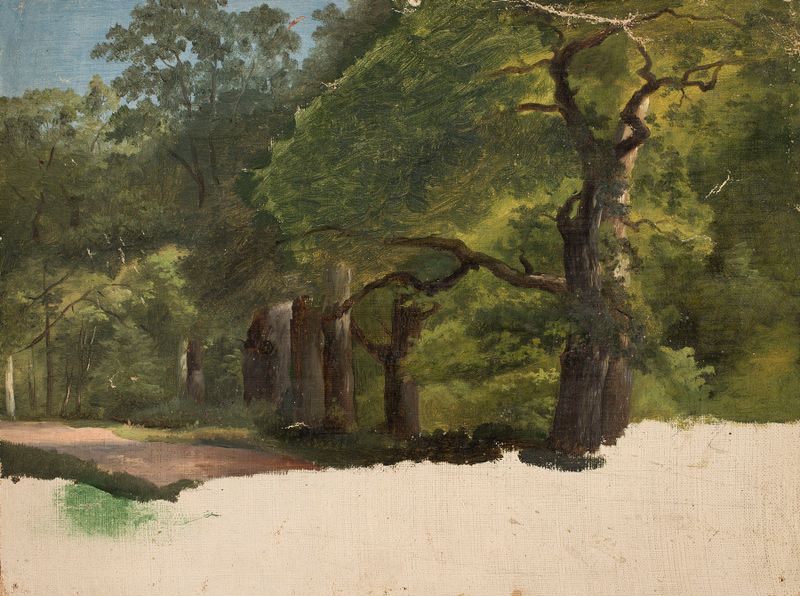
Forest landscape, sketch
Chrystian Breslauer
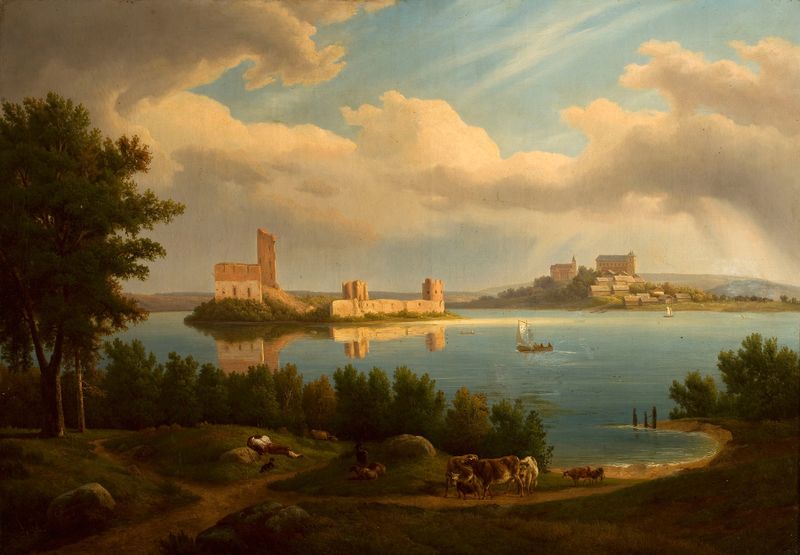
Trakai
Chrystian Breslauer

Lakeside landscape
Chrystian Breslauer
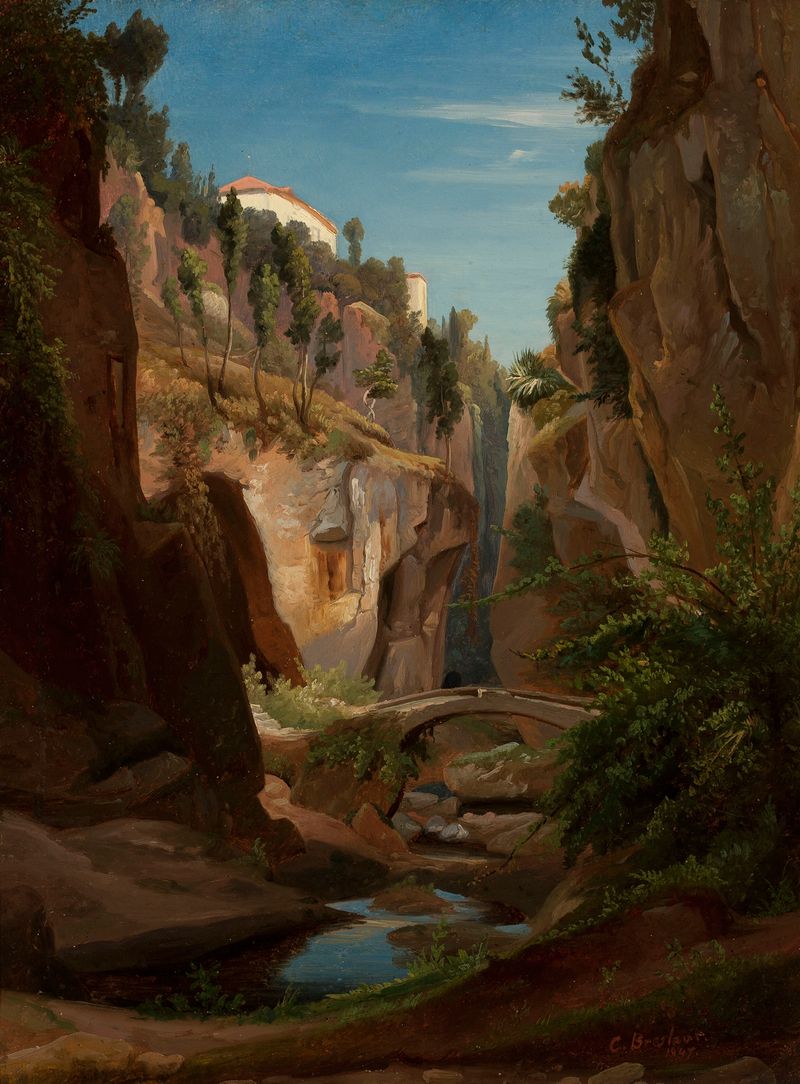
Mountain landscape
Chrystian Breslauer
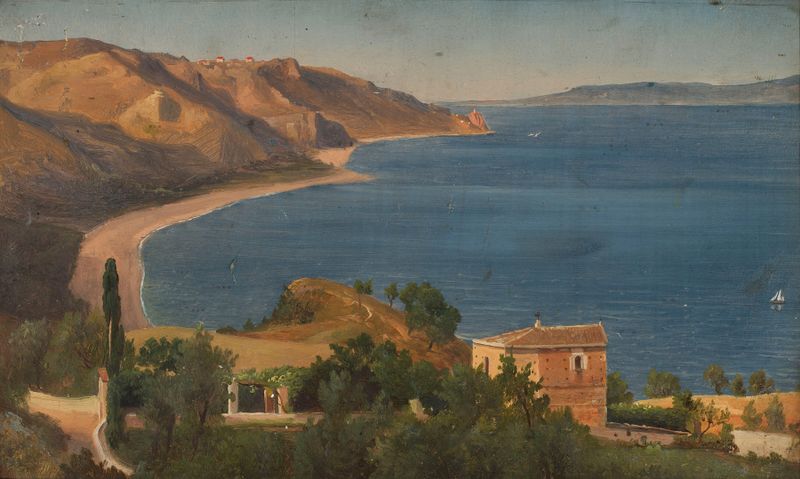
Seaside landscape
Chrystian Breslauer
Landscape with a meadow and a range of hills, sketch
Chrystian Breslauer

Solitary tree
Chrystian Breslauer





