
Mountain landscape — History & Facts
What if silence could speak through light? In the stillness of dawn, a mountain landscape awakens, revealing the profound transformation of nature under the gentle caress of the sun. Look to the left at the towering peaks, their rugged forms softened by the golden light that spills over the horizon. Focus on the delicate interplay of colors; deep greens and soft blues meld with hints of lavender as the day breaks. The brushstrokes, both precise and expressive, evoke a sense of movement in the clouds, contrasting with the sturdy permanence of the mountains.
This balance creates a harmonious composition that invites the viewer to breathe in the tranquility. As you explore further, consider the emotional undercurrents of this scene. The light illuminating the landscape symbolizes hope and renewal, while the shadows lurking in the valleys suggest the mysteries of nature still waiting to be uncovered. This duality of clarity and obscurity reflects the constant transformation inherent in all living things, a reminder that change is a natural part of existence. In 1847, Breslauer painted this landscape during a time of Romanticism, which celebrated the sublime beauty of nature and the human experience within it.
Living in Germany, he was deeply influenced by the burgeoning appreciation for natural landscapes, contrasting the industrial changes reshaping society. His commitment to capturing the essence of the natural world marked a significant moment in art history, merging realism with the expressive qualities of light and color.
More Artworks by Chrystian Breslauer
Browse all →
Castle in Trakai
Chrystian Breslauer

Mountain landscape, sketch
Chrystian Breslauer

Hilly landscape at sunset
Chrystian Breslauer
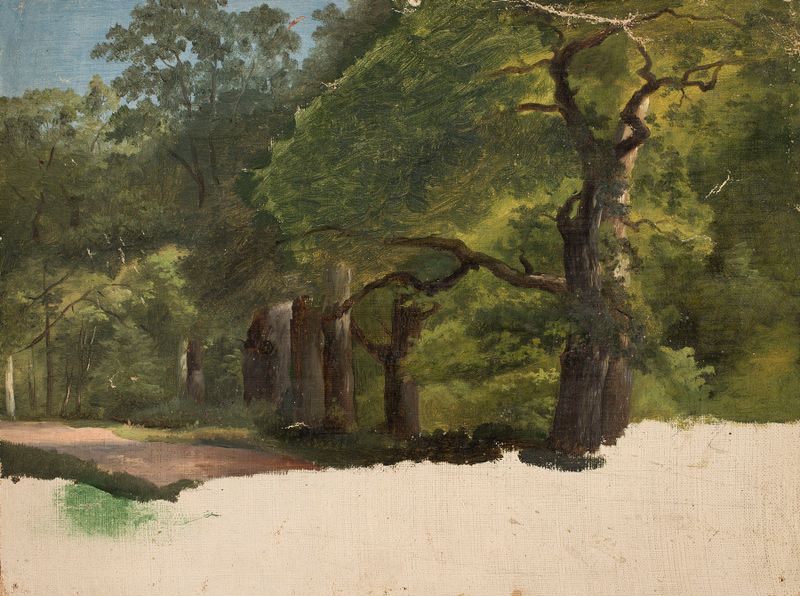
Forest landscape, sketch
Chrystian Breslauer
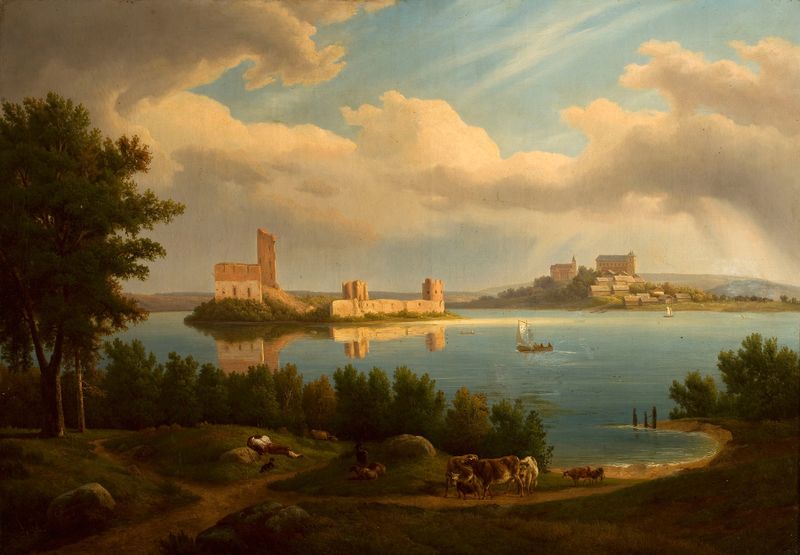
Trakai
Chrystian Breslauer

Landscape in Northern Italy
Chrystian Breslauer

Lakeside landscape
Chrystian Breslauer
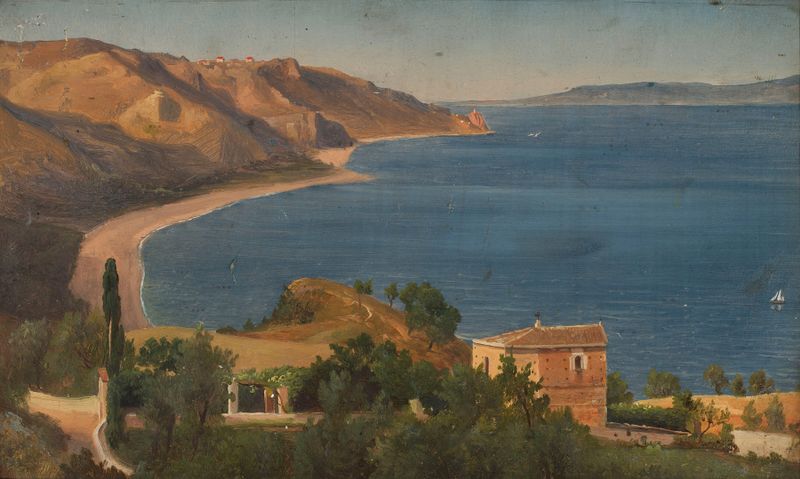
Seaside landscape
Chrystian Breslauer
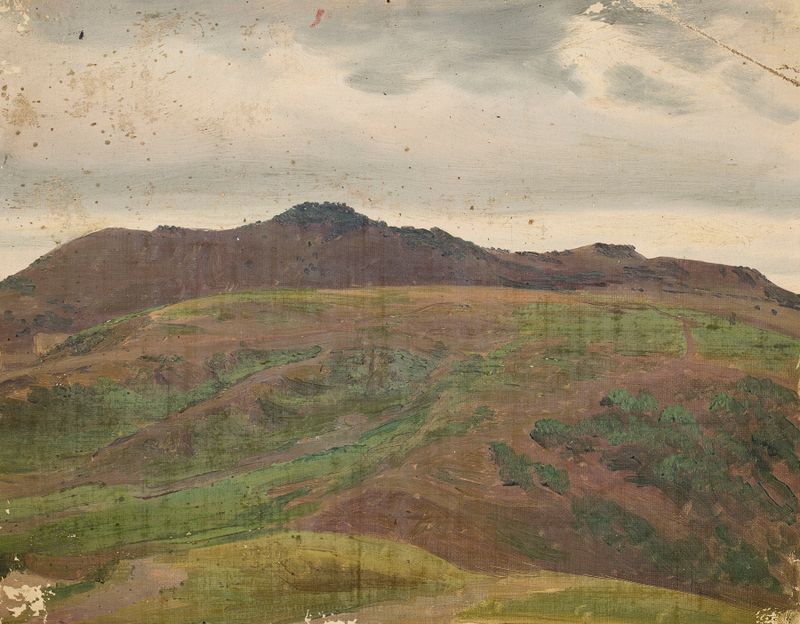
Landscape with a meadow and a range of hills, sketch
Chrystian Breslauer

Solitary tree
Chrystian Breslauer





