
Trakai — History & Facts
What secret hides in the quiet of the canvas? In Trakai, a serene landscape unfolds, beckoning the viewer to explore the echoes of time imbued within its tranquil beauty. Look to the gentle curves of the hills that cradle the picturesque lakes in the foreground, their reflections shimmering like whispers upon the water's surface. Focus on the delicate brushwork that brings the distant castle to life, its stone facades softened by the embrace of a misty sky. The muted palette, rich with earthy greens and subtle blues, creates a harmony that pulls you into the scene, inviting a moment of introspection amidst nature’s grandeur. Beyond the composition lies a deeper narrative, one that hints at the complex interplay between history and legacy.
The castle, symbolizing strength and permanence, contrasts with the ephemeral quality of the surrounding landscape, suggesting the transient nature of human endeavor. Consider the figures of the local inhabitants, small yet significant, who traverse the shores. Their presence speaks to a continuity of life, a reminder that even the grandest structures are but a frame for the flow of time and memory. In 1846, Breslauer captured Trakai while painting in Poland, during a period of significant nationalistic fervor and a burgeoning interest in romanticized landscapes.
The artist's exploration of the interplay between nature and humanity reflects the broader artistic movements of his time, as well as his own quest for identity amid shifting cultural currents. This work stands as both a homage to a storied past and a legacy infused with his own artistic vision.
More Artworks by Chrystian Breslauer
Browse all →
Castle in Trakai
Chrystian Breslauer

Mountain landscape, sketch
Chrystian Breslauer

Hilly landscape at sunset
Chrystian Breslauer
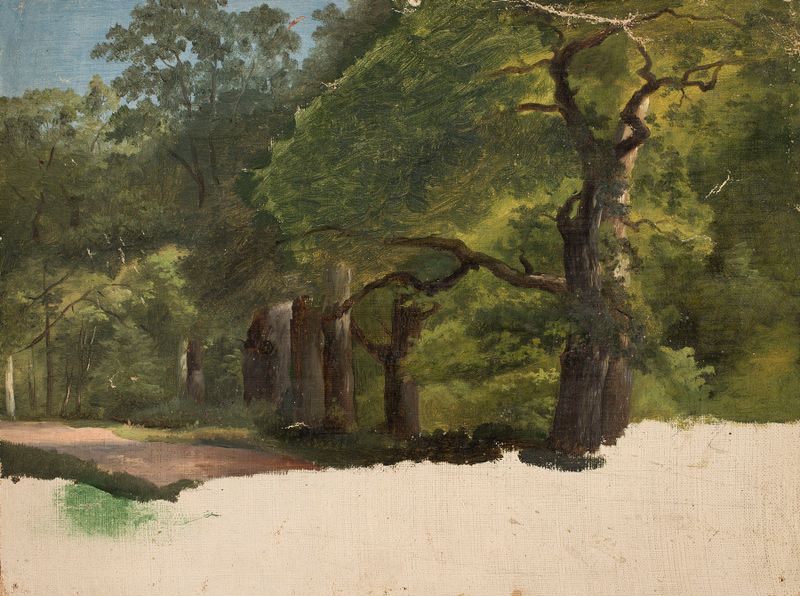
Forest landscape, sketch
Chrystian Breslauer

Landscape in Northern Italy
Chrystian Breslauer

Lakeside landscape
Chrystian Breslauer
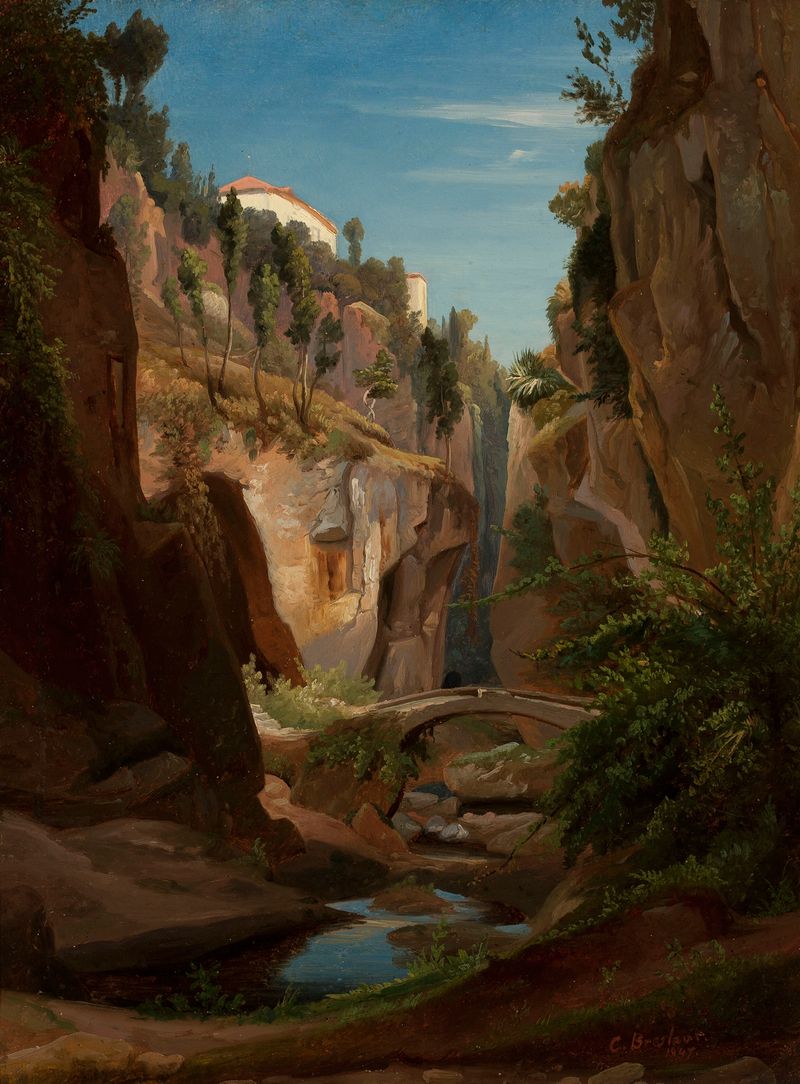
Mountain landscape
Chrystian Breslauer
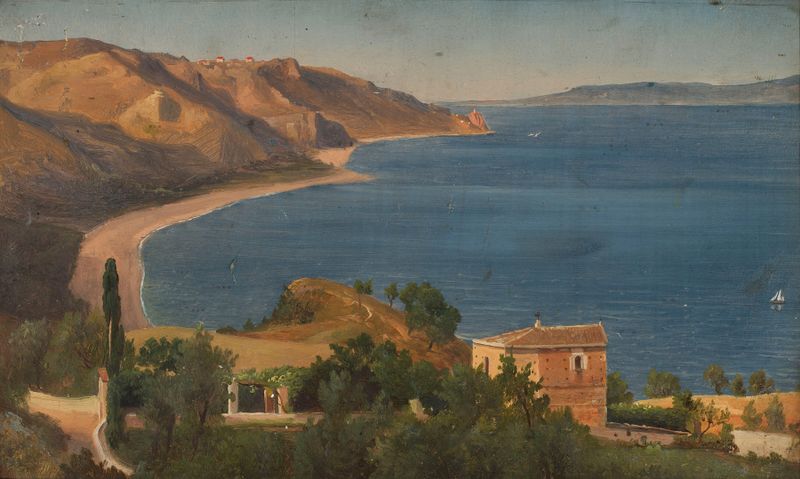
Seaside landscape
Chrystian Breslauer
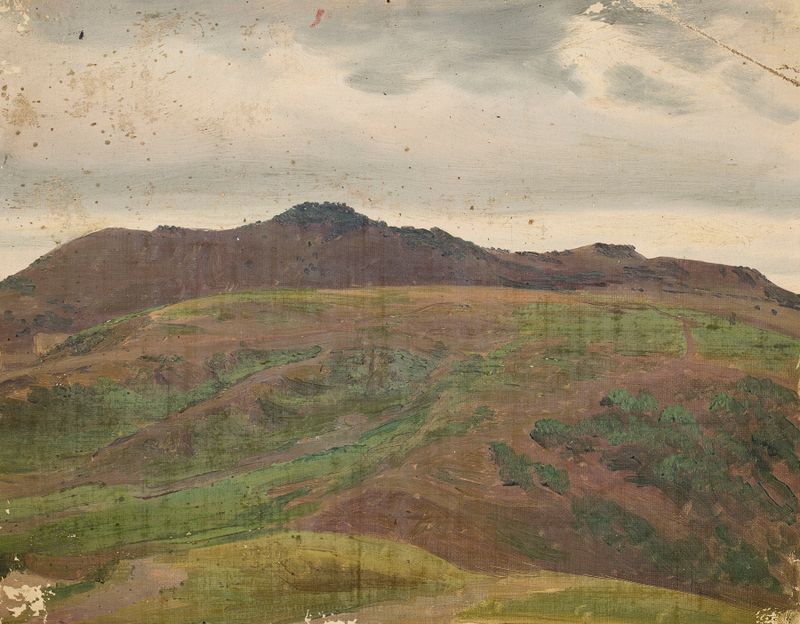
Landscape with a meadow and a range of hills, sketch
Chrystian Breslauer

Solitary tree
Chrystian Breslauer





