
Landscape near Dachau — History & Facts
Can beauty exist without sorrow? In Landscape near Dachau, we encounter a world where tranquil serenity dances on the edges of melancholy, inviting us to explore the delicate balance between the two. Look to the expansive horizon that stretches across the canvas, where soft, rolling hills and a tranquil sky embrace the viewer. Notice how the muted greens and warm browns blend harmoniously, evoking a sense of calm while hints of shadow carry an undercurrent of tension. The light falls gently across the landscape, illuminating the path that beckons toward an unseen future, encouraging contemplation and reverie. Within this picturesque scene lies a tension between the idyllic and the unknown.
The serenity of the countryside hints at a deeper narrative, one where the viewer is led to question the stories that lie beneath the surface. The solitary tree to the left stands as both a sentinel and a symbol of resilience, while the scattering of clouds above suggests both beauty and the potential for change, evoking a sense of transience in nature that mirrors human experience. Joseph Frank Currier painted Landscape near Dachau in 1880 at a time when the Impressionist movement was gaining momentum across Europe. Living in an era marked by rapid industrialization and societal shifts, he sought to capture the essence of the natural world with a focus on light and atmosphere.
The painting reflects his desire to reveal the beauty of the landscape while subtly hinting at the complexities of existence, a duality that resonates throughout the history of art.
More Artworks by Joseph Frank Currier
Browse all →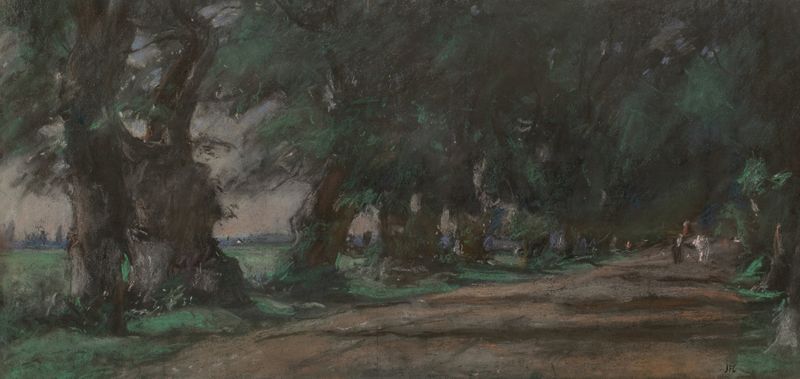
The Shaded Lane
Joseph Frank Currier

Dusk Landscape
Joseph Frank Currier
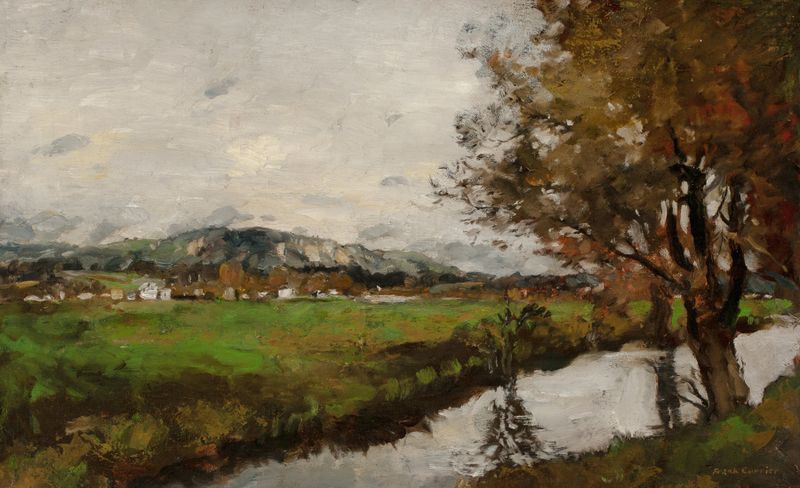
Canal at Dachau (Canal in Bavaria)
Joseph Frank Currier
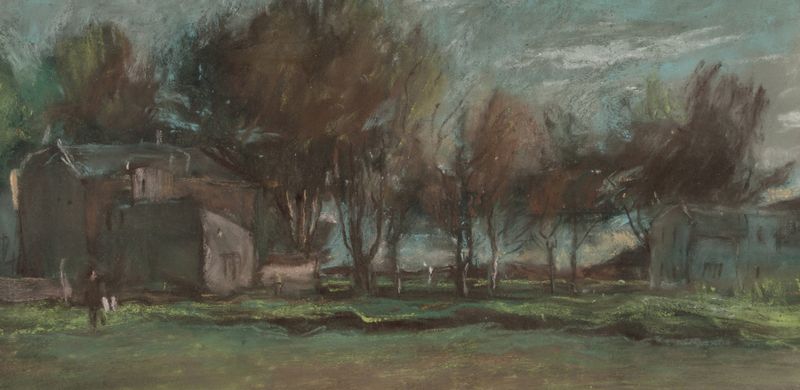
Trees by a Village
Joseph Frank Currier
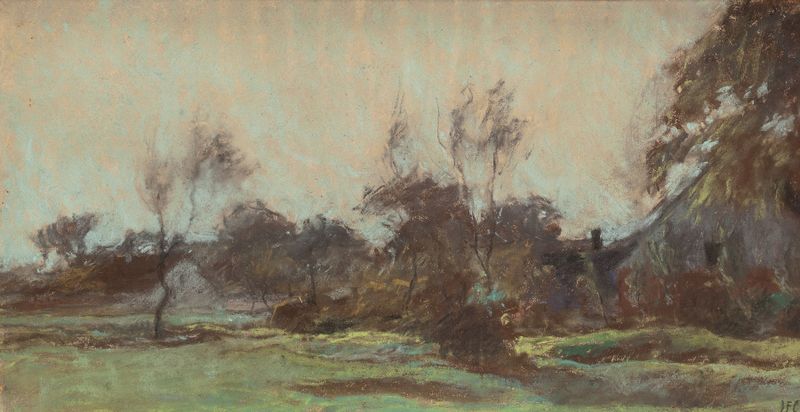
Morning Landscape
Joseph Frank Currier
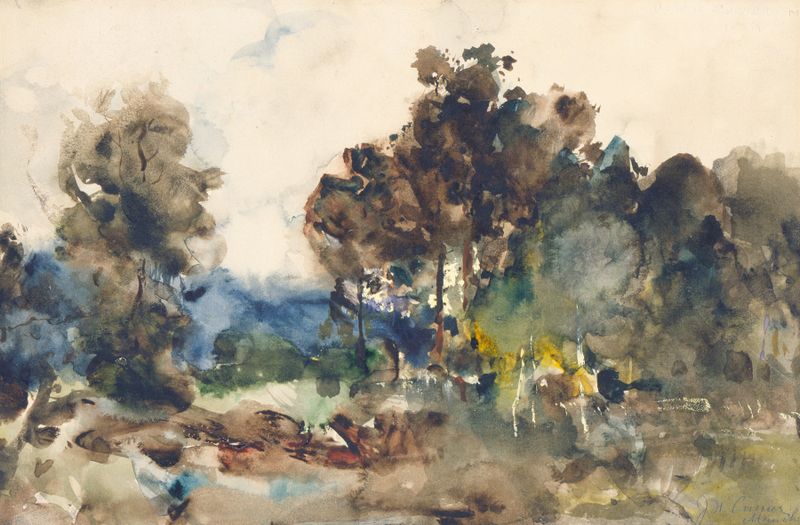
Landscape Sketch
Joseph Frank Currier
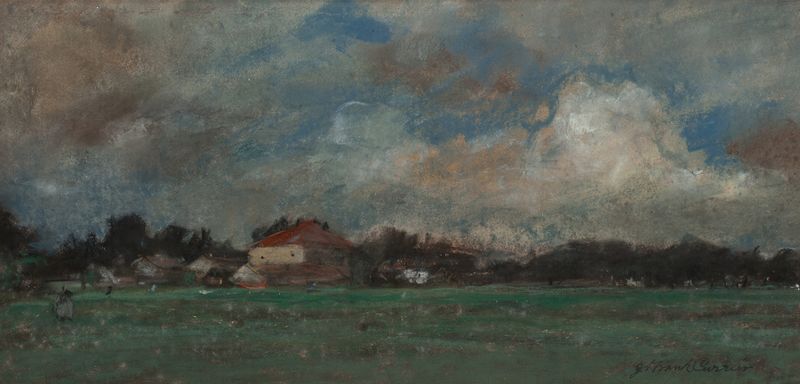
Stormy Sky
Joseph Frank Currier
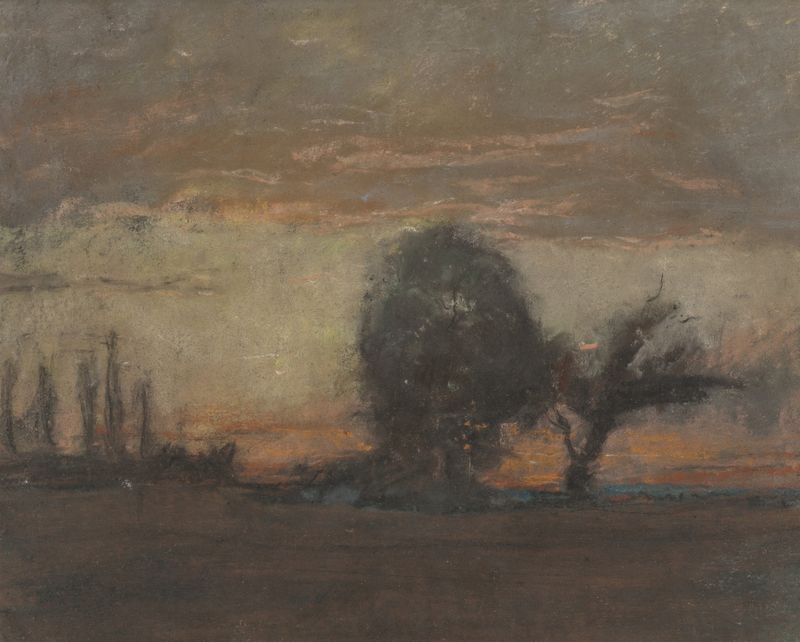
Evening Landscape
Joseph Frank Currier

Nocturnal Landscape
Joseph Frank Currier





