
Canal at Dachau (Canal in Bavaria) — History & Facts
Can beauty exist without sorrow? As the light dances across the serene waters, a quiet tension beckons the viewer to look deeper, urging them to question the layers beneath the surface. Focus your gaze on the tranquil canal, where soft ripples mirror the gentle hues of a fading twilight. Notice how the painter employs a delicate palette of blues and greens that blend harmoniously, creating an illusion of depth and tranquility. The winding path along the canal draws the eye into the distance, hinting at a journey yet to unfold, while the dappled light glistens like whispers upon the water's edge. Yet, beneath this picturesque facade lies a narrative of contrast.
The tranquil beauty of the scenery stands in stark opposition to the historical weight of Dachau, a site known for its somber past. The lush foliage and idyllic setting evoke a sense of peace, while the viewer is left with an unsettling awareness of the shadows that linger just beyond the frame. Each brushstroke captures a moment of beauty, inviting reflection on the delicate balance between joy and sorrow, illusion and reality. In the 1890s, Currier created this piece while striving to capture the idyllic landscapes of Bavaria, amidst a period where impressionist influences were reshaping the art world.
The artist sought to convey not just the beauty of nature, but also the complexities of human experience, as the echoes of the past informed his artistic vision and choice of subject matter.
More Artworks by Joseph Frank Currier
Browse all →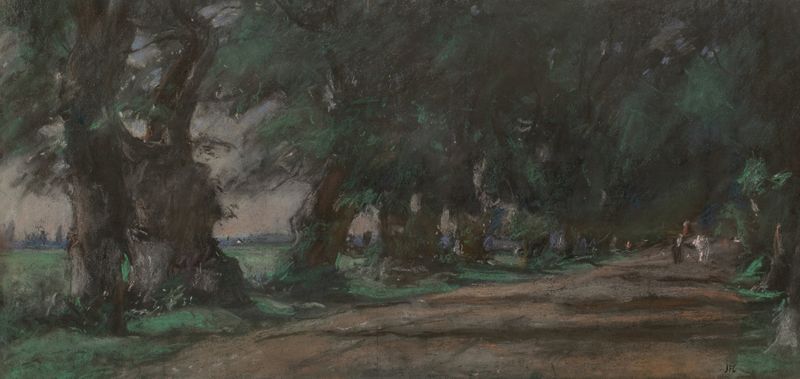
The Shaded Lane
Joseph Frank Currier

Dusk Landscape
Joseph Frank Currier
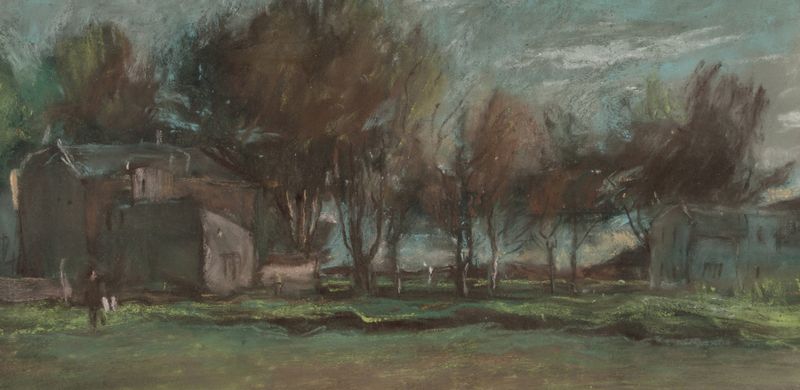
Trees by a Village
Joseph Frank Currier
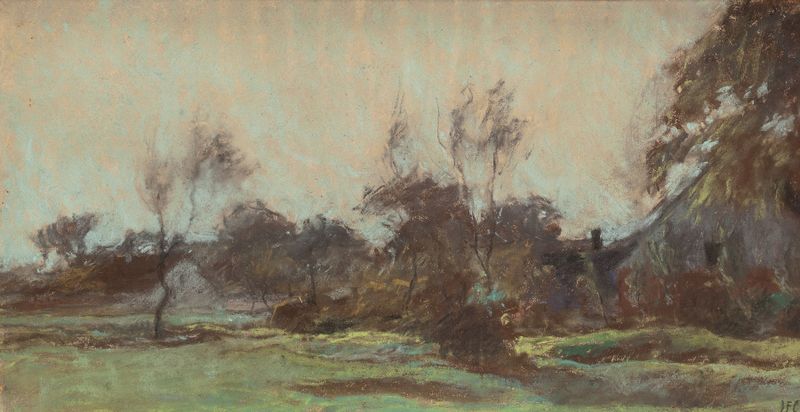
Morning Landscape
Joseph Frank Currier
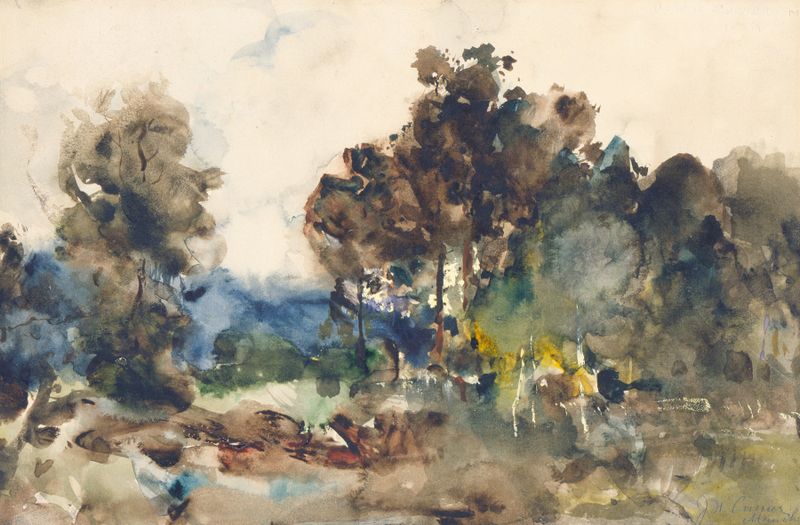
Landscape Sketch
Joseph Frank Currier
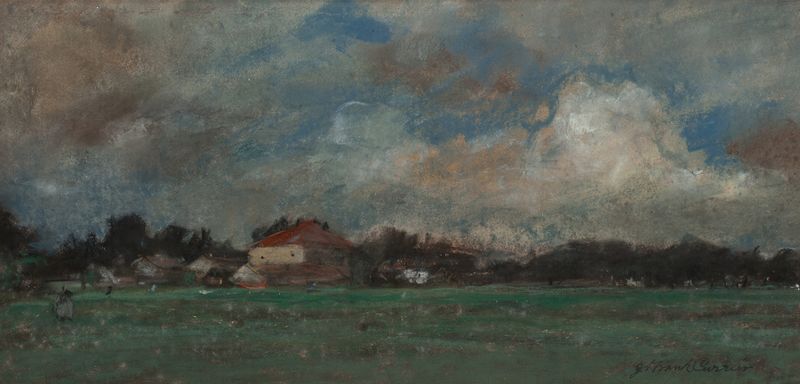
Stormy Sky
Joseph Frank Currier

Landscape near Dachau
Joseph Frank Currier
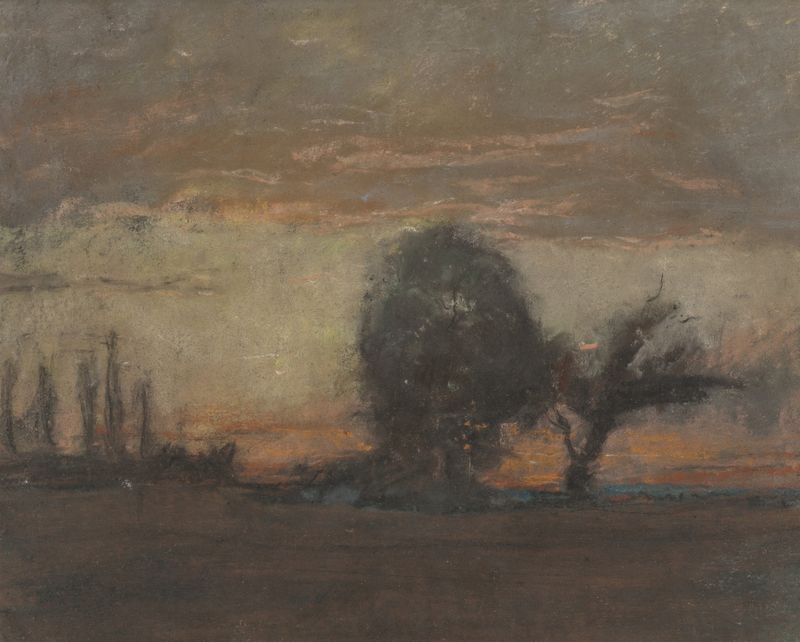
Evening Landscape
Joseph Frank Currier

Nocturnal Landscape
Joseph Frank Currier





