Landscape near Třeboň — History & Facts
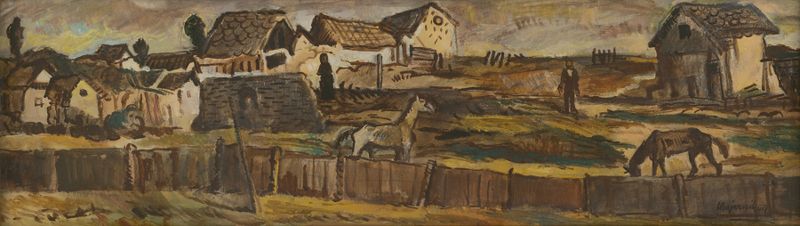
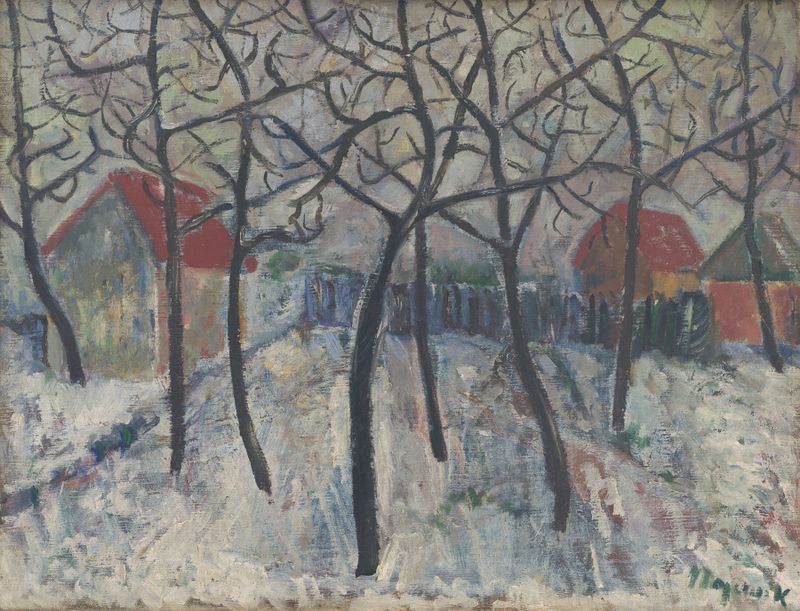
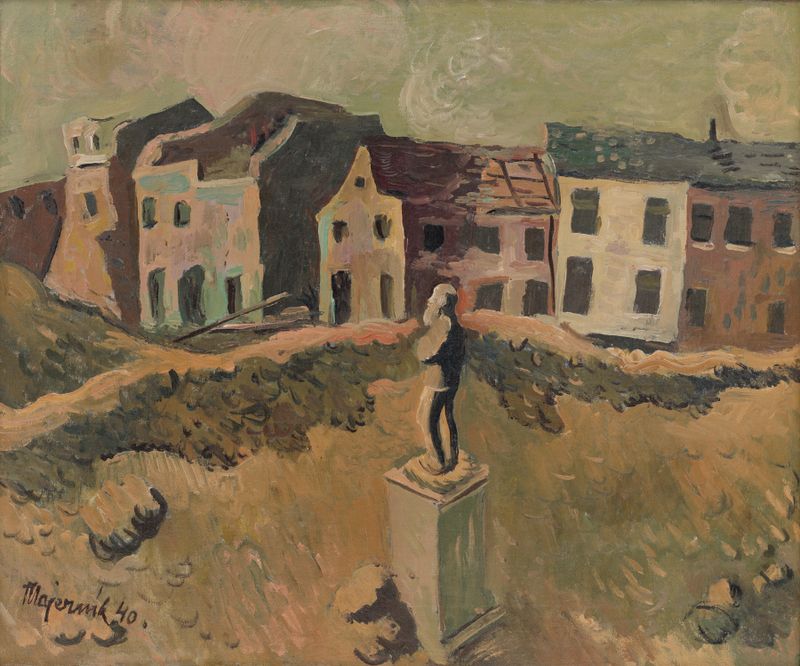
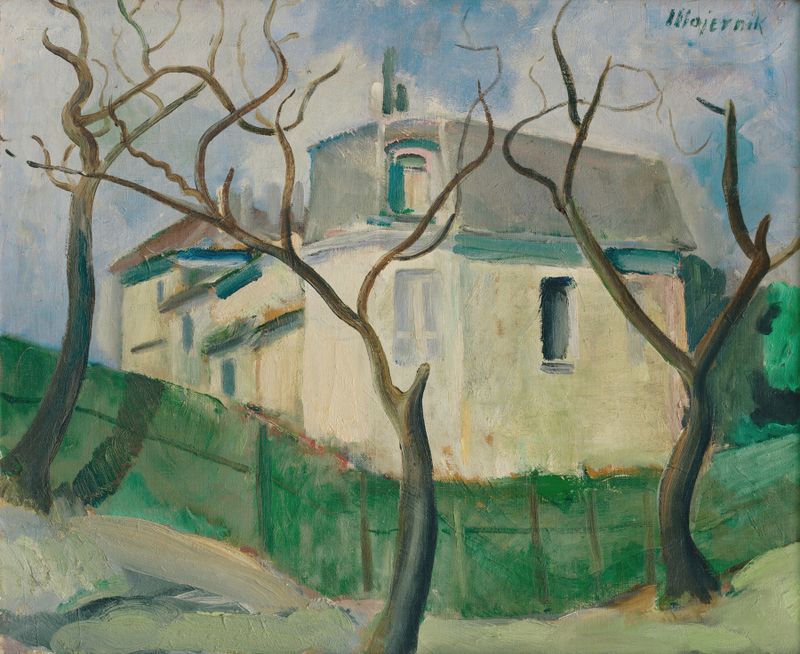
When did color learn to lie? This question resonates deeply within the vibrant yet elusive hues of a landscape, whispering secrets of a world both familiar and surreal. Here, nature is not merely captured; it is transformed, inviting the viewer into an experience that transcends reality. Look to the left at the striking interplay of greens and yellows, where the sun-drenched fields stretch towards an endless horizon. Notice the gentle brushstrokes that define the undulating hills, creating a rhythmic flow throughout the canvas.
The azure sky, punctuated by scattered clouds, reflects a promise of tranquility, while the slivers of light dance upon the foliage, revealing the artist's deft manipulation of color and tone to evoke a profound sense of peace. Yet, beneath this serene exterior lies a duality of emotion. The vibrant palette seems to mask a deeper melancholy, suggesting fleeting beauty in nature, as if time itself is slipping away. The juxtaposition of the lively foreground against the looming, shadowy background hints at the inevitability of change, prompting the viewer to contemplate the transient nature of existence and the landscapes we inhabit. In 1932, Cyprián Majerník painted this work during a transformative period in Czechoslovakia, as society began to grapple with the aftermath of war and the quest for national identity.
It was a time when artists sought to convey their emotional landscapes through abstraction and vivid color, reflecting a desire to transcend the harsh realities of life. This painting stands as a testament to that historical moment, illuminating both the beauty and fragility of our world.