Landscape with a Church among Trees — History & Facts
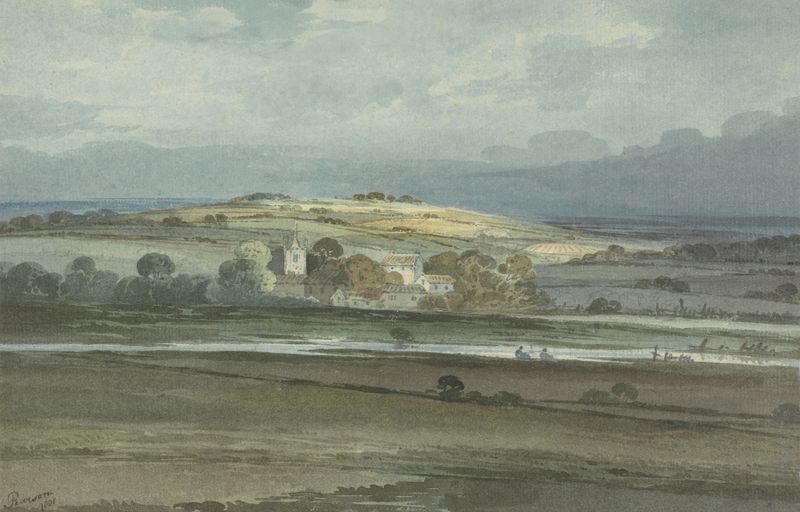
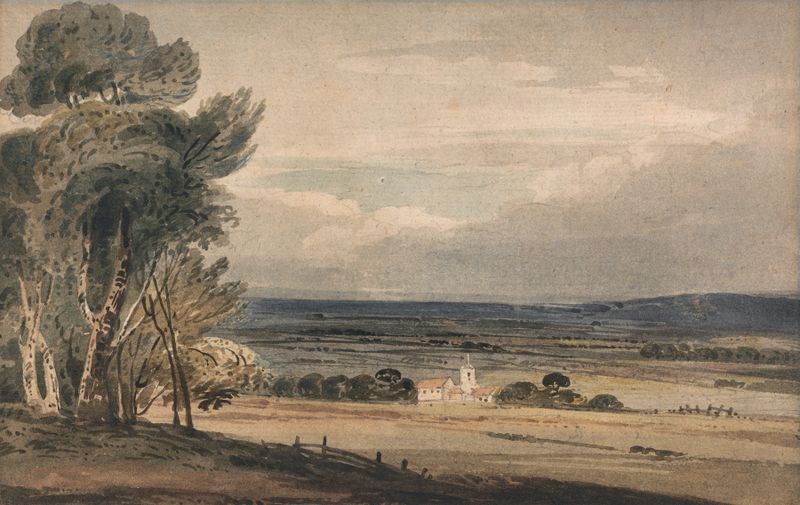
Can paint confess what words never could? In the gentle embrace of calm beauty, Landscape with a Church among Trees transcends the mere act of representation, inviting us into a serene world where nature and faith coexist harmoniously. Look to the left, where the delicate branches of the trees cradle the church, their leaves catching the dappled sunlight that filters through. Notice how the artist employs soft brushstrokes to render the foliage, creating a soothing texture that draws you in. The church, with its quaint steeple, stands as a silent witness, painted in muted tones that echo the tranquility of the surroundings, evoking a sense of peace.
The composition, balanced and inviting, beckons the viewer to contemplate the relationship between the divine and the natural. As you explore further, subtle contrasts emerge. The vibrant greens of the trees juxtapose against the muted earth tones of the church, suggesting a dialogue between life and faith. There’s a quiet tension between the structured lines of the building and the organic shapes of the landscape, possibly hinting at the struggle between man-made order and the wild beauty of nature.
The absence of humans in this scene amplifies the serenity, allowing the viewer to ponder their own place within this idyllic setting. William Pearson created this piece during a period of personal introspection, likely reflecting the shifting artistic landscapes of his time. While the exact date remains undetermined, it is believed he painted it in the late 19th century, a time marked by a growing interest in pastoral scenes that celebrated both nature and spirituality. This painting stands as a testament to that era’s quest for harmony, capturing a fleeting moment of beauty that resonates across generations.