View of Snowdon from Moel Hebog, North Wales — History & Facts
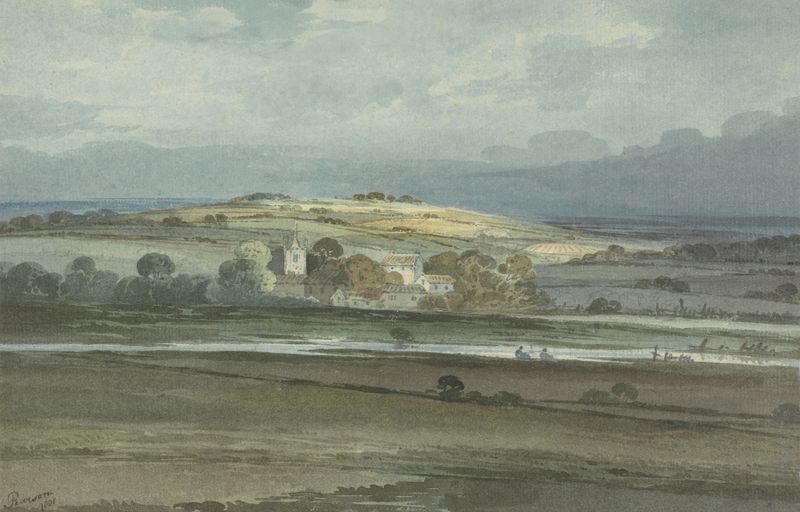
The breathtaking view before you, alive with rugged landscapes and celestial skies, hints at deeper betrayals hidden beneath its serene surface. It beckons the viewer to explore the juxtaposition of nature's grandeur against the human experience, inviting contemplation of the emotions that such beauty can evoke. Look to the center of the canvas, where the majestic Snowdon rises, its peaks both inviting and foreboding. Surrounding it, the cool blues and greens of the valleys cradle the mountain, while dappled sunlight spills across its slopes, contrasting with the shadowy areas that suggest depth and mystery.
Notice how the artist employs soft brushstrokes to soften the boundaries between land and sky, cultivating a sense of unity yet hinting at the violent forces of nature that shape these landscapes. In this scene, the interplay of light and shadow could symbolize the duality of existence—beauty intertwined with chaos. Each stroke reveals the fragility of the moment, echoing the heart's susceptibility to betrayal, just as nature can be both nurturing and destructive. The gentle undulations of the terrain stand as a metaphor for emotional terrain, demanding acknowledgment of the pain that often lurks beneath serene façades. William Pearson painted this piece in a period when the Romantic movement was influencing artists across Europe.
The late 19th century, marked by a preoccupation with nature and personal emotion, offered a fertile ground for the exploration of landscapes that reflected the inner turmoil of the artist’s own experiences. Amidst this cultural shift, Pearson sought to capture not only the physical beauty of his surroundings but also the emotional resonance that such places evoke.