Landschap — History & Facts
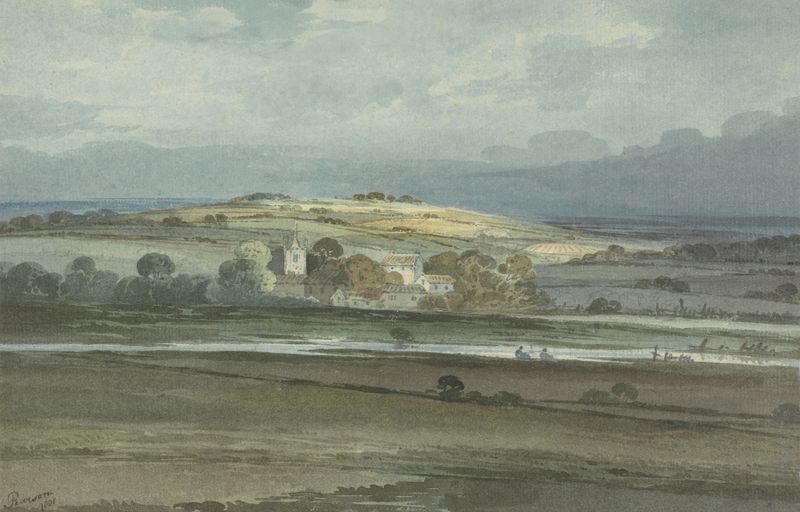
When did color learn to lie? In the realm of art, the shades and hues we perceive often dance between reality and illusion, challenging our understanding of balance. Look to the left at the soft blue sky, where wisps of clouds flirt with the horizon. The horizon line is a gentle curve, drawing the eye across the canvas, as if inviting us to traverse this imagined landscape. Notice how the vibrant greens of the fields are rendered with a delicate touch — each stroke of paint whispers life and vibrancy.
The contrasting textures between the smooth surface of the sky and the rugged terrains below create a dialogue that resonates, making the composition come alive. As you delve deeper, consider the interplay between the warm earth tones and the cool blues. The artist captures a moment where light meets shadow, evoking a sense of serene balance amidst nature’s chaos. The scattered patches of light symbolize fleeting moments of clarity, while the shadowed areas evoke mystery and the unknown.
Here, one cannot help but feel both tranquility and the tension of impermanence, revealing a deeper emotional landscape beneath the surface. William Pearson created Landschap during a period marked by the evolving styles of Modernism and the shifting perspectives in post-war Europe. Painted between 1878 and 1943, he navigated through tumultuous times, witnessing the rise of abstraction and a departure from the traditional. This work reflects not only his unique vision but also the larger currents of change within the art world, as artists sought new ways to express the complexities of their surroundings.